Free tools Windows power users keep installed
One-click scans. No signup required.
Roads, homes, hotels, warehouses and data centers all depend on the same basics: land, infrastructure and materials arriving when projects need them. That is the practical case behind Maser Group chairman Prateek Suri’s view that construction and physical infrastructure can help power the Gulf’s next growth cycle. Emarald, a new building-material supply venture backed by MDR Investments, is one example of how companies are positioning for that demand.
Why construction is part of the growth argument
Construction turns investment plans into physical assets. Infrastructure projects need steel and other materials; housing and hospitality developments need finishes and weather protection; warehouses and industrial facilities need dependable supply chains as well as buildings. If activity expands across these project types, demand may extend across a range of construction materials and distribution services.


As an Amazon Associate I earn from qualifying purchases.
Suri’s argument also connects construction with technology investment. In a 6 October 2026 interview with Gulf Times, he said AI’s influence would reach beyond software into manufacturing, sourcing, transport, construction and capital allocation. He also argued that value would accrue to businesses applying intelligence to real-world problems, not only to companies building algorithms. The implication is that AI-related growth can have a physical footprint: data centers and other digital infrastructure require land, power, cooling, connectivity, construction and financing.
Recommended Free Tools
This is a business thesis about linked investment needs, not proof that construction will be the Gulf’s largest growth engine. The available coverage does not provide an attributable regional construction-market size, forecast growth rate or evidence that construction will outpace other sectors.
#1 Best Overall
What Emarald plans to supply
Emarald is reported as Maser Group’s Gulf-focused construction and building-material supply venture, with MDR Investments providing financial backing. Its announced initial product categories are:
- Structural steel
- Flooring materials
- Waterproofing products
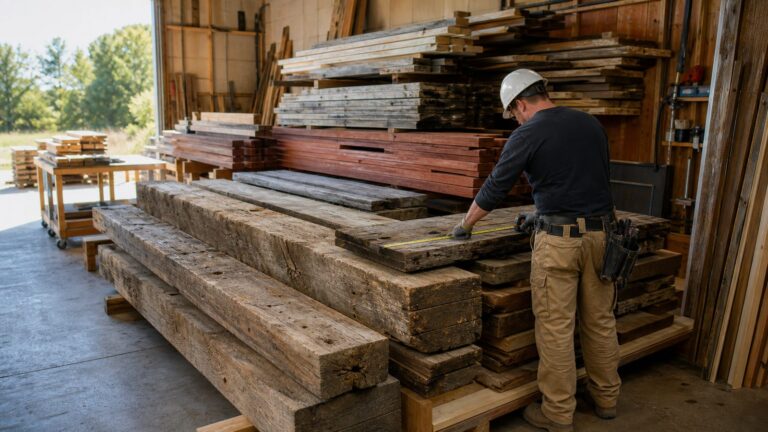
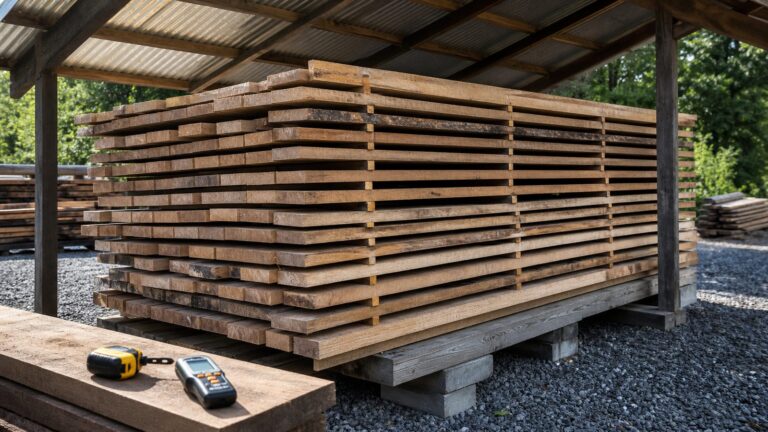
- Plywood
- Construction tools
The categories point to a broad supply proposition rather than a single project niche: structural inputs, interior and finishing materials, protection against water ingress, sheet materials and tools. The reports describe announced plans, not independently audited sales, delivery capacity or operating results. Gulf Business reported the product push on 25 August 2026.
Rank #2

- As Seen In: The New York Times, Good Morning America, Cornell Alumni Magazine, Bay Area Parent
- Designed to teach financial concepts to children aged 4-10 in a fun and engaging way.
- Each book in the series focuses on a different financial concept, breaking down complex ideas into simple, easy-to-understand language, accompanied by colorful illustrations that keep young readers interested.
Where the company expects to operate
Coverage identifies the UAE as a principal regional base and describes plans to develop business across Gulf markets. Qatar Tribune’s 20 September 2026 report names Saudi Arabia, Qatar, Oman and Bahrain among the markets in the expansion picture. The UAE’s role as a base reflects the company’s distribution strategy; it does not establish that one country offers higher demand or returns than another.
What’s actually slowing this PC down?
Pick the symptom - the matching free tool is one click away.
The reported logic is to use the UAE’s trade and logistics position to serve projects while expanding into neighboring markets, with selected international markets a longer-term possibility. That is company positioning, not evidence that expansion has already reached each market or that future performance is assured. The Qatar Tribune account covers those ambitions.
How to assess the construction opportunity
For contractors, developers and suppliers, the thesis is most useful when translated into practical questions rather than treated as a blanket regional forecast:
- Project type: Infrastructure, housing, hospitality, commercial development and industrial facilities have different material needs and procurement cycles.
- Material fit: Consider whether demand aligns with steel, flooring, waterproofing, plywood, tools or other specified categories.
- Distribution: A supplier’s ability to source, stock and deliver reliably matters alongside the headline size of a project pipeline.
- Market and horizon: Distinguish current operating presence from expansion plans, and near-term procurement from longer-term investment possibilities.
These are decision axes, not a country ranking. The coverage reviewed does not establish comparative market sizes or a quantified forecast for any of the named Gulf markets.
Rank #4

- 2024 OSHA Construction Safety Book is the seventh edition with the new OSHA HazCom final rule on 5/20/24. While the rule takes effect 7/19/24, the compliance dates don’t begin until 1/19/26 per 29 CFR 1910.1200(j).
- Construction Site Book offers quick access to essential OSHA regulations, jobsite hazards, and practical safety tips. It also helps employees identify hazards and prevent injuries and illnesses.
- Features easy-to-read format, full-color images, chapter quizzes with answer key, and comes in a compact size making it a convenient reference for employees.
- Critical topics include Confined Space Entry; Cranes & Derricks; Electrical Safety; Emergency Response; Ergonomics & Back Safety; Excavations; Fall Protection; First Aid & Bloodborne Pathogens; HazCom; Health & Wellness; Jobsite Exposures; Lockout/Tagout; Ladders & Stairways; Materials Handling/Storage; Motor Vehicles; PPE; Scaffolds; Site Safety & Security; Slips, Trips & Falls; Tool Safety; Welding, Cutting & Brazing; and Work Zone Safety.
- Specifications: 5 1/4” x 7 1/4", English, Soft bound. 7th Edition. Copyright 2024.
What the evidence does—and does not—show
Three different claims should not be conflated. Emarald’s product categories, financing context and geographic ambitions are reported company plans. Suri’s view that construction and physical infrastructure can benefit from a broader Gulf investment cycle is a strategic thesis, including his argument about AI’s physical requirements. Neither establishes market-wide growth figures or proves that construction will be the Gulf’s single biggest growth driver.
Quick wins for a faster PC:
Repair Windows errors before they cause bigger problemsFix Now →Fix the driver behind crashes, sound loss and screen glitchesFind Drivers →A separate The Peninsula Qatar report, published 4 October 2026, records Suri’s broader comments on expanding investment opportunities. It adds context to his regional outlook but does not supply a named construction statistic. Until comparable, attributable figures are available, the strongest supported conclusion is qualitative: construction could participate in a wider growth cycle because infrastructure, buildings and digital assets all require physical inputs and dependable supply.
Quick Recap
Product prices and availability are accurate as of the date/time indicated and are subject to change. Any price and availability information displayed on Amazon at the time of purchase will apply.