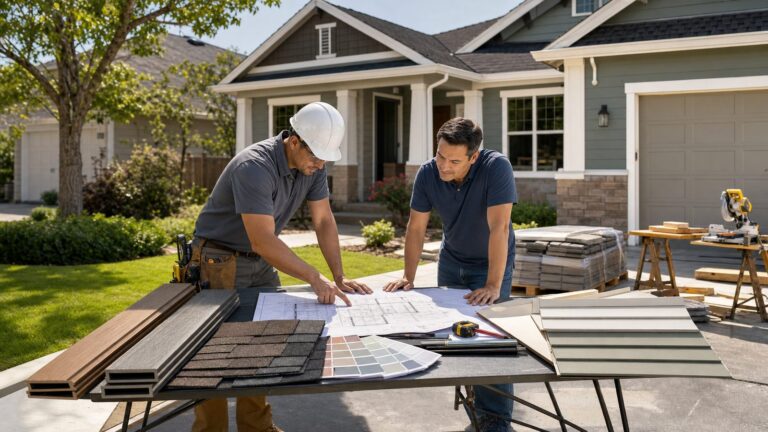
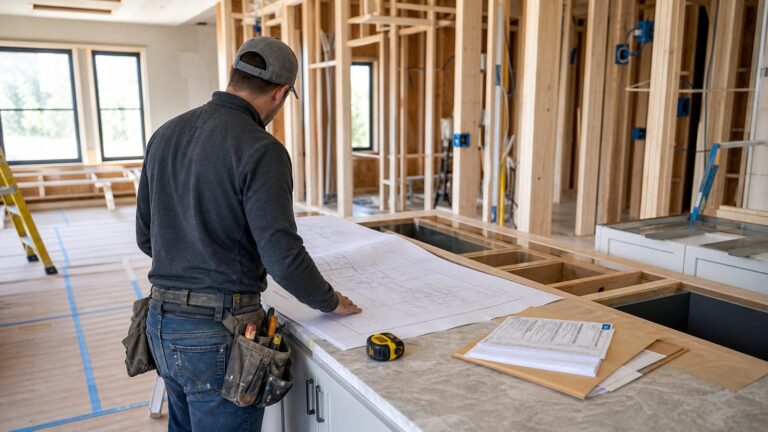
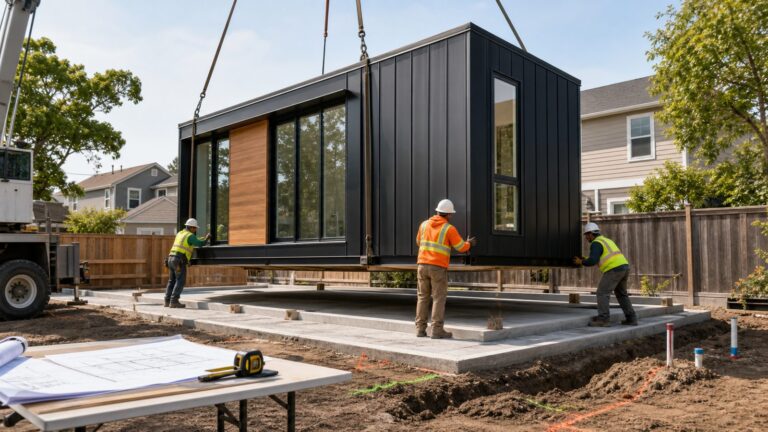
Rebuilding after a wildfire starts with safety, cleanup coordination and a conversation with your local building department—not with construction. In California, some fire-recovery programs allowed homeowners to submit plans and building-permit applications before debris removal was complete, but temporary housing on the property had to wait. Requirements vary by location and incident, so confirm the rules for your property before scheduling cleanup or committing to a design.
1. Make the site safe and start your recovery record
Follow emergency officials’ re-entry instructions and do not enter an unsafe or restricted area. If you have insurance, report the loss and keep copies of claim correspondence, photographs and receipts for recovery expenses, including temporary housing. California’s rebuilding guidance recommends keeping those records; whether a cost is covered depends on your policy and applicable assistance programs.


As an Amazon Associate I earn from qualifying purchases.
Check the property’s damage status and save relevant inspection or incident documents. These records can help when you speak with the insurer, cleanup program, building department and contractors.
What’s actually slowing this PC down?
Pick the symptom - the matching free tool is one click away.
2. Confirm the cleanup process before arranging work
Wildfire debris may include ash, hazardous household materials, structural remains and contaminated soil. California’s CalRecycle describes a consolidated cleanup program with two phases and a government-managed option, alongside a homeowner-expense alternative. Before hiring a private cleanup crew or disturbing debris, contact your county or incident recovery office: permits and environmental requirements may apply. Do not handle potentially contaminated ash yourself.
#1 Best Overall

- Flame-Resistant Stainless Steel Screen Mesh - Phifer Ember Screen features a proprietary flame-resistant coating that goes beyond standard metal screening, adding a critical layer of fire protection for your home. This ember resistant mesh is engineered to block dangerous airborne embers from entering through windows, doors, and patio enclosures, and perimeter fencing during wildfire events - a key component of any home fire protection or fire suppression system.
- Dual-Purpose Insect and Ember Protection - Ember Screen stainless steel mesh combines everyday insect screening with wildfire ember defense in one product. This fire screen mesh keeps insects out year-round while providing proven flame and ember intrusion resistance under rigorous ASTM testing. For homeowners serious about fire safety, it's a simple upgrade with significant impact. Unlike bulky fire barriers that block your view, this home fire safety screen maintains outward visibility.
- Perimeter Fencing for First Line of Fire Defense - Ember Screen stainless steel mesh is an ideal fire screen for perimeter fencing applications, adding a flame-resistant barrier between your property and approaching wildfires. This ember resistant mesh installs over existing fence lines to help block airborne embers before they reach your home, creating a critical first line of wildfire protection for homes in WUI zones.
- Meets CAL FIRE Home Hardening Recommendations - EmberScreen is an essential part of a complete fire hardening home wildfire protection system, developed to support CAL FIRE's recommendations for reducing fire vulnerabilities. This wildfire protection for homes solution fits easily into new builds and retrofits, with a discreet, low-profile installation that blends into any home design.
- Durable, Corrosion-Resistant & Made in the U.S.A. - This fire safety for home mesh is built from corrosion-resistant stainless steel with a flame-resistant coating for long-term performance outdoors. A critical component of a broader fire prevention and fire protection system, Phifer Ember Screen is proudly made in the U.S.A. with over 70 years of screening expertise. Reliable wildfire protection without compromise.
What the California Los Angeles fire program illustrates
For the 2025 Los Angeles fires, the state described Phase 1 hazardous-waste cleanup followed by Phase 2 structural debris removal. It said properties were ready for rebuilding after both phases. The state’s stated June 1 and June 30, 2025 deadlines were specific to that incident and have passed; they are not general or current deadlines for other fires.
Cleanup and permitting are related, but they are not always the same gate. Under that Los Angeles recovery guidance, homeowners could submit plans and building-permit applications before debris removal was complete, while temporary housing on the property had to wait until debris removal was finished. Ask your local recovery office what sequencing rules apply to your property.
3. Choose a rebuild approach that fits your constraints
There is no universal rebuild path. California’s state guide frames the choice around timeline, budget and how much customization a homeowner wants. Compare restoring a similar design with pursuing a more customized home, using verified insurance information, financing and local requirements rather than assumptions about cost or speed.
The Tool Desk
Outbyte Driver Updater FREEScan for outdated or missing drivers - takes under a minuteDriver Scan →Outbyte PC Repair FREERepair Windows errors before they cause bigger problemsFix Now →- Timeline: Ask how design, review, cleanup and construction fit together in your jurisdiction.
- Budget and funding: Confirm insurance limits and applicable assistance, then compare documented estimates from qualified contractors.
- Customization: Identify how far the proposed design departs from the former home and ask whether that affects review or cost.
- Code and resilience: Check locally adopted building requirements and wildfire hazard guidance for the specific site.
The reviewed official sources do not establish universal rebuild costs or schedules. A like-for-like design, faster approval, or fee waiver should not be assumed without confirmation from the responsible local agency.
Rank #3

- Flame-Resistant Aluminum Vent Mesh - Phifer Ember Screen features a proprietary flame-resistant coating over durable aluminum, adding a critical layer of fire protection for your home's ventilation points. This ember resistant mesh is engineered to block dangerous airborne embers from entering through vents, eaves, roof-assembly gaps, and under-decking areas - a key component of any home fire protection system.
- Maximum Airflow, Minimum Ember Penetration - This mesh vent cover is tightly woven to block more embers than traditional aluminum vent mesh while still allowing essential airflow into your home. As a fire screen mesh, it provides proven flame and ember intrusion resistance under rigorous ASTM testing. For homeowners serious about fire safety, it's a simple upgrade with significant impact.
- Code-Compliant Vent Screen Home Hardening Protection - Ember Screen aluminum vent mesh is compliant with California Building Code Chapter 7A for ember-resistant venting in new construction and old builds. This fire hardening outdoor vent cover fits easily into new builds and retrofits as part of a complete home wildfire protection system, with a discreet installation that blends into any home design. Reliable wildfire protection for homes in WUI zones.
- Versatile Vent Screens for Air Vent Applications - This fire prevention vent screen is ideal for safeguarding critical ventilation pathways including soffit vents, gable vents, ridge vents, gutter covers, eaves, and under-decking areas. The corrosion-resistant aluminum vent mesh cover delivers lasting home fire safety while maintaining the airflow your home needs. Available in black, 6" width, 100' roll length.
- Durable, Corrosion-Resistant & Made in the U.S.A. - This fire safety for home mesh is built from corrosion-resistant aluminum with a flame-resistant coating for long-term performance outdoors. A critical component of a broader fire protection or fire suppression system, Phifer Ember Screen is proudly made in the U.S.A. with over 70 years of screening expertise. Reliable wildfire protection and home fire protection without compromise.
4. Ask the building department what plans and permits are required
Contact the city or county building department—and planning department where applicable—before finalizing plans. The local authority determines the current application requirements, code provisions, site constraints, review sequence, fees and inspections. California’s recovery guidance points affected homeowners to local permit information and, for some communities, one-stop permit centers; those locations and services are local, not statewide guarantees.
Ask for the current checklist for your property and incident. In particular, clarify:
- Which applications, approvals and plan details are required.
- Which code edition and zoning rules apply, including any site-specific restrictions.
- Whether cleanup must reach a particular stage before submission, approval or construction.
- What review steps, fees and inspections to expect, and who schedules each inspection.
- Whether any current local program offers special treatment for a similar-design rebuild.
Plans should reflect the site and the authority’s requirements. Confirm the approval sequence with the building department rather than relying on a checklist from another city or a previous disaster.
5. Hire a qualified contractor and put the scope in writing
Verify the contractor’s license and classification with the relevant regulator, check references and use a detailed written agreement. It should identify the work, price, payment schedule, change-order process, and responsibility for permits and inspections. Make sure you understand what is excluded as well as what is included.
Best Value
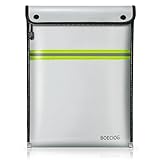
- Portable Large-Capacity Design: Sized 15 x 11 inches, this fireproof money bag offers roomy protection for passports, legal files, tablets, USB drives, and valuables. A perfect fireproof cash bag for safes, drawers, backpacks, or emergency kits
- 5-Layer Fire-Resistant Design UP to 2000°F: Made of silicone coating, ultra-thin fiber, 0.12 inch fireproof cotton, fiberglass base, and aluminum foil with fireproof cloth edging, this fireproof document bag uses U-L-94-certified materials to guard valuables from extreme heat
- Waterproof Zipper & Flame-Resistant Edges: Sealed waterproof zipper and flame-resistant edging block out moisture and ash. A true fireproof waterproof document bag that’s ready for floods, fire, or storage in humid places
- Reflective Strip for Night Visibility & Quick Access: Designed with a high-visibility strip, this fire proof bags can be easily located in darkness, power outages, or smoky rooms—essential when every second counts in a fire or emergency
- Emergency-Ready for Fire & Water Disasters: This fire bag safe fire and waterproof design protects vital documents from wildfires, floods, and accidents. A trusted waterproof fireproof document bag for home, office, or travel emergency kits
California’s Contractors State License Board says rebuilding after a declared disaster is treated as home improvement work and that most work on disaster-damaged or destroyed homes requires a valid California license in the appropriate classification. Licensing laws differ by state, so homeowners elsewhere should check their own regulator’s requirements.
6. Build to approved plans, complete inspections and consider wildfire resilience
Once the required approvals are in place, construction should follow the approved plans and the local inspection schedule. Coordinate with your contractor and building department so required inspections happen at the appropriate stages; do not assume work can be concealed or continued before an inspection is signed off.
Ask your designer and local officials how current wildfire-resistant construction requirements apply to the home and site, including exterior materials and site details. California’s Office of the State Fire Marshal provides home-hardening guidance and material options, but no single package of materials is established as right for every property. Choose measures that fit the hazard, adopted code and approved design.
Windows Errors? Fix Them Before They Spread
Repair common Windows errors and clear accumulated junk for a smoother, more stable PC - no reinstall needed.Free scan · no reinstallOutdated Drivers Are Slowing You Down
One free scan finds every outdated or missing driver and matches the right update for your exact hardware.Free scan · exact hardware matchWhat current permit figures do—and do not—tell you
In a September 15, 2026 announcement, the Governor’s Office reported that local building departments had issued 8,450 rebuilding permits in the affected Los Angeles fire areas as of the week of September 15, 2026. The figure describes those areas and that reporting point; it does not predict how long another property’s permit will take.
The same announcement reported a California Department of Insurance estimate that more than 13,000 of roughly 40,000 insurance claims involved smoke damage to homes that never burned. That is the department’s estimate as reported by the Governor’s Office, not an independently verified count.
Quick Recap
Product prices and availability are accurate as of the date/time indicated and are subject to change. Any price and availability information displayed on Amazon at the time of purchase will apply.