Do these 3 things before closing this tab:
1Clear out junk files and repair common Windows errors2Scan for outdated or missing drivers - takes under a minute3Repair Windows errors before they cause bigger problemsAnnual vinca, also called Madagascar periwinkle or flowering vinca, is a tough summer annual when it is planted in the right place. The key is not complicated: full sun, warm soil, sharp drainage, modest fertility, and watering that does not keep the leaves or crown wet. Get those basics right and vinca can carry a front walk, mailbox bed, patio container, or commercial entry through the hottest part of the season with very little fuss.
Get them wrong and vinca fails fast. On our job sites, the most common vinca problems are not mysterious plant problems. They are construction problems: a flat bed that holds water, compacted clay under a thin layer of mulch, sprinklers hitting the foliage every morning, plants crowded too tightly, or early spring planting before the soil has warmed. Vinca is drought tolerant after establishment, but it is not tolerant of cold, saturated soil.
This guide covers how to grow annual vinca from the ground up: where to plant it, how to build the bed, how far apart to space plants, what it costs in 2026, how to water it, what diseases to watch for, and when a homeowner can handle the work versus when it is worth hiring a landscape pro.
Annual Vinca vs. Periwinkle: Know What You Are Planting
The plant used for bright summer bedding color is Catharanthus roseus. Its common names include annual vinca, flowering vinca, Madagascar periwinkle, and periwinkle. It is usually grown as an annual in most of the United States, although it can behave as a tender perennial in frost-free climates.
Recommended Free Tools
#1 Best Overall

- Versatile Growth: Suitable for USDA Zones 3 - 10, adaptable to various climates, including hot southern or desert regions.
- Resilient and Low Maintenance: Thrives despite extreme heat, poor soil conditions, and minimal care requirements, making it an ideal option for busy gardeners.
- Continuous Blooming: Starts blooming early and continues to produce big flowers in four vibrant colors, ensuring a long-lasting display in the garden.
- Ground Cover Benefits: Functions as a ground cover, with the ability to reseed itself readily, providing lush coverage while requiring minimal space and maintenance.
- Cost-Effective and Efficient: With approximately 1,000 seeds covering 50 square feet, it offers excellent value for creating vibrant flower beds or hanging baskets.
Do not confuse it with Vinca minor or Vinca major. Those are perennial groundcovers, not the upright summer annual used in bedding displays. They spread by trailing stems and can become aggressive in some regions. If you are buying plants for a sunny annual flower bed, check the botanical name or the plant tag. You want Catharanthus roseus.
| Plant | Botanical Name | Typical Use | Growth Habit | Best Caution |
|---|---|---|---|---|
| Annual vinca / Madagascar periwinkle | Catharanthus roseus | Summer bedding, containers, borders | Upright or spreading annual | Needs warm, well-drained soil |
| Common periwinkle | Vinca minor | Perennial groundcover | Trailing, spreading mat | Can spread beyond intended area |
| Bigleaf periwinkle | Vinca major | Perennial groundcover | Larger trailing groundcover | Can be aggressive in mild climates |
Best Place to Plant Annual Vinca
Annual vinca performs best in full sun. In practical terms, that means at least 6 hours of direct sun per day. It can tolerate part sun, but the plant is usually fuller, drier, and more flower-heavy in a sunny bed with good airflow. In humid regions, shade can extend leaf wetness and increase disease pressure.
The second requirement is drainage. Vinca does not like standing water, wet clay, or compacted subsoil. If water pools in the bed after a storm, or if the soil stays slick and sticky for a full day after irrigation, fix the drainage before planting. A $1.50 bedding plant can turn into a costly replant if the bed is wrong.
Good locations include sunny foundation beds, raised landscape beds, curb strips with amended soil, entry beds, patio containers, commercial signs, and medians where irrigation can be controlled. Poor locations include low spots, downspout discharge zones, heavy clay pockets, shaded north-facing walls, and beds watered on the same schedule as turfgrass.
Build the Bed Before You Plant
Annual vinca is often sold as a low-maintenance flower, but the low-maintenance part starts with bed construction. We treat vinca beds the same way we treat any exterior finish: the visible result depends on the substrate.
Grade and Drainage
For a residential bed, slope the finished soil surface slightly away from the house, walk, or wall. A practical target is about 1 inch of fall over 4 to 6 feet where site conditions allow. Do not create a saucer-shaped bed that traps runoff. If the bed is flat or clay-heavy, crown the center slightly so water moves off the planting zone.
Raised beds are often the cleanest solution where drainage is questionable. Even a 4- to 8-inch lift can make a major difference. For masonry, stone, or timber-edged beds, confirm that water has somewhere to exit. A raised planter with no drainage path is just a bathtub with flowers in it.
Soil Prep
Loosen the top 6 to 8 inches of soil before planting. Remove construction debris, compacted clods, roots, and large stones. If the native soil is heavy clay, blend in compost or a quality planting mix to improve structure, but do not create a soft amended pocket surrounded by dense clay. That can hold water around the roots. The goal is consistent, open, well-drained soil through the planting depth.
The Tool Desk
Outbyte Driver Updater FREEScan for outdated or missing drivers - takes under a minuteDriver Scan →Outbyte PC Repair FREEClear out junk files and repair common Windows errorsFree Scan →Annual vinca does not need rich, heavily fertilized soil. Too much nitrogen can push leggy growth and can make disease problems worse. If the bed has ordinary garden soil, a light balanced starter fertilizer at planting is usually enough. Containers need more regular feeding because nutrients wash out faster.
Mulch Depth
Use mulch as a splash barrier, not as a blanket around the stems. A 2-inch mulch layer is usually enough for a vinca bed. Keep mulch pulled back about 1 to 2 inches from plant crowns. Deep mulch piled against stems holds moisture exactly where vinca is most vulnerable to rot and stem disease.
When to Plant Annual Vinca
Do not plant annual vinca like a cool-season annual. It wants warm soil and warm nights. Plant after frost danger has passed and after nighttime temperatures are reliably in the 60 to 65 degree Fahrenheit range. In much of the southern United States, that may be mid-spring. In northern states, late spring is often safer.
Planting early rarely gets you ahead. Cold soil can stall vinca, yellow the leaves, and increase root disease risk. A later planting in warm soil often catches up quickly and looks better by early summer.
Rank #2

- EARLY BLOOMS & VIBRANT COLORS: Mix Periwinkle (Vinca Rosea Dwarf Little Mix) flowers up to two weeks earlier than other vinca varieties, bringing big, bright blossoms in a stunning mix of evergreen colors. These long-lasting flowers bloom continuously from summer through fall, providing a lively and colorful display for months.
- THRIVES IN HEAT & DROUGHT: Perfect for hot, dry climates, this hardy vinca live plants are known for its low watering needs and exceptional drought tolerance. Whether you're planting in garden beds, borders, or containers, Periwinkle stays healthy and vibrant even during scorching summers with little maintenance.
- IDEAL FOR GARDENS & CONTAINERS: With a compact yet well-branched growth habit, Periwinkle plant seeds reaches 8-10 inches in height and 24-36 inches wide, making it an excellent choice for flower beds, edging, borders, and potted displays. Its bushy, lush foliage complements the vivid flowers, enhancing any landscape.
- EASY TO GROW FROM SEED: Sow 2-3 vinca ground cover seeds indoors 6-10 weeks before the last frost to ensure an early start. Simply cover with 1/4 inch of potting mix, keep moist, and provide darkness for successful germination. Once established, they require minimal upkeep, making them a favorite for beginner and experienced gardeners alike.
- RESILIENT & LOW MAINTENANCE: Adaptable to USDA Zones 3-10, these versatile annuals thrives in full sun. It prefers well-drained soil and is resistant to common plant sickness, making it an easy-care flower that flourishes all season long.
As a field rule, if you are still wearing a jacket in the morning and the soil feels cold to the touch, wait. Vinca is built for heat. It is not a good choice for filling April color gaps in cold beds.
Spacing and Plant Counts
Spacing depends on the cultivar and the look you want. Compact upright varieties are commonly planted 8 to 12 inches apart. Larger, spreading, or trailing types often need 12 to 18 inches. Tight spacing gives faster coverage, but it also reduces airflow and keeps foliage damp longer. In humid climates, wider spacing is usually the better long-term choice.
For most residential beds, 10- to 12-inch spacing is a practical balance. For commercial landscapes where uniform color matters and maintenance crews are watching irrigation closely, tighter spacing can work. For disease-prone beds or heavy summer humidity, give the plants room.
| Spacing On Center | Approx. Plants per 100 Sq. Ft. | Best Use | Tradeoff |
|---|---|---|---|
| 8 inches | 225 plants | Fast, dense color blocks | Higher plant cost and less airflow |
| 10 inches | 144 plants | Premium residential or entry beds | Good fill, moderate disease risk |
| 12 inches | 100 plants | Most standard beds | Slower fill than tight spacing |
| 15 inches | 64 plants | Spreading types or humid sites | More visible soil early in season |
| 18 inches | 44 plants | Large trailing varieties | Best airflow, slowest coverage |
Measure spacing from plant center to plant center, not from leaf edge to leaf edge. For curved beds, lay out the first row along the front edge, then stagger the second row like brickwork. That produces a fuller look with fewer straight-line gaps.
How to Plant Annual Vinca
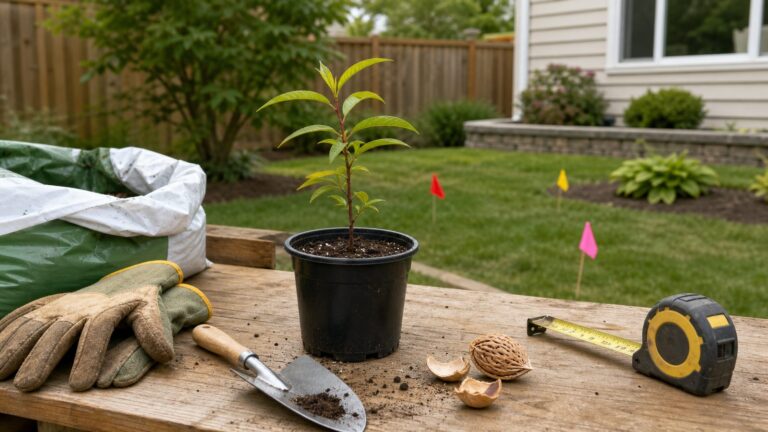
Water the plants in their trays or pots before planting so the root balls are evenly moist. Set each plant at the same depth it was growing in the container. Do not bury the crown. In a wet summer, a buried crown is a common starting point for stem rot.
Dig each hole slightly wider than the root ball. If roots are circling tightly, loosen them gently with your fingers. Set the plant, backfill with native prepared soil, and firm the soil by hand. Avoid stomping around small bedding plants. Heavy foot pressure can recompact the surface you just prepared.
After planting, water deeply one time to settle the soil around the roots. Then shift to a dry-down rhythm. Vinca should not be kept constantly wet. The top inch or two of soil should dry between waterings once the plants are established.
Watering: The Difference Between Tough and Rotten
Established annual vinca is drought tolerant, but that does not mean it should be ignored during establishment. For the first 7 to 14 days, check the bed regularly and water when the root zone begins to dry. In hot weather, new transplants may need water every 2 to 3 days at first. After roots push into the bed, watering can usually be reduced.
What’s actually slowing this PC down?
Pick the symptom - the matching free tool is one click away.
The best irrigation is drip irrigation or low-angle watering at the soil level. Overhead sprinklers are one of the biggest reasons vinca develops leaf spots, blight, and stem problems. If hand watering is necessary, water early in the morning and keep the stream near the soil, not over the foliage.
Do not put vinca beds on the same irrigation schedule as a lawn. Turf may need frequent water during heat. Vinca usually performs better when it dries between waterings. If the bed has separate irrigation zones, use them. If it does not, this is one of the times an irrigation adjustment can save both plants and labor.
Fertilizer and Maintenance
Annual vinca is adapted to low-fertility conditions. In landscape beds, avoid heavy feeding. A light, balanced fertilizer at planting or a modest slow-release product is usually enough. If plants are dark green, compact, and flowering, do not feed just because the calendar says so.
Rank #3

- EARLY BLOOMS & VIBRANT COLORS: Black Cherry Periwinkle (Catharanthus Roseus Tattoo Black Cherry) flowers up to two weeks earlier than other vinca varieties, bringing big, bright blossoms in a stunning dark pink and violet color. These long-lasting flowers bloom continuously from late spring to late summer, providing a lively and colorful display for months.
- THRIVES IN HEAT & DROUGHT: Perfect for hot, dry climates, this hardy vinca live plants are known for its low watering needs and exceptional drought tolerance. Whether you're planting in garden beds, borders, or containers, Black Cherry Periwinkle stays healthy and vibrant even during scorching summers with little maintenance.
- IDEAL FOR GARDENS & CONTAINERS: With a compact yet well-branched growth habit, Periwinkle plant seeds reaches 10-14 inches in height and 6-8 inches wide, making it an excellent choice for flower beds, edging, borders, and potted displays. Its bushy, lush foliage complements the vivid flowers, enhancing any landscape.
- EASY TO GROW FROM SEED: Sow 2-3 vinca ground cover seeds indoors 4-6 weeks before the last frost to ensure an early start. Simply cover with 1/4 inch of potting mix, keep moist, and provide darkness for successful germination. Once established, they require minimal upkeep, making them a favorite for beginner and experienced gardeners alike.
- RESILIENT & LOW MAINTENANCE: Adaptable to USDA Zones 3-10, these versatile annuals thrives in full sun to partial shade. It prefers well-drained soil and is resistant to common plant sickness, making it an easy-care flower that flourishes all season long.
Containers and hanging baskets need more attention. A vinca in a pot has limited soil volume and more frequent watering, so nutrients leave the root zone faster. Use a balanced water-soluble fertilizer every 3 to 4 weeks during active growth, or follow the label rate for a slow-release container fertilizer.
Quick wins for a faster PC:
Clear out junk files and repair common Windows errorsFree Scan →Scan for outdated or missing drivers - takes under a minuteDriver Scan →Deadheading is not usually required. Modern annual vinca varieties are generally self-cleaning. Maintenance is mostly about checking irrigation, removing failed plants quickly, keeping mulch off the stems, and watching for disease before it spreads.
Common Varieties and Where They Fit
Annual vinca varieties range from compact upright plants to spreading and trailing forms. Improved types commonly grow about 6 to 12 inches tall and 8 to 24 inches wide, depending on the cultivar. Color choices include white, pink, rose, lavender, red, apricot, and bicolor forms with contrasting eyes.
In hot, humid regions or beds with a history of disease, choose improved disease-resistant series. Cora and Cora XDR types are common examples sold for stronger disease performance. They cost more than basic cell-pack plants, but they can be worth it in high-visibility beds where replacement labor is expensive.
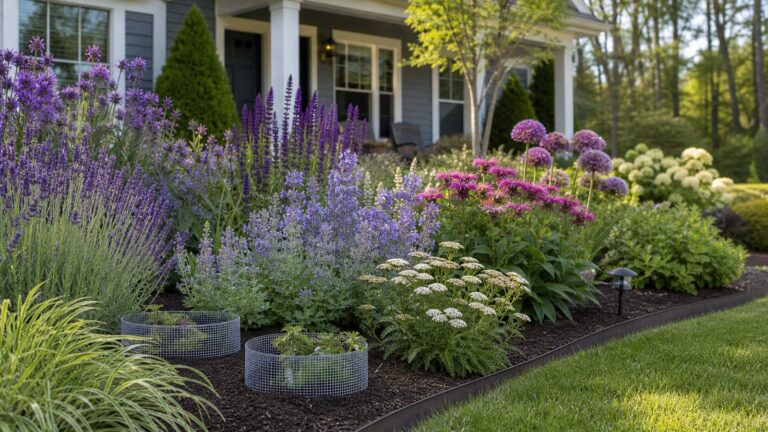
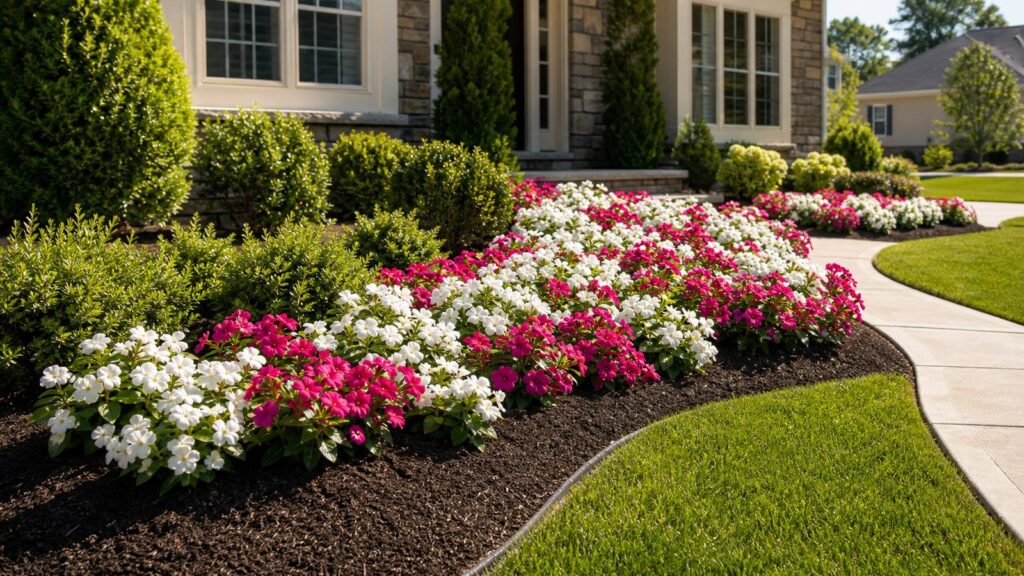
For curb appeal, vinca looks best in masses. Use one or two colors in repeated blocks along walks, driveways, sign bases, and entries. Random mixes can look busy from the street. A clean block of white vinca along a walkway or a rose-pink mass around a sign reads better at 30 feet than a scattered mix of five colors.
Free tools Windows power users keep installed
One-click scans. No signup required.
2026 Cost to Plant Annual Vinca
Annual vinca can be inexpensive as a DIY planting or surprisingly costly as a fully installed landscape bed. The plant price is only one part of the job. Bed preparation, turf removal, edging, mulch, irrigation, disposal, access, and labor usually drive the final number.
For 2026, small cell-pack plants commonly run about $1.08 to $2.00 per plant when bought by the flat in some nursery markets. Branded or larger container plants can run about $1.99 to $7.99 each, depending on size and region. A 100 square foot bed planted on 12-inch centers needs about 100 plants. That puts basic plant material around $108 to $200, while premium quart or 2-quart plants can push plant material to $400 to $800 or more.
Mulch material commonly ranges from about $25 to $100 per cubic yard, with delivered and installed mulch often around $50 to $150 per cubic yard. One cubic yard covers roughly 162 square feet at 2 inches deep or about 100 square feet at 3 inches deep. For vinca, 2 inches is usually the better target around the plants.
Professional flower bed installation in 2026 often falls around $4.50 to $13.50 per square foot for simpler planted beds. Broader flower-bed projects commonly land around $800 to $3,000 depending on size, excavation, edging, soil work, plant size, region, and whether irrigation work is included.
| 100 Sq. Ft. Vinca Bed Item | Budget DIY Range | Professional / Premium Range |
|---|---|---|
| Plants at 12-inch spacing | $108-$200 | $400-$800+ |
| Mulch, about 1 cubic yard or less | $25-$100 material | $50-$150 delivered and installed |
| Soil prep / amendments | $25-$150 | $150-$600+ |
| Edging | $0-$250 | $300-$1,200+ |
| Irrigation adjustment or drip | $25-$200 | $250-$1,000+ |
| Total typical project | $200-$700 | $800-$3,000+ |
The lower-cost approach is simple: use flats or cell packs, plant at 10 to 12 inches on center, add about 2 inches of mulch, and avoid overbuilding the bed. The higher-cost approach uses raised masonry or stone edging, premium disease-resistant cultivars, drip irrigation, imported soil mix, and maintenance visits. Both can work. The right choice depends on visibility, drainage, labor availability, and how expensive a midseason failure would be.
Growing Annual Vinca in Pots and Hanging Baskets
Vinca works well in containers as long as the container drains. Use pots with drain holes and a lightweight potting mix, not heavy garden soil. A 10- to 12-inch pot can hold one strong upright vinca or a small grouping of compact plants. A 14- to 16-inch container can handle three to five plants, depending on variety.
Containers dry faster than beds, so check them more often. The same rule still applies: water deeply, then let the mix begin to dry. Do not leave pots sitting in saucers full of water. In hanging baskets, trailing vinca types can handle heat better than many softer annuals, but they still need consistent watering during hot, windy weather.
Rank #4

- EARLY BLOOMS & VIBRANT COLORS: Bright Eyes Periwinkle (Vinca Rosea Dwarf Little Bright Eyes) flowers up to two weeks earlier than other vinca varieties, bringing big, bright blossoms in a stunning white color. These long-lasting flowers bloom continuously from late spring to late summer, providing a lively and colorful display for months.
- THRIVES IN HEAT & DROUGHT: Perfect for hot, dry climates, this hardy vinca live plants are known for its low watering needs and exceptional drought tolerance. Whether you're planting in garden beds, borders, or containers, Bright Eyes Periwinkle stays healthy and vibrant even during scorching summers with little maintenance.
- IDEAL FOR GARDENS & CONTAINERS: With a compact yet well-branched growth habit, Periwinkle plant seeds reaches 8-10 inches in height and 1 - 1 ½ inches wide, making it an excellent choice for flower beds, edging, borders, and potted displays. Its bushy, lush foliage complements the vivid flowers, enhancing any landscape.
- EASY TO GROW FROM SEED: Sow 2-3 vinca ground cover seeds indoors 4-6 weeks before the last frost to ensure an early start. Simply cover with 1/4 inch of potting mix, keep moist, and provide darkness for successful germination. Once established, they require minimal upkeep, making them a favorite for beginner and experienced gardeners alike.
- RESILIENT & LOW MAINTENANCE: Adaptable to USDA Zones 3-10, these versatile annuals thrives in full sun to partial shade. It prefers well-drained soil and is resistant to common plant sickness, making it an easy-care flower that flourishes all season long.
For containers, light feeding is more useful than it is in beds. Use a balanced fertilizer at label rate. If plants become pale and slow in midsummer but the roots are healthy and the pot drains well, feeding may help. If plants are yellow and wilting in wet soil, fertilizer will not fix the real problem.
Disease and Pest Troubleshooting
Most serious annual vinca failures come from disease, especially when soil stays wet or foliage stays damp. Major problems include Phytophthora root rot and stem blight, Fusarium wilt, Rhizoctonia, Alternaria leaf spot, and stem canker. Prevention is much more reliable than rescue after collapse.
Yellow Leaves or Wilting
Do not assume wilted vinca is thirsty. That mistake kills a lot of beds. If the plant is wilted but the soil is wet, the likely issue is root or stem disease, not drought. Pull one plant and inspect the roots and crown. Brown, soft roots or dark lesions near the stem base point toward rot. More water will make it worse.
Leaf Spots
Leaf spots often show up where sprinklers hit the bed or plants are packed tightly. Remove badly affected plants or leaves, reduce overhead watering, and improve airflow. If a bed has repeated foliar disease, adjust spacing next season and switch to drip irrigation.
Sudden Collapse
Fast collapse in warm weather often indicates root or stem disease. Remove failed plants promptly, including the root ball. Do not compost diseased material on site. If several plants fail in the same low area, correct drainage before replacing them. Replanting into the same wet pocket usually repeats the loss.
PC Slower Than It Used to Be?
A free scan shows the junk files, broken settings and background clutter dragging Windows down - then fixes them in one click.Free scan · Windows 10 & 11Crashes, No Sound, or Screen Glitches?
Random freezes, missing sound and display glitches usually trace back to one bad driver. Find and replace yours safely.Free scan · under a minuteInsects
Annual vinca is generally light on insect problems, but aphids, spider mites, and thrips can appear, especially on stressed container plants. Check leaf undersides and new growth. A firm water rinse, insecticidal soap, or horticultural oil can help when used according to the label. Avoid treating in extreme heat unless the product label allows it.
Independent reader supportYour contribution helps us test, update, and keep practical guides available for everyone.Safety, Utilities, HOA, and Irrigation Notes
Before digging new beds, installing edging, driving stakes, trenching for drip lines, or changing irrigation, call 811. Utility marking is not only for major excavation. Low-voltage lighting, irrigation sleeves, gas lines, electric service, communications lines, and drainage components can be closer to the surface than homeowners expect. Make the call before the shovel goes in.
If the bed is near a sidewalk, driveway, property line, easement, utility box, or drainage swale, check local rules before building raised edging. Some municipalities and HOAs limit bed height, materials, sight-line obstructions, or plantings near street corners and mailboxes. Commercial properties may also have landscape standards tied to lease agreements, sign permits, or stormwater requirements.
Irrigation work can trigger additional requirements. Backflow prevention, tap connections, controller changes, and mainline work should be handled according to local code. For a small homeowner bed, adding a hose-end drip kit may be simple. For a large property or a system tied into domestic water, use a qualified irrigation contractor.
Do these 3 things before closing this tab:
1Fix the driver behind crashes, sound loss and screen glitches2Clear out junk files and repair common Windows errors3Scan for outdated or missing drivers - takes under a minuteWhen to DIY vs. When to Hire a Pro
Annual vinca planting is a good DIY project when the bed already exists, drains well, has easy access, and only needs light soil prep. A homeowner can usually plant a 100 square foot bed in a half day to a full day with basic tools: shovel, rake, tape measure, utility knife, hose, gloves, and mulch fork. The DIY budget often makes sense when using flats and simple mulch.
Hire a pro when the job involves drainage correction, turf removal over a large area, compacted clay, masonry or metal edging, irrigation changes, commercial frontage, steep slopes, or high-visibility entries where a failed planting is expensive. Professional labor commonly runs about $30 to $100 per hour in 2026, with skilled irrigation and landscape construction work at the higher end. That labor is not just for putting plants in holes. It is for grading, layout, soil correction, cleanup, and making the bed perform.
Best Value
- EARLY BLOOMS & VIBRANT COLORS: Blueberry Periwinkle (Catharanthus Roseus Tattoo Blueberry) flowers up to two weeks earlier than other vinca varieties, bringing big, bright blossoms in a stunning violet color. These long-lasting flowers bloom continuously from late spring to late summer, providing a lively and colorful display for months.
- THRIVES IN HEAT & DROUGHT: Perfect for hot, dry climates, this hardy vinca live plants are known for its low watering needs and exceptional drought tolerance. Whether you're planting in garden beds, borders, or containers, Blueberry Periwinkle stays healthy and vibrant even during scorching summers with little maintenance.
- IDEAL FOR GARDENS & CONTAINERS: With a compact yet well-branched growth habit, Periwinkle plant seeds reaches 10-14 inches in height and 6-8 inches wide, making it an excellent choice for flower beds, edging, borders, and potted displays. Its bushy, lush foliage complements the vivid flowers, enhancing any landscape.
- EASY TO GROW FROM SEED: Sow 2-3 vinca ground cover seeds indoors 4-6 weeks before the last frost to ensure an early start. Simply cover with 1/4 inch of potting mix, keep moist, and provide darkness for successful germination. Once established, they require minimal upkeep, making them a favorite for beginner and experienced gardeners alike.
- RESILIENT & LOW MAINTENANCE: Adaptable to USDA Zones 3-10, these versatile annuals thrives in full sun to partial shade. It prefers well-drained soil and is resistant to common plant sickness, making it an easy-care flower that flourishes all season long.
For commercial properties, write the scope clearly. Specify plant count, spacing, cultivar or approved equivalent, mulch depth, irrigation method, soil preparation, and replacement conditions. Many failures are cultural, so the agreement should state who controls watering and what voids a plant warranty, especially overwatering, standing water, and sprinkler overspray.
A Practical Annual Vinca Planting Spec
For a durable residential or light commercial bed, a good starting specification looks like this: full sun exposure, prepared soil loosened 6 to 8 inches deep, finished grade crowned or sloped to shed water, annual vinca planted after warm nights are established, 10- to 12-inch spacing for compact varieties or 12- to 18-inch spacing for spreading types, 2 inches of mulch kept off crowns, and drip or soil-level irrigation.
The Tool Desk
Outbyte Driver Updater FREEFix the driver behind crashes, sound loss and screen glitchesFind Drivers →Outbyte PC Repair FREEClear out junk files and repair common Windows errorsFree Scan →For a 100 square foot bed, plan on about 100 plants at 12-inch spacing, about 1 cubic yard or less of mulch depending on depth and bed shape, and a realistic installed budget of $800 to $3,000 if hiring out the full bed build. A simple DIY refresh with existing good soil can be much less, often a few hundred dollars using cell packs and bulk mulch.
The most reliable vinca beds are not the ones with the most fertilizer or the most water. They are the ones built to dry out between waterings. If you remember one thing, make it this: annual vinca is a heat plant, not a wet-soil plant. Build the bed accordingly and it will earn its place in the summer landscape.
Frequently Asked Questions
Is annual vinca the same as periwinkle?
Annual vinca is often called Madagascar periwinkle or flowering periwinkle, but it is not the same as Vinca minor or Vinca major. Annual vinca is Catharanthus roseus, a summer bedding annual. Vinca minor and Vinca major are perennial groundcovers that spread.
Does annual vinca come back every year?
In most of the United States, annual vinca is grown as a warm-season annual and is replaced each year. In frost-free climates it may survive longer, but cold weather usually ends the planting.
When should I plant annual vinca?
Plant after frost danger has passed and nights are reliably warm, commonly above about 60 to 65 degrees Fahrenheit. Waiting until the soil warms is better than planting early into cold, wet spring soil.
How often should annual vinca be watered?
Water deeply at planting, then let the soil begin to dry between waterings. New plants may need water every 2 to 3 days in hot weather during establishment, but established vinca usually performs better with less frequent watering.
Why is my vinca turning yellow or wilting?
Yellowing or wilting can mean drought, but in wet soil it often points to root or stem disease. Check soil moisture before watering. If the soil is wet and roots are brown or soft, more water will make the problem worse.
How far apart should annual vinca be planted?
Use 8 to 12 inches for compact upright varieties and 12 to 18 inches for larger or trailing types. In humid areas, wider spacing improves airflow and reduces disease pressure.
PC Slower Than It Used to Be?
A free scan shows the junk files, broken settings and background clutter dragging Windows down - then fixes them in one click.Free scan · Windows 10 & 11Outdated Drivers Are Slowing You Down
One free scan finds every outdated or missing driver and matches the right update for your exact hardware.Free scan · exact hardware matchQuick Recap
Product prices and availability are accurate as of the date/time indicated and are subject to change. Any price and availability information displayed on Amazon at the time of purchase will apply.