Choose materials for the climate, exposure and way the home will operate—not for a fixed “tropical” look. Start with the roof, then assess heat storage, moisture handling, durability, maintenance and local availability as complete assemblies. A light, low-mass approach can suit many hot-humid sites, but the right choice still depends on daily temperature swings, coastal exposure, building codes and whether the house will be naturally ventilated or air-conditioned.
What makes a material suitable for a tropical modern home?
A material is not suitable simply because it is traditional, lightweight, concrete, timber, or marketed for tropical use. Its performance depends on where it sits in the assembly and how that assembly responds to heat, wind-driven rain, humidity and drying. A roof covering, for example, needs to shed rain and limit heat entering the home; the layers beneath it must also manage heat, ventilation and condensation. Walls and floors likewise need to be judged as systems, not isolated surface choices.
As an Amazon Associate I earn from qualifying purchases.
Before comparing products, define the conditions the house must handle. Tropical locations include hot-humid and hot-dry climates, as well as sites with very different rainfall, wind, temperature swings and coastal exposure. CIBSE notes that tropical sites and occupants vary, and that condensation and moisture can damage building materials and systems. The practical implication is to avoid transferring a generic temperate-climate wall or roof build-up without checking how it will behave at the project site.
Record the conditions that drive material choice
- Climate subtype and daily temperature range: A hot-humid coastal site behaves differently from a hot-dry inland location, even if both are described as tropical.
- Rain and wind exposure: Consider prevailing wind, wind-driven rain, drainage paths and the ability of wet layers to dry.
- Sun and shade: Note which façades receive strong sun, existing shade and likely future landscaping.
- Salt, insects and biological exposure: Identify coastal salt exposure and local risks that can affect corrosion, timber, coatings or maintenance.
- Operating strategy: Establish whether rooms will usually be naturally ventilated, intermittently cooled or air-conditioned. That choice affects the importance of insulation, heat storage and indoor humidity control.
Turn this site inventory into a short written brief before reviewing samples. A material shortlist for a naturally ventilated home may not be suitable for a home that will be air-conditioned much of the time; the intended operating pattern is part of the design conditions, not an afterthought. Likewise, “coastal” is not a complete exposure specification: the project team needs to understand the actual salt and wind exposure at the site.
#1 Best Overall

- Valued Carpenter Pencil Set: You will get 2 pcs solid carpenter pencils with 26 piece 2.8 mm refills, 1 replaceable sharpener, 1 plastic storage box.The complete carpenter pencils combination allows you to finish your work faster and more easily
- Deep Hole Marker Pencil: The deep-hole construction pencils adopts 45mm elongated tip design, which is more convenient to mark in the small hole or in other tight areas that other carpenter markers cannot reach
- Carpenter Pencils with Sharpener: The sharpener is screwed into the top of the work pencil, which won't get lost either. Built-in pencil sharpener that keep the lead with pointed and smooth to Improves line of sight in fine work
- Stronger Solid Lead: This work pencil is matched with a 2.8 mm thick lead , which is much thicker and stronger during the drawing process of construction work, it will not break or damage easily
- Marks on Various Surfaces: 3 colors solid construction pencil can marks on various surfaces,such as metal, plastic, wood, paper etc. Ideals for woodworkers, contractors, craftsmen, builders, merchants and masons
Why the roof deserves early attention
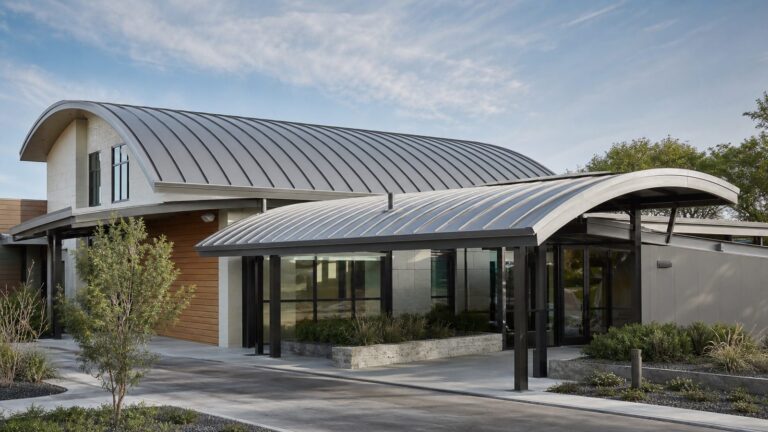
Roofing receives strong sun and heavy rain, so it can be a major path for heat gain and water entry. A good-looking roof covering alone does not resolve either issue: insulation, reflective layers, roof-space ventilation, condensation management and ceiling detailing all affect the result.
Australian Government guidance for Northern Australia describes reflective insulation systems below both tiled and sheet-metal roofs. In its example, a tiled roof should have sarking beneath the tiles as well as ceiling insulation; for sheet-metal roofing, it describes a foil blanket under the roof sheeting. It also says roof-space ventilation and removal of condensation should be considered. These are recommendations in an Australian context, not universal code instructions or a substitute for local design and approval.
The same Australian guidance says light-coloured roofs, also called “cool roofs,” can reflect up to 70% of summer heat. The figure is a claim about reflected heat in that source’s context; it does not mean indoor temperatures or cooling bills will fall by 70%. Roof colour is one part of the assembly and should be considered alongside insulation, ventilation, shading and local glare or planning requirements.
What’s actually slowing this PC down?
Pick the symptom - the matching free tool is one click away.
Compare roof assemblies, not just roof finishes
| Roof choice or layer | What the cited guidance establishes | What still needs project-specific review |
|---|---|---|
| Light-coloured roof covering | Australian Government guidance says light-coloured roofs can reflect up to 70% of summer heat. | Local product performance, glare, planning rules, roof insulation and the effect on indoor conditions. |
| Tiled roof with sarking | The Northern Australia guide describes sarking under tiles together with ceiling insulation. | Tile and sarking specifications, drainage, wind requirements, installation details and condensation management under local conditions. |
| Sheet-metal roof with foil blanket | The guide describes a foil blanket beneath sheet-metal roofing. | Product suitability, installation, ventilation, condensation control, fasteners and corrosion exposure. |
| Roof-space ventilation | The guide calls for roof-space ventilation and condensation removal to be considered. | The appropriate design and compliance pathway for the local roof geometry, weather, building code and operating strategy. |
Reflective foil roof insulation is one option to investigate when comparing roof assemblies. Ask the designer or supplier how the proposed layer works with the roof covering, ceiling insulation and ventilation plan, and whether its installation is appropriate for the local code and condensation conditions. A reflective layer should not be treated as a stand-alone guarantee against overheating or moisture problems.
When requesting a roof proposal, ask for the layers to be identified in order from outside to inside, including the roof covering, reflective or insulation layers, roof-space provisions and ceiling. Request product information and installation guidance for the specific proposed use, then have the project designer assess the combined assembly. A product description alone cannot settle whether a detail will drain, dry or manage condensation at a particular site.
Rank #2

- Ergonomically Designed: Work in tight areas with a compact design that gets into tough spots
- Compact and Lightweight: Both tools are designed to fit into difficult to reach spaces. The 1/4" impact driver has a length of 5.55 in. and weighs just 2.8 lbs, while the 1/2" drill/driver measures only 7.5 in. and weighs 3.6 lbs
- Both the DEWALT impact driver and electric drill driver feature integrated LED work lights with a convenient 20-second delay, ensuring enhanced visibility in dimly lit or challenging work areas
- One-Handed Loading - Keep one hand free with a 1/4 in. hex chuck that accepts 1 in. bit tips
- Power drill cordless with 1/2" single sleeve ratcheting chuck provides tight bit gripping strength, making bit changes faster and more secure
Should a tropical home use lightweight or heavy construction?
Thermal mass is the ability of a material or assembly to absorb and store heat, then release it later. Whether that is helpful depends on when heat arrives and when the building can cool. Heavy construction may suit some hot-dry climates with substantial day-to-night temperature variation, particularly when the design can keep stored heat from accumulating. In a hot-humid climate, heavy materials may absorb heat during the day and release it at night, when warm conditions can make cooling difficult.
FAO’s historical guidance on tropical timber housing distinguishes hot-humid from hot-dry climates and describes light-coloured, low-density enclosures as suitable for hot-humid conditions. YourHome offers a more recent, qualified comparison: it says low-mass construction, such as lightweight timber-framed construction, generally performs best where diurnal temperature ranges are consistently 6°C or less, including coastal, hot-humid and temperate climates. It cautions that high-mass construction in tropical climates with ranges of 7°C–8°C can overheat unless carefully designed, shaded and insulated.
Free tools Windows power users keep installed
One-click scans. No signup required.
These are climate-performance principles, not a rule to avoid concrete or choose timber in every tropical project. Structure may also need to address storm and fire requirements, acoustics, local practice, available skills and materials, and the chosen cooling strategy. A structural engineer and building designer should assess the actual site and assembly.
Use the daily temperature range as a decision point
| Climate pattern described in the sources | Material behavior to consider | Design implication |
|---|---|---|
| Consistent diurnal range of 6°C or less | YourHome says low-mass construction generally performs best in this range, including coastal and hot-humid climates. | Consider lightweight assemblies, while still checking rain, wind, fire, structure, insulation and durability requirements. |
| Tropical diurnal range of 7°C–8°C | YourHome warns that high-mass construction can overheat if not carefully designed, shaded and insulated. | Do not select high mass on the assumption that it will automatically keep rooms comfortable; model or otherwise assess the complete design. |
| Hot-dry climate with substantial day-night variation | FAO’s tropical timber housing guidance describes high thermal capacity as potentially suitable in some such climates. | Confirm that the design can limit daytime heat gain and release stored heat at a useful time for the occupants and operating strategy. |
The thresholds above are guidance, not a substitute for site-specific climate data or building-performance analysis. A project’s actual conditions and the way rooms are shaded, ventilated, insulated or cooled can change how an assembly performs.
Ask the designer to explain the reason for the selected mass level in terms of the local temperature pattern, shading and the way the home will be operated. “Concrete is cooler” and “lightweight is always better” are both too broad to guide a specification. The relevant comparison is how complete candidate assemblies respond to heat at this site, including the insulation and shading that accompany them.
Rank #3

- 【Great Compatibility】This Katerk 1/4 inch hex shank bit holder is specifically designed for 1/4 inch hex shank drill bits. It's compatible with most 1/4 fast hex handles, hex sockets, various electric screwdrivers, and handheld screwdrivers. The bit holder makes it a valuable addition for any handyman.
- 【Secure and Safe】Built with a secure backup nut design, each drill bit holder securely locks onto your bits, ensuring they stay firmly in place. Additionally, our bit holder incorporates a high-quality steel ball rolling design that holds up to several kilograms of weight, ensuring your various drill bits don't fall off.
- 【Easy One-Handed Operation】The bit holder for impact driver allows you to change bits single-handedly, simplifying your workflow. Its multi-color design further allows for quick identification of the drill bit you need.
- 【Compact and Convenient】Thanks to its compact size, this 1/4 inch bit holder is easy to carry around. The bit holder allows for easy attachment to various tools, making this a convenient addition to your construction accessories. The Katerk bit holder is cast from high-quality alloy material, promising a long product lifespan. Despite its rugged strength, the bit holder remains lightweight, making it portable.
- 【Cool Christmas Gift For Men Stocking Stuffers】 This screwdriver bit holder, driver bit holder, impact bit holder, can be given as a gift to your loved one, especially for anyone involved in construction or electrical work. It's a must-have for stocking stuffers for men and women, tools gifts for dad, tech gadgets for men, gifts for dad, gifts for him, gifts for husband, gifts for boyfriend, cool gadgets for men, and cool gifts for dad.
How should walls and structure be selected?
For each wall or structural option, compare the whole build-up: structure, sheathing or masonry, insulation, air and water control layers, cladding, interior finish, joints and openings. A material that performs well in one layer may create a problem if the assembly traps moisture, cannot drain or is difficult to repair.
In humid conditions, assess how the assembly handles wetting and drying, not just whether a product is described as water-resistant. CIBSE identifies humidity and condensation as potential contributors to mould growth, timber rot, corrosion and reduced insulation effectiveness. James Cook University’s tropical-design criteria call for products and specifications that minimize corrosion and deterioration, and for insulation selection and installation that avoid condensation and moisture traps.
Questions to ask about each proposed assembly
- Where can rainwater enter, and how does the assembly drain it away?
- Can the materials dry after getting wet, and in which direction or directions?
- Could indoor or outdoor humidity lead to condensation within the build-up?
- Are metal components, fixings and exposed edges appropriate for the site’s corrosion exposure?
- What maintenance is needed, how often, and can it be carried out safely?
- If a component fails, can it be repaired or replaced with materials available locally?
Do not assume a material is mould-proof, rot-proof or corrosion-proof just because it is commonly used in tropical buildings. Performance depends on the product, exposure, detailing, installation and maintenance; obtain relevant product information and have the designer review the assembly.
These checks apply to both visible and concealed components. A finish may look sound while a less visible layer or connection is exposed to moisture or corrosion. Ask which components need inspection, what signs of deterioration should prompt attention, and whether the maintenance instructions are practical for the owner. If an assembly relies on a particular installation detail to avoid a moisture trap, that detail should be clear in the project documents and understood by the installer.
How should you compare durability, sourcing and cost?
Initial price alone can hide the costs of frequent maintenance, difficult replacement or premature deterioration. James Cook University identifies life-cycle cost, embodied energy and carbon, durability, maintenance, sustainably sourced timber and recycled-content materials as relevant tropical built-environment considerations. Those criteria support a practical comparison, but they do not establish that any particular product is certified, sustainably sourced or right for a specific project.
Do these 3 things before closing this tab:
1Clear out junk files and repair common Windows errors2Fix the driver behind crashes, sound loss and screen glitches3Repair Windows errors before they cause bigger problemsRank #4

- Long Nib and Deep Hole Marker: Our mechanical carpenter pencil with 45mm nib is designed for easy marking of deep holes or narrow areas. These construction pencils are the great choice for woodworking tools, construction tools, carpenter tools, contractor tools, wood carpentry tools and architect tools
- Extra Refills in 2 Colors for Versatile Marking: The construction mechanical pencil comes with 12 extra 2.8mm refills, including 6 red and 6 black refills. The black refill is suitable for light surfaces, while the red wax is perfect for dark surfaces. Our carpenter mechanical pencil makes sure that you'll have an ample supply for extended use
- Built-in Sharpener: Our construction pencil comes with a built-in sharpener to ensure the mechanical pencil tip is always sharp and ready for use. Never buy an extra pencil sharpener again. A great tool for any woodworker pencil, contractor pencils. The refill can easily be extended or retracted with a simple click of the pencils mechanical, allowing you to work more efficiently and accurately
- Portable Clip Design: Our deep hole construction pencil features a portable clip design, easy to carry and attach to your pocket or tool box, so that you can keep the carpenter pencils mechanical close at hand, making it a convenient tool to have on the go. Great gifts choice for carpenters
- Stronger Pencil Lead: The black refills are made of lead, sturdy and smooth. The red refills are made of wax, clear and light. These marking pencils are much thicker and stronger than normal pencils during the marking process of construction work, suitable for various surfaces, such as glasses, metal, boards, floors, walls, furniture, etc. The written marks can be easily wiped with a wet paper towel when needed
Ask suppliers for documented material origin, relevant performance information and maintenance instructions. Check whether the product is actually available in the project region, whether replacement parts can be obtained, and whether local contractors have experience installing it. Where claims about sourcing or recycled content matter to the project, request evidence rather than relying on a label or verbal assurance.
There is no single cost figure that determines the better option. Compare the same scope for each alternative: the material, the layers and accessories needed to make the assembly work, installation, expected upkeep and likely replacement needs. Ask whether the quoted price is for product only or for an installed system, and clarify what is included before weighing proposals. The project team can then compare first cost with the maintenance and life-cycle considerations relevant to the owner.
Use one shortlist for every option
| Comparison axis | What to verify |
|---|---|
| Heat gain and storage | How the full roof, wall or floor assembly responds to sun and the site’s daily temperature range. |
| Rain and drying | Rain shedding, drainage, drying potential and condensation behavior. |
| Exposure durability | Relevance of corrosion, rot, mould and insect exposure to the particular location. |
| Maintenance and replacement | Required upkeep, expected repair approach and access to replacement materials. |
| Embodied impacts and sourcing | Documented origin, relevant embodied-impact information and verified sourcing claims. |
| Project feasibility | Local availability, installed cost, contractor capability and code compliance. |
Compare options using the same questions and on an installed-assembly basis. A low purchase price is not a meaningful advantage if installation details, maintenance or replacement are unclear. Likewise, an attractive material with a compelling sustainability claim is not a sound selection until its sourcing and project suitability are verified.
Keep the supporting documents with the shortlist: supplier data, origin or recycled-content evidence where applicable, installation and maintenance instructions, and the design team’s notes on suitability. This makes it easier to revisit the choice if a product becomes unavailable or a contractor proposes a substitute. A replacement should be checked against the same performance, exposure and code requirements rather than accepted solely because it looks similar.
Recommended Free Tools
A practical material-selection process
- Define the site and operation. Record climate subtype, daily temperature range, rainfall, prevailing winds, sun exposure, shade, salt exposure and whether the home will be naturally ventilated, intermittently cooled or air-conditioned.
- Set the constraints. Confirm the applicable building code, structural and fire requirements, planning restrictions, budget basis and locally available construction skills with the project team.
- Shortlist complete assemblies. For the roof and each major wall or floor type, document every layer and interface rather than listing only the visible finish or structural material.
- Check heat behavior. Compare roof heat control and insulation, and assess whether a low- or high-mass approach suits the site’s daily temperature pattern and cooling strategy.
- Check moisture and exposure. Ask how each assembly sheds water, drains, dries and avoids condensation; check corrosion, rot, mould and insect risks relevant to the site.
- Compare maintenance, sourcing and installed cost. Obtain product documentation, maintenance guidance, local availability, replacement information and evidence for any sourcing or recycled-content claims.
- Have the design team verify the selection. Require project-specific review of code compliance, structural design, condensation risk and installation details before materials are specified or purchased.
At the end of this process, the shortlist should make the trade-offs visible rather than hiding them in a broad label such as “tropical material.” For each candidate, record what it contributes, the conditions it must withstand, the supporting documentation, unresolved questions and who will confirm the final detail. If a key item—such as condensation behavior, local approval or replacement availability—remains unresolved, treat that as a design question to answer before procurement.
Best Value

- Milwaukee Ink all Fine Point Marker, Black, 4 Per Pack
- 4 per pack Features Clog Resistant Marker Tip Writes through Dusty, Wet and Oily Surfaces Durable Marker Tip for Writing on Concrete, OSB and Rough Surfaces
- Clog resistant tip writes on dusty, wet and oily surfaces and is optimized for rough surfaces such as OSB, cinderblock and concrete
- Hard hat clip- attaches for easy access
- Quick dry time with reduced smearing and marking
Common selection mistakes to avoid
- Choosing by appearance alone: A material palette cannot establish that the roof or wall assembly will manage heat and moisture well.
- Assuming heavy means cool: Thermal mass can store daytime heat and release it later; its value depends on climate, shading, insulation and the building’s ability to cool.
- Assuming lightweight means low-maintenance: Lightweight assemblies still need sound water management, durable components, appropriate installation and a realistic maintenance plan.
- Treating reflective insulation as the whole roof strategy: The cited Australian guidance also addresses other insulation, ventilation and condensation considerations.
- Calling a product “tropical-proof” without evidence: Ask for data relevant to the actual exposure and for a review of the proposed assembly.
- Using a generic detail without local review: Climate examples and regulatory guidance are not universal; code and site-specific engineering remain essential.
- Assuming a sustainability claim answers the durability question: Sourcing and embodied-impact considerations matter, but they do not by themselves prove that an assembly will suit local weather or be easy to maintain.
- Comparing quotes with different scopes: A product-only price and a complete installed assembly are not directly comparable. Confirm the included layers, installation and related work.
Frequently Asked Questions
What materials are best for a tropical climate?
There is no single best tropical palette. Choose by climate subtype, daily temperature range, rain and wind exposure, salt exposure, operating strategy and local code. Compare complete roof and wall assemblies for heat gain and storage, drainage and drying, condensation risk, durability, maintenance, sourcing, availability and installed cost.
Is concrete a good choice for a hot, humid home?
It can be used where structural and project requirements support it, but high thermal mass is not automatically an advantage in hot-humid conditions. Heavy materials may absorb heat by day and release it at night. YourHome cautions that high-mass construction in tropical climates with 7°C–8°C daily temperature ranges can overheat unless carefully designed, shaded and insulated. Assess the site and complete assembly rather than deciding by material name.
How do I stop moisture and mould damaging building materials?
Have the designer check how each assembly sheds rain, drains, dries and manages condensation. CIBSE identifies humidity and condensation as potential contributors to mould, timber rot, corrosion and reduced insulation effectiveness. James Cook University’s tropical-design criteria call for insulation choices and installation that avoid condensation and moisture traps. Product choice, detailing, installation and maintenance all matter.
What roof insulation works in a tropical home?
The Australian Government’s Northern Australia guidance describes sarking beneath tiled roofing together with ceiling insulation, and a foil blanket beneath sheet-metal roofing. It also says to consider roof-space ventilation and condensation removal. These are Australian-context examples, not universal instructions; confirm the appropriate layers and installation with the local designer and code requirements.
Do light-coloured roofs make a home cooler?
Australian Government guidance says light-coloured roofs can reflect up to 70% of summer heat. That figure describes reflected heat in the source’s context; it does not promise an equivalent reduction in indoor temperature or cooling costs. Roof colour should be considered alongside insulation, ventilation, shading and any local glare or planning requirements.
Should I choose timber or concrete for a tropical modern house?
Neither choice is universally right. The comparison depends on daily temperature patterns, heat storage, rain and moisture management, structural and fire requirements, acoustics, local availability, contractor capability and whether the home is naturally ventilated or cooled. Compare the full assemblies and verify the final selection for the project site.
The Bottom Line
Choose materials as coordinated roof, wall and structural assemblies, not as a preset tropical palette. Prioritize roof heat and rain control, then check whether mass suits the site’s daily temperature range and whether every layer can manage moisture, dry and be maintained. Compare documented durability, sourcing, availability and installed cost, and have local professionals confirm code compliance and site-specific details before specification.
Quick Recap
Product prices and availability are accurate as of the date/time indicated and are subject to change. Any price and availability information displayed on Amazon at the time of purchase will apply.