Quick wins for a faster PC:
Fix the driver behind crashes, sound loss and screen glitchesFind Drivers →Clear out junk files and repair common Windows errorsFree Scan →Scan for outdated or missing drivers - takes under a minuteDriver Scan →A well-stocked home is not about owning every gadget in the hardware aisle. It is about having the right safety equipment, shutoff tools, repair basics, emergency supplies, and records in place before water is running across the floor or the power is out at 2 a.m.
On our job sites, the homes that handle surprises best usually have the same pattern: labeled shutoffs, working alarms, accessible extinguishers, basic tools, spare filters, clean records, and a realistic emergency kit. This checklist gives you 113 essential items every home should have, organized by function instead of random shopping categories.
If you are starting from scratch in 2026, expect a practical baseline to cost about $700 to $2,500 before major equipment. A code-conscious, storm-ready, tool-complete setup can reach $3,000 to $8,000 or more depending on house size, climate, smart devices, and whether licensed electrical, plumbing, gas, or structural work is needed.
The First 20 Items to Buy Before Anything Else
If you just moved in, start here. These are the day-one items that protect life, limit property damage, or let you respond during the first hour of a problem.
Recommended Free Tools
#1 Best Overall

- [7400mWh (2000mAh) POWER BANK WILL KEEP DEVICES POWERED] The FosPower FOSPWB-2376 emergency radio incorporates a 7400mWh (2000mAh) power bank capable of providing emergency power to any small tablet or phone.
- [3 POWER SOURCES POWER WHEN YOU NEED IT] Use the emergency weather radio's 3 power sources when you need a boost of power or need to recharge the radio. The radio's crank lever and solar panel are both capable of regenerating enough power to keep the radio, lights, and SOS alarm ready to go when you need it most. AAA Batteries ensure you have power when not able to regenerate power.
- [2 LIGHT SOURCES ALWAYS POWERED] The emergency crank radio can also provide light. The 4 LED reading light and 1W flashlight provides enough output to keep you and your loved ones out of the dark in an emergency situation.
- [NOAA EMERGENCY WEATHER BROADCAST ACCESS] The radio will dependably receive up to the second emergency weather forecasts and emergency news broadcasts from NOAA and AM/FM stations.
- [LIMITED LIFETIME WARRANTY] Includes a Limited Lifetime Warranty. Please visit FosPower's website for more information.
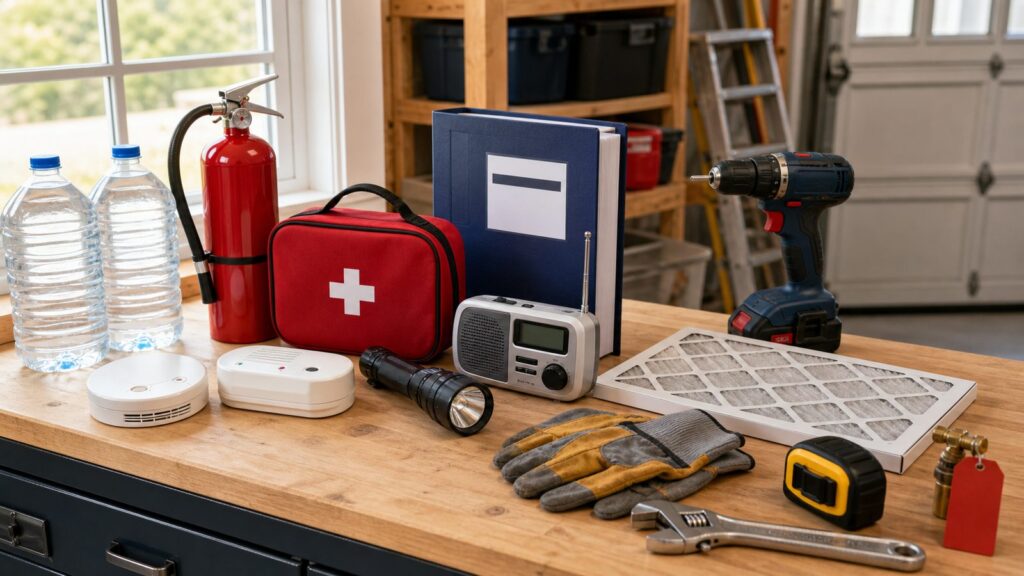
- Smoke alarms: Install on every level, inside each bedroom, and outside sleeping areas. Hardware usually runs $10 to $80 per unit.
- Carbon monoxide alarms: Critical for homes with fuel-burning appliances, fireplaces, attached garages, or generators. Budget $20 to $100 or more per unit.
- ABC fire extinguishers: Keep at least one near the kitchen, one near the garage or workshop, and one on each floor as practical. Common home units run $25 to $75.
- First aid kit: A household kit costs roughly $15 to $75; larger family and trauma-ready kits can run $100 to $250 or more.
- Flashlights: Own at least two full-size lights and one compact light per bedroom.
- Fresh batteries: Store AA, AAA, 9V, C, and D batteries only if your devices use them. Check dates twice a year.
- Phone power bank: Choose at least 10,000 mAh for basic use or 20,000 mAh for multi-device households.
- NOAA/weather radio: Basic units commonly run $18 to $50; crank, solar, USB, and SOS features cost more.
- Emergency water: Store 1 gallon per person per day. Aim for at least 3 days for evacuation and up to 2 weeks at home where storage allows.
- Emergency food: Keep a 3-day minimum supply of shelf-stable food per person.
- Manual can opener: Small, cheap, and useless to discover missing during an outage.
- Main water shutoff tag: Label the valve clearly and make sure every adult knows where it is.
- Gas shutoff wrench: Store near the meter where appropriate, and follow your utility’s guidance before shutting gas off.
- Electrical panel directory: Label every breaker in plain English: “primary bedroom outlets,” not “bed.”
- Plunger: Keep one toilet plunger per bathroom, not one hidden in a far garage.
- Adjustable wrench: A 10-inch wrench covers many common shutoff and repair tasks.
- Screwdriver set: Include Phillips, slotted, and square-drive bits if your home uses them.
- Work gloves and safety glasses: Use them for cleanup, broken glass, yard work, and repairs.
- Escape ladder: Needed where bedrooms are above grade and windows are part of the escape plan.
- Home document folder: Keep insurance, warranties, permits, appliance manuals, and utility photos in one binder and in cloud storage.
Cost Snapshot: What a Ready Home Usually Costs
The right budget depends on what your house already has. Newer homes may already include interconnected alarms, GFCI protection, labeled panels, and modern shutoffs. Older homes often need more catch-up work.
| Category | Typical 2026 Cost | Best Place to Spend More |
|---|---|---|
| Basic emergency kit for a family | $100-$350 DIY; prebuilt 4-person 3-day kits often start around $140 before water, medication, pet supplies, and documents | Water storage, weather radio, power banks, medications, climate add-ons |
| Smoke and CO alarms | Smoke alarms $10-$80 each; CO alarms $20-$100+ each | Interconnected alarms, sealed batteries, smart alerts, hardwired replacements |
| Professional smoke alarm installation | Often $110-$400 per unit, with simpler work commonly $70-$150 | Hardwired alarms, high ceilings, finished-wall wiring, code-triggered upgrades |
| Fire extinguishers | $25-$75 for common home ABC units | Rechargeable units, garage/shop size, kitchen-rated models |
| Basic homeowner tools | $150-$500 for a practical hand-tool setup | Ladders, electrical testers, drill platform, wrenches, quality bits |
| Cordless drill/driver and bits | $80-$300+ | Battery platform, brushless motor, second battery, quality drill bits |
| GFCI outlet installation | Common national range $130-$350 per outlet; average around $210 | Wet areas, exterior boxes, older wiring, permit-required changes |
| Annual maintenance reserve | Common guidance is 1%-4% of home value per year; a $364,000 home implies about $3,640-$14,560 annually | Roof, HVAC, drainage, plumbing, electrical, exterior envelope |
Do not chase the cheapest option where failure is expensive. Ladders, alarms, extinguishers, electrical testers, hoses, and shutoff valves are places to buy durable, listed, well-reviewed equipment.
Fire, Carbon Monoxide, and Egress Essentials
Fire safety is the first category because it gives you minutes, not days. Good equipment only works when it is installed correctly, maintained, and visible.
- Smoke alarms on every level: Include basements and finished attics.
- Smoke alarms inside bedrooms: This is especially important when bedroom doors are closed at night.
- Smoke alarms outside sleeping areas: Hallway placement matters.
- CO alarms outside sleeping areas: Install where occupants can hear them while asleep.
- CO alarms on occupiable levels: Many newer and permitted projects require broader coverage and interconnection.
- Matching alarm models for wireless interconnect: Use compatible units from the same system to avoid unreliable communication.
- ABC extinguisher near kitchen exit: Do not store it directly behind the stove where fire blocks access.
- Garage or workshop extinguisher: Choose a size suitable for fuel, tools, chargers, and stored materials.
- Bedroom escape ladder: Use listed ladders sized for the sill height, often 13 feet for a second story and 25 feet for a third story.
- Fire escape plan: Mark two ways out of sleeping rooms where possible and pick an outdoor meeting point.
- Fire-resistant document pouch: Store passports, deeds, insurance papers, and titles.
- Stove and dryer clearance awareness: Keep combustibles away from heat sources and clean lint paths regularly.
During renovation, protect alarms from construction dust but do not leave the home without detection. Temporary egress matters too: do not block bedroom windows, stairs, or exterior doors with materials. Electrical changes, added bedrooms, finished basements, and permitted remodels can trigger smoke, CO, GFCI, or AFCI updates. Ask the inspector early so you are not redesigning work at final inspection.
Emergency Food, Water, Power, and Communication
A useful emergency kit is built around the people in the house, not a generic plastic tub. Plan for at least 72 hours of evacuation supplies and, where space allows, up to 2 weeks of home supplies.
- Drinking water: Store 1 gallon per person per day. A family of four needs 12 gallons for 3 days and 56 gallons for 2 weeks.
- Shelf-stable food: Choose food your household will actually eat and rotate it before expiration.
- Manual can opener: Keep a second one inside the emergency bin.
- Battery or crank weather radio: NOAA/weather-band access is valuable when cell service is poor.
- Flashlights: Store one near beds, one near the main panel, and one near the emergency kit.
- Headlamps: Better than flashlights when shutting off water or carrying supplies.
- Lantern: Use battery or rechargeable lanterns; avoid open flames during gas or storm events.
- Power banks: Keep one charged per adult if possible.
- Spare charging cables: Include USB-C, Lightning where needed, and wall adapters.
- Battery organizer: Store batteries cool and dry, not in a hot attic.
- Whistle: Useful for signaling if trapped or separated.
- Local paper map: Cell navigation can fail.
- Cash: Keep small bills for outages when card systems are down.
- Pet food and supplies: Plan 3 to 7 days minimum.
- Infant, medical, or mobility supplies: Include formula, incontinence items, backup hearing aid batteries, eyeglasses, and mobility-device chargers.
Store heavy water and food low, preferably on basement or garage shelving rated for the load. Avoid attic heat for food, batteries, and medications. Label every bin with a month and year, then review it twice a year.
First Aid, Hygiene, and Sanitation
First aid supplies should handle ordinary injuries, minor burns, storm cleanup, and a short stretch without normal utilities. For serious bleeding, breathing issues, chest pain, head injury, suspected poisoning, or major burns, call emergency services.
- Household first aid kit: Include bandages, gauze, tape, antiseptic wipes, tweezers, scissors, and gloves.
- Burn dressings: Useful in kitchens, garages, and workshops.
- Elastic wraps: Keep 2-inch and 4-inch sizes for sprains.
- Digital thermometer: Replace batteries before they corrode.
- Medication list: Include dosage, pharmacy, doctor, allergies, and emergency contacts.
- 7-day medication buffer: Discuss refills with your doctor and insurer.
- Nitrile gloves: Use for first aid, cleanup, sewage exposure, and chemical handling.
- N95 or better masks: Useful for smoke, dust, insulation, and cleanup work.
- Hand sanitizer: Store small bottles in kits and vehicles.
- Disinfecting wipes or concentrate: Follow label dwell times; many products need several minutes wet to disinfect.
- Trash bags: Contractor bags handle wet debris better than kitchen bags.
- Toilet paper and hygiene products: Keep at least a 2-week reserve.
- Bucket with lid: Useful for cleanup, leaks, or emergency sanitation.
Utility Control and Leak Response
Most major home damage starts small: a supply line bursts, a hose bib freezes, a toilet overflows, or a water heater leaks. The difference between a mop job and a claim is often the first 10 minutes.
- Main water shutoff label: Use a bright tag and photograph the valve.
- Water meter key: Needed in many areas if the curb stop is the only reliable shutoff.
- Gas shutoff wrench: Keep visible near the gas meter if your utility recommends homeowner access.
- Electrical panel labels: Test and update labels after renovations.
- Non-contact voltage tester: Good for basic screening, but verify limitations and use a proper meter when needed.
- GFCI tester: Test kitchen, bath, garage, laundry, basement, and exterior receptacles monthly or quarterly.
- Leak sensors: Place under sinks, behind toilets, near water heaters, under washers, and near sump pits.
- Water heater drain pan and drain path: Especially important above finished areas.
- Washing machine braided supply hoses: Replace old rubber hoses before they fail.
- Plunger for each bathroom: Use a flange plunger for toilets.
- Sink plunger: Keep separate from toilet plungers.
- Small drain snake: Good for hair clogs near the fixture, not for main sewer problems.
- Pipe repair clamp or tape: Temporary only, but useful until a plumber arrives.
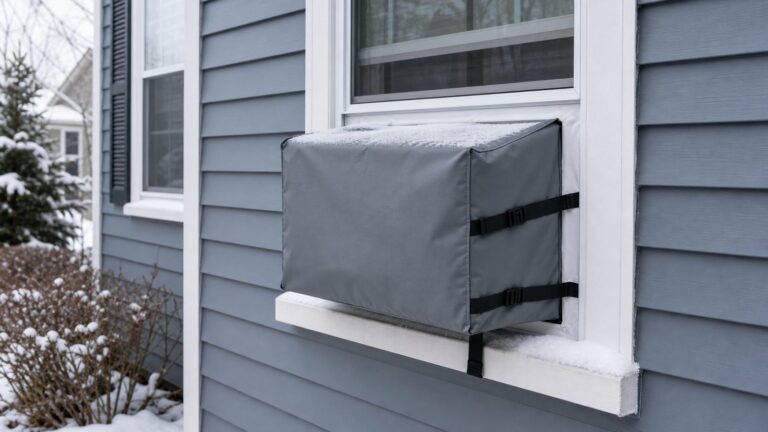
- Hose bib covers: Use before freezing weather.
- Sump pump backup plan: Battery backup, water-powered backup where suitable, or generator support.
Hire a licensed professional for new circuits, panel work, gas piping, major plumbing alterations, concealed-wall repairs, structural cuts, and anything requiring a permit. DIY is reasonable for labeling shutoffs, replacing accessible washer hoses, installing battery leak sensors, testing GFCIs, and learning how your existing valves operate.
Rank #2

- Simple, Fast Activation:Take control with an easy-to-use design—just press, aim, and spray. Each extinguisher Emergency Survival Kits includes two sturdy mounting brackets for quick access in kitchens, cars, and other essential spots.
- Versatile 8-in-1 Fire Protection:Effectively tackles a variety of fires: wood, cooking oils, gasoline, and lithium-ion battery fires in devices like phones and laptops. A protective barrier helps prevent reignition for added security.
- Eco-Friendly and Non-Toxic Formula:The non-toxic, water-based formula is safe for users and the environment. It leaves no residue, making cleanup fast and mess-free—perfect for homes, vehicles, or offices.
- Compact and Portable:Lightweight and easy to store, this extinguisher fits into small spaces like kitchen drawers, glove compartments, or boat lockers, ensuring you’re prepared for emergencies anytime.
- Reliable 6-Year Warranty :Enjoy peace of mind with a six-year warranty. Whether it’s support, replacement, or guidance, the customer service team is ready to assist, keeping you safe and covered.
HVAC, Air Quality, and Comfort Resilience
Comfort items become safety items during extreme heat, wildfire smoke, deep freezes, and long outages. Keep the basics on hand before the weather changes.
- Spare HVAC filters: Store at least two. Label the system with the exact size, such as 16x25x1 or 20x20x4.
- Filter change log: Replace every 1 to 3 months for common 1-inch filters, or per manufacturer guidance.
- Portable air purifier: Choose one sized for the room where people sleep during smoke or dust events.
- Box fan and properly fitted filter setup: Use only when assembled safely and monitored.
- Humidity gauge: Aim for roughly 30% to 50% indoor relative humidity in many homes.
- Dehumidifier: Useful for basements and damp spaces.
- Portable fan: Heat resilience without overloading circuits.
- Space heater with tip-over protection: Use only with clearance and never on extension cords.
- Pipe insulation: Protect vulnerable water lines in crawlspaces, garages, and exterior walls.
- Weatherstripping: Keep door and window drafts under control.
Cleaning, Pest Prevention, and Daily Maintenance
A clean, dry home is easier to inspect and cheaper to maintain. These items also help after small leaks, pests, smoke, or construction dust.
- Wet/dry vacuum: A 5- to 12-gallon unit is enough for most homeowners.
- Microfiber cloths: Keep separate sets for kitchens, baths, glass, and rough cleanup.
- Mop and bucket: Choose washable heads.
- Broom and dustpan: Keep one near the garage or utility room.
- HEPA vacuum or HEPA bags: Helpful for fine dust and allergies.
- Caulk gun: For sealing gaps, trim, tubs, and exterior joints with the correct sealant.
- Silicone and paintable acrylic caulk: Use silicone for wet areas and acrylic latex for paintable trim gaps.
- Pest-proof storage bins: Use latching bins for garage, basement, and pantry storage.
- Steel wool and sealant: Close small pest entry points where appropriate.
- Dryer vent brush: Clean the vent path at least annually, more often for long runs or heavy use.
Tools Every Homeowner Should Own
A first homeowner tool kit does not need to be large. It needs to be dependable, organized, and easy to find. Budget $150 to $500 for a useful hand-tool setup, then add power tools as projects justify them.
Outdated Drivers Are Slowing You Down
One free scan finds every outdated or missing driver and matches the right update for your exact hardware.Free scan · exact hardware matchPC Slower Than It Used to Be?
A free scan shows the junk files, broken settings and background clutter dragging Windows down - then fixes them in one click.Free scan · Windows 10 & 11- Hammer: A 16-ounce curved-claw hammer works for most homes.
- Screwdriver set: Include Phillips, slotted, Torx, and square-drive bits if your home uses modern deck or cabinet screws.
- Pliers set: Needle-nose, slip-joint, and locking pliers cover most small repairs.
- Adjustable wrench: A 10-inch wrench is a good first size.
- Tape measure: Use a 25-foot tape with clear markings.
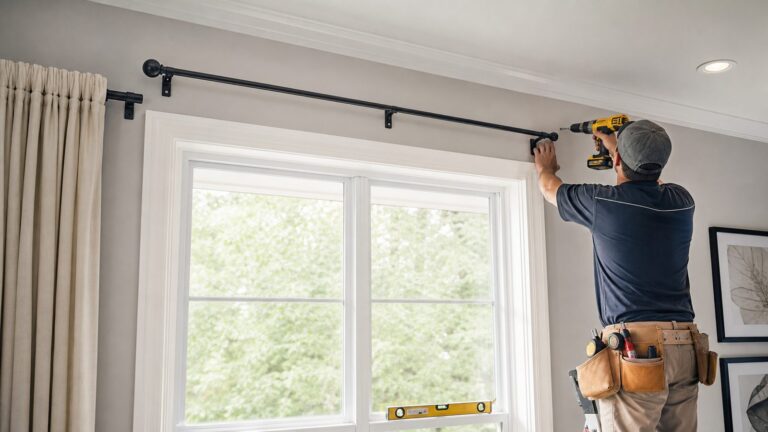
- Level: A 24-inch level is more useful than a tiny torpedo level for shelves and trim.
- Utility knife and blades: Store blades safely and replace dull ones.
- Stud finder: Buy one that detects wood, metal, and live wiring when possible.
- Hex key set: Metric and SAE sizes are both common in furniture and fixtures.
- Socket set: A basic SAE/metric set handles furniture, fixtures, and equipment panels.
- Clamps: Two 6-inch and two 12-inch clamps are useful for repairs and glue-ups.
- Hardware organizer: Keep screws, anchors, washers, wire nuts, and picture hangers sorted.
- Cordless drill/driver: Expect $80 to $300 or more depending on battery platform and quality.
- Drill and driver bit set: Buy better bits than the cheapest multipack.
- Ladder: Choose a rated ladder tall enough for gutters, ceiling fixtures, and attic access. Follow duty ratings and never stand on the top cap.
Exterior, Weather, and Regional Add-Ons
The last group depends on climate and site conditions. A coastal home, mountain home, rural home, and city rowhouse do not need the same kit.
- Garden hose with quality nozzle: Cheap hoses kink, split, and leak at the worst time.
- Gutter scoop or cleaning tool: Clear gutters before storm seasons and leaf drop.
- Snow shovel, ice melt, or storm supplies for your region: Match the kit to real local hazards.
Add a hurricane kit if you live in a wind or coastal zone: plywood or rated shutters, fasteners, tarps, roof patch materials, fuel planning, and waterproof document storage. Add a wildfire kit in fire-prone areas: N95 masks, clean-air room supplies, ember-resistant maintenance, metal gutter cleanup tools, and defensible-space gear. Add a winter freeze kit for cold regions: pipe insulation, hose bib covers, safe heat backup, snow tools, and ice melt compatible with your surfaces. Add a flood or sump kit for wet basements: pump backup, water alarms, raised storage, wet/dry vacuum, and clear discharge routes. Rural homes should plan for wells, septic systems, propane, long driveways, and delayed service calls.
Documents, Labels, and Records That Save Time
This category does not look like hardware, but it prevents expensive confusion. Photograph the main water shutoff, gas meter, electrical panel, HVAC filter size, appliance model tags, roof condition, attic, crawlspace, and each room for insurance records. Store copies in a binder and in cloud storage.
Your home binder should include the deed or closing documents, insurance declarations, permits, inspection reports, appliance manuals, paint colors, flooring names, cabinet finishes, contractor invoices, warranties, maintenance logs, and emergency contacts. Update it after every project. If you remodel, keep stamped drawings, inspection approvals, product specs, and finish schedules. Those records help future repairs and future resale.
Free tools Windows power users keep installed
One-click scans. No signup required.
Twice-a-Year Home Safety Audit
Put this on the calendar every spring and fall. It takes 2 to 4 hours for most homes and usually prevents more trouble than it creates.
- Test smoke alarms and CO alarms; replace units at the end of their rated life, often 10 years.
- Check extinguisher gauges and access paths.
- Replace expired food, water, batteries, medications, and first aid supplies.
- Clean the dryer vent path and inspect exterior vent flaps.
- Test GFCI receptacles and reset them properly.
- Review escape routes from bedrooms and make sure windows open.
- Photograph rooms, valuables, mechanical equipment, and utility shutoffs.
- Change HVAC filters and confirm the replacement size.
- Check hoses, visible plumbing, water heater pan, sump pit, and leak sensors.
- Walk the exterior for clogged gutters, poor grading, damaged caulk, loose railings, and trip hazards.
When to DIY and When to Hire a Pro
Homeowners can handle plenty: assembling emergency kits, labeling shutoffs, testing alarms, replacing batteries, changing filters, organizing documents, installing battery-operated leak sensors, cleaning vents, tightening loose hardware, and learning breaker locations.
Rank #3

- [Preparedness for the Unknown]: While no one can predict when or how severe a disaster or unexpected event will be, our 262pcs survival kit helps your family stay prepared during the critical first 72 hours. Designed for family use, it was developed in collaboration with survival experts, outdoor professionals, special forces operators, and mountain guides. Whether you're preparing for earthquakes, tornadoes, wildfires, or hurricanes, our survival kit provides peace of mind.
- [Comprehensive Emergency Supply Kit]: The included emergency supplies are stored in a bright red pouch, containing tweezers, scissors and pins, non-woven pad, triangular cotton cloth, cotton swabs, cotton balls, a generous supply of adhesive strips etc., meeting your general emergency and outdoor needs. It also includes an emergency information card to record your basic information, helping others quickly access important information when needed.
- [Safety Companion for Journey]: Our emergency kit includes many survival gear and supplies to ensure access to food, water, warmth, and light in a crisis. The fishing kit and multi-usage spoon help you catch and prepare food, while the collapsible water container bag helps store water. Fire starter and stick make it easy to build a fire. A flashlight, camping lamp, and glow sticks provide up to 72 hours of lighting, crucial for signaling for help and safe navigation.
- [Essential Survival Gear]: Additionally, this survival kit includes a detachable multifunctional axe with hammer and a 2-in-1 shovel with pick, made of sturdy carbon steel. Combined with wire saw, emergency tent and blanket, rope, and compass, you can quickly set up an emergency shelter while helping retain warmth. Unlike other mini axes, our axe and shovel are 17 inches long, providing effective protection in the wild against animals or in other emergencies.
- [Convenient Packaging]: The survival gear and supplies are packed in a crossbody bag, making it easy to carry and access in emergencies. The bag features multiple compartments and molle compatible straps and D-rings, allowing you to attach extra pouches or survival tools. The crossbody strap is also detachable, making it easy to connect to a tactical survival backpack using carabiners or the molle system.
Bring in a licensed professional when the work touches concealed electrical wiring, service panels, gas lines, structural framing, roof penetrations, sewer mains, major plumbing changes, or permit-required remodeling. GFCI installation, for example, can be simple when replacing a like-for-like device in a modern box, but it can become professional work when grounding, exterior weather-resistant boxes, multi-wire branch circuits, panel distance, or finished-wall repairs are involved. Current national pricing commonly falls around $130 to $350 per outlet, with an average near $210.
During construction or remodeling, ask your contractor to walk you through shutoffs, panel labels, alarm locations, GFCI/AFCI protection, attic access, cleanouts, sump discharge, filter sizes, and warranty documents before the final payment. That 30-minute walkthrough is one of the highest-value parts of a well-run project.
The Tool Desk
Outbyte PC Repair FREERepair Windows errors before they cause bigger problemsFix Now →Outbyte Driver Updater FREEScan for outdated or missing drivers - takes under a minuteDriver Scan →The Bottom Line
The best home essentials list is not a shopping spree. It is a readiness system: protect people first, stop water and fire quickly, keep communication and light available, maintain clean air, own enough tools for basic repairs, and keep records organized.
Start with the first 20 items, then build the rest by category. For most households, the practical path is one weekend for safety and shutoffs, one weekend for emergency supplies, one weekend for tools and cleaning, then a twice-a-year audit. That is how a house becomes easier to live in, easier to maintain, and much less vulnerable when something goes wrong.
Frequently Asked Questions
What are the first 20 essential items every home should have?
Start with smoke alarms, carbon monoxide alarms, ABC fire extinguishers, a first aid kit, flashlights, batteries, a phone power bank, NOAA/weather radio, emergency water, emergency food, manual can opener, main water shutoff tag, gas shutoff wrench where appropriate, electrical panel directory, plungers, adjustable wrench, screwdriver set, work gloves, safety glasses, and escape ladders for above-grade bedrooms.
How much does it cost to stock a home with basic essentials in 2026?
A practical baseline usually costs about $700 to $2,500 before major equipment. A more complete, storm-ready, code-conscious setup can reach $3,000 to $8,000 or more depending on house size, climate risks, tool quality, smart devices, and whether licensed work is required.
How many smoke alarms and carbon monoxide alarms does a house need?
Smoke alarms should be installed on every level, inside sleeping rooms, and outside sleeping areas. CO alarms are especially important near sleeping areas and on occupiable levels in homes with fuel-burning appliances, fireplaces, attached garages, or generators. Newer or permitted projects may require interconnected alarms.
What should be in a 3-day emergency kit for a family?
Plan for 1 gallon of water per person per day, shelf-stable food, a manual can opener, first aid supplies, medications, flashlights, batteries, NOAA/weather radio, power banks, charging cables, hygiene supplies, cash, copies of key documents, pet supplies, and climate-specific gear.
What tools should a first-time homeowner buy first?
Buy a hammer, screwdriver set, pliers, adjustable wrench, 25-foot tape measure, 24-inch level, utility knife, stud finder, hex keys, socket set, clamps, safety glasses, gloves, hardware organizer, and a cordless drill/driver with quality bits. A useful starter hand-tool kit typically costs $150 to $500.
Which home essentials require a licensed professional or permit?
Hire a licensed professional for panel work, new circuits, gas piping, major plumbing changes, structural framing, roof penetrations, sewer work, and permit-triggered remodel upgrades. DIY is generally better reserved for labeling, testing, organizing, filter changes, simple cleaning, and non-invasive maintenance.
Do these 3 things before closing this tab:
1Fix the driver behind crashes, sound loss and screen glitches2Clear out junk files and repair common Windows errors3Scan for outdated or missing drivers - takes under a minuteQuick Recap
Product prices and availability are accurate as of the date/time indicated and are subject to change. Any price and availability information displayed on Amazon at the time of purchase will apply.