Free tools Windows power users keep installed
One-click scans. No signup required.
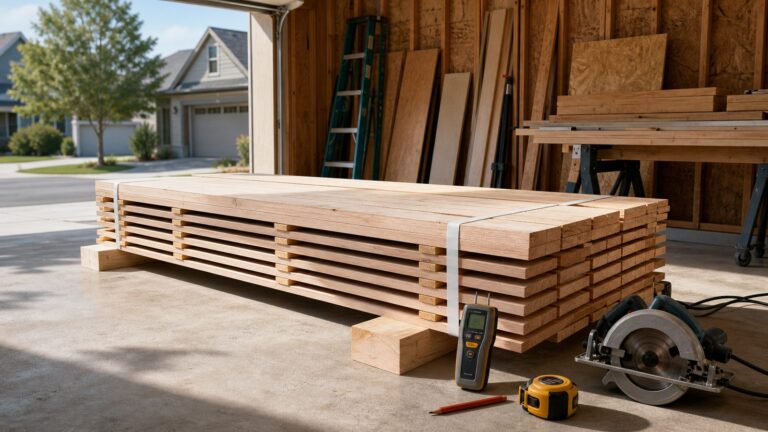
For outdoor projects, cedar, redwood, baldcypress, white oak, black locust, and teak are useful naturally decay-resistant options. The right choice depends on the exact species and growth source, how much heartwood is in the board, and whether it will sit above ground or in soil. A species name alone is not a promise of long service: natural resistance is chiefly a heartwood property, while sapwood is susceptible to decay and insect attack.
What “rot-resistant” means in practice
Wood decay resistance comes largely from extractives in heartwood. The University of Tennessee Extension notes that sapwood—the wood just beneath the bark—of all species is susceptible to rot and insect attack. That makes board composition important: even a lumber label naming a durable species does not tell you how much heartwood is present.
As an Amazon Associate I earn from qualifying purchases.
The USDA Forest Products Laboratory’s Wood Handbook: Wood as an Engineering Material classifies average heartwood resistance, not every board. It also records substantial variation within species. Its categories are useful for comparing candidates, but they are not service-life guarantees, particularly for structural or persistent ground-contact uses.
What’s actually slowing this PC down?
Pick the symptom - the matching free tool is one click away.
University of Tennessee Extension’s 2023 publication says durable heartwoods can remain rot resistant in soil for more than 25 years. That is a broad statement about naturally durable woods, not a lifespan prediction for any of the six species, a particular board, or a specific climate.
#1 Best Overall
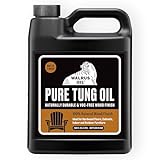
- Sealer for Hardwood Floors: Provides a natural protective finish for hardwood flooring surfaces in residential and commercial applications
- Versatile Interior Wood Finish: Suitable for use on cabinets, doors, and indoor/outdoor furniture to enhance and protect wood surfaces
- Outdoor Furniture Conditioner: Conditions and protects outdoor wooden furniture from weather, exposure, UV rays, and natural wear and tear
- VOC-Free Formula: Contains no volatile organic compounds, making it suitable for indoor use without harsh chemical odors
- Food-Contact Safe: Made with FDA food-contact safe Pure Tung Oil for use on cutting boards, countertops, and kitchen surfaces
How the six woods compare
| Wood | USDA heartwood class | What to check or consider |
|---|---|---|
| Cedar | Resistant (cedars grouped in the handbook) | Identify the actual species and look for heartwood. “Cedar” covers multiple species, and outdoor performance can differ. |
| Redwood | Old-growth: resistant; young-growth: moderately resistant | Growth source matters. Redwood is also described for exterior uses and raised beds by the sources below. |
| Baldcypress | Old-growth: very resistant; young-growth: moderately resistant | Age and source affect resistance; not all cypress lumber is equivalent. |
| White oak | White oaks: resistant | The durability claim applies to heartwood. The cited sources do not establish a specific outdoor service life for white oak boards. |
| Black locust | Very resistant | A strong naturally durable candidate where available; a Wisconsin field result is evidence for one location and period, not a lifetime guarantee. |
| Teak | Old-growth: resistant; young-growth: moderately resistant | Growth category matters. The cited evidence does not assess a product’s provenance, price, or sourcing. |
These classes come from the USDA handbook’s average-heartwood table. They are not a uniform ranking of finished lumber: board composition, growth conditions, exposure, local climate, and installation all affect performance.
What to know about each species
Cedar
The USDA handbook groups cedars as resistant, but that broad category should not blur differences among species. Oregon State University Extension lists cedar as an option for raised beds. In an eight-year Wisconsin field study, eastern red cedar remained durable in ground contact, while western red cedar had failed in that study. Those results apply to the study’s conditions, not every board or region. If you are shopping for western red cedar lumber boards, ask the supplier to identify the species and whether the boards are heartwood rather than assuming the label establishes ground-contact durability.
Rank #2

- Sealer for Hardwood Floors
- Great for Cabinets, Doors, and Interior Cabin Walls.
- Outdoor Furniture Conditioner
- No VOCs
- FDA Food-Contact Safe Ingredients
Redwood
The handbook rates old-growth redwood as resistant and young-growth redwood as moderately resistant. UC Agriculture and Natural Resources describes redwood as resistant to water-associated rot and notes uses including exterior siding, decks, hot tubs, vats, and fences. Oregon State Extension also lists it as a raised-bed alternative. These references support considering redwood for outdoor work, but do not guarantee an individual board’s composition or lifespan.
Do these 3 things before closing this tab:
1Clear out junk files and repair common Windows errors2Scan for outdated or missing drivers - takes under a minute3Repair Windows errors before they cause bigger problemsBaldcypress
Old-growth baldcypress is classified as very resistant, while young-growth baldcypress is moderately resistant. The Forest Service’s Silvics of North America account cautions that resistance varies with age and source. Confirm what the seller means by “cypress” and what the lumber’s growth source is.
Rank #3
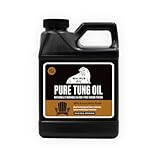
- Great for Cabinets, Doors, and Hardwood Floors
- Natural UV Resistant Outdoor Furniture Conditioner
- Safe with NO VOCs
- FDA Food-Contact Safe Ingredients, Great for Cutting Boards
- Bottled in USA
White oak
The USDA handbook classifies white oaks as resistant, and Tennessee Extension identifies white oak heartwood as naturally durable. Keep the heartwood qualification in view: the cited evidence does not provide a particular service-life estimate for white oak boards outdoors.
Black locust
Black locust is in the USDA handbook’s very resistant category, and Tennessee Extension also identifies it as naturally durable. The Wisconsin field study found eastern black locust remained durable in ground contact after eight years. That makes it a strong candidate where suitable lumber is available, while leaving performance beyond those study conditions undetermined.
Rank #4

- Crafted from 100% pure tung oil, derived naturally from plant nuts, this wood finish is non-toxic and completely free of VOCs. Once dry, it poses no harm to human health, making it a safe and natural choice for interior wood applications. It deeply penetrates wood fibers to enhance the natural grain while forming a durable, protective layer — ideal for surfaces where a pure, plant-based, and eco-conscious finish is desired.
- Versatile Tung Oil Finish for Indoor & Outdoor Wood:This multi-purpose tung oil for wood is perfect for all your projects. Use it on indoor furniture, decorative items, and wood floors, or as a reliable tung oil for outdoor wood on patio sets, decks, and fences. It’s the ultimate outdoor wood oil that protects against the elements.
- Durable, Water-Resistant Tung Oil Finish:Our tung oil finish creates a hard, wear-resistant surface that is waterproof and alcohol-resistant. It stands up to daily wear and tear, spills, and moisture, ensuring your indoor and outdoor wooden surfaces remain beautiful and protected for years to come.
- Superior Protection for All Wood Surfaces:As a 100% tung oil product, it offers unmatched protection. Whether you need a tung oil for wood solution for your indoor or a robust outdoor wood oil for your garden furniture, this single product delivers deep penetration and long-lasting, resilient results.
- Easy Application & Enhanced Wood Beauty:Achieve a smooth, rich finish with ease. Apply multiple thin coats of this pure tung oil for wood using a cloth or brush. It dries to a warm, hand-rubbed luster that highlights the wood's natural character, making it a superior wood floor oil and furniture finish.
Teak
The handbook classifies old-growth teak as resistant and young-growth teak as moderately resistant. Because the distinction is material, do not apply the stronger category to teak lumber when its growth source is unknown. The cited evidence does not establish the provenance, sourcing, or price of a particular product.
Choosing lumber for a raised bed or other project
Raised garden beds
Oregon State Extension identifies cedar and redwood as alternatives for raised-bed construction. Its guidance is specific to Oregon, so check local recommendations and availability where you live. If you choose treated lumber, that guidance advises using residential preservative-treated wood rated for ground contact. If you prefer naturally durable wood, inspect the actual boards for heartwood and ask the supplier to identify the species.
Best Value
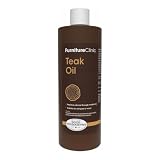
- ENHANCES THE BEAUTY OF THE WOOD: Teak Oil restores the beauty of grey, old and weathered teak furniture to give a golden-brown natural finish.
- PROVIDES PROTECTION: Our high-quality teak oil will protect your indoor and outdoor wooden products from UV rays. It can be used on teak as well as other hardwoods and exotic woods.
- SEAL & RESTORES: Use this wood oil to seal unfinished or bare teak and maintain it on an ongoing basis. Ideal for garden furniture, the oil creates a water-resistant seal and replaces oils lost through weathering.
- PREMIUM NATURAL FORMULA: Furniture Clinic's Teak Oil is a clear oil that is formulated using a traditional recipe of pure, high-quality Tung and Linseed Oil. This safe and non-toxic oil dries to a natural matte finish.
- EASY TO APPLY: Our Teak Oil is quick drying and easy to use. Simply apply the oil to a lint free cloth and rub into the wood to see instant results. Leave for a few minutes then wipe off any excess.
Ground contact and persistently wet exposure
Ground contact is a more demanding exposure than keeping lumber above soil with good drainage. For structural work or wood that will stay in contact with soil, match the product to the exposure and seek local building or extension guidance rather than relying on a broad species label. The USDA handbook specifically urges caution when applying average resistance classes to structural or ground-contact uses.
Above-ground outdoor projects
For siding, fencing, decking, or other above-ground projects, consider the species evidence alongside the project’s wetting and drying conditions. Redwood has documented exterior uses in UC Agriculture and Natural Resources guidance, while the USDA classes offer a starting point for comparing the other woods. Neither source replaces checking the lumber itself or following project-specific construction requirements.
Buying checks that matter more than the label
- Ask for the exact species. Broad names such as cedar and cypress may cover different woods or growth sources.
- Ask whether the boards are heartwood. Sapwood is susceptible to decay and insect attack even when it comes from a species whose heartwood is naturally durable.
- Match the board to exposure. Specify whether the project involves above-ground use, repeated wetting, or ground contact.
- Check local supply and cost. Naturally durable lumber may cost more and be harder to find than treated lumber; availability varies.
- Get local guidance for critical uses. For structural or persistent ground-contact projects, consult local building requirements or an extension service.
For additional technical context on wood properties and resistance classifications, consult the USDA Forest Products Laboratory’s Wood Handbook. The University of Massachusetts Amherst also cautions against assuming a species name alone guarantees a particular level of decay resistance in its Wood Myths: Facts and Fictions About Wood.
The Tool Desk
Outbyte Driver Updater FREEFix the driver behind crashes, sound loss and screen glitchesFind Drivers →Outbyte PC Repair FREEClear out junk files and repair common Windows errorsFree Scan →Quick Recap
Sources and scope
- USDA Forest Products Laboratory, Wood Handbook: Wood as an Engineering Material, Chapter 14, average heartwood decay-resistance table.
- University of Tennessee Extension, Naturally Durable Wood (2023).
- US Forest Service Research and Development, Kirker, Bishell, and Lebow, Above and in-ground performance of naturally-durable woods in Wisconsin (2018).
- UC Agriculture and Natural Resources, Coast Redwood.
- Oregon State University Extension, Pressure-treated wood for raised bed construction in Oregon (revised April 2026).
- University of Massachusetts Amherst, Wood Myths: Facts and Fictions About Wood.
- US Forest Service, Silvics of North America: Baldcypress.
Product prices and availability are accurate as of the date/time indicated and are subject to change. Any price and availability information displayed on Amazon at the time of purchase will apply.