Do these 3 things before closing this tab:
1Repair Windows errors before they cause bigger problems2Scan for outdated or missing drivers - takes under a minute3Clear out junk files and repair common Windows errorsMost mushrooms that suddenly appear in a yard are not a lawn emergency. They are the visible fruiting bodies of a much larger fungus living in soil, thatch, mulch, buried roots, or other decaying organic material. Several wet days, heavy irrigation, or slow-draining soil can trigger the fungus to produce mushrooms.
The mushrooms themselves are usually a symptom of moisture and decomposition—not proof that your grass has a disease. The practical response is to remove the visible fruiting bodies safely, find out why the area is staying wet or supplying decaying material, and watch for signs of a fairy ring or damaged turf.
As an Amazon Associate I earn from qualifying purchases.
First, remove mushrooms safely
Keep children and pets away from unidentified mushrooms until they have been removed. Many wild mushrooms are poisonous, and color, shape, smell, or a photograph is not a reliable way to determine whether one is safe to eat.
Quick wins for a faster PC:
Scan for outdated or missing drivers - takes under a minuteDriver Scan →Clear out junk files and repair common Windows errorsFree Scan →- Wear gloves while picking or raking them. If you need hand protection for an isolated cleanup, garden gloves or disposable nitrile gloves are practical options.
- Pick, rake, or mow the mushrooms before children or pets can reach them. Use care when mowing so fragments are not scattered toward play areas.
- Put removed mushrooms in household trash when ingestion is a concern. Do not compost them if children or pets could access the compost.
- Wash your hands and clean tools after the cleanup.
Removing mushrooms deals with the visible fruiting bodies, not necessarily the underground fungal network. They may return until the weather dries, irrigation is corrected, or the organic material supporting the fungus decomposes or is removed.
#1 Best Overall
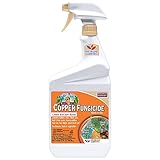
- Control fungus and disease in your garden with Captain Jack’s ready-to-use Liquid Copper Fungicide!
- Approved for organic gardening, this fungicide is suitable for the production of organic produce and can even be used up until the day of harvest!
- Copper Fungicide effective in the control and prevention of a wide range of plant diseases. Listed common garden diseases include blight, black spot, powdery mildew peach leaf curl and more.
- Apply copper fungicide to fruits, vegetables, ornamentals and other plants in your lawn and garden for complete and long-lasting disease control.
- This product arrives conveniently ready-to-use in a trigger spray bottle! To use, shake well and thoroughly apply to affected plants and foliage. Please see product label for full use instructions.
If a person or pet may have eaten a yard mushroom, contact Poison Control in the United States at 1-800-222-1222 or use its online tool. Do not wait for symptoms, and do not rely on a common name or photograph to identify an edible species.
The six most common reasons mushrooms appear
1. Recent rain or excessive irrigation
A flush of mushrooms after several rainy days is often the simplest explanation. Moisture accelerates the decomposition of leaves, roots, thatch, and wood. The fungus may have been present for a long time, but the wet conditions trigger it to produce fruiting bodies.
Overwatering can create the same result, particularly in shaded parts of the yard where the surface dries slowly. Check whether an irrigation controller is running during or immediately after rainfall. Look for leaking sprinkler heads, broken pipes, low spots receiving runoff, and spray patterns that keep one area wet.
Windows Errors? Fix Them Before They Spread
Repair common Windows errors and clear accumulated junk for a smoother, more stable PC - no reinstall needed.Free scan · no reinstallOutdated Drivers Are Slowing You Down
One free scan finds every outdated or missing driver and matches the right update for your exact hardware.Free scan · exact hardware matchFix: Pause or reduce irrigation when rainfall is already keeping the soil adequately moist, repair leaks, and water according to actual weather and soil conditions. Allow the surface to dry between appropriate watering events, but do not deliberately drought-stress the grass. A few mushrooms after rain do not justify a generic fungicide.
2. Thatch, leaves, grass clippings, and lawn debris
Fungi are natural decomposers. Their food may include dead grass blades, leaves, roots, stems, and accumulated thatch. When this material stays wet, decomposition speeds up and mushrooms can emerge.
Rank #2
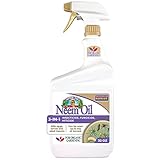
- Protect your oasis with 3 garden products in 1 from Captain Jack’s; Bonide Captain Jack’s Ready-to-Use Neem Oil spray for plants is a multi-purpose fungicide, insecticide and miticide for your lawn & garden
- Clarified Hydrophobic Extract of Neem Oil protects your garden from common fungal diseases including rust, powdery mildew and more; apply to house plants, roses, trees, shrubs, fruits, nuts & vegetables for effective protection against garden diseases
- Captain Jack’s Neem Oil kills eggs, larvae and adult stages of insects to provide full range protection against pests and insects; this is effective against spider mites, aphids, whiteflies & more
- Approved for organic gardening, Neem Oil spray is suitable for the production of organic produce and can be used up until the day of harvest
- This product arrives conveniently ready-to-use in a trigger spray bottle; to use, shake well and completely cover affected plants. Reapply as needed every 7-14 days. Please see product label for full instructions
Check whether leaves have collected beneath shrubs, along fences, beside foundations, or in low areas. Also look for thick mats of grass clippings. Normal clippings left in a thin, well-distributed layer are not automatically a problem, but heavy mats can hold moisture against the soil.
Fix: Rake excess leaves and dead material, mow regularly enough to prevent thick clipping mats, and address excessive thatch rather than simply removing mushrooms one by one. A garden leaf rake can help clear loose mushrooms, leaves, and surface debris; it will not remove fungal growth below the soil.
Free tools Windows power users keep installed
One-click scans. No signup required.
3. Buried stumps, roots, logs, boards, or construction debris
If mushrooms repeatedly appear in one concentrated area, look below the surface. A removed tree may have left a stump or major roots. Old branches, buried logs, boards, and other construction debris can also provide a long-lasting food source.
This is especially likely when the mushrooms form a persistent cluster over the same location, or when they appear near a former tree, old landscape bed, fence line, deck, shed, or construction area. Fairy-ring fungi commonly use buried stumps, branches, roots, logs, leaves, and construction debris as they expand through the soil.
Fix: Remove accessible decaying wood where practical. Stump grinding or root removal can help when it removes the underlying food source, but digging out an entire mature fungal colony is usually impractical. Do not excavate near utility lines, foundations, retaining walls, or established trees without first checking what is below ground. For persistent growth over suspected woody debris, a certified arborist or local stump-grinding service can help determine whether removal is safe and worthwhile.
4. Wood-chip or bark mulch
Mulch is an organic habitat, so mushrooms in a mulched bed are not surprising. As wood and bark decompose, fungi use their carbon-based compounds for energy. The visible mushrooms are generally natural decomposers rather than evidence that the nearby plant is infected.
Rank #3

- Control fungus and disease in your garden with Captain Jack’s ready-to-spray Liquid Copper Fungicide!
- Approved for organic gardening, this fungicide is suitable for the production of organic produce and can even be used up until the day of harvest!
- Copper Fungicide effective in the control and prevention of a wide range of plant diseases. Listed common garden diseases include blight, black spot, powdery mildew peach leaf curl and more.
- Apply copper fungicide to fruits, vegetables, ornamentals and other plants in your lawn and garden for complete and long-lasting disease control.
- This product arrives conveniently ready-to-spray! To use, attach to a hose end sprayer and thoroughly apply to affected plants. Please see product label for full use instructions.
Small, temporary growth in mulch often disappears as conditions change. The situation deserves more attention if mulch is excessively deep, constantly wet, pressed against a foundation, or piled against tree trunks and plant stems.
Fix: Remove visible mushrooms if they are accessible to children or pets. Correct poorly placed or overly deep mulch, improve drainage where necessary, and keep mulch away from trunks and stems. Replacing mulch may reduce the immediate food supply, but it is not a guarantee that every underground fungus will disappear.
5. Compacted, shaded, or poorly draining soil
Compacted soil has fewer air spaces. Water infiltrates and drains more slowly, so the ground remains wet for longer. Repeated foot traffic, vehicles, construction activity, heavy equipment, and play on wet turf can all contribute to compaction.
Mushrooms are more likely to persist when they occur with puddling, thin grass, bare soil, dense shade, poor airflow, or an area that remains damp long after the rest of the yard has dried. Shade also reduces evaporation and can make an irrigation problem look like a mushroom problem.
Fix: Improve the underlying drainage rather than treating the mushroom as the cause. Avoid repeated traffic when the lawn is wet, redirect or manage surface runoff, prune or manage shade where appropriate, and core-aerate suitable turf when the soil is not saturated. A core lawn aerator is relevant for compacted turf with slow infiltration, but aeration is not necessary for every brief mushroom appearance and will not solve a buried-stump problem.
6. A fairy ring
A fairy ring is a circular or arc-shaped pattern created as soil fungi expand outward while consuming buried organic matter. Rings are often about 2 to 15 feet across, although some can become larger. Mushrooms may be the only obvious sign, or the grass may change color or vigor in a ring.
Rank #4

- Neudorff Copper Fungicide Controls Listed Plant Diseases: Powdery Mildew, Rusts, Black Spot, Leaf & Fruit Spot, Downy Mildew, Fruit Rot, Late Blight, Peach Leaf Curl and Other Listed Diseases.
- Fungicide for Fruit Trees and Plants For Organic Gardening & Can Be Used up to Day of Harvest: For Roses, Vegetables, Fruits, Fruit Trees, Flowers, & Ornamentals and Use for Early and Late Blight on Tomatoes and Potatoes.
- Houseplant Fungicide for Indoor Plants, Dormant and Growing Season Liquid Copper Fungicide Controls Listed Plant Diseases Using Low Concentration of Copper and Protects Buds and Flowers such as Rose.
- For Organic Gardening; For Use in Homes, Home Gardens, and Home Greenhouse, This Ready-To-Use Copper Fungicide Spray for Plants Decomposes to Form Soluble Copper and Fatty Acid, Both of Which Can Be Used by Microbes and Plants.
- How to Use: Begin Treatment for Plant Care 2 Weeks before Diseases Normally Appears or When Disease First Appears, and Repeat 7 - 10 Days Intervals for as Long as Needed. Reapply after Rain
| What you see | Likely fairy-ring pattern | What to do |
|---|---|---|
| Mushrooms or an arc, with little visible change in the grass | Type III | Remove mushrooms by hand with gloves, rake, or mow when they appear. Monitor the area. |
| A darker, greener, or faster-growing ring | Type II | Maintain the surrounding turf appropriately. Do not add excess fertilizer casually; diagnose the pattern first. |
| Dry, brown, or dead turf in a ring; soil may repel water | Type I | Improve water infiltration. Core aeration and careful watering may help, but persistent damage warrants diagnosis. |
Fairy rings can be difficult to treat because the fungal growth is underground and may be extensive. Extension recommendations also differ on specialized fungicides: Illinois Extension’s homeowner guidance says fungicides are typically not effective for fairy rings and does not recommend them for ordinary lawn mushrooms, while some current registered turf products may carry fairy-ring claims. The safe practical rule is not to spray merely because mushrooms appeared. Identify the turf pattern and follow the exact current product label—or consult a turf professional before using a pesticide.
How to diagnose the problem in 15 minutes
- Record the timing. Did the mushrooms appear after rain, irrigation, or a period of humid weather?
- Map the location. Are they scattered across the lawn, concentrated in mulch, or following a circle or arc?
- Check moisture. Look for puddles, soggy soil, leaking irrigation, downspout discharge, or runoff from paving and roofs.
- Inspect surface debris. Look beneath leaves, grass clippings, thick thatch, and mulch.
- Look for buried wood. Consider whether a tree, stump, root system, board, log, or construction material is below the area.
- Assess the turf. Mushrooms without grass damage are usually cosmetic. Green rings, brown rings, dead patches, water-repellent soil, and recurring puddling call for closer diagnosis.
- Check for compaction and shade. Compare how quickly this spot dries with nearby turf and note heavy traffic or construction activity.
What not to do
- Do not eat unidentified mushrooms. There is no dependable visual shortcut for separating poisonous wild mushrooms from edible ones.
- Do not assume mushrooms prove lawn disease. Most lawn mushrooms are unrelated to lawn disease.
- Do not expect raking to permanently eliminate them. Raking removes fruiting bodies, not necessarily the underground fungus.
- Do not apply a generic lawn fungicide as a first response. Treatment depends on the diagnosis, and ordinary lawn mushrooms generally do not require chemical control.
- Do not dig blindly for roots or debris. Confirm the location of utilities and consider the risks to foundations, drainage lines, and established plants.
When to call for professional help
Contact a local university Extension office, plant clinic, certified arborist, or turf professional when:
The Tool Desk
Outbyte PC Repair FREERepair Windows errors before they cause bigger problemsFix Now →Outbyte Driver Updater FREEFix the driver behind crashes, sound loss and screen glitchesFind Drivers →- a ring is expanding or the grass is dying;
- the soil has become water-repellent or the same area repeatedly puddles;
- you suspect a large buried stump, root system, or construction debris;
- mushrooms are growing directly from a living tree;
- the yard has drainage or grading problems that may affect a foundation, crawlspace, retaining wall, or other construction;
- you cannot keep children or pets away from recurring mushrooms; or
- a person or animal may have ingested one.
For a recurring ring, a turf diagnosis or lawn-care consultation is more useful than buying an unidentified pesticide. A professional can distinguish a fairy ring from drainage trouble, compaction, a turf disease, or a decaying root source and recommend an intervention suited to the site.
A simple response plan
- Keep children and pets away and remove visible mushrooms with gloves.
- Check recent rainfall, irrigation settings, leaks, drainage, shade, and traffic.
- Inspect mulch, thatch, leaves, clippings, and likely buried wood.
- Correct the underlying condition you can verify: excess water, debris, poor mulch placement, or compaction.
- Monitor whether the mushrooms return and whether the grass changes in a ring.
- Escalate to Extension, an arborist, or a turf professional if the ring expands, turf dies, water is repelled, or buried material creates a safety or construction concern.
Frequently Asked Questions
Are mushrooms in my lawn a sign of disease?
Usually not. Most lawn mushrooms are decomposers feeding on organic material in soil, thatch, mulch, roots, or buried wood. They become more diagnostically important when they occur with dead grass, a green or brown ring, water-repellent soil, or persistent puddling.
Will mowing or raking stop mushrooms from coming back?
It removes the visible fruiting bodies but not necessarily the underground fungal network. Mushrooms may return until wet conditions change or the organic material supporting the fungus decomposes or is removed.
Best Value

- 3-IN-1 GARDEN CARE SPRAY - Earth’s Ally 3-in-1 Plant Spray is a ready-to-use botanical oil spray designed for indoor and outdoor plant care. The houseplant pest spray effectively kills and controls soft-bodied insects and common plant diseases with a synergistic blend of essential oils.
- FOR COMMON GARDEN PESTS - Works like insecticidal soap for plants, killing common soft-bodied insects including spider mite, aphid, whitefly, mealybug, leaf roller and scale while providing residual repellency.
- BOTANICAL OIL FORMULA - Made with ingredients such as thyme oil, rosemary oil, clove oil, and peppermint oil.
- FOR INDOOR AND OUTDOOR USE - Can be used on houseplants, fruit trees, vegetables, ornamentals, gardens, and outdoor plants according to label directions.
- PROVEN BEE SAFE – Earth’s Ally is committed to protecting our pollinators. Every formula is independently tested and proven safe for the bee population.
Should I use fungicide on lawn mushrooms?
Do not use a generic fungicide simply because mushrooms appeared. Extension guidance says ordinary lawn mushrooms generally do not need chemical treatment, and fairy-ring treatment depends on the type of ring and the exact current product label.
Are mushrooms growing in mulch harmful to plants?
Most fungi that fruit in wood-chip or bark mulch are natural decomposers, not plant pathogens. Remove them if children or pets may reach them, and correct mulch that is excessively deep, constantly wet, or piled against trunks and stems.
What should I do if my dog or child ate a mushroom?
Treat it as potentially serious. In the United States, contact Poison Control at 1-800-222-1222 or use its online tool immediately rather than waiting for symptoms. Do not attempt to identify safety from a photograph alone.
The Bottom Line
Mushrooms usually mean that moisture and organic material are present—not that your lawn is failing. Remove them safely, correct unnecessary irrigation or drainage problems, inspect for mulch, thatch, and buried wood, and watch for a fairy-ring pattern or damaged turf. If the area stays wet, the grass dies, or a buried stump or construction debris is involved, get a site-specific diagnosis instead of reaching for a universal fungicide.
Quick Recap
Product prices and availability are accurate as of the date/time indicated and are subject to change. Any price and availability information displayed on Amazon at the time of purchase will apply.




