Quick wins for a faster PC:
Repair Windows errors before they cause bigger problemsFix Now →Scan for outdated or missing drivers - takes under a minuteDriver Scan →Some links on this page are affiliate links: if you buy through them we may earn a commission, at no extra cost to you.
Prune established lilacs immediately after they finish flowering. That timing removes spent blooms and unwanted wood while giving the shrub the longest possible growing season to produce next spring’s flower buds. Pruning in late summer, fall, or winter can remove those buds and leave you with few or no flowers the following year.
Why timing matters more with lilacs
Lilacs are spring-flowering shrubs that form the next season’s flower buds on growth produced soon after the current spring bloom. In practical terms, the flowers fade, the shrub begins making new growth, and those new shoots carry next year’s buds. Iowa State notes that this bud formation begins by mid-summer, while Penn State cautions that later pruning can remove the following spring’s flowers. See the University of Minnesota’s lilac pruning guidance for the same timing principle.
As an Amazon Associate I earn from qualifying purchases.
What’s actually slowing this PC down?
Pick the symptom - the matching free tool is one click away.
That is why the best calendar is not a particular month. It is the plant’s bloom stage:
- Routine pruning: immediately after the main flush of flowers fades.
- Late-season, fall, or dormant pruning: avoid for normal maintenance because it can remove next year’s flower buds.
- Major structural work: sometimes possible during dormancy, but expect to sacrifice some or all of the coming season’s flowers.
The exact bloom date varies with climate, weather, and cultivar. A lilac that blooms in April in one region may flower in May or June elsewhere. Follow the flowers, not a fixed date.
Popular on Amazon

- CLEAN CUTS FOR LIVE GROWTH: Bypass blade design is ideal for pruning delicate flower stems and green growth, helping reduce crushing and plant damage while cutting stems and small branches up to 5/8” in diameter
- BLADES STAY SHARP: Precision-ground steel blades are engineered to stay sharp through heavy use, & all-steel construction provides lasting durability, delivering consistent cutting performance for regular garden maintenance & detailed pruning tasks
- SMART BLADE FEATURES: Blade coating helps reduce friction for smoother cuts, minimizes sap buildup & gumming, and enhances resistance to rust for longer-lasting performance in outdoor conditions; sap groove keeps the blades from sticking during use
- COMFORTABLE, CONTROLLED GRIP: Ergonomic, non‑slip handle enhances control and reduces hand fatigue during repetitive cuts; easy‑open safety lock secures the blade for safe transport and compact storage
- INCLUDES: (1) Fiskars Bypass Pruning Shears designed for everyday gardening and plant care and backed by a Lifetime Warranty. Product care tips: Wipe pruners clean after each use to prevent sap build-up and lightly oil blade for longer product life
Before you cut: identify the pruning job
Most lilacs need only light annual maintenance. An old, tall, crowded, or flower-poor shrub needs renewal pruning instead. A young transplant may need almost nothing.
| What your lilac looks like | Best approach | What to expect |
|---|---|---|
| Newly planted, healthy, and still establishing | Remove only dead, broken, or badly placed growth | Little or no pruning is usually needed for the first two or three years. Some plants take one or two years to begin flowering. |
| Mature and flowering normally | Deadhead, remove damaged wood, and thin selectively after flowering | Flowers should be preserved for the following year if pruning is completed promptly. |
| Tall, woody, crowded, or flowering mainly at the top | Renew the oldest stems at ground level over one to three years | Flowering may be reduced temporarily, but the shrub’s age structure and vigor improve. |
| Healthy but severely overgrown | Consider one-time rejuvenation pruning during late winter | Expect no flowers or sparse flowers for one or two years while vigorous new shoots regrow. |
| Diseased or showing suspected lilac blight | Remove infected wood well below the symptoms and disinfect tools between cuts | Do not prune wet foliage; dispose of infected material rather than leaving it in the garden. |
Routine lilac pruning: step by step
1. Wait until flowering has finished
Begin when the main flower clusters have faded. You do not have to remove every last flower on the day it wilts, but do not postpone routine pruning until late summer or fall.
2. Deadhead each spent flower cluster
Follow the flower stalk down into the shrub and cut the spent panicle just above the uppermost pair of leaves or another suitable pair of leaves. This removes the unattractive seed-producing head without removing more new growth than necessary.
Deadheading is not a guarantee of more flowers, but it keeps the shrub tidier and avoids unnecessarily leaving old flower heads in place. Make the cut selectively rather than shearing the entire outside of the plant.
3. Remove dead, broken, diseased, and crossing branches
Take damaged or diseased stems back to healthy wood or remove them at their point of origin. Remove branches that rub, cross through the center, or grow into an undesirable position. For a larger branch, cut just outside the branch collar rather than cutting flush against the trunk or leaving a long stub.
A lilac is naturally a multi-stemmed shrub. The aim is not to make every stem the same height; it is to maintain a balanced framework with healthy, well-spaced stems.
Do these 3 things before closing this tab:
1Scan for outdated or missing drivers - takes under a minute2Repair Windows errors before they cause bigger problems3Fix the driver behind crashes, sound loss and screen glitchesAlso popular on Amazon
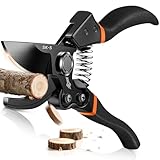
- LONG-LASTING SHARPNESS: Japanese SK5 bypass blade with titanium coating is tested through 5,000 cuts to maintain a sharp edge and deliver clean, consistent cuts on live stems and branches
- BUILT FOR 5X DURABILITY: Heavy-duty 3-layer titanium-coated SK5 blade resists wear and corrosion, while anodized aluminum handles and high-hardness screws reinforce the pruner. Repeated cutting tests show up to 5X the durability of standard pruners
- POWERFUL 4X LEVER CUTTING: The optimized lever-action design multiplies cutting force up to 4X, making thicker branches easier to prune with less hand effort. Cuts branches up to 3/4" with smooth, controlled power for everyday garden pruning
- ARTHRITIS & SENIORS FRIENDLY: Ergonomic non-slip rubber handles cushion pressure and provide a secure, comfortable grip, helping reduce hand and wrist fatigue. A comfortable hand pruner for seniors, arthritis and longer pruning sessions
- ONE-HAND SAFETY LOCK: The easy-access safety lock opens and closes with one hand for faster trimming, then securely holds the blades closed for safer carrying and storage
4. Thin crowded growth
Favor strong, well-positioned stems and remove weak, spindly, or badly crowded shoots at the base. Thinning opens the center to light and air and preserves the shrub’s natural form.
Removal cuts are generally better than heading cuts for lilacs. A heading cut shortens a branch partway along its length and often stimulates a cluster of dense shoots below the cut. Repeated heading or shearing can create a dense outer shell while leaving old, unproductive wood inside. Selective removal addresses the actual problem instead.
5. Remove unwanted suckers at ground level
Lilacs commonly produce basal shoots. Keep vigorous, well-placed shoots if they are part of the shrub’s desired multi-stem structure, but remove unwanted suckers at or near ground level. Merely shortening a sucker usually encourages more regrowth from the remaining stub.
6. Stop before the shrub has been stripped
Routine pruning should preserve enough healthy foliage and young wood for recovery and future flowering. If the plant has a pleasing shape and the remaining problems are corrected, stop. More cutting is not automatically better pruning.
Choosing the right pruning tool
Use sharp tools that make clean cuts without crushing the branch. The right tool depends on the stem’s size and position:
| Tool | Best use | Important limitation |
|---|---|---|
| Bypass hand pruners | Spent flower stems and small live shoots | Do not force them onto thick branches; an oversized cut can crush or tear the wood. |
| Loppers | Older or thicker stems requiring extra leverage, often up to roughly 1.5 inches depending on the tool and wood | Use controlled pressure. Poorly used loppers can crush a branch instead of making a clean cut. |
| Pruning saw | Large, woody stems beyond comfortable lopper capacity; particularly useful for renewal pruning | Support the branch and avoid tearing the bark as the cut finishes. |
| Pole pruner | Limited ground-level work on reachable high stems when a clean cut can be controlled | High, unstable, utility-adjacent, or hazardous work should be handled by a qualified professional. |
For ordinary deadheading and small live stems, choose bypass pruning shears rather than anvil-style tools. Penn State specifically warns that hand pruners are not designed for a one-inch branch; use loppers or a saw as the wood gets larger. The extension guidance from Penn State and Colorado State supports matching the tool to the branch rather than forcing one tool to do every job.
How to renovate an old or leggy lilac
If flowers occur only at the top, the shrub has many thick gray stems, or the interior is congested and unproductive, shortening the tops will not solve the age problem. Remove old stems at or near ground level so new basal shoots can replace them.
Also popular on Amazon

- Drop-forged construction delivers exceptional durability and sturdiness for long-term heavy garden use.
- Premium SK-5 steel blade with titanium coating and ultra-fine polishing ensures sharpness, rust resistance, and smooth cutting.
- Ergonomic non-slip aluminum handles wrapped with PVC offer lightweight strength, comfort, and reduced hand fatigue.
- Built-in sap groove effectively channels away sap to prevent sticking and keep blades clean during pruning.
- Capable of cutting branches up to 3/4 inch in diameter, ideal for live plants, stems, and light woody pruning tasks.
The gradual three-year method
- Year one: remove about one-third of the oldest, thickest stems at the base. Also remove dead, damaged, weak, and badly crowded shoots.
- Year two: remove roughly one-half of the remaining old stems, again choosing the oldest and least productive. Thin excess new shoots so the best-positioned replacements remain.
- Year three: remove the remaining old stems and continue selecting a balanced number of strong young shoots.
The University of Minnesota describes removing roughly one-third of the thickest stems each year until the old stems are gone. Iowa State offers a similar staged approach, with one-third removed in the first year, one-half of the remaining old stems in the second, and the rest in the third. This method retains more of the existing framework and usually preserves at least some flowering while the shrub is renewed.
The Tool Desk
Outbyte Driver Updater FREEScan for outdated or missing drivers - takes under a minuteDriver Scan →Outbyte PC Repair FREERepair Windows errors before they cause bigger problemsFix Now →Do not automatically cut every stem to the same height. That produces an unnatural, dense structure and leaves the underlying age problem unresolved. Remove selected stems from their origin and retain strong, well-spaced younger growth.
When a one-time rejuvenation cut is appropriate
A healthy, vigorous, densely branched smaller lilac may tolerate a much more severe reset: cutting the entire plant close to the ground during late winter. This is a recovery strategy for an overgrown shrub, not a way to preserve the next bloom. It can result in no flowers or sparse flowers for one or two years.
Penn State makes an important distinction: a healthy, thriving specimen may sometimes be rejuvenated all at once, while an unhealthy shrub is better renewed over approximately three years. If the plant is weak, diseased, declining, or growing in poor conditions, severe cutting may add stress without correcting the cause.
Making clean cuts and preventing disease spread
Start with sharp, clean tools. If you are removing diseased wood, first remove visible soil and plant debris from the blade, then disinfect it before moving to another plant or making another cut. The University of Minnesota’s tool sanitation guidance identifies 70% or stronger rubbing alcohol as suitable for small hand tools. Bleach is not the default choice for sharp pruner blades because it can corrode metal.
Free tools Windows power users keep installed
One-click scans. No signup required.
For suspected lilac blight:
- Prune only when the foliage is dry.
- Cut well below the visible infection and into healthy wood. The RHS recommends at least 6–8 inches below an infected area for lilac blight.
- Disinfect the blade between cuts, not merely at the end of the job.
- Remove infected cuttings from the garden; do not leave them beneath the shrub or add them to ordinary garden compost.
Make larger cuts just outside the branch collar. Do not make arbitrary flush cuts against the trunk, and do not leave long stubs that die back. If a branch requires climbing, is close to power lines, is large enough to require a chainsaw, or could fall onto people or property, stop and hire a qualified arborist or shrub-pruning professional.
Independent reader supportYour contribution helps us test, update, and keep practical guides available for everyone.Common lilac-pruning mistakes
Pruning in fall or too late in summer
Why it fails: the shrub may already have formed next year’s flower buds, so late cuts remove the coming bloom.
Also popular on Amazon
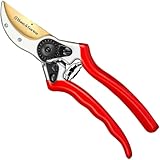
- Sharp, Clean Cuts Every Time – Engineered from Japanese grade, high-carbon steel, ClassicPRO bypass pruning shears for gardening stay sharp and make precise cuts that encourage healthy growth and won’t damage your plants
- No More Hand Fatigue and Wrist Strain – ClassicPRO gardening shears are designed with an ergonomic handle, non-slip grips, and shock-absorbing pads, making them lightweight and comfortable for smaller hands, seniors, and arthritis sufferers
- Rust and Corrosion Resistant – Tired of garden shears that rust after just a few uses? Our heavy duty pruning shears are constructed from anodized aluminum with titanium-coated blades to reduce friction and protect against rust and corrosion
- One Gardening Pruner, Many Uses - Preferred by professional landscapers and master gardeners, ClassicPRO clippers for gardening are adjustable general-purpose secateurs and branch cutters to trim trees, plants, and indoor flowers up to 1” thick
- Designed to Last Season After Season – Tired of cheap, low-quality hand pruners for gardening? Our heavy duty handheld garden clippers are designed for durability and longevity so you always have reliable shears
Better approach: finish routine pruning shortly after flowering.
Shearing the whole shrub
Why it fails: shearing trims the outside without removing the oldest, weakest, or diseased stems. It encourages dense growth near the cuts and can worsen poor air circulation.
PC Slower Than It Used to Be?
A free scan shows the junk files, broken settings and background clutter dragging Windows down - then fixes them in one click.Free scan · Windows 10 & 11Outdated Drivers Are Slowing You Down
One free scan finds every outdated or missing driver and matches the right update for your exact hardware.Free scan · exact hardware matchBetter approach: use selective thinning and removal cuts at the stem’s origin.
Cutting every stem to one height
Why it fails: a uniform haircut creates an unnatural form and does not renew the shrub’s old wood.
Better approach: remove selected old stems at ground level and retain younger stems with good spacing.
Using hand pruners on oversized branches
Why it fails: excessive force can crush the branch and leave a ragged wound.
Also popular on Amazon

- · ULTRA-SHARP SK5 STAINLESS STEEL - Engineered with premium SK5 stainless steel, these heavy duty pruning shears deliver razor-sharp precision and maximum hardness. The rust-resistant blades are designed to stay sharp longer, effortlessly resisting corrosion and sap buildup for smooth, friction-free garden shears performance year after year.
- · CLEAN CUTS FOR 1 INCH THICK BRANCHES - Say goodbye to crushed stems and ragged bark. Our professional bypass pruning shears slice through thick branches up to 1 inch like butter(as the videoes show). By ensuring perfectly clean cuts without leaving debris, it helps your roses, fruit trees, and indoor plants heal faster and stay healthy.
- · ERGONOMIC COMFORT FOR ARTHRITIS & WEAK HANDS - No more hand fatigue or wrist strain! Featuring a non-slip SoftGrip handle with premium cushioning, these garden clippers absorb pressure with every cut. It is the ultimate arthritis friendly hand pruner for seniors or anyone with limited hand strength to enjoy yard work pain-free.
- · 100% LEFT-HANDED FRIENDLY & SAFETY LOCK - Unlike standard garden scissors that flop and crush stems when used left-handed, our uniquely balanced hand pruners work flawlessly for both right and left-handed users. Equipped with a secure, easy-to-operate safety lock to protect your fingers and ensure safe storage.
- · HIGH-VISIBILITY RED & LIFETIME WARRANTY - Never lose your tools in the grass again! The vibrant high-visibility red handle makes these plant shears pop instantly in any backyard setting. We stand behind our industrial-grade quality—enjoy 100% risk-free shopping backed by our ironclad Lifetime Warranty. Perfect gardening gifts for women and men!
Better approach: move up to loppers or a pruning saw as the branch diameter increases.
Blaming every poor bloom on pruning
Lilacs generally need at least six hours of direct sunlight. Inadequate light can limit flowering even when the pruning schedule is correct. Excess nitrogen, including runoff or overapplication of high-nitrogen lawn fertilizer, can also produce lush foliage at the expense of flowers. Correct the site and feeding problem rather than responding with increasingly severe pruning. Both UMN and Penn State identify sunlight and excessive nitrogen as common explanations for weak flowering.
A quick decision checklist
- Has the lilac just finished blooming? This is the normal pruning window.
- Is it newly planted? Remove only obvious problems while it establishes.
- Are the flowers and shape satisfactory? Deadhead and make a few selective maintenance cuts.
- Is it tall, woody, or flower-poor? Begin staged renewal by removing the oldest stems at the base.
- Is it healthy but severely overgrown? Consider one-time late-winter rejuvenation, accepting one or two years of reduced flowering.
- Is there suspected disease? Work in dry conditions, cut well into healthy wood, and disinfect between cuts.
- Are the work area, branches, or tools hazardous? Use a professional rather than climbing or making chainsaw-sized cuts.
Frequently Asked Questions
Can I prune a lilac in the fall?
Avoid routine fall pruning. Lilacs form the following spring’s flower buds on growth produced after flowering, so fall cuts may remove those buds. Remove an immediate hazard or diseased branch when necessary, but do normal shaping and deadheading soon after flowering.
What happens if I cut my lilac back to the ground?
A healthy, overgrown lilac may regrow vigorously after a late-winter rejuvenation cut, but it may produce no flowers or only sparse flowers for one or two years. This is a reset procedure, not a method for preserving the next bloom.
Recommended Free Tools
Why is my lilac growing leaves but not flowers?
Insufficient direct sunlight and excessive nitrogen are common causes. Aim for at least six hours of direct sun, and avoid high-nitrogen lawn fertilizer reaching the shrub. Also check whether it was pruned after the flower buds had already formed.
Should I remove lilac suckers?
Remove unwanted basal suckers at ground level rather than shortening them. Keep strong, well-placed shoots if they contribute to the multi-stem form you want.
The Bottom Line
The professional rule is simple: prune lilacs shortly after they finish flowering. Deadhead the spent clusters, remove damaged and crowded wood selectively, and renew old shrubs by taking the oldest stems out at the base. Reserve severe dormant-season cuts for deliberate rejuvenation, because they trade the next one or two seasons of flowers for a reset of the shrub’s structure.
Quick Recap
Product prices and availability are accurate as of the date/time indicated and are subject to change. Any price and availability information displayed on Amazon at the time of purchase will apply.

