Free tools Windows power users keep installed
One-click scans. No signup required.
Some links on this page are affiliate links: if you buy through them we may earn a commission, at no extra cost to you.
The worst place to plant a gardenia bush is a low, waterlogged spot where rain or downspout runoff collects, especially in compacted clay. Gardenias also perform poorly in dense shade, alkaline soil, intense afternoon heat, established tree roots, salty conditions, and exposed cold or wind.
Gardenias are often treated as simple foundation shrubs, but placement determines whether they flower and remain healthy. Drainage, pH, light, root competition, water quality, and exposure should be evaluated together before digging the planting hole.
As an Amazon Associate I earn from qualifying purchases.
Key takeaways
- The worst place to plant a gardenia bush is a low, waterlogged spot where rain or downspout runoff collects.
- Gardenias prefer acidic soil around pH 5.0–6.5, and soil above pH 7.0 can make an in-ground site a poor choice.
- Dense shade, harsh afternoon heat, established tree roots, salt exposure, and unprotected cold or windy locations can also cause poor growth or flowering.
- A raised bed 12–18 inches high may improve drainage in extremely heavy soil, but it cannot correct flooding, salty water, excessive shade, or an unsuitable climate.
- The best site usually combines morning sun, afternoon protection, evenly moist well-drained soil, shelter, air circulation, and convenient access to irrigation.
What is the worst place to plant a gardenia bush?
The worst place to plant a gardenia bush is a low, waterlogged location where rain, irrigation, or downspout discharge collects and the soil stays saturated. Poorly drained compacted clay is especially risky because gardenia roots need oxygen; the University of Georgia Cooperative Extension warns that “Waterlogged soil will suffocate the root system and kill a plant.”
Do not choose a wet pocket simply because the location is sunny or visually convenient. Gardenias also struggle in dense all-day shade, hot exposed afternoon sites, alkaline soil, competition from established tree roots, salty coastal conditions, and sites exposed to damaging cold or wind. The right decision depends on the combination of drainage, soil chemistry, light, roots, water quality, and exposure.
#1 Best Overall
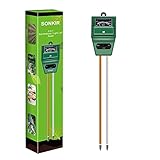
- Kindly NOTE: This soil tester can not be applied to test pH value of any other liquid. If the soil is too dry the indicator will not move, and water it before testing.
- 3 METERS IN ONE: Soil moisture level, Soil pH value and Sunlight level could be tested easily according to your need by switching the function button of this soil meter.
- NO BATTERY NEEDED: Simply insert the meter into soil, wait few minutes, accurate test results will be displayed on the readout panel. No battery is needed.
- STURDY AND SCIENTIFIC DESIGN: Reliable materials and upgraded technology used for this soil meter make it advanced and high-quality for long-term use.
- MULTIPURPOSE SOIL TEST KIT: Portable and compact design enables you to use this soil meter for house garden, farm, lawn and any other soil & plant analysis. Ideal for indoor and outdoor use.
Which gardenia planting locations should you reject?
| Location problem | Why it is risky for gardenias | Better decision |
|---|---|---|
| Low spot with standing water | Saturated soil can suffocate roots and contribute to decline. | Reject it unless drainage and site elevation can be genuinely corrected. |
| Below a downspout or at the end of concentrated runoff | Repeatedly concentrated water can keep the root zone too wet. | Route the downspout elsewhere and confirm the soil drains after rainfall. |
| Dense, all-day shade | Prolonged shade may reduce flowering. | Choose morning sun or bright partial shade instead. |
| Hot west-facing wall, driveway, or paved area | Intense reflected afternoon heat can stress the plant, especially in hot climates. | Use afternoon protection and avoid heat-reflecting surfaces where possible. |
| Alkaline or limestone-rich soil | Gardenias prefer acidic soil, and high pH can lead to nutrient problems and yellowing. | Test the soil; consider a container or another plant if pH remains above 7.0. |
| Under a mature tree or over major tree roots | Gardenias have shallow roots and do poorly with root disturbance and competition. | Plant in open soil away from established tree root systems. |
| Coastal, salt-sprayed, or salt-watered site | Gardenias do not tolerate coastal conditions or high-salt water. | Choose a protected site with reliable low-salt irrigation water. |
| Exposed cold or windy site | Cold and strong wind can damage gardenias, particularly near the plant’s hardiness limit. | Use a sheltered microclimate appropriate for the cultivar and region. |
Can I plant a gardenia near a downspout?
You should not plant a gardenia directly below a downspout or where downspout runoff repeatedly drains. Concentrated roof water can saturate the planting hole even when the surrounding yard appears reasonably dry. The University of Georgia Cooperative Extension discusses routing downspouts away from planting areas as part of managing wet soil; its guidance is available in soil preparation and planting procedures for ornamental plants.
Move the discharge to a location that will not flood the root zone, then observe the proposed gardenia site after a substantial rainfall. Look for pooling, muddy soil, slow infiltration, or water flowing toward the planting area. A gardenia can tolerate evenly moist soil, but evenly moist does not mean continuously saturated.
Recommended Free Tools
Will gardenias grow in full shade?
Gardenias may survive in less light, but dense, prolonged shade is one of the worst places to plant a gardenia if you want reliable flowering. UF/IFAS states that “Prolonged shade may reduce flowering.” A site with morning sun and protection from the hottest afternoon exposure is generally more suitable in hot climates.
Do not confuse afternoon protection with complete darkness. A gardenia beneath dense evergreen branches, beside a north-facing wall with little reflected light, or in a deeply shaded woodland bed may produce fewer flowers and weaker growth. NC State Extension describes gardenias as plants for light conditions that provide sun or partial shade and recommends protection from strong winds; its Gardenia jasminoides plant profile provides the site details.
Can I plant a gardenia next to a sidewalk or driveway?
A sidewalk or driveway is not automatically a bad location, but the surrounding microclimate matters. A paved surface can reflect intense afternoon heat, shed concentrated water, and leave the gardenia exposed to dry, rapidly changing soil conditions. A shaded or morning-sun side of a walkway may work better than a sun-baked west-facing driveway edge.
Rank #2

- Quick, at home results for Soil pH, Nitrogen, Phosphorous and Potash Innovative and inexpensive soil test kit features an easy-to-use capsule system and patented color comparators
- Contains all components needed for 20 tests. 5 for each of pH, N, P and K
- Contains all components needed to test all variables in several spots in the yard or garden
- Simple, detailed instructions included. Great for beginners and experienced gardeners alike.
- Soil pH preference list for over 450 plants included
Gardenias are often useful near a walkway, patio, door, or window because their fragrance can be enjoyed there. UF/IFAS discusses placing gardenias where fragrance is accessible while also emphasizing suitable light, drainage, soil, and air circulation in its gardenia growing guidance. Leave enough room for mature growth and make sure the location does not become a runoff channel.
Do these 3 things before closing this tab:
1Clear out junk files and repair common Windows errors2Fix the driver behind crashes, sound loss and screen glitches3Repair Windows errors before they cause bigger problemsWhat soil pH does a gardenia need?
Gardenias prefer acidic soil with a pH of about 5.0–6.5, according to University of Florida IFAS Extension guidance (publication page accessed August 13, 2026). Soil above pH 7.0 is a warning sign for an in-ground gardenia site; UF/IFAS advises considering an alternative plant or container culture when soil remains that alkaline.
High-pH soil can interfere with nutrient availability and may contribute to yellow gardenia leaves. Do not add lime, sulfur, fertilizer, or large quantities of amendment based only on appearance. Test first with a soil pH test kit as a screening tool, or use a laboratory or Extension soil test when the result will determine substantial soil amendments. A consumer kit can indicate whether the site deserves further testing; it should not be treated as a substitute for a professional soil analysis.
UF/IFAS explains the gardenia’s pH, drainage, and nutrient needs in Gardenias at a Glance. If the soil is naturally limestone-rich and remains alkaline after reasonable correction, a container can provide more control than repeatedly trying to force a gardenia into unsuitable ground.
Can gardenias grow under trees?
Gardenias generally should not be planted directly under established trees or over major tree roots. Gardenias have shallow roots, and competition from mature tree roots can limit access to water and nutrients while making planting and future soil work more disruptive.
PC Slower Than It Used to Be?
A free scan shows the junk files, broken settings and background clutter dragging Windows down - then fixes them in one click.Free scan · Windows 10 & 11Crashes, No Sound, or Screen Glitches?
Random freezes, missing sound and display glitches usually trace back to one bad driver. Find and replace yours safely.Free scan · under a minuteA small ornamental tree with limited root competition may present less risk than a mature, densely rooted tree, but inspect rather than assume. Dig carefully before planting and look for substantial roots. NC State Extension identifies shallow roots and competition from tree roots among the concerns in its gardenia reference.
Rank #3

- Accurate Soil pH Testing: Dewildetradingco Soil pH Test Strips offer measurements of soil pH levels (pH 3.5-9). As an essential tool for every gardener and grower, these test strips help determine the optimal pH for various plants, such as outdoor plants, indoor plants, gardens, grass lawns, fruit trees, flowers, vegetables, and forest shrubs.
- User-Friendly Testing Procedure: The testing process is simple and efficient. Mix the sample soil with water, let the solution sit for 30 minutes, dip one strip into the solution for 3 seconds, and then hold it horizontally for 60 seconds. Compare the results against the provided color chart on the bottle for quick and reliable readings.
- Cost-Effective and Versatile: With 100 Soil PH checker strips included in each package, Dewildetradingco provides a cost-effective solution for soil testing. It caters to various planting needs, offering valuable insights for a wide range of horticultural applications.
- Optimize Plant Health and Growth: Maintaining the correct pH is crucial for optimal plant growth and bountiful yields. Dewildetradingco Soil pH Test Strips enable gardeners and growers to adjust their soil conditions, ensuring nutrient availability and preventing wasteful spending on ineffective amendments.
- Convenient On-the-Go Monitoring: The Dewildetradingco Soil pH Test Strips are designed for portability, allowing gardeners to perform quick soil testing in various locations. As an essential tool in every gardener's soil tester kit, these pH strips help ensure thriving plant life and efficient resource management.
Do gardenias tolerate salt water or coastal conditions?
Gardenias do not tolerate coastal conditions or high-salt water well. UF/IFAS specifically states that “Gardenias do not tolerate coastal conditions or water with high salts.” Salt exposure can come from sea spray, salt-affected soil, salt intrusion, some softened water, or reclaimed water with an unsuitable salt concentration.
Choose a sheltered inland or protected location when possible, and identify the irrigation-water source before planting. A site that is otherwise perfect for light and drainage may still be a poor gardenia site if the available water is consistently salty. UF/IFAS covers these limitations in Gardenias at a Glance.
How should light, heat, and wind affect the site?
In hot climates, favor morning sun followed by protection from the strongest afternoon heat. The University of Arkansas Extension recommends full morning sun with protection from hot afternoon sun and describes gardenias as requiring acidic, well-drained soil in a protected location; its gardenia reference explains that pattern.
A hot west-facing wall, driveway, or paved courtyard can create a harsher microclimate than the general climate map suggests. Heat reflected from masonry and pavement can increase stress, although the result varies with cultivar, irrigation, humidity, wind, and the amount of afternoon shade. Avoid strong drying wind as well as direct salt-laden wind. A sheltered site with some air circulation is preferable to a sealed, stagnant corner or an exposed ridge.
How can you test a gardenia site before planting?
- Inspect after rain. Visit the proposed location during or shortly after rainfall. Mark pooling, muddy areas, runoff paths, downspout discharge, and places where water remains noticeably longer than elsewhere.
- Check the soil profile. Dig a test hole and look for compacted layers, heavy clay, buried construction debris, or nearby tree roots. Compaction can prevent water from moving through the root zone even when the surface looks dry.
- Test pH. Measure the soil before adding lime, sulfur, fertilizer, or other amendments. Compare the result with the preferred gardenia range of pH 5.0–6.5.
- Map the light pattern. Observe the location in the morning and afternoon, not just at midday. Record whether buildings, trees, or fences create dense shade or whether pavement and walls intensify afternoon heat.
- Identify water sources. Check whether irrigation comes from a softened, reclaimed, coastal, or otherwise salt-affected source. Confirm that the plant can receive consistent moisture without constant saturation.
- Check exposure and access. Prefer a sheltered location with adequate air movement and convenient access for irrigation, pruning, inspection, and enjoyment of the flowers’ fragrance.
Can a raised bed fix a bad gardenia location?
A raised bed can improve a gardenia site with heavy, poorly drained soil when the surrounding location is otherwise suitable. University of Georgia Cooperative Extension describes raised beds 12–18 inches high as an option for extremely heavy soils in its landscape soil-preparation guidance (publication page accessed August 13, 2026).
Rank #4

- 【4 in 1 function】This is a 4-in-1 multifunctional soil tester.Our soil tester fastly to measure soil moisture, pH, temperature and sunlight to help you take better care of flowers and plants.You can know when you need to water your soil by measuring moisture and pH & Temperature value of the soil and sunlight level of plants with it.
- 【Large Screen & Backlight LCD Display】The Soil Tester uses a large LCD screen and white backlight to conveniently display and read digital parameter in day or dark.Use AAA1.5V * 4 batteries (not included),it will alert when the battery is low.
- 【Quick Accurate measurement】The latest probe detection technology in 2026 can quickly and accurately measure the pH, moisture and temperature in the soil,with the light intensity of the light sensor analysis on the instrument, it can allow you to know when to water, to control the pH and temperature acidity, and determine whether the plants have enough light to better cultivate the plants more scientifically.
- 【Easy to use】Just simply plug the probe into the soil about 4 inches(10cm) , wait 10 seconds to read intuitive data,and you will get an accurate and precise reading immediately.(This soil tester cannot be used directly to test any liquid. When measuring the soil, if the soil is too dry, do not insert it into dry and hard soil. Before testing, please water the soil test area and wait for 10 minutes, otherwise the testing machine will be damaged.)When testing soil pH and moisture, you need to read data from at least 5 locations in the soil. The average value of all the data will be the final soil pH and moisture.
- 【More convenient to read】The screen content adopts visual content design, which helps you read the data through specific values and easy to understand graphics, so that even novice growers can easily understand your soil conditions. The 45° rotating head design allows you to bend your head 0°-45°, allowing you to easily view the screen content without bending over.
A raised bed is not a universal cure. Do not use one to justify planting where water continues to flood the bed, downspout runoff cannot be redirected, irrigation water is salty, shade is excessive, or the climate is too cold for the selected cultivar. A raised bed also needs a design that allows excess water to leave; simply piling soil over a saturated site may not solve the underlying problem.
Which of two gardenia sites is better?
When two locations are available, compare drainage first, then soil pH, light, root competition, salt and exposure, and ease of watering. A slightly less sunny site with good drainage and acidic soil is usually a better starting point than a bright site that stays flooded or alkaline.
Quick wins for a faster PC:
Scan for outdated or missing drivers - takes under a minuteDriver Scan →Clear out junk files and repair common Windows errorsFree Scan →Fix the driver behind crashes, sound loss and screen glitchesFind Drivers →| Decision factor | Prefer | Reject or investigate |
|---|---|---|
| Drainage | Moist soil that drains after rain | Standing water, slow infiltration, or runoff collection |
| Soil chemistry | Tested soil near pH 5.0–6.5 | Unamended pH above 7.0 or limestone-rich soil that stays alkaline |
| Light | Morning sun and afternoon protection in hot climates | Dense shade or intense reflected afternoon heat |
| Root space | Open ground away from mature trees | Major tree roots or heavily disturbed root zones |
| Water quality | Reliable low-salt irrigation water | Salt-affected, softened, reclaimed, or salt-intruded water without verification |
| Exposure | Sheltered from strong wind and severe cold | Exposed site near the cultivar’s cold limit |
| Maintenance | Easy access for even irrigation and inspection | Remote area that will be alternately neglected and overwatered |
Why are gardenia buds dropping after planting?
Gardenia bud drop can be associated with poor drainage, and UF/IFAS identifies poor drainage as one contributor to falling flower buds. Check for saturated soil, recent runoff, irregular watering, intense heat, excessive shade, and site exposure before assuming that fertilizer is the answer.
Gardenias need consistent moisture, but repeated flooding and repeated drying are both poor conditions. Improve the site’s drainage and watering pattern first. Also inspect whether a nearby tree is taking water from the shallow root zone or whether the gardenia is receiving too little light for dependable flowering. UF/IFAS discusses bud drop and gardenia site requirements in its gardenia publication.
What is the practical answer for a construction or landscape site?
Reject any proposed gardenia location that functions as a drainage basin, receives a downspout outlet, or sits in compacted fill where water cannot infiltrate. On a developed property, inspect grading, roof runoff, paving, buried compaction, utility work, and tree-root zones before treating a location as a planting bed.
Best Value

- ✅ 1Dial & 1 LCD Screen - Replace/install all 3 batteries each time. Put button to %RH/°F to - Turn On, and put to LIGHT to - Turn Off. Read the LCD results in 3-5 mins. (Not Water Moisture Meter, so, please don't test liquid)
- 7Meter-in1 Comprehensive Maintenace: Specially designed for beginners, the built-in 1.6" chips board, can meet all your needs for measuring soil moisture, pH/fertility/temp/light/indoor temp&humidity. Simply switching modes on 1 button, can quickly result in a more accurate reading of various aspects of data of soil! Moreover, LCD screen can clearly display soil temp, air temp&humidity. helps you to plant lush and healthy plants, while it can also help you cultivate seedlings scientifically.
- Design Patented US & Utility Patented US: Origin Dual-Dial Design -combined with both soil meter and LCD-display soil/air temperature and humidity meter. This helps you to monitor soil moisture/pH/fertility/sunlight and soil temperature/air humidity and temperature in your garden/house all in one unit. Our 7 Soil Tester allows you to get a more comprehensive and direct understanding of your plants/ the key information for scientific seedlings.
- Effective Probe Based On 3 Metals: The soil pH tester has been with 3 kinds of quality metal material, which is accurate, strong, and durable for long-term use, length of about 6.8" and can be used for medium to large potted plants. it can analyze the soil more quickly, get to know the plant soil condition, and obtain more accurate data, furthermore, single probe design plant water meter is less harmful to the plant root system and won't bring out more soil of the plants after the test.
- Easy To Use & Wide Range: Simply insert the plant moisture meter more than 3" into the soil and switch the function button to obtain test results immediately or test the mini hygrometer thermometer in 3 mins. This moisture meter for house plants can be widely used in both outdoor &indoor gardens, farms, lawns, flowers, potted, and vegetable plants, etc., A great gardening gift for plant-lover friends, coworkers, and family.
The strongest candidate is a slightly elevated, sheltered area with morning light, afternoon protection where needed, acidic well-drained soil, low-salt water, and enough open root space. If the soil is heavy but the grade and water source are sound, build a properly drained raised bed 12–18 inches high. If the site remains wet, alkaline, salty, deeply shaded, or too exposed after correction, select a different plant or a different location rather than trying to overcome every limitation with amendments.
Frequently Asked Questions
What is the worst place to plant a gardenia bush?
The worst place to plant a gardenia bush is a low area where rain or downspout runoff collects and the soil stays saturated. Waterlogged soil can suffocate gardenia roots, while compacted clay makes drainage even worse.
Can I plant a gardenia near a downspout?
You should not plant a gardenia directly below a downspout or where concentrated roof runoff repeatedly drains. Redirect the water and confirm that the soil drains after rainfall before using the location.
What soil pH does a gardenia need?
Gardenias prefer acidic soil with a pH of about 5.0–6.5. Test the soil before adding amendments, and consider a container or another plant if the soil remains above pH 7.0.
Will gardenias grow in full shade?
Gardenias can grow in bright partial shade, but dense prolonged shade may reduce flowering. Morning sun with protection from the hottest afternoon exposure is generally preferable in hot climates.
What’s actually slowing this PC down?
Pick the symptom - the matching free tool is one click away.
Can a raised bed fix a poorly drained gardenia site?
A raised bed can improve drainage in extremely heavy soil when the site is otherwise suitable. A 12–18-inch raised bed will not solve flooding, salty irrigation water, excessive shade, or an unsuitable climate.
The Bottom Line
Bottom line: The worst place to plant a gardenia bush is a saturated low spot, especially beneath a downspout or in compacted clay. Test drainage and soil pH before planting; choose morning sun, afternoon protection, acidic well-drained soil, open root space, low-salt water, and shelter from harsh exposure.
Quick Recap
Product prices and availability are accurate as of the date/time indicated and are subject to change. Any price and availability information displayed on Amazon at the time of purchase will apply.

