Some links on this page are affiliate links: if you buy through them we may earn a commission, at no extra cost to you.
The 10 best herbs to grow indoors are basil, chives, cilantro, mint, parsley, oregano, rosemary, sage, thyme, and dill. They are practical beginner choices because they are useful in cooking and can grow in containers, but each herb still needs the right balance of light, drainage, moisture, and starting method.
A sunny window is enough for many plants, while a grow light helps in dim rooms or during weak winter light. The most important rule is to choose care by herb: basil and mint prefer more consistent moisture, while rosemary, thyme, oregano, and sage benefit from some drying between waterings.
As an Amazon Associate I earn from qualifying purchases.
Free tools Windows power users keep installed
One-click scans. No signup required.
Key takeaways
- Most indoor herbs need at least six hours of direct sunlight, while seedlings generally need 14–16 hours of artificial light daily.
- Basil, chives, cilantro, mint, parsley, oregano, rosemary, sage, thyme, and dill make the strongest all-around beginner list, but they do not have identical care needs.
- Use pots with drainage holes and loose potting mix; waterlogged roots are a greater risk than slightly dry soil for rosemary, thyme, oregano, and sage.
- Mint should have its own container because its rhizomes make it an aggressive spreader.
- Basil and cilantro are usually best used fresh, while sage, thyme, oregano, and rosemary are better candidates for drying.
For a sunny kitchen, the 10 best herbs to grow indoors are basil, chives, cilantro, mint, parsley, oregano, rosemary, sage, thyme, and dill. The list is a practical beginner recommendation rather than a scientific ranking: the herbs combine useful culinary applications with container suitability, but success depends mainly on light, drainage, moisture, and choosing the right way to start each plant.
“Herbs make a great addition to a garden, but they can also be grown indoors,” says Penn State Extension’s indoor-herb guidance. A bright window and ordinary pots are enough for many homes; a grow light or countertop hydroponic system becomes useful when natural light is inadequate.
#1 Best Overall

- High planting efficiency: Start an indoor herb garden with the Ahopegarden hydroponic growing system, which includes a water reservoir, an overhead LED grow light, and a circulation system that keeps the water fresh. The hydroponic setup and lighting systems allow plants to grow up to faster and healthier in controlled conditions. Simply add plant seeds, water, and nutrients to the reservoir and watch the plants grow
- 10 Pods & Water Level Window Included: This indoor grow kit with light offers 10 growing stations, The reservoir of our hydroponic vegetable garden kit also comes with a see-through water level window, so with a glance, you can see how much water is in the reservoir and when it’s time to add more water.
- 2 Growing Modes for Veggies, Fruits & Flowers: The grow light of our indoor veggie growing system features full-spectrum lamps that simulate natural sunlight, and you can choose between two different light modes (vegetables or flowers&fruit ) based on what you are growing, blue for vegetables and red for fruit. Flowers also can be grown in this indoor plant grower system
- 14.5 Inches Height-Adjustable Light Post: Our harvest indoor hydroponic garden comes with a bright grow light that can be adjusted in height as the plants grow taller. Plants can grow up to 14.5 inches. What’s more, the grow lights are on a 16-hours-on, 8-hours-off timer. So with an automatic light timer, there’s really not much you have to do to get your plants growing u
- Perfect for Family: This indoor garden plant germination kit is an ideal for families on Christmas and other holidays. This hydroponic growing kit is small enough to fit on the counter in the kitchen, which allows users to grow and vegetables indoors year-round. This indoor planter with grow light really is the that keeps on giving
What are the 10 best herbs to grow indoors?
The best indoor herbs are not necessarily the ten easiest plants. The following selection balances culinary usefulness, compact or manageable growth, indoor container performance, and the likelihood that a beginner can harvest a useful amount.
| Herb | Why grow it indoors | Main caution | Best starting route |
|---|---|---|---|
| Basil | Fast-growing and useful for pesto, pasta, salads, and sauces | Needs strong light and must not dry out completely | Seed or starter plant |
| Chives | Compact, productive, and useful in eggs, potatoes, soups, and salads | Needs good light for sturdy growth | Seed, division, or starter plant |
| Cilantro | Excellent for Mexican, South Asian, and Southeast Asian cooking | Can struggle in heat and may need succession sowing | Seed or starter plant |
| Mint | Forgiving, aromatic, and useful in tea, drinks, and desserts | Spreads through rhizomes and should have its own pot | Starter plant or division |
| Parsley | Versatile in salads, sauces, soups, marinades, and as a garnish | Seed germination can be slow | Seed or starter plant |
| Oregano | Productive and suitable for indoor containers | Dislikes constantly wet roots | Seed or starter plant |
| Rosemary | Highly useful in savory cooking and suitable for container overwintering | Needs very bright light and excellent drainage | Starter plant or cutting |
| Sage | Useful fresh and dried, with a flavor suited to many savory dishes | Needs strong light and a dry-down period between waterings | Starter plant, seed, or cutting |
| Thyme | Compact, aromatic, and well suited to sunny windowsills | Should not remain constantly wet | Seed or starter plant |
| Dill | Useful for pickling, seafood, salads, and sauces | May become tall and is often best reseeded periodically | Seed |
Which indoor herbs are easiest for beginners?
Chives, basil, mint, parsley, oregano, and thyme are the most approachable choices for many beginners, provided they receive enough light. Mint is forgiving but must be contained, basil grows quickly but needs warmth and regular moisture, and oregano and thyme tolerate some drying but still need a bright position.
PC Slower Than It Used to Be?
A free scan shows the junk files, broken settings and background clutter dragging Windows down - then fixes them in one click.Free scan · Windows 10 & 11Crashes, No Sound, or Screen Glitches?
Random freezes, missing sound and display glitches usually trace back to one bad driver. Find and replace yours safely.Free scan · under a minuteRosemary is useful but is not the best choice for a dark apartment. Rosemary needs high light and sharp drainage, and a healthy starter plant is generally a more practical beginning than growing rosemary from seed. Cilantro and dill are rewarding but often short-lived or prone to bolting and tall growth, so plan to sow replacements rather than expecting either herb to behave like a permanent houseplant.
How much light do indoor herbs need?
Most indoor herbs need at least six hours of direct sunlight, and a bright south-facing window is usually the first location to try. University of Minnesota Extension states that “Most herbs require at least six hours of direct sunlight in order to grow well,” and its herb-growing guidance emphasizes that light is a primary condition for healthy growth.
East- and west-facing windows may work for some herbs, but winter light can be too weak. Thin stems, pale leaves, unusually small leaves, and stretched growth usually indicate insufficient light before they indicate a fertilizer problem. Rotate pots occasionally so plants do not lean strongly toward the window, while keeping basil away from a cold winter pane: Penn State Extension notes that basil cannot survive temperatures below 50°F.
A grow light is appropriate when a window cannot provide enough direct sun. Penn State Extension recommends six hours of direct sunlight or 14–16 hours under two 40-watt cool-white fluorescent bulbs positioned 6–12 inches from the plants; see its current indoor herb instructions for that lighting arrangement. University of Minnesota Extension gives 12 hours of artificial light daily as sufficient for most indoor-grown herbs, while seedlings generally need 14–16 hours daily according to its indoor-lighting guidance.
What’s actually slowing this PC down?
Pick the symptom - the matching free tool is one click away.
Rank #2

- 5 TIMES FASTER GROW: Hydroponics growing system with a 24-watt LED light that simulates the effects of sunlight which promotes photosynthesis for plants. Even if leave indoor garden in a corner, plants also germinate and grow quickly. Harvest fresh all year round. indoor herb garden LED panel can be adjusted to 180°maximum and 21 inches maximum height. Compact design fits on any windowsill or kitchen shelf, gardening gifts for women
- QUIET CIRCULATE MOISTURE PUMP: Herb garden with super quiet (less than 20 dB) water pump that circulation every 30 minutes, not only provides oxygen for better root development but also saves energy and is eco-friendly. Indoor gardening system designed with a water shortage indicator, don't worry about forgetting to water
- EXTREMELY EASY SETUP & USE: indoor herb garden with grow light comes with everything you need for gardening plant grower germination kit to start your garden. Designed with a smart timer that provides your plants with 16 hours of light to promote photosynthesis and turns the LED lights off the other eight hours to let the plants rest. Just pop in fertilizer and water and the hydroponic growing system will work its own magic. A perfect indoor herb garden starter kit
- DETACHABLE, HEIGHT ADJUSTABLE: Smart garden LED light pole is detachable to avoid short circuits while cleaning plant lights for indoor growing, and also height adjustable, you can set it at the optimal height for small starts and then raise it as they grow. Hydroponics 3L large water tank with a viewing window allows for easy monitoring of both water levels and plant root growth
- GROW ANYTHING, ANYTIME: You can grow any fruit or vegetable locally without the need to wait for the perfect season. The satisfaction of watching a plant and nurturing a veggie until it's ripe is a great feeling. Best of all, this user-friendly indoor garden kit is suitable for beginners and experienced gardeners alike. Also make a fun gift for all ages from cooks to kids who want to get started growing their own plants
If your kitchen does not receive six hours of direct sun, an LED grow light for indoor herbs can make the setup more dependable. Choose a light intended for indoor plants rather than assuming that a decorative lamp supplies adequate plant-useful light; a timer and adjustable height make daily operation easier.
How should you set up indoor herb pots?
Start with a 4–6-inch container for many young herbs, provided the container has a drainage hole. Use a light, well-draining indoor potting mix instead of garden soil. Put a saucer beneath the pot to protect the sill, but empty the saucer after watering so the roots do not sit in water.
Drainage matters especially for rosemary, sage, thyme, and oregano. These herbs prefer a loose mix and a modest dry-down period, while compact herbs such as chives and thyme are particularly suitable for limited counter or windowsill space. Mint should be planted alone because its rhizomes can spread into neighboring pots.
Choose herb pots with drainage holes and a light indoor potting mix rather than a sealed decorative container used without an inner pot. A drainage hole cannot compensate for a dense, water-retaining mix, and a loose mix cannot prevent saturation if excess water has nowhere to escape.
How often should indoor herbs be watered?
Water indoor herbs according to the plant and the condition of the potting mix, not according to a universal weekly schedule. Check the mix before watering, then water thoroughly enough for a small amount to drain from the bottom and discard the collected water.
| Watering group | Herbs | Practical rule |
|---|---|---|
| Prefer some drying | Rosemary, thyme, oregano, sage | Allow the surface or upper mix to dry somewhat before watering again; avoid saturated roots. |
| Prefer more even moisture | Mint | Do not let the mix become persistently bone-dry, but still provide drainage. |
| Do not dry completely | Basil | Check regularly and water before the plant becomes severely wilted or the mix is fully dry. |
| Monitor during establishment | Chives, cilantro, parsley, dill | Keep newly sown or newly transplanted plants consistently supported without leaving them in standing water. |
Indoor conditions change with season, heating, sunlight, pot size, and airflow. A small pot in strong light may need attention more often than a larger pot in a cooler room, so checking the mix is more reliable than following a calendar.
What temperature and fertilizer do indoor herbs need?
Most indoor herbs perform best in a comfortable, stable room rather than beside a radiator, draft, or cold window. Penn State Extension gives a daytime range of 65–70°F and a nighttime range of 55–60°F for indoor herbs. Basil deserves extra protection from cold because temperatures below 50°F can damage or kill it.
Feed lightly rather than trying to force rapid growth. Penn State Extension recommends a low dose of water-soluble fertilizer every two weeks for indoor herbs and warns that overfertilizing can reduce aroma and taste. Follow the fertilizer label and avoid applying a stronger concentration indoors than the label specifies.
Rank #3

- Complete All-In-One Kit - No need to buy separate supplies. This herb starter set comes with 4 plastic planter pots, 4 soil discs, 4 plant markers 4 heirloom herb seed packets, and essential planting tools—everything you need to start your indoor herb garden immediately.
- NON-GMO, Heirloom Varieties - Carefully selected culinary herb collection includes Cilantro, Genovese Basil, Common Chives, and Italian Giant Parsley. Perfect for home cooking enthusiasts who want to snip fresh, flavorful herbs straight from their kitchen garden to elevate pastas, pizzas, salads, and sauces.
- Premium Quality - Each herb seed packet is sourced from the latest growing season to ensure maximum viability. Enjoy a bountiful harvest of herbs right from your windowsill with our high-germination seeds.
- Incredibly Easy to Grow - This kit comes with simple, step-by-step growing instructions. Just add soil, water, and place your pots on a sunny windowsill. Most herbs sprout within 7–14 days. Whether you're a first-time gardener, a busy parent, or an apartment dweller, you'll enjoy fresh homegrown herbs with minimal effort.
- PERFECT GIFT - Whether it’s a housewarming gift, birthday surprise, Mother‘s Day present, or a thoughtful treat for your favorite cook, this herb garden kit brings joy and fresh flavor to any home.
Should you grow indoor herbs from seed or starter plants?
Seeds are the simplest low-cost starting route for basil, parsley, chives, cilantro, and dill, while rosemary and mint are often easier from a starter plant or division. Buying a starter plant also reduces the waiting period for herbs that germinate slowly or are less forgiving during their early growth.
For basil, parsley, chives, cilantro, and dill, indoor herb seeds are usually the practical starting choice. Parsley can take patience to germinate, cilantro may need repeat sowing for a continuous supply, and dill is commonly reseeded because individual plants may become tall or finish quickly. A basil starter plant is a convenient alternative when the goal is immediate harvesting.
Mint is readily started from a healthy plant or division, but place the new plant in its own container. Rosemary is often more dependable from a starter plant or cutting than from seed. Sage may be started from seed, a cutting, or a purchased plant depending on the variety and the patience of the grower.
Burpee’s guidance lists basil, chives, parsley, cilantro, thyme, oregano, sage, and mint among herbs that grow well inside; its instructions for growing herbs indoors from seed are useful for readers choosing the seed route.
The Tool Desk
Outbyte PC Repair FREEClear out junk files and repair common Windows errorsFree Scan →Outbyte Driver Updater FREEFix the driver behind crashes, sound loss and screen glitchesFind Drivers →How do you care for each of the 10 herbs?
1. Basil
Basil is the strongest lead recommendation because it grows quickly and earns frequent use in pesto, pasta, salads, and sauces. Give basil strong light, warm conditions, and regular moisture. Basil should not be allowed to dry completely, and basil should be pinched or snipped regularly to encourage a bushier plant.
2. Chives
Chives are compact enough for a kitchen windowsill and can be harvested repeatedly by snipping the leaves. Start chives from seed, division, or a starter plant. Good light helps chives produce sturdy growth, and the herb works particularly well in eggs, potatoes, soups, and salads.
3. Cilantro
Cilantro is a strong choice for Mexican, South Asian, and Southeast Asian cooking. Cilantro can be less forgiving in warm indoor conditions and may not remain productive indefinitely, so sow small batches successively rather than relying on one plant for the entire season.
Rank #4

- Complete Herb Growing Kit – Includes 10 popular non-GMO herbs (Basil, Parsley, Cilantro, Chives, Thyme, Oregano, Dill, Sage, Lavender, and Mint), reusable pots, soil discs, tools, and a moisture meter for easy care.
- Beginner Friendly – Instruction booklet included, step-by-step guide makes growing fresh herbs simple and fun, even for kids or first-time gardeners.
- Fresh Flavors at Your Fingertips – Enjoy homegrown herbs year-round for cooking, teas, or natural decoration on your windowsill or kitchen.
- Gift-Ready Packaging - Packaged in an elegant gift box, this herb kit is ideal for any occasion—birthdays, holidays, Mom, Dad, or housewarming parties. Surprise your loved ones with a unique gift that’s both thoughtful and practical.
- Family Fun Project – Create lasting memories while teaching kids about nature, sustainability, and healthy living through hands-on planting.
4. Mint
Mint is vigorous, aromatic, and useful for tea, drinks, and desserts. Mint is also the herb most likely to cause trouble in a shared planter: its rhizomes make it a vigorous spreader. Use one pot for one mint plant and keep the pot from sitting directly against other containers.
5. Parsley
Parsley works well in containers and is useful in salads, marinades, sauces, soups, and as a garnish. Flat-leaf parsley is often favored for cooking because of its stronger flavor, while curly parsley is compact and useful as a garnish. Parsley seed may germinate slowly, so consistent moisture and patience are important.
6. Oregano
Oregano belongs in the low-fuss group when it has strong light and free-draining soil. Let the potting mix dry somewhat between waterings, and avoid keeping oregano’s roots constantly wet. Oregano is useful fresh and is also a good candidate for drying.
7. Rosemary
Rosemary adds strong flavor to savory dishes and can be overwintered in a container. Rosemary needs the brightest available position and excellent drainage, making it a poor match for a dim room or a pot that retains water. A starter plant is usually a more practical beginning than seed.
8. Sage
Sage is useful both fresh and dried and belongs with rosemary, thyme, and oregano in the relatively dry-down group. Provide strong light, a loose potting mix, and enough time for the surface to dry somewhat before watering again.
Do these 3 things before closing this tab:
1Clear out junk files and repair common Windows errors2Fix the driver behind crashes, sound loss and screen glitches3Repair Windows errors before they cause bigger problems9. Thyme
Thyme is compact, aromatic, and well suited to pots and sunny windowsills. Strong light and good drainage are essential; thyme should not remain constantly wet. Its small size makes it useful when counter space is limited.
Best Value
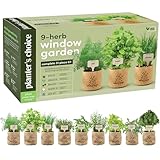
- A LUSH OASIS IN YOUR HOME: Elevate your indoor space with a vibrant array of nine gourmet herbs. Feel the unparalleled freshness that only home-grown herbs can offer.
- THE ULTIMATE KIT: You get everything you need to start and sustain your herb garden. From seeds to full bloom, our kit ensures a seamless, hassle-free gardening experience. Grow Dill, Basil, Chives, Thyme, Parsley, Oregano, Cilantro, Sage, and Mustard.
- NO GREEN THUMB REQUIRED: Whether you're a seasoned gardener or just starting, our step-by-step guide simplifies the process. Dive into our booklet's detailed soaking tips, sowing instructions, and herb-specific care routines, ensuring success for all skill levels.
- PREMIUM QUALITY SEEDS: Our heirloom seeds, premium-sourced and vacuum-sealed, provide the best results. While others give you subpar seeds, we promise optimal germination rates and robust growth.
- PLANT WITH POWER: Say goodbye to guesswork! Our nutrient-rich soil discs, pre-fertilized and expand 6-8 times their size, provide an optimal growth environment. Your plants will thank you with lush, vibrant growth (Actual product size 7 x 4.5 x 4 Inch).
10. Dill
Dill grows quickly and is valuable for pickling, seafood, salads, and sauces. Sow dill from seed, give it sufficient light, and expect to reseed periodically. Tall varieties may outgrow a small countertop pot, so choose a suitable container and harvest young growth regularly.
Independent reader supportYour contribution helps us test, update, and keep practical guides available for everyone.How should you harvest and preserve indoor herbs?
Harvest by pinching or snipping regularly rather than stripping a plant bare. Regular light harvesting helps maintain useful, compact growth, while taking too much at once can weaken a small indoor plant. Use tender leaves fresh whenever possible.
Basil, parsley, mint, dill, and cilantro are generally better used fresh or frozen because tender herbs can be difficult to dry well. Sage, thyme, oregano, and rosemary have stronger, more substantial foliage and are better drying candidates. Penn State’s herb-drying guidance provides preservation-specific instructions rather than treating every herb the same way.
Quick wins for a faster PC:
Repair Windows errors before they cause bigger problemsFix Now →Scan for outdated or missing drivers - takes under a minuteDriver Scan →Clear out junk files and repair common Windows errorsFree Scan →Is a hydroponic herb garden worth it?
A countertop hydroponic herb garden is optional, not essential. Hydroponics can suit an apartment with little usable window space and can combine a reservoir, plant pods, and artificial light in one compact system, but ordinary pots remain the simpler and lower-commitment default.
For a concrete example of the type of system available, the manufacturer lists the Click & Grow Smart Garden 3 with a 1.2-liter/40-ounce water tank and 8W LED lighting on its official product page. Those specifications describe that particular model, not every countertop hydroponic garden. The University of Minnesota Extension’s small-scale hydroponics guidance can help readers understand the method, while replacement pods and ongoing system-specific supplies are practical considerations before buying.
A small indoor herb garden kit is convenient when you want the light, reservoir, and planting system in one package. Choose a kit when light and space are the main constraints; choose ordinary pots when you already have a bright window and want the lowest-cost, easiest-to-replace setup.
What should you buy first for indoor herbs?
- Choose one bright south-facing window, or select a grow light if the available room is dim.
- Buy containers with drainage holes, saucers, and a light indoor potting mix.
- Start with two or three herbs rather than all ten if you are learning how your room dries pots.
- Use seeds for basil, chives, cilantro, parsley, and dill; consider starter plants for rosemary and mint.
- Keep mint separate from other herbs.
- Check soil moisture before watering and group herbs with similar moisture preferences where practical.
- Feed with a diluted water-soluble fertilizer according to the label, no more often than the recommended light schedule.
- Harvest small amounts frequently and reseed cilantro or dill when plants become short-lived or tall.
The best first combination for a sunny windowsill is basil, chives, parsley, and thyme: the group covers several common cooking uses and includes both tender and compact herbs. Add mint in its own pot, and choose rosemary only when the window or grow light is genuinely bright.
Frequently Asked Questions
Which herbs are easiest to grow indoors?
The easiest indoor herbs for many beginners are chives, basil, mint, parsley, oregano, and thyme when they receive enough light. Mint is forgiving but needs its own pot, basil needs regular moisture, and oregano and thyme need well-draining soil with some drying between waterings.
How much light do herbs need indoors?
Indoor herbs generally need at least six hours of direct sunlight. If a window cannot provide that, use a plant grow light; Penn State Extension gives 14–16 hours under two 40-watt cool-white fluorescent bulbs as one supported artificial-light arrangement.
Can you grow mint with other indoor herbs?
Mint should be grown in its own pot because mint spreads through rhizomes and can invade neighboring containers. A separate container is the safest indoor setup for mint.
Should indoor herbs be grown from seeds or starter plants?
Seeds are usually the simplest starting route for basil, parsley, chives, cilantro, and dill. Rosemary and mint are often easier from a starter plant or division, while parsley may require patience because germination can be slow.
Recommended Free Tools
The Bottom Line
The 10 best herbs to grow indoors are basil, chives, cilantro, mint, parsley, oregano, rosemary, sage, thyme, and dill. Start with the herbs you will actually cook with, provide at least six hours of direct light or suitable supplemental lighting, use drainage-first containers, and match watering to each herb rather than following a fixed calendar.
Quick Recap
Product prices and availability are accurate as of the date/time indicated and are subject to change. Any price and availability information displayed on Amazon at the time of purchase will apply.

