Recommended Free Tools
Some links on this page are affiliate links: if you buy through them we may earn a commission, at no extra cost to you.
Why is my poinsettia dying? The usual causes are overwatering, underwatering, poor drainage, cold drafts, heat, low light, or pests. Check the soil and roots first, move the plant to bright stable light away from drafts and heaters, and water only when the surface begins to dry.
Leaf and bract drop is a response, not a diagnosis. The same wilt can result from a dry root ball or roots rotting in saturated soil, while sudden decline after purchase often points to cold exposure. Correct the environment before reaching for fertilizer or pesticide.
As an Amazon Associate I earn from qualifying purchases.
A poinsettia can recover when living stems and viable roots remain, although damaged leaves and colorful bracts will not return to their former appearance.
Key takeaways
- Water a poinsettia when the soil surface begins to dry, then let excess water drain completely rather than following a fixed weekly schedule.
- Cold drafts, temperatures below 50°F, heat vents, fireplaces, and sudden temperature changes can cause rapid leaf and bract drop.
- Yellowing and wilting in persistently wet soil point more toward poor drainage or root rot than thirst.
- Bright daylight from a south-, east-, or west-facing window helps prevent leggy growth, sparse foliage, and further leaf loss.
- A green poinsettia may still be alive after its red bracts fade; recovery depends mainly on whether living stems and viable roots remain.
- Whiteflies, leaf spots, and stem lesions require separate inspection because leaf drop alone does not identify a pest or disease.
Why is my poinsettia dying?
A dying poinsettia is usually reacting to an environmental problem: incorrect watering, poor drainage, cold or fluctuating temperatures, heat and dry air, insufficient light, or pests. Disease is possible, but compare the symptom with the soil moisture, location, light, and root condition before treating the plant.
#1 Best Overall

- Trusted Since 2015: Become one of the many plant lovers who rely on the proven accuracy of XLUX. Established in 2015, our soil moisture meter has earned over 60,000+ verified ratings for its consistent performance. While many many newer brands come and go, we provide the long-term reliability and quality that American households have trusted for over a decade.
- Take the guesswork out of watering: While your eyes and fingers can only determine the moisture level of the soil surface, the XLUX meter tells you exactly what’s happening deep inside your pot or garden. Our high-sensitivity probe reaches the root zone where it matters most, requiring no batteries or charging—simply insert for an immediate, real-time reading to help your plants stay healthy and vibrant.
- Clear & Easy-to-Read Display: Perfect for beginners and expert gardeners alike. The large, color-coded dial features 10 distinct scales (Dry-Moist-Wet), making it incredibly simple to know exactly when to water. From lush Monsteras to tall Fiddle Leaf Figs, you’ll get the clarity you need at a single glance, ensuring every plant gets the precise care it deserves.
- Slim Single-Probe: Protects Delicate Roots: Protect your plants' health. Unlike bulky dual-probe testers or thick-diameter sensors that can tear and stress sensitive root systems, our sleek, slim-needle design slides smoothly into various soil types. It delivers reliable moisture data with minimal soil displacement, keeping your plants’ delicate roots safe and undisturbed while you monitor their hydration.
- Pristine Condition & Essential Care: To ensure you receive a factory-fresh instrument, each XLUX meter includes a custom anti-abrasion protective sleeve. This inner liner prevents micro-scratches during transit, maintaining the integrity of the 304 stainless steel probe. Usage Tips: 1. Soil Use Only (no liquids). 2. Temporary Test: Insert, read, and remove within 5 minutes. 3. Maintenance: Always wipe the probe clean and store it in its protective sleeve after use.
Begin by moving the poinsettia away from cold windows, exterior doors, drafts, heat vents, fireplaces, fans, and space heaters. Place it in bright daylight with stable indoor temperatures. Check the soil before watering, remove decorative foil or any outer container that traps water, and never leave the pot standing in water.
Recovery is possible when stems remain green or flexible and the roots are mostly firm. A poinsettia that suffered freezing exposure, extensive root rot, or complete collapse may not recover.
Do these 3 things before closing this tab:
1Repair Windows errors before they cause bigger problems2Scan for outdated or missing drivers - takes under a minute3Clear out junk files and repair common Windows errorsWhat does each poinsettia symptom mean?
The same symptom can have opposite causes. Wilting with dry soil suggests thirst or heat stress, while wilting with saturated soil suggests oxygen-starved roots. Use the table as a starting diagnosis rather than treating leaf drop as proof of one specific problem.
| What you see | Most likely possibilities | First response |
|---|---|---|
| Leaves fall and the soil is dry | Underwatering, excessive heat, or very dry indoor air | Water thoroughly if the mix has begun to dry, allow drainage, and move the plant away from heat. |
| Leaves fall while the soil is wet | Overwatering, poor drainage, or root rot | Stop watering temporarily, check drainage, and inspect roots if wetness persists. |
| Leaves drop soon after purchase | Cold exposure or temperature shock before, during, or after purchase | Keep the plant warm and stable, away from heaters; wait for new growth if stems remain alive. |
| Leaves are pale and stems are stretched | Insufficient light | Move the poinsettia gradually to a brighter window and rotate it periodically. |
| Leaves yellow and tiny white insects fly up | Whiteflies | Isolate the plant, inspect leaf undersides, and monitor or treat only after confirming the pest. |
| Leaves have distinct spots or stems have lesions | Disease or localized injury | Isolate the plant, remove fallen damaged material, avoid wetting foliage, and disinfect tools. |
How do you revive a wilted poinsettia?
To revive a wilted poinsettia, first determine whether the root ball is dry or waterlogged; adding water to already saturated soil can make the problem worse.
- Stabilize the location. Choose a bright indoor position away from exterior doors, cold glass at night, forced-air vents, fireplaces, radiators, fans, and space heaters. Avoid moving the plant repeatedly between hot and cold areas.
- Check the moisture. Feel the soil surface and lift the pot if possible. A dry surface and unusually light pot support underwatering. A wet mix combined with wilting, yellowing, or leaf drop supports overwatering or root trouble. An indoor plant moisture meter can supplement touch and pot-weight checks, but it cannot replace checking drainage or roots.
- Water correctly when the mix is dry. Apply water thoroughly until some runs from the drainage holes. Let the pot drain completely, then empty water from the saucer or cachepot. Do not repeatedly add small amounts without confirming that water is reaching and leaving the root ball.
- Correct trapped water. Remove decorative foil or set the plant into a container with a drainage opening. A houseplant pot with drainage holes and saucer is appropriate when a decorative wrapper or non-draining outer pot is holding water; the visible product link can be added after merchant verification.
- Inspect roots if soil stays wet. Slide the plant carefully from its pot. Healthy roots are generally firm; brown, soft, mushy roots indicate possible rot. Remove only clearly rotted tissue with a clean tool if enough viable roots remain, then repot into a suitable, well-draining mix and use a container with drainage.
- Wait for living growth. Damaged leaves and bracts will not regain their former appearance. Green, firm stems and new buds are better evidence of recovery than the color of the old foliage.
University of Minnesota Extension’s poinsettia care guidance recommends moist—but not saturated—soil, good drainage, bright light, and protection from drafts and heat sources. Those corrections should come before fertilizer or pesticide.
Why are my poinsettia leaves falling off?
Poinsettia leaves commonly fall because the plant experienced a sudden change in temperature, moisture, light, or humidity. Leaves that drop shortly after purchase deserve special attention because cold exposure may have happened before the plant reached your home.
The Tool Desk
Outbyte Driver Updater FREEFix the driver behind crashes, sound loss and screen glitchesFind Drivers →Outbyte PC Repair FREERepair Windows errors before they cause bigger problemsFix Now →The Royal Horticultural Society explains that poinsettias exposed to cold or draughty display conditions can suffer physiological shock and continue deteriorating after they arrive home. The RHS growing guide states that poinsettias need a minimum temperature of approximately 55–60°F and that cooler conditions can cause leaves and bracts to drop. University of Minnesota Extension warns that exposure below 50°F can damage poinsettias, while freezing temperatures can kill them.
Rank #2

- Accurate Soil Moisture Detection: The XLUX Soil Moisture Meter can tell you if the soil deep inside your pot or garden is dry, moist or wet; whereas your eyes and fingers can only determine the moisture level of the soil surface. The probe is 5.5 inches (14 cm) longer than regular styles, allowing it to measure the soil moisture at the bottom of larger and deeper flower pots.
- Easy-to-Read Large Dial: The large dial is easy to read and includes three zones with ten scales, making it very straightforward to understand.
- Immediate Moisture Reading: Insert the probe into the soil, and without waiting, the dial will immediately display the moisture level. You can then decide whether your plant needs watering based on the measurement. Do not leave this moisture meter in the soil for more than 5 minutes, as the metal tip will gradually corrode.
- Less Damage: A single probe causes less damage to plant roots compared to double or multiple probes, and when you remove the probe after testing, it won't bring out much soil.
- Usage Precautions: Do not use it to test very hard soil. Do not test water or other liquids. After testing, please wipe the probe clean.
Cold-damaged leaves and bracts cannot be restored. Keep surviving stems in a warm, stable location and continue appropriate care. If the stems stay green and firm, the plant may produce new growth even after much of the display has fallen.
How should you water a poinsettia?
Water a poinsettia when the soil surface feels dry to a light touch or the pot feels noticeably lighter, then water thoroughly and allow complete drainage. The correct interval varies with pot size, soil, light, temperature, and indoor humidity, so a rigid weekly schedule is unreliable.
Severe wilting should be avoided because it accelerates leaf and bract drop. At the same time, constantly saturated soil deprives roots of oxygen. Oklahoma State University notes that repeatedly watering already-wet soil can cause leaves to wilt, yellow, and fall.
If water runs down the sides without soaking the root ball, the mix may have become very dry and shrunken. Water slowly and thoroughly, checking whether moisture is actually entering the soil and emerging from the drainage holes. Do not leave the plant submerged in a saucer, foil wrapper, or decorative cachepot.
What temperature and light does a poinsettia need?
A poinsettia needs bright daylight and stable warmth, not a hot or drafty position. University of Minnesota Extension lists 65–70°F as the ideal indoor temperature range in its 2026 poinsettia care guidance.
| Condition | Recommended approach | Risk if ignored |
|---|---|---|
| Light | Bright light near a south-, east-, or west-facing window; filter intense sun with a sheer curtain if the location overheats. | Leggy stems, sparse growth, poor display, and leaf drop. |
| Temperature | Keep the plant around 65–70°F and away from drafts and sudden changes. | Physiological shock and rapid leaf or bract loss. |
| Cold exposure | Protect the plant from cold windows, doors, and outdoor transport. | Damage below 50°F; freezing exposure may be fatal. |
| Heat and airflow | Keep it away from radiators, fireplaces, space heaters, fans, and forced-air vents. | Rapid drying, wilting, scorched foliage, and premature drop. |
University of Minnesota Extension recommends a south-, east-, or west-facing window for indoor poinsettia light. Insufficient light can produce elongated stems and sparse growth, while excessive direct sun in a hot location can overheat the plant. Rotate the pot so all sides receive light, and move the plant gradually rather than exposing stressed foliage to a sudden change.
Why is my poinsettia turning yellow?
A yellowing poinsettia may be overwatered, root-damaged, light-starved, or infested with whiteflies. Yellow leaves alone do not identify the cause, so inspect the soil and the undersides of the foliage before treating.
Rank #3

- Accurate Soil Moisture Detection: The XLUX Soil Moisture Meter can tell you if the soil deep inside your pot or garden is dry, moist or wet; whereas your eyes and fingers can only determine the moisture level of the soil surface. The probe is 5.5 inches (14 cm) longer than regular styles, allowing it to measure the soil moisture at the bottom of larger and deeper flower pots.
- Easy-to-Read Large Dial: The large dial is easy to read and includes three zones with ten scales, making it very straightforward to understand.
- Immediate Moisture Reading: Insert the probe into the soil, and without waiting, the dial will immediately display the moisture level. You can then decide whether your plant needs watering based on the measurement. Do not leave this moisture meter in the soil for more than 5 minutes, as the metal tip will gradually corrode.
- Less Damage: A single probe causes less damage to plant roots compared to double or multiple probes, and when you remove the probe after testing, it won't bring out much soil.
- Usage Precautions: Do not use it to test very hard soil. Do not test water or other liquids. After testing, please wipe the probe clean.
Whiteflies are tiny sap-feeding insects that may fly up when the plant is disturbed. Immature whiteflies usually remain on leaf undersides, where honeydew and black sooty mold may also develop. UC Integrated Pest Management guidance on whiteflies identifies poinsettias as a common host and notes that whiteflies can cause yellowing and leaf drop.
- Isolate a suspected infested poinsettia from other houseplants.
- Inspect both sides of leaves and check nearby plants.
- Rinse pests from foliage where practical and use yellow sticky traps to monitor adult insects.
- For a confirmed infestation, consider insecticidal soap or horticultural oil only if the product label lists the plant and pest. Follow the label exactly and avoid treating an undiagnosed plant.
Yellow sticky traps for houseplants can be a useful monitoring aid when whiteflies are observed, while insecticidal soap for houseplants belongs only in a confirmed, properly labeled pest-treatment plan. The placeholder links require product and merchant verification before publication.
Could a disease be killing the poinsettia?
Disease is more plausible when the plant has distinct expanding leaf spots, stem lesions, or recurring damage that does not match a watering or temperature problem. Leaf drop by itself is not enough to identify a pathogen.
UC IPM’s poinsettia disease guidance describes bacterial leaf spot and other diseases whose symptoms can include leaf spots, stem lesions, and infection associated with plant debris. Isolate the plant, remove heavily damaged fallen material, keep water off the foliage, and disinfect pruning tools. Avoid naming a specific disease from one photograph or one general symptom.
Crashes, No Sound, or Screen Glitches?
Random freezes, missing sound and display glitches usually trace back to one bad driver. Find and replace yours safely.Free scan · under a minutePC Slower Than It Used to Be?
A free scan shows the junk files, broken settings and background clutter dragging Windows down - then fixes them in one click.Free scan · Windows 10 & 11Is my poinsettia dead or merely dormant?
A green poinsettia with faded or fallen red bracts is not necessarily dead. The colorful red, pink, or cream parts are modified leaves called bracts; the small yellow structures in their centers are the true flowers. Bracts naturally fade and drop after the display period.
Good signs include green or flexible stems, some firm green leaves, mostly firm roots, and new buds or growth after the environment improves. Poor signs include an entirely brown and brittle plant, a soft rotting stem base, extensively mushy roots, freezing exposure, or continued decline while the mix remains saturated.
No reliable household survival percentage establishes whether a poinsettia will recover. The practical decision is conditional: preserve the plant when living stems and viable roots remain; replace it when the whole plant is brittle, frozen, collapsed, or extensively rotted.
How long should poinsettia bracts last after Christmas?
A properly cared-for poinsettia commonly remains attractive indoors for 6–8 weeks, according to Illinois Extension’s current care guidance. Newer cultivars may retain their display for several months under suitable conditions, according to Oklahoma State University guidance.
Rank #4
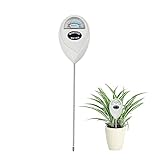
- 【SAVE YOUR PLANTS】: Over watering can cause problems with your plants or even kill them. This soil moisture meter helps you know the soil is dry, moist or wet.No more over watering!
- 【ACCURATE & FAST READING】: This plant moisture sensor can get accurate and fast reading of moisture level in the soil, just plunge the probe sensor into the soil to the plant root region and read the meter. No need to wait!
- 【NO BATTERY NEEDED】: The plant hygrometer is simple and easy to use, no battery or electricity needed. The meter probe can easily get down to the plant roots area and tell if you need to water or not.
- 【INDOOR OUTDOOR USE】: With 6.7 inch long probe sensor design, this soil moisture meter is suitable for both indoor and outdoor use. Great lifesaver for indoor outdoor plants and flowers, hanging flower baskets, potted plants,vegetable, grass watering,picky plants.
- 【GREAT SIZE & PORTABLE】: This soil meter is a great handy tool for home gardeners, plant lovers, beginners. Do not leave the soil moisture meter in the soil for long time or directly soak it into a cup of water that will ruin the device.
Bract fading after the normal display period is different from sudden collapse caused by cold, drought, waterlogging, or pests. Continue bright light and careful watering after the color fades if the goal is to keep the plant as a green houseplant.
Independent reader supportYour contribution helps us test, update, and keep practical guides available for everyone.How do you keep a poinsettia alive after the holidays?
After the holidays, keep the poinsettia in bright light, water when the surface begins to dry, and begin dilute feeding only when new growth appears. Fertilizer is not a rescue treatment for wilt, cold damage, or root rot.
Once new growth is visible, use a balanced all-purpose houseplant fertilizer at half strength according to the label and the plant’s care guidance. A dilute houseplant fertilizer is relevant for long-term maintenance, not for a poinsettia that is currently waterlogged or severely stressed. The placeholder product link requires publication-time verification.
Prune leggy growth in spring and repot only when appropriate, using a container with good drainage. Clean, sharp small bypass pruning shears can help with spring shaping or the annual reblooming routine; wear gloves because poinsettia sap can irritate skin. The placeholder product link also requires verification.
What’s actually slowing this PC down?
Pick the symptom - the matching free tool is one click away.
Can a poinsettia bloom again next year?
A poinsettia can rebloom, but reblooming requires a carefully timed light-and-darkness routine and is a hobby project rather than a guaranteed result. Home-grown plants may become taller and less compact than commercially managed holiday plants.
University of Minnesota Extension recommends cutting a leggy plant back to about five inches around Valentine’s Day, then following a seasonal schedule of pruning, outdoor growth when conditions permit, and indoor preparation. Beginning around the fall equinox, its schedule calls for 16 hours of uninterrupted darkness and 8 hours of bright light each day.
The RHS describes a comparable requirement of approximately 8–10 weeks with fewer than 12 hours of light per day. Oklahoma State University gives a practical complete-darkness schedule of approximately 5 p.m. to 8 a.m. beginning in late September. Artificial light at night can interrupt the dark period, so the plant needs a genuinely dark location or a reliable covering routine.
For the detailed seasonal sequence, follow University of Minnesota Extension’s poinsettia schedule and compare it with the RHS growing guide, because timing and outdoor conditions vary by climate.
Quick wins for a faster PC:
Clear out junk files and repair common Windows errorsFree Scan →Scan for outdated or missing drivers - takes under a minuteDriver Scan →Are poinsettias poisonous?
Poinsettias are not generally considered highly poisonous, but their milky sap can irritate skin and eyes, and eating foliage or bracts may cause gastrointestinal upset. University of Minnesota Extension states: “Poinsettias are not poisonous, but the sap may cause dermatitis.”
Best Value
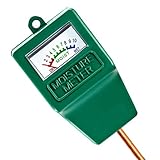
- Soil Moisture Meter: This single probe soil moisture meter is specially designed for testing the moisture level in the soil, helps you decide whether the plants need water or not, helps to keep plants alive.
- Easy to Use:No batteries or electricity needed,just insert the water meter probe into the soil to the plant root level, the indicator pointer will show you the readings immediately.
- Accurate and Reliable: Single probe sensor is very sensitive, pointer on the dial moves quickly and display accurate values when testing soil moisture. 7.6” long probe is also suitable for large potted plants.
- Portable & Lightweight:This soil hygrometer can be used both indoors and outdoors, with its portable and compact design, you can test at any time any place as you want.This soil moisture meter is a great handy tool for potted plants, garden, farm, lawn plant care.
- Warm Prompt: This meter is designed for soil only, can not be used to test water or other liquid directly. Please not let the probe touch stones while inserting. Please wipe the probe after each use.
Wear gloves when pruning or handling broken stems, keep sap away from eyes and mouth, wash tools after sap exposure, and keep the plant away from small children and pets. Seek appropriate medical or veterinary advice after a concerning ingestion or reaction.
When should you replace a poinsettia?
Replacement is more realistic when the entire plant is brown, brittle, collapsed, or frozen; the stem base is soft; roots are extensively mushy; or the plant remains saturated and declines despite correcting drainage. A plant with green stems and a viable root system deserves a recovery attempt first.
When buying another poinsettia, choose a plant that has been protected from cold and draughty retail conditions. The RHS warns that cold exposure at the point of sale can cause deterioration after purchase, so transport the plant protected from outdoor temperatures and move it promptly to a stable indoor location.
Free tools Windows power users keep installed
One-click scans. No signup required.
Frequently Asked Questions
Can I bring my poinsettia back to life?
A poinsettia can often be saved if its stems remain green or flexible and its roots are mostly firm. Move the plant to bright, stable conditions, correct watering and drainage, and inspect for pests or root rot. A completely brown, brittle, frozen, collapsed, or extensively rotted plant may not recover.
How often should I water a poinsettia?
Water a poinsettia when the soil surface begins to dry or the pot feels unusually light, then water thoroughly and let all excess drain away. Do not use a fixed weekly schedule or leave the pot standing in water.
Why are my poinsettia leaves dropping after Christmas?
Poinsettia bracts naturally fade and drop after the holiday display, so a green plant is not necessarily dead. Faded bracts are modified leaves, while the small yellow structures in the center are the true flowers; living green stems and viable roots indicate that the plant may continue growing.
How do I get my poinsettia to bloom again next year?
Reblooming is possible but requires approximately 8–10 weeks of short days and uninterrupted darkness each night. University of Minnesota Extension describes a fall routine of 16 hours of darkness and 8 hours of bright light daily, while artificial light during the dark period can prevent successful color development.
The Bottom Line
The fastest way to save a declining poinsettia is to diagnose the root environment before adding anything: provide bright, stable warmth; water only when the surface begins to dry; correct trapped water; and inspect roots when wet soil accompanies wilting or yellowing. Treat pests only after confirming them. Green stems and viable roots mean recovery may still be possible, while freezing damage and advanced rot often make replacement the more practical choice.
Quick Recap
Product prices and availability are accurate as of the date/time indicated and are subject to change. Any price and availability information displayed on Amazon at the time of purchase will apply.

