A pretty garden layout is not just a matter of choosing colorful plants. The layout has to work with the house, the grade, the water, the utilities, the walkways, and the way people actually use the property. The fastest answer is this: place plants by mature size, sun exposure, water demand, drainage, maintenance access, and the main views from the curb, entry, patio, and windows. Do that before you buy a single shrub.
On our job sites, the best-looking planting beds usually come from the least glamorous step: layout. We mark bed lines, confirm drainage, check clearances, call for utility marking when digging is involved, and space plants for where they will be in year three or year five, not how they look in a nursery pot on day one. That is what separates a garden that matures gracefully from one that needs constant pruning, replanting, and repair access.
As an Amazon Associate I earn from qualifying purchases.
This guide walks through a practical contractor-style process for laying out a garden with strategic plant placement: how to map the site, where to put tall and low plants, how far to stay from the house, how to group plants by water needs, what it costs in 2026, and when the work is reasonable to DIY versus when it belongs with a pro.
Recommended Free Tools
Start With a Scaled Base Map, Not a Plant List
Before picking plants, make a simple scaled plan of the area. For most homeowners, 1 inch equals 4 feet or 1 inch equals 8 feet is accurate enough. Measure the house wall, bed depth, doors, windows, downspouts, walkways, driveway edges, fences, patios, steps, HVAC equipment, hose bibs, cleanouts, meters, and any existing trees or shrubs you plan to keep.
#1 Best Overall

- 【NEW ARRIVAL】Bengal Imported 100% Natural Jute Twine String. 3 ply Φ/ 2 mm * 600 Feet (182M approx) twine. Larger amount, cost saving!!! Made of natural jute fiber, and won’t hurt environment.
- 【PURE NATURAL】Our twine is made from high-quality natural fibers. High quality, soft tone, natural texture of jute. No harmful substances, no extreme stinky smell. Eco-friendly, biodegradable, and easy to use around the house. Our jute twine is soft but strong, and it will prevent items you beading or hanging from damaging.
- 【DECORATION&CRAFT】Make a pretty gift wrap, gift card string, photos string, art crafts and DIY projects. For wedding, birthday, and more, to create a handmade rural style decoration.
- 【FEATURES】Our jute twines are widely used in packaging, strapping, gardening, greenhouses, pastures, bonsai because of its abrasion resistance, corrosion resistance, rain resistance and easy to use.
- 【MANUFACTURER】We are the professional manufacturer engaged in the research, development, production, sale and service of many kinds of ropes. Our products are exported to North America, Europe, Australia and Southeast Asia and other areas. We are committed to providing best products and services. If you have any questions, please contact us.
Add the practical information that affects plant survival: sunny areas, shade patterns, low wet spots, compacted soil, slopes, roof runoff, wind exposure, deer pressure, and places where snow, leaves, or runoff collect. If you are near a sidewalk, driveway, septic field, retaining wall, utility easement, or property line, mark that too.
A base map keeps the layout honest. A 3-gallon shrub may look small at the garden center, but if the mature spread is 5 feet, it needs roughly 5 feet of room unless you are intentionally planting a hedge. If a perennial spreads 24 inches, center-to-center spacing should respect that mature width. Crowding plants may look full the first season, but it usually creates fungal problems, blocked airflow, crowded walkways, and heavy pruning by year two or three.
What to Measure Before You Lay Out the Bed
At minimum, measure the bed length, planned bed depth, building clearances, walkway width, utility locations, and major views. A front foundation bed that is only 24 inches deep limits your plant choices. A 5- to 6-foot-deep bed can hold a real layered design with shrubs, perennials, and edging plants. Around patios and entries, preserve walking space first. A main walk should usually feel comfortable at 4 feet wide or more, while service paths and garden access paths often work at 24 to 36 inches depending on use.
The Tool Desk
Outbyte PC Repair FREERepair Windows errors before they cause bigger problemsFix Now →Outbyte Driver Updater FREEFix the driver behind crashes, sound loss and screen glitchesFind Drivers →If you plan to dig for shrubs, trees, edging, irrigation, fence posts, lighting, or mailbox work, contact 811 a few business days before digging. Utility marking is not just for major construction. Residential planting projects can still hit buried electric, gas, communication, or irrigation lines.
Design From the Main Viewpoints
A garden is seen from specific places, not from a drone. The best layouts start by identifying the views that matter: the street, the front walk, the front door, the kitchen window, the driveway, the patio, and any seating area. Put focal plants where people actually see them.
For a front yard, the curb and entry approach usually matter most. A small ornamental tree or upright evergreen may frame the house better near a corner than directly in the center. For a backyard, the main view may be from the patio door or dining window. In that case, a layered island bed or border along the fence may do more for daily enjoyment than a front foundation bed nobody sees from inside.
Use plant placement to guide the eye. Taller structural plants can frame a view, mark a corner, or soften a blank wall. Mid-height shrubs and perennials create mass. Low plants define edges and keep the bed from looking unfinished. A single specimen plant can work as a focal point, but too many one-off plants make the garden look busy and hard to maintain.
Free tools Windows power users keep installed
One-click scans. No signup required.
Use Repetition Instead of Scattering
For most residential beds, repeated groups look better than isolated singles. Instead of buying 12 unrelated plants, use three groups of three, five, or seven plants. Odd-numbered drifts are not a magic rule, but they often look more natural and easier to read. Repetition also simplifies irrigation and maintenance because the same plant wants the same pruning, water, and spacing.
For example, a 20-foot-long front bed might use three evergreen anchors, five flowering shrubs, nine perennials in repeated clusters, and a low edging plant along the walk. That is usually more polished than 20 different plants spaced evenly like a collection.
Build the Garden in Three Layers
A reliable planting layout uses three layers: structural anchors, seasonal interest, and low edging or groundcover. This gives the garden shape even when flowers are not blooming.
Rank #2

- LONG AND THICK ENOUGH - Long: 656 Feet Thick: 2mm Very durable, you can use our jute twine for a long time
- HIGH QUALITY MATERIAL - Our green jute twine is made from premium natural jute, offering excellent strength and durability
- WIDELY USED - Our green garden twine is great for gardening projects, crafts, bundling, plant ties. Green color can hide well in the plant
- HANDY TO USE - Packed on a coil and it is very convenient to use. You can cut freely according to the length you want
- NOTICE - Just keep away from open flame in case that your hands get hurt
Layer 1: Structural Anchors
Structural anchors are the plants that carry the garden in winter, rain, and off-season weeks. They may be evergreens, woody shrubs, ornamental grasses, small trees, or strong foliage plants. Place them first on the plan. These plants usually belong at corners, along long blank walls, behind lower plantings, or in the center of island beds where they can be seen from all sides.
Use mature height and spread to set spacing. If a shrub matures at 4 feet wide, do not plant it 18 inches from the sidewalk unless you want to shear it constantly. If a small tree matures at 15 to 20 feet wide, do not place it tight against a roofline, sewer line, or driveway where roots and canopy will create long-term conflicts.
Layer 2: Seasonal Flowering Plants
The second layer provides bloom, texture, and seasonal change. This includes flowering shrubs, perennials, bulbs, and some ornamental grasses. Place these in masses rather than dots. Stagger bloom times so the bed is not finished after a two-week spring show. A strong planting plan may include spring bulbs, early summer perennials, late summer grasses, fall color shrubs, and evergreen structure.
Layer 3: Edging, Groundcover, and Low Plants
The lowest layer finishes the bed edge, reduces bare soil, and ties the design together. These plants are usually 6 to 18 inches tall and belong near paths, patios, driveways, and the front of borders. Keep them back from pavement enough that they can mature without spilling into walking areas unless that soft edge is intentional and safe.
Groundcovers can reduce mulch area over time, but they still need spacing and maintenance. Avoid aggressive spreaders near lawn edges, foundation vents, or small beds unless you are prepared to control them.
Quick wins for a faster PC:
Repair Windows errors before they cause bigger problemsFix Now →Fix the driver behind crashes, sound loss and screen glitchesFind Drivers →Clear out junk files and repair common Windows errorsFree Scan →Place Plants by Mature Size and Clearance
The most common garden layout mistake is planting for the current pot size. A 2-foot shrub may become a 6-foot shrub. A small ornamental grass may flop over a sidewalk after rain. A young tree may eventually shade out the sun-loving perennials underneath it.
Use the mature dimensions on the plant tag, local extension guidance, or nursery information. Then draw circles or ovals on the plan to represent mature spread. The bed may look open after installation, but that is normal. A professional layout often looks slightly sparse on day one because it is designed to fill in without becoming a maintenance problem.
Practical Clearance Guidelines
Exact spacing depends on species, soil, climate, and the building assembly, but these practical clearances help prevent problems:
- Keep shrubs far enough from siding that mature foliage does not rub the wall. Many foundation shrubs need at least 3 to 5 feet from the wall depending on mature spread.
- Keep mulch and soil below siding, brick weep holes, and weep screeds. Do not build beds that bury the bottom of the wall system.
- Preserve service clearance around HVAC units, meters, hose bibs, cleanouts, crawlspace entries, vents, and electrical equipment. Many HVAC units need roughly 2 to 3 feet of clear working space around the sides and more above for airflow, but confirm equipment requirements.
- Keep plants from narrowing main walkways. A 4-foot walk can feel tight if shrubs overhang it by 12 inches on both sides.
- Avoid large-rooted trees near foundations, sewer lines, septic areas, retaining walls, sidewalks, and driveways unless a qualified designer has checked mature size and root behavior.
These clearances are not just about neatness. They protect building performance, airflow, drainage, inspection access, and future repairs.
Group Plants by Water Needs
Hydrozoning is one of the smartest ways to make a garden easier to maintain. It means grouping plants with similar water needs together. Turf, vegetable beds, annual flowers, newly planted shrubs, drought-tolerant perennials, and established native plants should not all be watered the same way.
Rank #3
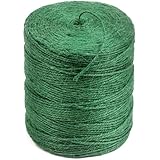
- 【GARDEN TWINE】Bengal Imported 100% natural jute, which is eco-friendly. Soft tone and natural texture can perfectly fit into the plants. The thickness of 2mm/2.5mm provides strong support for plants. This garden twine is a very sound and budget friendly choice for you.
- 【EASY TO USE】This twine is twined without inner core, which makes it very convenient to use. You can draw out the string from the hole without opening the packing film. And the twine won’t loose into a mess. Then, cut freely for any use.
- 【FEATURES】Our twine is made from high-quality natural fibers. No harmful substances, no extreme stinky smell. Eco-friendly, biodegradable, and safely used around the house. Soft but strong, and widely used in packaging, strapping, gardening, greenhouses, pastures, bonsai because of its abrasion resistance, corrosion resistance, rain resistance.
- 【DECORATION&CRAFT】You can use it to make a pretty gift wrap, gift card string, photos string, art crafts and DIY projects. For wedding, birthday, shower and more, to create a rustic decoration.
- 【MANUFACTURER】We are the professional manufacturer engaged in the research, development, production, sale and service of many kinds of ropes. Our products are exported to North America, Europe, Australia and Southeast Asia and other areas. We are committed to providing best products and services.
Mixing water needs in one bed creates predictable failures. Drought-tolerant plants can rot if placed beside thirsty annuals on frequent irrigation. Moisture-loving plants decline if they share a dry zone with plants that prefer leaner conditions. Good placement reduces both water waste and plant stress.
On a practical plan, mark high-water, moderate-water, and low-water zones. Drip irrigation is often the right choice for shrub and perennial beds because it delivers water near the root zone with less evaporation than overhead spray. Turf typically needs separate zones from planting beds. Sunny south-facing beds often need different irrigation timing than shaded north-facing beds.
In 2026, full sprinkler installations are commonly quoted around $1,700 to $3,550 nationally, with many full-yard systems falling closer to $2,500 to $5,000 depending on zones, valves, controller upgrades, trenching, and water-source access. Drip irrigation for beds may cost less than full turf irrigation, but pricing depends heavily on access and system complexity.
Do these 3 things before closing this tab:
1Clear out junk files and repair common Windows errors2Scan for outdated or missing drivers - takes under a minute3Repair Windows errors before they cause bigger problemsRespect Drainage, Soil, and Slope
A garden can be beautiful on paper and still fail if the drainage is wrong. Before planting, watch how water moves across the site. Roof runoff, downspouts, compacted soil, clay pockets, low spots, and hardscape edges all affect root health.
Most ornamental plants do not want saturated roots for long periods. If a bed stays wet after rain, fix the water issue before installing plants. That may mean extending downspouts, regrading, adding a drain, loosening compacted soil, building a raised bed, or choosing plants adapted to wet soil. Mulch will not correct poor drainage. It can reduce evaporation and erosion, suppress weeds, and moderate soil temperature, but it is not a substitute for grading or soil preparation.
On sloped sites, place plants to slow runoff and stabilize soil, but do not block drainage paths that protect the house. Water should move away from the foundation. Beds that trap roof water against the wall create moisture issues and can contribute to settlement, rot, insect problems, and basement or crawlspace water concerns.
Soil Preparation Comes Before Mulch
For new beds, remove weeds, loosen compacted soil, and amend based on actual soil conditions. A simple soil test can identify pH and nutrient issues before you spend hundreds or thousands of dollars on plants. In heavy clay, over-amending only the planting hole can create a bathtub effect where water collects around roots. It is usually better to improve the broader bed area and choose plants suited to the soil.
Mulch should typically be installed around 2 to 3 inches deep for many organic mulches. Keep it pulled back from trunks, crowns, siding, and weep areas. Deep mulch piled against stems or tree trunks holds moisture where it does not belong and can damage plants.
Plan Bed Shape, Edging, and Access
Bed shape should serve the house and the maintenance plan. Smooth curves are easier to mow around than tight wiggles. Straight edges fit formal homes, modern patios, and narrow side yards. Deep beds allow real layering, while shallow strips often become crowded and difficult to maintain.
For foundation beds, a depth of 5 to 8 feet often gives enough room for layered planting without pushing everything against the house. Smaller homes or narrow lots may need less, but a 2-foot strip rarely supports more than low perennials or compact shrubs. Around patios, leave space for chairs to move. Around driveways, account for car doors, snow storage in cold regions, and sightlines for backing out.
Rank #4

- 【BULK VALUE ADVANTAGE】This set perfect for long-term use, family needs, or business bulk orders. Maximize your budget with our cost-effective bundle pricing.The more you buy, the more you can maximize your budget with our affordable package prices.
- 【NATURAL JUTE】Made from premium jute fiber, this soft yet durable twine is gentle on hands and ideal for delicate crafts or practical tasks like securing tomato vines and hanging home decor.
- 【2 ROLLS, 1600 FEET TOTAL】Each roll delivers 800 feet of 2mm-thick jute string. Lightweight and tangle-free, it’s easy to cut to any length for projects big or small.
- 【3-PLY REINFORCED STRENGTH】Triple-twisted construction ensures secure knots for hanging heavy items, bundling herbs, or crafting macrame wall art. Durable for indoor and outdoor versatility.
- 【RUSTIC CHARM FOR CREATIVE PROJECTS】Perfect for adding natural elegance to gift wrapping, photo displays, wedding favors, or holiday decorations. Its earthy texture enhances farmhouse-style DIY accents.
Maintenance access matters. If a bed is more than 6 to 8 feet deep and can only be reached from one side, plan stepping stones, a narrow service path, or open spacing where someone can weed, prune, and inspect irrigation. A garden that cannot be reached will look neglected faster, no matter how nice the original layout was.
What’s actually slowing this PC down?
Pick the symptom - the matching free tool is one click away.
Typical 2026 Garden Layout and Installation Costs
Costs vary by region, access, slope, plant size, soil work, irrigation, edging, mulch choice, drainage corrections, and whether the project is phased. Still, 2026 national figures are useful for planning a realistic budget.
| Project item | Typical 2026 cost range | What changes the price |
|---|---|---|
| Professional landscape design | $2,200-$6,180 per project, or $50-$150 per hour | Site complexity, plan detail, revisions, planting schedule, drainage or hardscape coordination |
| High-end master plan | Up to about $15,000 | Large properties, phased construction, grading, lighting, irrigation, hardscape, permits |
| Flower bed installation | About $1,000-$3,000 per bed, often $10-$20 per sq. ft. | Bed prep, plant maturity, edging, mulch, demolition, access, soil amendment |
| Simpler planted beds | About $4.50-$13.50 per sq. ft. | Basic layouts, smaller plants, minimal grading, simple mulch and edging |
| General landscaping | Commonly $5-$20 per sq. ft.; complex work $30-$40+ per sq. ft. | Hardscape, drainage, mature trees, lighting, irrigation, grading, demolition |
| Mulch installed | Often $30-$120 per cubic yard; contractor-installed ranges may run $50-$150 per cubic yard | Material type, delivery, bed prep, edging, site access, depth, labor |
| Shrubs installed | Roughly $25-$300 each | Species, container size, quantity, access, warranty, soil work |
| Trees installed | Roughly $120-$2,500 each | Caliper size, delivery, equipment, staking, location, warranty, soil conditions |
| Irrigation system | Often $1,700-$3,550; full-yard systems commonly $2,500-$5,000 | Number of zones, trenching, controller, valves, water source, drip versus spray |
For a small DIY refresh, a homeowner might spend a few hundred dollars on compost, mulch, edging, and young plants. For a professionally installed front foundation bed with soil preparation, shrubs, perennials, edging, mulch, and cleanup, $1,000 to $3,000 per bed is a common planning range. Add irrigation, drainage correction, stone edging, lighting, mature plants, or grading, and the price can climb quickly.
Permits, Utilities, and Local Rules
Most simple planting-bed redesigns do not require a building permit. Planting flowers, replacing mulch, or reshaping a small bed is usually ordinary yard work. The rules change when the project includes retaining walls, major grading, drainage discharge changes, irrigation connections, electrical lighting, work in easements, tree removal, or structures near property lines.
Retaining walls are a common trigger. Many jurisdictions start requiring permits or engineering when a wall reaches a certain height, often around 3 to 4 feet, though local rules vary. A shorter wall may still need review if it supports a surcharge, sits near a property line, affects drainage, or is part of a larger grading plan.
Crashes, No Sound, or Screen Glitches?
Random freezes, missing sound and display glitches usually trace back to one bad driver. Find and replace yours safely.Free scan · under a minutePC Slower Than It Used to Be?
A free scan shows the junk files, broken settings and background clutter dragging Windows down - then fixes them in one click.Free scan · Windows 10 & 11HOAs may also regulate plant height, bed location, edging materials, tree removal, artificial turf, water use, and front-yard changes. In drought-prone states and municipalities, landscape water rules may affect irrigation, turf area, plant selection, and installation timing.
Before digging, call 811 a few business days in advance. For work near utilities, septic systems, wells, drainage structures, or easements, confirm restrictions before you buy plants. It is cheaper to move a line on paper than to relocate a tree after installation.
Independent reader supportYour contribution helps us test, update, and keep practical guides available for everyone.When to DIY vs. When to Hire a Pro
DIY can make sense when the project is small, access is easy, drainage is already working, and you are using young plants in a simple bed. A homeowner with a weekend, basic tools, and a clear plan can often reshape a small border, install mulch, plant perennials, and add compact shrubs.
Hire a pro when the layout touches drainage, grading, utilities, retaining walls, irrigation zones, lighting, mature trees, heavy demolition, poor access, or expensive plant material. Also bring in help when the planting bed affects the building: foundation clearance, siding height, downspout routing, crawlspace vents, basement moisture, driveway sightlines, or HVAC service access.
A professional crew brings sequencing discipline. On our jobs, the order usually matters: mark utilities, confirm bed lines, correct drainage, remove old material, prepare soil, install sleeves or irrigation lines, build edging or hardscape, place plants in containers for final review, plant at proper depth, water in, then mulch. Reversing that sequence wastes labor and can damage finished work.
Best Value

- 【PREMIUM CLASSIC TWINE】3 ply, 2 mm diameter, 1000 feet in size. Made from premium natural fibers originating in Bengal, our jute twine is strong, elastic, resistant to wear, and minimally shrinking. It is easy to use for various household tasks.
- 【PURE NATURAL】Crafted from natural jute fibers and premium material, our twine offers a soft texture and is easy to handle. It emits no strong odors.
- 【GREAT FOR ARTS & CRAFTS】Ideal for holiday gifts such as Christmas, Birthday, Mother's Day, Valentine's Day, Wedding, and Shower presents. Perfect for various crafts including gift wrapping, gift card tags, photo displays, plant hangers, hanging signs, crocheting, knitting, macramé, basket making, and numerous other DIY projects.
- 【MULTI-PURPOSE CONVENIENCE】This natural jute twine is widely used in packaging, strapping, gardening, greenhouses, pastures, and bonsai care. It offers excellent abrasion and is easy to handle for a variety of practical applications.
- 【MANUFACTURER】We are the professional manufacturer engaged in the research, development, production, sale and service of rope & twine. Our products are exported to North America, Europe, Australia and Southeast Asia and other areas.
Good DIY Projects
- Refreshing mulch at 2 to 3 inches deep after clearing weeds and debris.
- Adding small perennials to an existing bed with good soil and drainage.
- Creating a simple 30- to 80-square-foot flower bed away from utilities and structures.
- Replacing annual color in containers or front edging areas.
- Dividing mature perennials and repeating them in larger drifts.
Better Pro Projects
- New foundation planting around a home with drainage or grading concerns.
- Large beds with irrigation, lighting, stone edging, or hardscape tie-ins.
- Tree planting near structures, utilities, pavement, septic systems, or overhead lines.
- Retaining walls, terraces, or slope stabilization.
- Projects requiring permits, HOA approval, or water-use compliance.
A Practical Plant Placement Checklist
Use this checklist before buying plants or approving a layout. It catches the issues that make gardens fail after the first season.
- Sun: Does the plant match full sun, part shade, or full shade conditions for that exact spot?
- Water: Is it grouped with plants that need the same irrigation frequency and method?
- Mature size: Is spacing based on mature height and spread, not nursery size?
- Roots: Is the root system appropriate near foundations, sewer lines, sidewalks, driveways, and septic areas?
- Building clearance: Will foliage stay off siding, windows, vents, and weep areas?
- Utility clearance: Are meters, cleanouts, HVAC units, valves, and access panels reachable?
- Drainage: Does the bed move water away from the house instead of trapping it?
- Maintenance: Can someone weed, prune, mulch, inspect irrigation, and remove debris without stepping on plants?
- Seasonal interest: Does the bed have structure after peak bloom?
- Local rules: Are permits, HOA standards, water restrictions, and easements checked?
Final Layout Advice From the Field
A good garden layout should look intentional on installation day and better as it matures. That means accepting some open space early, repeating plants for cohesion, giving shrubs room to reach their natural form, and solving drainage before planting. It also means respecting the house as a building system. Plants should improve curb appeal without blocking airflow, trapping moisture, hiding service equipment, or creating future repair problems.
If you are planning your own bed, start with a measured drawing, mark the constraints, and place structural plants first. Then add seasonal color in repeated groups, finish with low edging plants, and mulch correctly. If the project involves grading, drainage, irrigation, utilities, retaining walls, or expensive plant material, get professional help before the work starts. Strategic plant placement is cheaper than fixing a crowded, wet, overgrown bed later.
Frequently Asked Questions
How do I decide where to place plants in a garden bed?
Start with a scaled plan showing sun, shade, drainage, utilities, walkways, windows, doors, and mature plant sizes. Place structural shrubs and trees first, then group perennials and low edging plants by height, water needs, and the main views from the house and street.
Should taller plants go in the back or the middle of a garden?
In a border bed viewed from one side, taller plants usually go in the back. In an island bed viewed from multiple sides, taller plants usually belong near the center, with mid-height plants around them and low plants at the edges.
How far should shrubs and flowers be planted from a house foundation?
Use mature spread as the guide. Many shrubs need at least 3 to 5 feet from the wall so they do not rub siding, block windows, trap moisture, or interfere with maintenance. Keep mulch and soil below siding, weep holes, and weep screeds.
How much does it cost to install a flower bed in 2026?
Professional flower bed installation commonly runs about $1,000 to $3,000 per bed, or roughly $10 to $20 per square foot. Simpler beds may be closer to $4.50 to $13.50 per square foot, while drainage, edging, mature plants, irrigation, and hardscape increase the price.
What’s actually slowing this PC down?
Pick the symptom - the matching free tool is one click away.
Should I call 811 before planting shrubs or trees?
Yes. If you will dig for shrubs, trees, edging, irrigation, lighting, fence posts, or similar yard work, contact 811 a few business days before digging so buried utilities can be marked.
What are the biggest mistakes homeowners make when laying out a garden?
The biggest mistakes are planting for nursery size instead of mature size, mixing plants with different water needs, ignoring drainage, planting too close to foundations or utilities, using too many one-off plants, and relying on mulch to hide poor soil preparation.
Quick Recap
Product prices and availability are accurate as of the date/time indicated and are subject to change. Any price and availability information displayed on Amazon at the time of purchase will apply.

