The exact answer cannot be confirmed without the Bing Quiz answer choices. The intended answer was most likely the warm-season vegetable in the list—commonly a tomato, pepper, cucumber, bean, eggplant, zucchini, okra, or sweet corn. These are generally frost-sensitive and are not normally classified as winter or cool-season vegetables.
By contrast, typical winter-garden vegetables include broccoli, cabbage, cauliflower, Brussels sprouts, kale, collards, spinach, lettuce, carrots, beets, radishes, and turnips.
As an Amazon Associate I earn from qualifying purchases.
The likely Bing Quiz answer
The original post and indexed quiz title do not show the multiple-choice options, so naming one vegetable as the definite answer would be guesswork. The reliable way to solve the question is to identify the warm-season crop among the choices.
Windows Errors? Fix Them Before They Spread
Repair common Windows errors and clear accumulated junk for a smoother, more stable PC - no reinstall needed.Free scan · no reinstallOutdated Drivers Are Slowing You Down
One free scan finds every outdated or missing driver and matches the right update for your exact hardware.Free scan · exact hardware matchIf the list included familiar vegetables such as kale, cabbage, broccoli, spinach, and tomato, the answer would probably be tomato. If it included a different mixture, the answer could instead be pepper, cucumber, green bean, eggplant, zucchini, okra, or sweet corn.
#1 Best Overall

- Easily Peel Potatoes, Apples, and Tough-Skinned Fruit: The swiveling twin blades with flexible action make this much more than just a potato peeler, it's about to be one of your kitchen essentials. Easily tackle all manner of tough-skinned produce.
- Count on the Soft Oversized Handle: The OXO peeler is engineered to make repetitive movements easier on your hands, especially when your facing large jobs, like pounds of potatoes, and need potato peelers that are up to the task.
- Trust the Non-Slip Grip: Even with wet hands, using it as a fruit peeler, you'll find it easy to maintain a firm grip and work efficiently.
- Carve Out Blemishes: The built-in potato eye remover makes quick work of pesky potato eyes without ruining your produce.
- Store it Easily: Utensil drawers can get chaotic so we built a large hole in the handle of our vegetable peelers so you can hang it where it's convenient.
In ordinary gardening terminology, these crops are planted after the danger of frost has passed and usually perform best in warm soil and warm weather. They are therefore the vegetables least likely to be considered winter vegetables.
What counts as a winter vegetable?
“Winter vegetable” is a gardening term rather than a single universal botanical category. It usually describes a crop that:
- grows best during cool weather;
- can tolerate light frost or remain productive into winter; or
- is harvested or stored for winter use.
The first two meanings are what most gardening quizzes intend. Cool-season crops generally handle lower temperatures better than tender summer crops. Their planting dates still depend on the local climate, the variety, and whether the crop is being grown outdoors, under cover, or harvested before severe winter weather.
University extension guidance from UC Cooperative Extension identifies brassicas, leafy greens, and several root crops as suitable for cooler conditions. A separate UC winter-vegetable guide contrasts crops such as tomatoes, peppers, and zucchini with cool-season vegetables.
Rank #2

- Smooth, Effortless Peeling - Dual Stainless Steel blades stay ultra sharp and swivel to glide along fruits and vegetables easily. Includes a built-in blemish remover.
- Save Time, Less Waste - Skins peel off quickly like they are melted butter without gouging your fruits or veggies. Takes off just the right amount so you save more precious produce.
- Smooth Glide Technology - Will not clog with peels. Dishwasher Safe.
- Soft Grip Handle For Maximum Comfort - The non-slip rubber handle is comfortable for both right and left-handed use and makes peeling enjoyable. Includes hole for easy hanging.
- Ergonomic Design - The peeler is efficient and lightweight and is easy to use, even for those with arthritis.
Common winter or cool-season vegetables
These are the vegetables most likely to be treated as winter vegetables in a general quiz:
| Group | Examples | Why they fit |
|---|---|---|
| Brassicas | Broccoli, cauliflower, cabbage, Brussels sprouts, kale, collards, bok choy | They generally perform well in cool weather, and many tolerate frost. |
| Leafy greens | Spinach, lettuce, arugula, mustard greens, Swiss chard | They are commonly grown during cool seasons, although hardiness varies by crop and variety. |
| Root crops | Carrots, beets, radishes, turnips, parsnips | Many can mature in cool weather, and some can remain in the soil for later harvest. |
| Other cool-season crops | Celery and related greens | They are commonly included in cool-weather planting recommendations. |
Texas A&M AgriLife Extension similarly separates frost-tolerant choices—including beets, lettuce, mustard, radishes, spinach, turnips, broccoli, carrots, cabbage, cauliflower, and Brussels sprouts—from frost-susceptible crops. See its fall vegetable gardening guide for the regional context.
If you are choosing crops for a real cool-weather garden rather than answering the quiz, cool-season vegetable seeds can be a practical starting point. Check the packet’s planting dates for your region: a seed mix marketed as a winter garden assortment is not automatically suitable for every climate.
Quick wins for a faster PC:
Repair Windows errors before they cause bigger problemsFix Now →Scan for outdated or missing drivers - takes under a minuteDriver Scan →Clear out junk files and repair common Windows errorsFree Scan →Vegetables that are usually not winter vegetables
The following are normally warm-season or frost-sensitive crops:
- Tomatoes
- Peppers, including bell peppers and chili peppers
- Cucumbers
- Green beans and other beans
- Eggplant
- Zucchini and summer squash
- Okra
- Sweet corn
These crops may be grown in a greenhouse, protected tunnel, heated structure, or mild-winter climate. That does not usually make them “winter vegetables” in the way the quiz uses the term. A season-extension setup can protect a crop from short cold spells, but it does not change the crop’s normal temperature preference.
Rank #3

- Sharp, hardened stainless steel blade easily peels cucumbers, apples and more
- Soft, comfortable, non-slip handle cushions hand during repetitive peeling motion
- Built-in potato eyer
- Removable cover protects blade
A season-extension guide from Tufts uses tomatoes, peppers, eggplant, zucchini, and green beans as examples of tender crops that are unsuitable for cold-weather growing in colder climates.
Why tomato or pepper may be the intended answer
Quiz writers often place one recognizable warm-season vegetable beside several clear cool-season examples. Tomato and pepper are especially likely distractors because people commonly call all edible plants “vegetables,” but their growing seasons are very different from those of kale, cabbage, carrots, or spinach.
The Tool Desk
Outbyte PC Repair FREEClear out junk files and repair common Windows errorsFree Scan →Outbyte Driver Updater FREEFix the driver behind crashes, sound loss and screen glitchesFind Drivers →That makes tomato the best single guess if the unavailable options contained a standard mixed list. Pepper is an equally plausible answer if the choices included tomato among the winter vegetables as a loose or region-specific classification. The missing options prevent a higher-confidence conclusion.
Important exceptions and wording traps
Winter squash is not the same as a winter vegetable
The word winter in “winter squash” refers largely to the fact that mature squash can be stored for winter, not that the plant grows well in cold weather. Pumpkins and winter squash are generally warm-season plants and are often killed by frost. They should not automatically be grouped with kale, carrots, or broccoli.
Rank #4
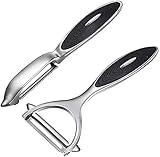
- 【Multi-Purpose Vegetable Fruit Peeler】 best for potato, vegetable, apple, veggie, carrot, mango, cucumber, tomato, onion, pear and more. Built-in potato-eye remover, high-quality kitchen utensils peeler.
- 【Dishwasher Safe & High Quality Material】The top high-quality rust-free carbon steel metal blade which better than stainless steel, and the zinc alloy body guaranteed non-rust, High-quality and anti-corrosion, dishwasher safe and easy to store.
- 【Ergonomic Design】Streamlined design makes peeling action smooth, meanwhile, the hand (Left Hand and Right Handed) won't feel uncomfortable, also good for arthritis hands.
- 【Peels Easy And Save Time】Ultra-Sharp wide swivel slade can maintain minimal resistance when peeling, and perfect fit the fruit or vegetable skin, won't clog with peels, save both time and labor!
- 【Good Grip and Non-Slip】The rubber part will keep the handle non-slip when your Hands or Peeler get wet. Y Shape Blade holder Can stably control the Peeler so that the blade is stressed uniformly and remove the skin correctly, perfect for both right and left hand.
Climate changes the practical answer
A vegetable can be grown during winter in one location and be impossible to grow outdoors during winter in another. Mild coastal climates, subtropical areas, greenhouses, and protected gardens have different planting calendars from regions with prolonged freezes. Even cool-season vegetables may stop growing during severe cold, while frost tolerance differs among varieties.
Texas A&M’s recommendations are specifically presented for Texas conditions, so they should not be treated as universal planting dates. The general classification—tender warm-season crops versus cool-season crops—is more portable than any particular calendar.
Recommended Free Tools
Frost tolerance is not the same as freeze-proofing
Broccoli, cabbage, kale, spinach, and related crops may tolerate light frost, but that does not mean every plant survives every freeze. Covering a bed with a frost protection row cover can help protect suitable crops from frost, but it does not turn tomatoes, cucumbers, or zucchini into naturally winter-hardy vegetables.
How to solve the question from the choices
- Look for the outlier. If most choices are cabbage, broccoli, spinach, carrots, or turnips, select the tomato, pepper, cucumber, bean, eggplant, or squash.
- Separate cool-season crops from warm-season crops. Ask whether the plant is normally started after frost danger or can be planted for a cool-weather harvest.
- Do not use “winter squash” as proof of winter hardiness. Squash is generally a warm-season crop despite its name.
- Allow for regional wording. In a mild climate, a tender crop may be produced during part of winter, but it is still usually classified as warm-season.
- If only one answer is required, choose the obvious warm-season outlier. Without the choices, tomato is a reasonable guess—not a verified recovery of the original quiz answer.
Short answer for the Reddit/Bing question
The answer was probably tomato or pepper, but the exact vegetable cannot be verified because the quiz choices are missing. More generally, the vegetable “not considered a winter veggie” would be whichever option is a warm-season crop, such as tomato, pepper, cucumber, bean, eggplant, zucchini, okra, or sweet corn. Winter vegetables are usually cool-season crops such as kale, cabbage, broccoli, spinach, carrots, beets, and turnips.
Independent reader supportYour contribution helps us test, update, and keep practical guides available for everyone.Frequently Asked Questions
What is the most likely answer to the Bing Quiz question?
Tomato is the best generic guess if the missing choices included common cool-season vegetables and one warm-season crop. Pepper, cucumber, bean, eggplant, zucchini, okra, or sweet corn could also be correct depending on the original options.
Best Value

- Smooth, Effortless Peeling - Dual Stainless Steel blades stay ultra sharp and swivel to glide along fruits and vegetables easily. Both peelers include a built-in blemish remover.
- 2 Piece Set: Swivel Vegetable Peeler and Y Peeler to Save Time and Waste Less - Skins peel off quickly like they are melted butter without gouging your fruits or veggies. Takes off just the right amount of peel so you save more produce.
- Smooth Glide Technology - Will not clog with peels. Dishwasher Safe.
- Soft Grip Handles For Maximum Comfort - The non-slip rubber handles are comfortable for both right and left-handed use and make peeling enjoyable. Includes hole for easy hanging.
- Ergonomic Design - The peelers are efficient and lightweight and easy to use, even for those with arthritis.
Are tomatoes winter vegetables?
Usually no. Tomatoes are frost-sensitive warm-season plants and are normally grown after the danger of frost has passed. They may be grown during winter in a greenhouse or very mild climate, but that does not make them typical winter vegetables.
Is winter squash a winter vegetable?
Usually no in the gardening sense. Winter squash is generally grown in warm weather; its name refers mainly to storage and winter use after harvest.
Which vegetables are best for a winter garden?
Common cool-season choices include broccoli, cauliflower, cabbage, Brussels sprouts, kale, collards, spinach, lettuce, carrots, beets, radishes, turnips, and related greens. Exact suitability and planting dates depend on the local climate and variety.
The Bottom Line
Bottom line: The original answer choices are not available, so no exact quiz answer can be proven. The intended answer was almost certainly the warm-season outlier—most likely tomato or pepper—rather than a cool-season crop such as kale, cabbage, broccoli, spinach, carrot, beet, or turnip.
Quick Recap
Product prices and availability are accurate as of the date/time indicated and are subject to change. Any price and availability information displayed on Amazon at the time of purchase will apply.

