Quick wins for a faster PC:
Repair Windows errors before they cause bigger problemsFix Now →Scan for outdated or missing drivers - takes under a minuteDriver Scan →Clear out junk files and repair common Windows errorsFree Scan →Some links on this page are affiliate links: if you buy through them we may earn a commission, at no extra cost to you.
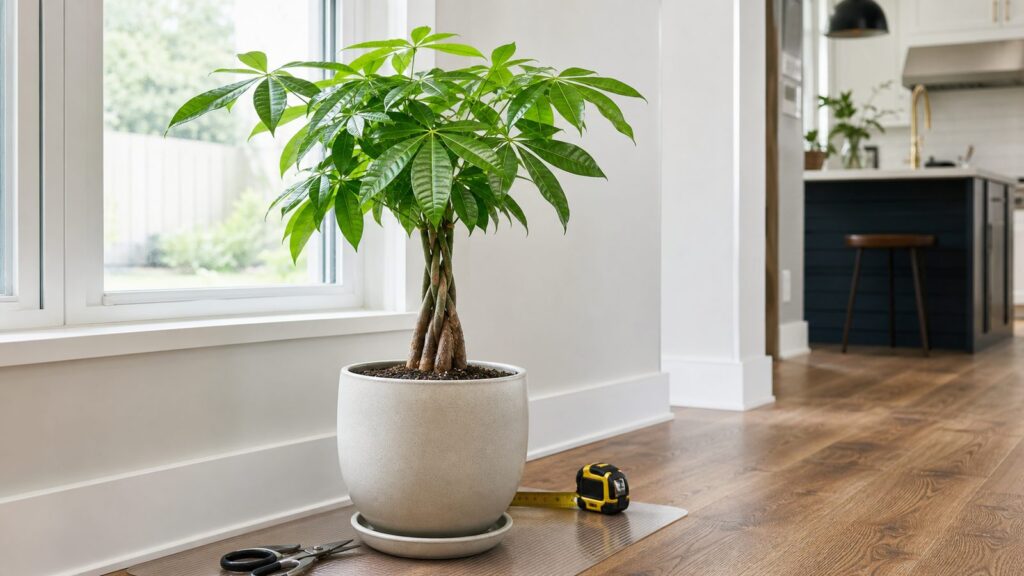
A money tree, botanically Pachira aquatica, is one of the better houseplants for homeowners who want something architectural without signing up for fussy care. It is usually sold as a braided-trunk tabletop or floor plant, often 16 inches to 6 feet tall, and it can put on 12 to 24 inches of growth per year indoors when light, moisture, and nutrition are right.
The short version: keep it in bright indirect light, water only after the top 1 to 2 inches of potting mix start to dry, use a container that drains, empty the saucer every time, and keep it out of cold drafts. Most money tree problems come from the same job-site lesson we see with buildings: water has to have a clean path out. Decorative pots, glued stones, and soggy saucers cause more trouble than almost anything else.
In most of the United States, a money tree is an indoor tropical houseplant. Outdoor planting is realistic year-round only in USDA Zones 10 to 12, and even there it needs protection from wind, cold snaps, and harsh afternoon sun. If you are planting anything outdoors, call 811 before digging and check local HOA or property rules.
The Tool Desk
Outbyte PC Repair FREERepair Windows errors before they cause bigger problemsFix Now →Outbyte Driver Updater FREEFix the driver behind crashes, sound loss and screen glitchesFind Drivers →As an Amazon Associate I earn from qualifying purchases.
What a Money Tree Is
Money tree is the common name most retailers use for Pachira aquatica. You may also see it sold as money plant, Guiana chestnut, or Malabar chestnut. In its native tropical habitat, it can become a real tree, reaching roughly 60 feet. Indoors, most retail plants mature in the 3- to 6-foot range, though large, well-grown specimens can exceed 10 feet over time in bright rooms.
The plant has glossy green compound leaves and a thickened trunk base. Many retail plants are braided when young. The braid is cosmetic, not required for plant health. A healthy braided money tree should have firm stems, a stable trunk base, and potting mix that smells earthy rather than sour.
Popular on Amazon

- Good Luck Symbol – Braided money trees (Pachira aquatica) are cherished for symbolizing prosperity and fortune, making this popular plant a thoughtful gift for any occasion.
- Timeless Favorite – A classic staple in homes and offices, these plants pair beautifully with other tropicals and fit a range of interior styles.
- Easy Care – Money Trees thrive in high humidity with bright, indirect light and require moderate watering – allowing the top inch of soil to dry between watering sessions.
- Plant Size – This plant arrives in a 4-inch grower pot with an Arcadia Garden Products’ branded plastic pot and ranges approximately 14 inches to 16 inches in height.
- Hand-selected – Each plant is unique and chosen for color and quality – plant received may vary.
The braided form creates one special maintenance concern: rot can hide where stems touch. If one stem turns soft, black, wrinkled, or sour-smelling, inspect the roots and the center of the braid quickly. One decaying stem can spread moisture and disease into the rest of the plant if it is ignored.
Best Light and Indoor Placement
Money trees do best in bright, indirect light. A few feet back from an east, west, or south-facing window often works. Medium light is tolerated, but growth slows, watering intervals get longer, and overwatering becomes easier because the plant is using less moisture.
A newly purchased money tree should not go straight into strong afternoon sun. Nursery and retail conditions are usually filtered, shaded, or artificial. Put that plant in hard direct sun on day one and you can scorch the leaves. If you want to move it closer to a bright window or outdoors for summer, acclimate it gradually over 7 to 14 days.
Rotate the pot a quarter turn every two weeks. This is a small habit, but it keeps the canopy balanced when light comes from one side. On our job sites and in office installations, uneven window light is one of the main reasons container plants start leaning into walkways or against glass.
Places to Avoid
Do not place a money tree directly beside HVAC vents, exterior doors, radiators, fireplaces, or cold windows. The plant prefers warm-room conditions, commonly around 65 to 80 degrees Fahrenheit, and should be protected when temperatures approach 50 degrees. Drafts and dry forced air can cause brown leaf edges, leaf drop, and uneven moisture in the pot.
Free tools Windows power users keep installed
One-click scans. No signup required.
Also avoid dark corners. A money tree can survive in lower light for a while, but survival is not the same as good growth. In low light, the soil stays wet longer, stems stretch, and the plant becomes more vulnerable to root rot and fungus gnats.
Watering: The Part That Makes or Breaks the Plant
Watering should be based on moisture, not a fixed calendar. In a bright room during active growth, a money tree may need water about every 7 to 10 days. In lower light or winter conditions, it may go 14 to 21 days or longer. The correct interval depends on pot size, soil mix, room temperature, humidity, and light.
Use this practical check: push a wood skewer, chopstick, or your finger 2 inches into the potting mix. If the top 1 to 2 inches are dry and the skewer comes out mostly clean, it is usually time to water. If damp soil clings to it, wait. You can also learn the weight of the pot. A dry container feels noticeably lighter than a freshly watered one.
When it is time, water thoroughly until water drains from the bottom. Then empty the saucer or decorative outer pot completely. Do not let the nursery pot sit in standing water. That is where many healthy money trees begin to fail.
Crashes, No Sound, or Screen Glitches?
Random freezes, missing sound and display glitches usually trace back to one bad driver. Find and replace yours safely.Free scan · under a minutePC Slower Than It Used to Be?
A free scan shows the junk files, broken settings and background clutter dragging Windows down - then fixes them in one click.Free scan · Windows 10 & 11Why Drainage Matters More Than Decorative Stones
Decorative stones in the bottom of a no-drainage pot do not solve drainage. They simply create a wet zone below the roots, and water can still remain perched in the potting mix. For a money tree, the better setup is an inner grow pot with drainage holes set inside a decorative cachepot. After watering, lift the inner pot, dump every bit of water from the cachepot, and set the plant back once dripping has stopped.
If the plant came with glued decorative moss or pebbles, remove or loosen the top dressing enough that you can check soil moisture. Glued toppings trap moisture, hide fungus gnats, and make it harder to see whether the trunk base is staying too wet.
Soil, Pot, and Drainage Setup
A money tree needs a well-draining indoor potting mix. A standard houseplant mix is usually fine if it drains freely. If the bagged mix feels dense or peat-heavy, blend in perlite or pumice. A practical blend is roughly 3 parts indoor potting mix to 1 part perlite or pumice. The goal is a mix that holds some moisture but does not stay muddy.
The pot should have drainage holes. For repotting, move up only 1 to 2 inches in diameter. For example, a plant in a 6-inch pot should usually move to a 7- or 8-inch pot, not a 12-inch planter. Oversized pots hold too much wet soil around a small root system, which raises the risk of rot.
Also popular on Amazon

- FARM-DIRECT PACKAGING & ARRIVAL: Each Money Tree is hand-selected at the greenhouse and secured in breathable, reinforced transit-safe materials. This direct-from-nursery process maintains plant integrity and soil moisture, providing a healthy houseplant ready for immediate indoor display
- VERSATILE 12-16 INCH TABLETOP ACCENT: Instantly refresh your desk, shelf, or side table with Pachira aquatica's beautifully braided trunk and a vibrant, hand-shaped canopy. This medium-sized house plant arrives pre-potted in a stylish decorative planter, offering a sophisticated "designer look" that fits perfectly in smaller spaces with absolutely no messy repotting required
- PET-FRIENDLY HOUSEPLANT: Money Tree is safe for homes with cats and dogs according to ASPCA guidelines. Its upright growth habit naturally keeps foliage elevated, reducing accidental pet contact and making it a functional, worry-free botanical choice for pet-loving households
- SYMBOL OF LUCK & PROSPERITY: A staple of Feng Shui tradition, the Money Tree is believed to "trap" fortune in its braided trunk. It is the perfect, meaningful gift for housewarmings, new jobs, or birthdays, offering a living, growing alternative to temporary flowers
- 100% HAPPINESS GUARANTEE: We want your new plants to succeed. If plants arrive stressed, water and rest them in indirect light for 24 hours to revive. If any arrive beyond saving, reach out immediately for a refund. We are here to help!
Do not bury the trunk base deeper than it was growing before. Keep the crown and braided base visible. Wet soil or packed moss against the lower trunk can hide decay and keep bark constantly damp.
Floor and Furniture Protection
Money trees are often placed on wood floors, shelving, desks, reception counters, and conference room credenzas. Treat water protection like a small construction detail. Use a waterproof saucer or tray, check that it is wider than the pot base, and add felt or rubber feet if the planter sits on finished flooring. Expect to spend about $10 to $25 for a decent drainage saucer or tray.
Large ceramic planters can be heavy once soil is wet. A 10-inch decorative pot with saturated mix can be awkward to move and can mark soft flooring if dragged. For offices or high-traffic rooms, use stable plant stands, keep the plant out of walking paths, and leave enough clearance for watering and maintenance access.
Humidity and Temperature
Money trees prefer moderate humidity, often around 50 to 60 percent relative humidity. Many U.S. homes fall below that in winter when heat is running. Brown, crispy leaf edges often trace back to dry air, inconsistent watering, or HVAC drafts.
Misting is not a dependable humidity strategy. It raises moisture for a few minutes, then disappears. If leaves stay wet for long periods, misting can also contribute to spotting. A small room humidifier is more useful, especially in winter. Pebble trays can help a little near the plant, but they are not a substitute for room humidity when the air is very dry.
Keep the plant in warm indoor conditions. Avoid temperatures below about 50 degrees Fahrenheit. If you move the plant outdoors for summer, bring it inside before cool nights arrive, not after the first cold snap damages the foliage.
Fertilizing and Seasonal Growth
Feed money trees during active growth, typically spring through early fall. A balanced houseplant fertilizer used at label rate, or half-strength if the plant is growing slowly, is usually enough. Expect to spend about $8 to $20 for basic houseplant fertilizer.
Do not fertilize a stressed plant to force recovery. If leaves are yellowing because the soil is soggy, fertilizer will not fix the root-zone problem. Correct light, drainage, and watering first. Also avoid feeding immediately after major repotting or during winter dormancy when growth has slowed.
What’s actually slowing this PC down?
Pick the symptom - the matching free tool is one click away.
Under good indoor conditions, a money tree may grow 12 to 24 inches per year. In medium light, growth may be much slower. That is normal. The plant does not need constant feeding to be healthy.
Pruning, Shaping, and Braided Trunk Care
Prune in spring when the plant is ready to push new growth. Use clean pruners or snips and cut just above a leaf node. This encourages branching and keeps the canopy compact. Avoid removing more than about one-third of the canopy at once unless you are dealing with damaged growth.
Basic pruners or snips usually cost $8 to $20. Clean them before use, especially if you have been cutting other plants. Remove dead, yellow, or damaged leaves as they appear. If stems are stretching toward a window, improve light and rotate the plant instead of repeatedly cutting it back.
Check old braid ties, nursery wires, or plastic bands. If they are tight, remove or loosen them. Stems expand as they grow, and constricting ties can scar the trunk or trap moisture.
Recommended Free Tools
Repotting a Money Tree
Most money trees need repotting every 2 to 3 years, or sooner if the plant is root-bound, dries out too fast, tips over easily, or has degraded, compacted soil. Spring is the best time.
Also popular on Amazon

- NURSERY-FRESH ARRIVAL & PROTECTIVE DELIVERY: Each Money Tree is hand-selected at our farm and travel-secured in specialized, breathable packaging. We deliver your plant directly from our greenhouse, ensuring it arrives upright, vibrant, and ready to thrive in your home from day one
- STRIKING 3-4 FT. STATEMENT PIECE: Instantly elevate your decor with Money Tree's premium braided trunk and a lush, hand-shaped canopy. Standing at a substantial 3 to 4 feet tall, this large floor plant provides a tropical "designer look" for living rooms or offices with zero assembly required
- PET-FRIENDLY & NON-TOXIC: Shop with absolute peace of mind for your home or as a gift. The Pachira aquatica is certified non-toxic to dogs and cats by the ASPCA. Its tall, slender trunk naturally keeps the foliage out of reach from curious pets, making it the safest choice for animal-loving households
- SYMBOL OF LUCK & PROSPERITY: A staple of Feng Shui tradition, the Money Tree is believed to "trap" fortune in its braided trunk. It is the perfect, meaningful gift for housewarmings, new jobs, or birthdays, offering a living alternative to temporary flowers
- 100% HAPPINESS GUARANTEE: We want your new plant to succeed. If your plant arrives stressed, water and rest it in indirect light for 24 hours to revive. If it arrives beyond saving, reach out immediately for a refund. We are here to help!
Choose a container 1 to 2 inches wider than the current pot. Use fresh, well-draining mix. Slide the plant out gently, inspect the roots, and trim only dead, mushy, or circling roots that are clearly problematic. Set the plant at the same depth it was growing before, backfill lightly, water thoroughly, and empty the saucer.
After repotting, give the plant steady bright indirect light and avoid heavy fertilizer for several weeks. Some leaf drop after repotting can happen, but the plant should stabilize if the roots are healthy and the pot is not oversized.
Common Problems and Fixes
Yellow Leaves
Yellow leaves often point to overwatering, poor drainage, or low light. Check the soil before adding more water. If the pot is wet several inches down and the plant is dropping yellow leaves, inspect the drainage setup and root condition.
Brown Crispy Edges
Brown edges commonly come from dry air, inconsistent watering, hot or cold drafts, or underwatering. Move the plant away from vents, use a humidifier if indoor air is dry, and water deeply when the top 1 to 2 inches of mix dry.
Leaf Drop
Money trees can drop leaves after relocation, cold exposure, overwatering, underwatering, or major light changes. Review what changed in the past 2 to 3 weeks. A plant moved from a store to a home often needs time to acclimate.
Soft Trunk or Sour Soil
A soft trunk, blackened stem, sour smell, or persistently wet soil can mean root or stem rot. Remove the plant from the pot, inspect roots, cut away mushy roots with clean tools, and repot into fresh, dry, well-draining mix if enough healthy root remains. If one braided stem is rotten, separate or remove it if possible before decay spreads.
Pest Prevention and Quarantine
New houseplants should be isolated for 2 to 3 weeks before joining the rest of your collection. Inspect leaf undersides, trunk crevices, the soil surface, and drainage holes. Money trees can carry spider mites, scale, mealybugs, and fungus gnats.
Fungus gnats usually indicate soil that stays too wet. Let the upper mix dry properly between waterings and remove trapped water from the saucer. Sticky traps can help monitor adults, but fixing moisture is the real solution. For scale or mealybugs, isolate the plant and treat early before pests spread to nearby plants.
On commercial properties, pest quarantine matters because one infested decorative plant can spread through a lobby, office, or model home. We prefer a receiving area or isolated window for new plants, followed by a deliberate inspection before the plant moves into finished space.
Can a Money Tree Grow Outside?
In the United States, outdoor money tree planting is practical year-round mainly in USDA Zones 10 to 12. In those climates, Pachira aquatica can grow in medium to wet soils and full sun to part shade, but it should be protected from strong winds. In colder zones, treat it as a houseplant or a warm-season patio plant that comes indoors before temperatures approach 50 degrees Fahrenheit.
If moving a money tree outside for summer, start in full shade or bright indirect light. After several days, increase exposure gradually if needed. Protect it from wind, intense afternoon sun, and heavy rain that keeps the pot saturated. Outdoor containers dry faster in heat but can also become waterlogged after storms, so drainage still matters.
Do these 3 things before closing this tab:
1Clear out junk files and repair common Windows errors2Fix the driver behind crashes, sound loss and screen glitches3Repair Windows errors before they cause bigger problems811, Utilities, and Property Rules
If you plant outdoors, call 811 before digging. That applies even for small landscape work. Utility lines can be shallower than homeowners expect, especially near meters, service entries, sidewalks, and irrigation routes. Some states also have their own 811 portals and homeowner guidance, but 811 is the national starting point.
For HOA communities, multifamily properties, and commercial sites, check rules before planting a tropical tree outdoors. Even where climate allows it, placement can affect sightlines, irrigation, drainage, maintenance access, and future exterior work.
Independent reader supportYour contribution helps us test, update, and keep practical guides available for everyone.Money Tree Costs in 2026
Money tree prices vary widely because listings often mix plant size, decorative pot, shipping, warranty, and brand positioning. A plain nursery pot is usually cheaper than a ceramic or premium gift planter. Larger braided plants cost more because they take more nursery time, more shipping space, and heavier packaging.
Also popular on Amazon

- Good Luck Symbol – Braided money trees (Pachira aquatica) are cherished for symbolizing prosperity and fortune, making this popular plant a thoughtful gift for any occasion.
- Timeless Favorite – A classic staple in homes and offices, these plants pair beautifully with other tropicals and fit a range of interior styles.
- Easy Care – Money Trees thrive in high humidity with bright, indirect light and require moderate watering – allowing the top inch of soil to dry between watering sessions.
- Plant Size – This plant arrives in a 6-inch grower pot with an Arcadia Garden Products’ branded plastic pot and ranges approximately 16 inches to 18 inches in height.
- Hand-selected – Each plant is unique and chosen for color and quality – plant received may vary.
| Item | Typical 2026 U.S. Cost | What You Usually Get |
|---|---|---|
| Small 4-inch money tree | $12 to $40 | Starter or mini plant, often in a grower pot |
| 5- to 6-inch tabletop plant | $21 to $45 | Common retail size, usually 12 to 24 inches tall |
| 9- to 10-inch braided plant | $53 to $100+ | Larger tabletop or small floor plant, sometimes with decor pot |
| Premium gift plant | $80 to $209 | Decorative ceramic planter, shipping, guarantee, branded packaging |
| Potting mix | $8 to $25 | Bag of indoor potting mix |
| Perlite or pumice | $5 to $15 | Drainage amendment for dense mix |
| Saucer or tray | $10 to $25 | Floor or furniture water protection |
| Fertilizer | $8 to $20 | Basic houseplant fertilizer |
| Pruners or snips | $8 to $20 | For pruning and cleanup |
| Moisture meter | $10 to $25 | Optional tool; still verify by soil feel |
For most homeowners, the best value is a healthy 5- or 6-inch plant in a nursery pot, paired with a separate decorative cachepot and a real drainage saucer. That setup usually performs better than a sealed decorative pot, even if the sealed pot looks cleaner on the shelf.
Do these 3 things before closing this tab:
1Repair Windows errors before they cause bigger problems2Scan for outdated or missing drivers - takes under a minute3Clear out junk files and repair common Windows errorsWhen to DIY vs. When to Hire a Pro
Routine money tree care is a DIY job. Watering, pruning, rotating, repotting, pest checks, and fertilizing require simple tools and a little consistency. Most homeowners can keep a money tree healthy with $30 to $80 in basic supplies beyond the plant itself.
Hiring help makes sense in a few cases. For office lobbies, commercial interiors, staged homes, medical offices, hotels, or multi-plant installations, an interior plant-care service can be worth it. These services are usually priced by visit or account rather than by one money tree, and costs vary by market, travel, replacement guarantee, and plant count.
A contractor is rarely needed for the plant itself. Where construction judgment matters is placement: protecting floors, avoiding trip hazards, leaving maintenance access, keeping planters out of door swings and egress paths, and preventing slow water damage to millwork or finished floors. We treat large interior planters the same way we treat any other item that holds water inside a finished building: stable base, controlled drainage, and visible inspection access.
Simple Weekly Care Routine
Once a week, check the soil with a skewer or finger, look under a few leaves, inspect the trunk base, and confirm there is no standing water in the saucer or cachepot. Rotate the plant every other week. Remove dead leaves as they appear.
The Tool Desk
Outbyte PC Repair FREERepair Windows errors before they cause bigger problemsFix Now →Outbyte Driver Updater FREEScan for outdated or missing drivers - takes under a minuteDriver Scan →Once a month during spring through early fall, consider light feeding if the plant is actively growing. Every 2 to 3 months, rinse dust from the leaves with a damp cloth so the plant can use available light efficiently. Every spring, decide whether pruning or repotting is actually needed rather than doing it automatically.
The money tree is forgiving, but it is not immune to bad setup. Give it drainage, bright indirect light, warm stable air, and room to grow, and it will usually be one of the easier indoor plants to maintain for years.
Frequently Asked Questions
How often should you water a money tree indoors?
Water when the top 1 to 2 inches of potting mix begin to dry. In bright conditions that may be every 7 to 10 days; in winter or lower light it may be every 14 to 21 days or longer. Always water thoroughly, then empty the saucer or cachepot.
Why are my money tree leaves turning yellow or falling off?
The most common causes are overwatering, poor drainage, low light, cold drafts, or a sudden move. Check whether the soil is staying wet, confirm the pot drains, and move the plant to bright indirect light away from HVAC vents and cold windows.
What kind of soil and pot does a money tree need?
Use a well-draining indoor potting mix in a pot with drainage holes. If the mix is dense, amend it with perlite or pumice. A decorative outer pot is fine, but the inner pot must drain and standing water must be emptied after watering.
Can a money tree grow outside in the United States?
Year-round outdoor planting is realistic mainly in USDA Zones 10 to 12. In colder areas, grow it indoors or move it outside only for warm weather, then bring it in before temperatures approach 50 degrees Fahrenheit.
Is a money tree toxic to cats or dogs?
Money tree, or Pachira aquatica, is listed by the ASPCA as non-toxic to dogs, cats, and horses. Even so, pets that chew plant material can still have mild stomach upset, so keep the plant out of reach if your pet tends to eat leaves.
Do I need 811 before planting a money tree outdoors?
Yes. If you are digging outdoors, call 811 before planting. Utility lines can be shallow, and the locate process helps prevent damage and safety hazards. Also check HOA, commercial property, or local landscape rules before planting.
Quick Recap
Product prices and availability are accurate as of the date/time indicated and are subject to change. Any price and availability information displayed on Amazon at the time of purchase will apply.

