Cut onions should be refrigerated within 2 hours of cutting, sealed in an airtight container or tightly wrapped, and kept at 40°F or below. For best quality and food safety, use cut red, yellow, white, and sweet onions within 7 to 10 days. If you chopped more than you can use, freeze the extra onions and plan to use them in cooked dishes, not raw salads or sandwiches, because freezing softens the texture.
That is the direct answer. The longer answer is that onion storage problems are often kitchen design problems in disguise. On our kitchen remodel job sites, we see the same pattern: whole onions stored in a warm cabinet beside an oven, cut onions buried in the back of a crowded refrigerator, plastic containers that hold odor, and no clear prep zone where knives, cutting boards, wrap, containers, trash, and compost all live within arm’s reach. A $15 container can solve the immediate problem. A better storage plan can stop the problem from repeating every week.
This guide covers both: the practical food-safety steps for storing onions after cutting, and the construction-minded kitchen upgrades that make safe storage easier in a real household.
As an Amazon Associate I earn from qualifying purchases.
Free tools Windows power users keep installed
One-click scans. No signup required.
How Long Cut Onions Last After Cutting
Most cut onions last about 7 to 10 days in the refrigerator when stored properly. That means a sealed container, a refrigerator temperature of 40°F or below, and no long stretch sitting on the counter after prep. The 2-hour rule matters: once an onion is cut, treat it like perishable produce and get it into the refrigerator within 2 hours.
If the kitchen is hot, the window is sunny, or the onion sat beside a warm range after dinner prep, do not push the timing. Refrigeration slows bacterial growth and slows quality loss, but it does not reset the clock on food that has already been held too warm for too long.
#1 Best Overall

- Modular Design: Rubbermaid Storage Containers are compact and stackable, optimizing your kitchen storage space.
- High Capacity: With a 16-cup volume, it is perfect for maintaining large quantities of flour, sugar, and other baking ingredients.
- Airtight Seal: The snap-tight lids help keep food fresh and prevent moisture and humidity.
- Easy to Clean: The container is freezer-safe, top-rack dishwasher-safe enhancing the ease of use.
- Quality Material: Made from BPA-free plastic, it is safe and durable for everyday use. Stain and odor-resistant ensuring the container stays like new for longer.
Quick Storage Rules
- Onion halves: place cut side down in an airtight container, or wrap tightly before refrigerating.
- Sliced onions: use a shallow sealed container or a zip-top bag with excess air pressed out.
- Diced onions: refrigerate in a sealed, shallow container and label the date.
- Cooked onions: follow leftover timing more conservatively, generally 3 to 4 days in the refrigerator.
- Frozen raw onions: safe much longer when held continuously at 0°F or below, but best used within about 3 to 4 months for quality.
Date-labeling is not fussy. It prevents the common refrigerator problem: a mystery container that might be 4 days old or might be 14. On our job sites, we design kitchens for habits people will actually keep. A roll of removable labels or a washable marker near the container drawer is a small detail that changes behavior.
The Best Container for Cut Onions
The best container for cut onions is airtight, shallow, easy to clean, and not prone to holding odor. Glass containers perform well because they resist onion smell better than many plastics and can usually go through the dishwasher. A dedicated onion keeper, a tight-lid glass food container, or a heavy freezer bag can all work.
The Tool Desk
Outbyte Driver Updater FREEFix the driver behind crashes, sound loss and screen glitchesFind Drivers →Outbyte PC Repair FREERepair Windows errors before they cause bigger problemsFix Now →For an onion half, store it cut side down. That reduces drying on the exposed face and limits the amount of onion surface exposed to air. For diced onions, choose a container that is just large enough for the amount you have. Too much extra air space can dry the onion and spread odor every time the lid opens.
Container Options and 2026 Cost Ranges
| Storage option | Best use | Typical 2026 cost | What to watch |
|---|---|---|---|
| Dedicated onion keeper | One onion half or small amount of sliced onion | $10-$20 | Specialty shape may not stack well in a crowded refrigerator |
| Glass food-storage container | Diced, sliced, or halved onions | About $18-$35 for small sets | Heavier than plastic but better for odor resistance |
| Zip-top freezer bag | Short-term storage or freezing flat | $5-$12 per box | Less protective from crushing; disposable unless reused carefully |
| Plastic airtight container | Everyday short-term storage | $10-$30 per set | Can hold onion odor over time, especially with scratched interiors |
| Ventilated onion bin | Whole onions only, not cut onions | About $20-$33 | Wrong choice for cut onions because cut onions need sealed cold storage |
Do not store cut onions uncovered on a plate. Do not leave them in an open bowl. A loose sheet of foil over a bowl is better than nothing, but it is not the standard we would recommend. The goal is to slow drying, reduce odor transfer, and keep the onion away from other foods.
Odor transfer is real. Keep cut onions away from butter, milk, cakes, berries, and other foods that absorb smells easily. Even a sealed container can release odor if the lid is loose, the gasket is worn, or the container was overfilled.
Where Cut Onions Belong in the Refrigerator
Cut onions should go on a refrigerator shelf where the temperature is steady, not in the door. Door shelves warm up every time the refrigerator opens. A middle or lower shelf is usually better for leftovers and cut produce.
Use shallow, clear containers when possible. In a busy kitchen, visibility matters. Tall opaque containers get pushed to the back, and food waste increases when homeowners cannot see what they own. During remodels, we often plan a dedicated leftover and prep shelf in the refrigerator zone, then pair it with nearby drawer storage for wraps, labels, reusable bags, and containers.
A Practical Refrigerator Layout
- Top or middle shelf: sealed leftovers and cut produce in clear containers.
- Lower shelf: raw meat or seafood in leakproof packaging, separated from ready-to-eat foods.
- Crisper drawer: whole vegetables and produce that benefit from humidity control.
- Door: condiments and less temperature-sensitive items, not cut onions.
If the refrigerator smells like onion even when the onion is sealed, inspect the gasket, lid, and container material first. Scratched plastic holds odor. Old flexible lids can warp. A dedicated glass onion container is often the fastest fix.
Can You Freeze Cut Onions?
Yes, you can freeze chopped, diced, or sliced onions. Freezing is a good solution when you cut too much or want to prep ahead for weeknight cooking. The tradeoff is texture. Frozen onions soften as they thaw, so they are best for soups, stews, sauces, casseroles, stir-fries, chili, meatloaf, omelets, and cooked fillings. They are not ideal for raw salsa, sandwiches, green salads, or garnish.
Rank #2
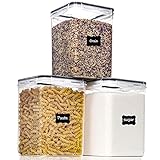
- Suitable Storage Size ---- Includes 3pcs 5.2L large pantry storage containers, especially ideal for 5lb flour or sugar. Also Great for other bulk food, such as beans, grains, cereal, rice, oatmeal, tea, pasta, staples, spices, snacks, crackers, chips, and cookies. No messy half-opened bags bother you anymore.
- Keep Your Food Fresh and Dry ---- These tall containers come with side-locking lids that ensure maximum freshness and prolonged food storage by sealing tightly. They will protect your food from air and water so that you never have to worry about your favorite foods turning stale again.
- Stackable Design ---- These clear dry food containers can stack vertically, so they will make more efficient use of every inch of your kitchen. Whether you have a large or small pantry, these durable containers can help you organize your kitchen and pantry better.
- BPA Free and Food Grade Material ---- PantryStar plastic kitchen containers are made of premium shatterproof plastic material. Your best choice for everyday use and last for years and years. The transparent plastic makes you see exactly what you need with just at a glance.
- 24 Reusable Labels and 3 Measuring Cups ---- Cups make measure out ingredients easier and less messy. The Reusable labels can reduce your confusion about those similar items. Dishwasher safe for the container, please hand wash the lid.
For the cleanest result, freeze diced onions flat. Spread them in a thin layer on a sheet pan until firm, then transfer them to a freezer bag. If you want fewer dishes, place diced onions directly in a freezer bag, press the bag flat, remove extra air, and freeze it like a thin sheet. You can break off a portion when cooking.
Crashes, No Sound, or Screen Glitches?
Random freezes, missing sound and display glitches usually trace back to one bad driver. Find and replace yours safely.Free scan · under a minuteWindows Errors? Fix Them Before They Spread
Repair common Windows errors and clear accumulated junk for a smoother, more stable PC - no reinstall needed.Free scan · no reinstallFreezing Steps
- Dice or slice the onion to the size you normally cook with.
- Pat away excess surface moisture if the onion is very wet.
- Freeze flat in a thin layer or flattened freezer bag.
- Label the bag with the date and cut style, such as diced yellow onion.
- Use within 3 to 4 months for best quality.
Food kept continuously frozen at 0°F or below remains safe indefinitely from a food-safety standpoint, but quality declines. For a homeowner, the practical rule is simple: freeze onions for cooked meals, label them, and rotate them within a few months.
How to Tell If a Cut Onion Has Gone Bad
Do not rely only on the calendar. A cut onion can spoil sooner if it was old when cut, stored too warm, left uncovered, or handled with dirty utensils. Discard cut onions if you see mold, slimy texture, mushy spots, watery or translucent discoloration, sour odor, rotten smell, or unusually soft dark areas.
A sharp onion smell is normal. A sour, fermented, or rotten smell is not. If the onion feels slick instead of crisp, throw it out. If the container has liquid pooling at the bottom and the pieces look dull or translucent, do not try to salvage the top layer.
During a power outage, be stricter. A closed refrigerator can generally keep food cold for about 4 hours. After that, perishable refrigerated foods should be discarded if they have warmed beyond safe temperatures. If you do not know how long the refrigerator was above 40°F, the safer choice is to discard the cut onion.
Quick wins for a faster PC:
Fix the driver behind crashes, sound loss and screen glitchesFind Drivers →Repair Windows errors before they cause bigger problemsFix Now →Whole Onions Need a Different Storage Plan
Whole onions and cut onions have opposite storage needs. Whole onions need a cool, dry, dark, ventilated location. Cut onions need sealed refrigeration. Mixing up those rules causes a lot of waste.
Store whole onions in a breathable bin, basket, mesh bag, or ventilated pantry pull-out. Keep them away from potatoes, dishwashers, ovens, sunny windows, and refrigerator exhaust heat. Do not seal whole onions in plastic bags. Trapped moisture encourages softening, sprouting, and spoilage.
In kitchen design terms, whole onions belong in a dry goods zone. Cut onions belong in a cold leftover zone. A good kitchen gives both zones a clear home.
Better Whole-Onion Storage Locations
- A ventilated pantry shelf 12 to 18 inches away from heat-producing appliances.
- A metal pull-out basket inside a base cabinet with airflow.
- A dark cabinet with breathable bins and no plumbing leaks nearby.
- A walk-in pantry shelf with 10 to 14 inches of clear height for baskets.
Avoid the cabinet directly beside the range if that cabinet runs warm. Avoid the base cabinet under the sink because moisture and cleaning supplies do not belong with dry produce. Avoid stacking onions and potatoes together in a closed bin. They age better when separated with airflow.
Do these 3 things before closing this tab:
1Clear out junk files and repair common Windows errors2Scan for outdated or missing drivers - takes under a minute3Repair Windows errors before they cause bigger problemsRank #3

- Help Organize Your Kitchen and Pantry: Imagine every time walking to your kitchen or pantry, found everything is neatly organized. No longer messy, you can get everything you want very quickly. With the stackable and space-saving design, these containers will make more efficient use of every inch of your kitchen pantry cabinets
- 4 Size Combinations Fit Your Needs: Our kitchen storage container set comes in 4 different sizes. Includes 6 Tall Container (2.5quart/2.8 liters), 6 Large Containers (1.8quart/2.0 liters), 6 Medium Containers (1.5quart/1.6 liters), 6 Small Containers (0.7quart/0.8 liters). Suitable for storing spaghetti, baking supplies, cereal, flour, sugar, oats, pasta, rice, coffee, tea, snacks, nuts and other dry goods
- Airtight Containers Keep Food Fresh: The side-locking lids with silicone gasket make these storage containers airtight, and the top flips open easily. The airtight storage system will always keep your food dry and fresh. All have the same lids make it easy to wash dry and reuse with ease
- BPA Free and Food Grade Material: Vtopmart pantry storage containers are made of durable plastic, BPA free, which have a longer life than many other brands plastic containers. Clear containers make it convenient to see what's inside, you can easily get what you want without opening every container
- 24 Reusable Labels: Except 24pcs dry food storage containers, you will also receive 24pcs labels. They are reusable, you can switch contents whenever you need. Just wipe clean with a damp cloth to change what you have written, Peel and Re-stick
Kitchen Design Fixes That Make Onion Storage Easier
Small storage mistakes often start with layout. If the cutting board is across the room from the trash pull-out, if the food wrap is buried above the refrigerator, or if containers live in three different cabinets, people leave food out longer and store it poorly. Better kitchen planning shortens the path from prep to safe storage.
On our kitchen projects, we like to build a prep zone around the way people actually cook. The most useful zone has counter space, knives, cutting boards, mixing bowls, compost or trash, food wrap, storage containers, and refrigerator access within a few steps. For many kitchens, that means a 36-inch to 48-inch prep counter between the sink and refrigerator, with a drawer stack below and a trash pull-out nearby.
Storage Upgrades That Pay Off
- full-extension pull-outs: useful in deep lower cabinets because homeowners can see the full basket instead of losing items in the back.
- Clear shallow containers: reduce food waste because cut produce stays visible.
- Drawer inserts: keep lids, wraps, labels, and bags close to the prep surface.
- ventilated pantry baskets: work well for whole onions, garlic, and other dry produce.
- under-cabinet task lighting: improves prep safety and makes it easier to spot spoilage or spills.
- washable cabinet liners: simplify cleanup from onion skins, produce dirt, and small leaks.
Cabinet organizers are often a better first move than a full remodel. Pull-out baskets, lazy Susans, bin systems, and drawer organizers commonly run about $20 to $100 or more per component in 2026, depending on width, load rating, metal gauge, and soft-close hardware. Installed by a contractor, the cost rises with labor and cabinet modification, but the upgrade is still modest compared with cabinet replacement.
What Storage Improvements Cost in 2026
The right budget depends on whether you are solving a container problem, a cabinet problem, or a kitchen layout problem. Most homeowners should start with the smallest fix that addresses the failure point. If onions are spoiling because they are uncovered, buy better containers. If whole onions are sprouting because they sit beside the oven, move or ventilate the dry storage. If the kitchen layout makes every prep task awkward, then it may be time to fold storage into a broader remodel plan.
| Project level | Typical 2026 cost | Best for | Main cost drivers |
|---|---|---|---|
| Small storage fix | $10-$35 | Airtight onion keeper, glass container, mesh produce bag, ventilated bin | Glass vs. plastic, lid quality, dishwasher safety, stackability |
| Cabinet organizer upgrade | $20-$100+ per organizer | Pull-out baskets, lazy Susans, drawer dividers, bin systems | Width, load rating, soft-close hardware, metal quality, installation |
| Pantry or cabinet improvement | A few hundred dollars DIY; $1,000-$5,000+ for built-ins | Better shelving, pull-outs, lighting, finish carpentry, cabinet modification | Custom dimensions, finish matching, electrical work, labor, site conditions |
| Cabinet replacement | Stock: $100-$300 per linear foot; semi-custom: $150-$700 per linear foot; custom: often $500+ per linear foot | Layout changes, damaged cabinets, major storage redesign | Material, finish, hardware, installation, modifications |
| Kitchen remodel | Average planning figure around $27,000; common range about $14,600-$41,600 | Storage, appliance, lighting, surface, and workflow improvements together | Location, contractor, materials, appliance moves, plumbing, electrical scope |
| Cost vs. Value benchmark | Minor midrange: $28,458; major midrange: $82,793; major upscale: $164,104 | National planning context for larger kitchen work | Scope, finish level, structural changes, regional labor costs |
For an onion-storage problem, a full gut remodel is rarely the starting point. The best value is usually targeted: refrigerator adjacency, better dry pantry ventilation, pull-out storage, task lighting, wipeable interiors, and a container zone that supports daily prep.
Independent reader supportYour contribution helps us test, update, and keep practical guides available for everyone.When to DIY and When to Hire a Pro
DIY is reasonable when the work is portable, reversible, and does not touch electrical, plumbing, structure, or cabinet integrity. Buying glass containers, adding labels, installing a freestanding ventilated bin, reorganizing a refrigerator shelf, or placing mesh bags in a pantry are all good homeowner projects.
DIY can also work for simple screw-mounted organizers if you measure carefully. Check cabinet opening width, door hinge clearance, shelf depth, and drawer slide requirements before ordering. Many base cabinets are 24 inches deep, but plumbing, face frames, hinges, and old out-of-square boxes can reduce usable space. A pull-out that fits on paper may still hit a hinge or pipe.
Hire a pro when the project involves built-in pantry modifications, cabinet box alteration, electrical work, under-cabinet lighting, new refrigerator outlets, appliance relocation, plumbing changes, or finish carpentry that needs to match existing cabinets. A contractor can also help avoid the expensive mistake of buying organizers before confirming clearances.
What’s actually slowing this PC down?
Pick the symptom - the matching free tool is one click away.
Rank #4

- VERSATILE STORAGE SIZES: Our 7 Pcs BPA free air tight containers set comes with 4 different sizes, including 1 tall container (2.8liters/2.5quart), 2 medium containers (2 liters/1.8quart), 2 small containers (1.6liters/1.5quart) and 2 mini containers (0.8liters/0.7quart)
- AIRTIGHT SEALING: These sturdy pantry storage containers are leak proof and airtight, keeping food fresh. Safe side-locking lids with black silicone gasket make these storage containers tightly sealed, will protect your food from air and water while keeping it fresh, and prevent liquid food from spilling
- SPACE-SAVING DESIGN: Our plastic storage containers for pantry are easily stackable, which allows for easy kitchen pantry organization and make full use of room of your home kitchen. They are easily to fit into your refrigerator, freezer or cupboard, pantry closet which makes food storage cabinets more organized and nice-looking and free from visual clutter
- SEE THROUGH HIGH QUALITY DESIGN: With clear design, you can easily see the contents inside these pantry storage containers. The airtight food storage containers are made of high-quality food grade plastic materials, BPA free. They are easy to clean and dishwasher safe, please hand wash the lids
- MULTI-USE STORAGE: Our cereal storage containers are suitable for storing dry food like flour, sugar baking supplies, bulk food like spaghetti, pasta, oats, rice, cereal, nuts, corn, chips, snacks, coffee, tea, and beans. They will organize food by categories, which are your efficient helper for kitchen and pantry organization
Permit and Safety Notes
Simple containers and removable organizers do not need permits. Electrical work often does. If you add under-cabinet lighting, move refrigerator power, add receptacles at an island or peninsula, or alter kitchen circuits, the work must comply with the electrical code adopted by your local jurisdiction. Kitchen receptacle rules are specific, and island and peninsula requirements have changed in recent code cycles. Local inspection departments decide what applies in your area.
Plumbing changes, wall removal, structural work, and ventilation changes may also require permits. Before opening walls or moving appliances, confirm the scope with your contractor and local building department. Food storage is the everyday symptom; code-compliant planning is what keeps the remodel from creating larger problems.
A Simple Decision Table for Onion Storage
| Onion situation | Where it goes | Container type | Use-by guidance |
|---|---|---|---|
| Whole onion | Cool, dry, dark, ventilated pantry or cabinet | Mesh bag, metal basket, breathable bin | Use before softening, sprouting, mold, or strong off odor |
| Half onion | Refrigerator at 40°F or below | Airtight container or tight wrap, cut side down | 7-10 days |
| Sliced onion | Refrigerator at 40°F or below | Sealed shallow container or sealed bag | 7-10 days |
| Diced onion | Refrigerator at 40°F or below | Sealed shallow container, dated | 7-10 days |
| Too much chopped onion | Freezer at 0°F or below | Flattened freezer bag or freezer-safe container | Best quality within 3-4 months |
| Cooked onions | Refrigerator or freezer | Shallow airtight leftover container | 3-4 days refrigerated; 3-4 months frozen for best quality |
Bottom Line
Store cut onions in the refrigerator within 2 hours, sealed airtight, at 40°F or below. Use them within 7 to 10 days, or freeze them for cooked dishes if you need longer storage. Throw them out if they turn slimy, moldy, mushy, sour-smelling, watery, or unusually dark and soft.
For the kitchen itself, separate the two storage zones: breathable dry storage for whole onions and sealed cold storage for cut onions. The most useful improvements are usually simple and targeted: glass containers, visible refrigerator shelving, pull-out dry storage, task lighting, and a prep zone where containers, wraps, knives, cutting boards, and trash are all close together. That is how a kitchen stops fighting the homeowner and starts supporting the way food is actually prepared.
Recommended Free Tools
Frequently Asked Questions
How long do cut onions last in the refrigerator?
Cut onions generally last 7 to 10 days in the refrigerator when sealed airtight and kept at 40°F or below. Date the container so you are not guessing later.
Should cut onions be stored in water, plastic wrap, a bag, or an airtight container?
An airtight container is the best everyday choice. Tight plastic wrap or a sealed bag can also work, but an open bowl or loose plate cover lets odor spread and dries the onion.
Can you freeze chopped or sliced onions after cutting?
Yes. Freeze chopped or sliced onions flat in a freezer bag or on a sheet pan, then portion them for cooking. Use frozen onions in cooked dishes because the texture softens after thawing.
How do you keep cut onions from smelling up the refrigerator?
Use a tight-lid glass container, store onion halves cut side down, keep them away from odor-absorbing foods, and replace warped lids or scratched plastic containers that hold smells.
Where should whole onions be stored in a kitchen pantry?
Whole onions should be stored in a cool, dry, dark, ventilated pantry or cabinet. Use a mesh bag, wire basket, or breathable bin, and keep them away from potatoes and heat-producing appliances.
Do I need a permit to add pantry storage, under-cabinet lighting, or refrigerator outlets?
Removable organizers and containers usually do not need permits. Electrical work, new outlets, lighting changes, appliance relocation, plumbing changes, or wall modifications may require permits depending on your local code.
Quick Recap
Product prices and availability are accurate as of the date/time indicated and are subject to change. Any price and availability information displayed on Amazon at the time of purchase will apply.

