The safest way to remove sticker residue is to peel first, soften what remains, wipe it away, and then clean the surface. Start with warm water and dish soap. If that is not enough, use a small amount of cooking oil or petroleum jelly on a compatible hard surface, or carefully try rubbing alcohol after a hidden-spot test. The right method depends on what the sticker is stuck to: glass and glazed ceramic are forgiving, while painted finishes, plastic, unfinished wood, fabrics, and electronics can be damaged by excess liquid, solvents, heat, or scraping.
Before you start: identify the surface
Sticker adhesive is not removed safely with one universal product. A solvent that works on glass may haze plastic, strip paint, stain unfinished wood, or damage a protective coating. If you are cleaning labels from cabinets, trim, appliances, tools, flooring samples, or other construction-related materials, treat the substrate—not just the sticker—as the deciding factor.
As an Amazon Associate I earn from qualifying purchases.
| Surface | Best starting method | Important caution |
|---|---|---|
| Glass or glazed ceramic | Warm soapy water, then oil or rubbing alcohol if needed | Avoid unnecessary abrasive scrubbing. |
| Stainless steel and other hard metal | Warm soapy water; then a small amount of oil or compatible alcohol | Wipe with the grain where applicable and do not leave oily residue. |
| Finished wood | Minimal moisture and a small amount of oil only after testing | Unfinished or porous wood can absorb liquid and stain. |
| Plastic | Soap and water first; oil may be appropriate | Alcohol, acetone, citrus solvents, and strong removers can haze, soften, discolor, or craze some plastics. |
| Painted, laminated, or coated surfaces | The mildest method possible | Do not use aggressive solvents or hard scraping without a test. |
| Electronics and screens | Follow the device maker’s cleaning instructions | Never spray or pour liquid directly onto the device. |
| Fabric or upholstery | Check the care label and spot-test | Solvents can spread stains or affect dyes and finishes. |
What you will need
- Warm water
- Grease-cutting liquid dish soap
- A soft cleaning cloth, preferably microfiber
- A fingernail or plastic card
- Cooking oil, vegetable shortening, or petroleum jelly for compatible hard surfaces
- Isopropyl rubbing alcohol, if the surface passes a hidden-spot test
- A dry towel for the final wipe
A plastic scraper can make the peeling step easier, especially on broad areas of softened adhesive. It is preferable to a metal blade on plastic, paint, laminate, and delicate coatings, although it is not automatically safe for every finish.
Method 1: warm water and dish soap
This is the best first attempt for many washable, hard surfaces, including many appliance finishes.
- Remove the loose label. Lift one corner with a fingernail, plastic card, or plastic scraper. Pull slowly and keep the label low against the surface rather than yanking it upward.
- Wet a cloth. Use warm—not boiling—water and add a small amount of grease-cutting dish soap.
- Hold it against the residue. Leave the damp, soapy cloth on the adhesive for a few minutes. The goal is to soften the glue, not flood the object.
- Wipe gently. Work in short passes. If the residue rolls or lifts, remove it from the cloth rather than spreading it around.
- Rinse and dry. Wipe away soap with a clean damp cloth, then dry the area.
Do not jump immediately to a strong solvent simply because the first wipe did not work. Repeating the warm-soap treatment after allowing more dwell time is often safer than increasing chemical strength.
#1 Best Overall

- Thick Spray Gel for adhesives: Goo Gone Adhesive Remover Spray Gel, which won a 2026 Good Housekeeping Cleaning Award, clings to surfaces to dissolve tough sticky messes like glue, stickers, labels, tape residue, gum, grease, wax and decals. The gel formula & glue remover works quickly to loosen adhesives for easy wipe-away cleanup.
- Safe on multiple surfaces: Powered by a citrus-based formula, Goo Gone wax and grease remover safely removes adhesive residue from hard surfaces, carpets and fabrics without damaging finishes. Safe for finished wood, sealed stone, glass, metal, plastics, painted surfaces, ceramic and porcelain.
- Versatile home & auto use: Ideal for use throughout the home, kitchen, bathroom, garage, office, classroom, and car. Effectively removes sticky residue from walls, floors, tables, rugs, tools, glassware, upholstery and automotive surfaces.
- Drip-free & easy to use: Simply spray our silicone remover thick gel directly onto the sticky area, let it sit to break down adhesives, then wipe or scrape clean. The non-drip gel provides better control, less mess and targeted application on vertical and delicate surfaces.
- Trusted Goo Gone performance: From labels and glue to crayon, gum and grease, Goo Gone adhesive sprays help remove goo and gunk from surfaces. A trusted adhesive remover brand designed to tackle everyday sticky problems safely and effectively.
Method 2: cooking oil, vegetable shortening, or petroleum jelly
Oil can coat and soften adhesive that water does not affect. Use this approach on compatible, finished hard surfaces—not on absorbent wood, fabric, unfinished masonry, or anything where an oily mark would be difficult to remove.
- Put a small amount of cooking oil, vegetable shortening, or petroleum jelly on a cloth or cotton swab.
- Dab it onto the residue rather than spreading it over a large area.
- Wait several minutes, then gently rub or lift the softened adhesive with a cloth or plastic scraper.
- Wash the area with warm water and dish soap to remove the oily film.
- Rinse and dry.
Test first on finished wood, painted surfaces, plastics, and coatings. Oil may loosen the adhesive while also darkening, staining, or dulling the material beneath it.
Recommended Free Tools
Method 3: rubbing alcohol for compatible hard surfaces
Isopropyl rubbing alcohol can help with adhesive residue on some glass, metal, and other hard surfaces, but it is not universally safe. It may damage certain plastics, inks, paints, finishes, and protective coatings.
- Check the surface manufacturer’s cleaning instructions if they are available.
- Ventilate the area and keep the alcohol away from flames, sparks, heaters, and other ignition sources.
- Test a small amount in an inconspicuous spot. Allow the test area to dry and check for clouding, discoloration, tackiness, or loss of sheen.
- If the test is satisfactory, dampen a cloth with a small amount of alcohol. Do not flood the surface.
- Dab and wipe the residue. Use a clean portion of the cloth as the adhesive transfers.
- Finish with clean water or mild soapy water when appropriate for the surface, then dry.
Do not use alcohol on a screen, keyboard, coated surface, or painted component merely because it worked on glass. For electronics, consult the device manufacturer first and keep liquid away from seams, ports, buttons, and openings.
Rank #2
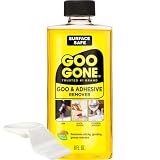
- #1 TRUSTED BRAND FOR REMOVING GOOEY MESSES: Try it on stickers, wax, markers, crayons, glue, tar, window decals, glitter, gum, labels and so much more
- SAFELY RESTORE YOUR SURFACES: The surface-safe formula removes the goo without harming your surface. Formulated with citrus cleaning agents and a pleasant citrus scent
- MULTIPLE USES AROUND THE HOUSE: Everything from wine glass label remover, scuff eraser, windowsill cleaner, adhesive remover, tar cleaner, crayon drawing eraser, to glue remover
- PERFECT FOR TEACHERS AND PARENTS: Use this to remove gum, tape, crayon, and sticker residue left behind by kids
- GREAT FOR COLLECTORS AND THRIFTERS: Safely remove price stickers from gifts, wine glasses, clothing, drinking glasses, vintage collectables and more!
Optional: use gentle warmth before peeling
A warm cloth or a hair dryer on a low setting may soften some label adhesives. This is optional rather than guaranteed, because sticker adhesives respond differently to heat.
Keep the hair dryer moving, use low heat, and warm the label only briefly. Avoid overheating plastic, laminate, paint, vinyl, finished wood, electronics, and surfaces that can warp or discolor. Once the adhesive becomes more flexible, turn off the heat and peel slowly. Do not combine heat with a flammable solvent such as rubbing alcohol.
How to remove residue from common surfaces
Glass and glazed ceramic
These are usually among the easiest surfaces. Begin with warm soapy water, then try a small amount of oil or rubbing alcohol if necessary and compatible with the finish. A plastic scraper can lift softened residue. Wipe away all cleaner afterward so the surface does not remain streaky or greasy.
Finished wood, cabinets, and trim
Use very little liquid and test in a hidden location. Start by peeling and then try a barely damp soapy cloth. A small amount of oil may help on some finished wood, but it can change the appearance of the finish. Avoid soaking the area, and never assume that a method safe for sealed wood is safe for unfinished or porous wood.
Rank #3
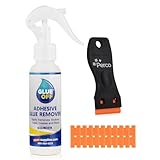
- EFFECTIVE ON TOUGH MESSES – Removes silicone caulk, adhesives, sealants, tree sap, wet paint, glue, asphalt, ink, marker, soot, tar, wax, and grease/oil with ease.
- GREAT FOR AUTOMOTIVE SURFACES – Works best on metal, painted car surfaces, plastics, and finished wood.
- NOT FOR USE ON DELICATE OR POROUS SURFACES – Avoid use on rubber, leather, silk, fabric, faux stainless steel, unpainted drywall, unfinished wood, unsealed stone, matte or satin finishes, and other absorbent surfaces.
- SOAK FOR 5-10 MINUTES FOR BEST RESULTS – Apply generously to the affected area and allow to soak before wiping or scraping.
- LOW ODOR, EASY APPLICATION – Includes a precision nozzle for targeted use; ideal for ventilated indoor or outdoor use.
Plastic
Start with soap and water, followed by a small amount of oil if appropriate. Be especially cautious with alcohol, acetone, nail-polish remover, citrus solvents, and commercial adhesive removers: some plastics become cloudy, soft, brittle, discolored, or cracked after exposure. Test first and stop if the surface changes.
Painted, laminated, or coated surfaces
Use the mildest approach: slow peeling, a damp soapy cloth, and—if necessary—a plastic card. Hard scraping can remove paint or laminate, while solvents can affect the coating. Do not let a solvent sit on the surface longer than the product label permits.
Electronics, screens, and appliances
For screens and electronics, the safest advice is to follow the manufacturer’s instructions before using any solvent. Disconnect power where appropriate, never spray directly onto the device, and do not allow liquid to enter ports or seams. On appliance exteriors, warm water and liquid dish soap are often the first method recommended for adhesive left by protective film, but the appliance care instructions take priority.
Fabric and upholstery
Hard-surface remedies do not transfer safely to textiles. First remove what you can without spreading the adhesive. Check the care label or manufacturer’s instructions, then spot-test any proposed cleaner in a hidden area. Alcohol and oils can spread the mark, affect dyes, or leave a second stain. If the item is valuable or the residue is extensive, professional cleaning is safer than experimenting.
Rank #4

- ADHESIVE GUNK REMOVER: Remove stickers, labels, tape residue, car decals and adhesive gunk with Goof Off Adhesive Gunk Remover - Goof Off works the first time!
- FAST RESULTS, VERSATILE APPLICATION: Goof Off is a rapid remover that is safe for use on hard surfaces, including metal, glass, brick, wood, concrete, automotive and non-acrylic plastic surfaces.
- EASY TO USE: Apply Goof Off Adhesive Gunk Remover directly to sticky surface, allow to penetrate for a couple minutes and then wipe off with a clean, absorbent cloth.
- REMOVE GLUE AND STICKY ADHESIVES: Goof Off Adhesive Gunk Remover is specially formulated to remove bumper stickers, car decals, glue residue and other sticky, left-behind messes.
- OUTPERFORM ORDINARY REMOVERS: Goof Off is the powerful brand of goof removers that takes off the tough stuff ordinary removers can't.
When household methods fail
Old, thick, widespread, or baked-on adhesive may justify a purpose-made sticker residue remover labeled for the specific surface. A consumer product such as Goo Gone’s sticker-removal range is marketed for stickers, labels, tape, and adhesive residue and may list compatibility with surfaces such as glass, ceramic, finished wood, metals, and some plastics. That does not make it universally safe: read the current label, check the surface list, test in an inconspicuous area, use ventilation, and wipe or wash the area as directed.
Use commercial removers as a fallback, not as a reason to skip the surface test. Some adhesive cleaners contain stronger solvents, and a product intended for industrial or occupational use should not be casually substituted for a consumer product in a home.
What not to do
- Do not mix cleaning chemicals. Never mix bleach with vinegar, rubbing alcohol, ammonia, or other cleaners. Do not mix hydrogen peroxide with vinegar. Dangerous reactions or irritating vapors can result.
- Do not use a metal razor blade by default. It can scratch plastic, paint, laminate, and delicate coatings. Use a plastic card or scraper instead.
- Do not make acetone the default remedy. Nail-polish remover and acetone are strong solvents that can damage plastic, paint, finishes, and coatings.
- Do not flood the object. Excess liquid can penetrate wood, seams, electronics, flooring joints, and other vulnerable areas.
- Do not use abrasive paste indiscriminately. Baking soda can provide mild abrasion, but rubbing it on delicate finishes may create dullness, scratches, or haze. Use it only after a test on a surface that tolerates gentle abrasion.
- Do not use solvent near ignition sources. Rubbing alcohol, mineral spirits, acetone, and many commercial removers are flammable or produce flammable vapors.
A quick decision path
- Can you peel the label? Lift a corner and remove as much material as possible without forcing it.
- Is the surface washable and hard? Try a warm, soapy cloth first.
- Is the residue still greasy or tacky? On a compatible finished hard surface, try a little oil or petroleum jelly, then wash with dish soap.
- Is it glass or compatible metal? After testing, a small amount of rubbing alcohol on a cloth may work.
- Is the residue old, thick, or widespread? Consider a labeled consumer adhesive remover and follow its instructions exactly.
- Did the surface change? Stop immediately, wipe away the product if safe to do so, and consult the surface or item manufacturer before trying anything else.
The process is complete when the adhesive is gone, the cleaner has been removed, and the surface looks and feels the same as the surrounding area.
Frequently Asked Questions
What is the easiest way to remove sticker residue at home?
Peel away the label, place a warm cloth with a little dish soap over the residue for a few minutes, and wipe gently. If that fails on a compatible hard surface, try a small amount of cooking oil or petroleum jelly, then wash the area with dish soap.
Can rubbing alcohol remove sticker residue?
It can remove some residue from compatible glass, metal, and hard surfaces. Test it in an inconspicuous area first, apply it to a cloth rather than flooding the surface, ventilate the area, and keep it away from flames. It may damage some plastics, paints, inks, and coatings.
Best Value
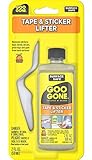
- Sticker Remover - effortlessly remove stubborn stickers with Goo Gone Stickler Lifter
- Remove Gum From Carpet - excellent tool for removing gum for any of your surfaces
- Decal Remover - great for removing decals from your cars, boats, RV's, etc.
- Works On - adhesive, adhesive residue, stickers, tape, labels, decals, price tags and gum
- Safe For Use - on ceramic/porcelain, finished wood, glass, metals and plastics
How do you remove sticker residue from wood?
Use minimal moisture and start with slow peeling followed by a barely damp, soapy cloth. Test any oil or commercial remover on a hidden spot first. Do not soak unfinished or porous wood, which can absorb liquid and stain.
Do these 3 things before closing this tab:
1Clear out junk files and repair common Windows errors2Scan for outdated or missing drivers - takes under a minute3Repair Windows errors before they cause bigger problemsIs acetone safe for removing sticker residue?
Not as a general-purpose household method. Acetone and nail-polish remover can damage plastics, paint, finishes, laminates, and coatings. Use them only when the surface manufacturer specifically confirms compatibility.
The Bottom Line
Peel first, soften second, and clean last. Start with warm dish soap, use oil only on a tested compatible surface, reserve rubbing alcohol for surfaces that tolerate it, and choose a labeled adhesive remover when the residue is too stubborn for household methods. A hidden-spot test and a no-mixing rule prevent most avoidable damage.
Quick Recap
Product prices and availability are accurate as of the date/time indicated and are subject to change. Any price and availability information displayed on Amazon at the time of purchase will apply.




