Do these 3 things before closing this tab:
1Fix the driver behind crashes, sound loss and screen glitches2Clear out junk files and repair common Windows errors3Scan for outdated or missing drivers - takes under a minuteFor a washable, colorfast garment: blot or scrape away excess grease while the fabric is dry, place cardboard or a folded white towel behind the stain, apply liquid laundry detergent or a small amount of hand dishwashing liquid for 5–10 minutes, then wash in the warmest water allowed by the care label. Air-dry and inspect before using a dryer; repeat the treatment if any shadow remains.
That method is not safe for every garment. Silk, wool, cashmere, rayon, acetate, velvet, leather, suede, embellished clothing, and anything marked dry clean only need a different approach. The fabric label, construction, and source of the grease matter more than the stain alone.
As an Amazon Associate I earn from qualifying purchases.
First, identify what kind of grease is on the clothing
“Grease” can mean several different soils:
- Food grease: cooking oil, olive oil, butter, bacon grease, lard, mayonnaise, salad dressing, and gravy.
- Body and cosmetic oils: sunscreen, hair oil, massage oil, makeup, skin oil, and petroleum jelly.
- Mechanical grease: motor oil, chain oil, bearing grease, lubricating grease, and other petroleum-based products.
- Fuel or industrial contamination: gasoline, kerosene, solvents, unknown chemicals, and heavily saturated workwear.
Oil and grease repel water and can cling tightly to textile fibers, which is why simply rinsing the garment rarely works. Food and body oils can usually be treated as laundry stains when the clothing is washable. Automotive grease may need a more targeted product or professional cleaning. Fuel and unknown chemical contamination is a safety issue, not an ordinary laundry problem; do not put saturated clothing in a household washer or dryer. Follow the chemical’s safety instructions and consult local hazardous-material guidance or a professional cleaner. The OSHA decontamination guidance and NIOSH protective-clothing guidance explain why contaminated work clothing requires special handling.
Before treating the stain: check the garment
Read the care label and fiber-content tag before adding water or cleaner. The care label takes priority over the fiber name. A polyester garment may be washable, but it may also have a lining, coating, glued construction, pleats, sequins, leather trim, or a dry-clean-only instruction.
#1 Best Overall

- What You'll Get: One 22oz spray bottle of Shout's Prewash Active Enzyme Stain Remover Spray. Bottle, excluding trigger & label, made of 25% Post Consumer Recycled plastic!
- Everyday formula: works on a wide range of stains from food, drinks, makeup, grass, dirt, red wine, blood, and more
- Clings, Penetrates, & Lifts: 50x more concentrated than in-wash powered when applied directly to stain
- Quick & Easy To Use: works on all machine-washable whites and colored fabrics, and works in all water temperatures and in HE and standard washers
- Spray, Rub, and Wash: our formula let's you treat the toughest stains and wash up to a week later
Check for:
- washable versus dry-clean-only instructions;
- machine-wash versus hand-wash requirements;
- maximum water temperature;
- bleach restrictions;
- air-dry, low-heat, no-wring, or no-steam warnings; and
- coatings, laminated panels, embroidery, beads, sequins, leather, or other attached finishes.
In the United States, covered apparel generally must include washing or dry-cleaning instructions and relevant warnings under the FTC’s care-labeling rule. Labels and terminology can differ by country, so use the instructions attached to your garment.
What to do right now on washable clothing
- Keep the fabric dry at first. Blot liquid grease with a paper towel or clean white cloth. For butter, bacon fat, or another solid, lift it gently with the edge of a dull spoon or knife. Do not rub hard; rubbing pushes grease outward and deeper into the fibers.
- Protect the other side. Slide a piece of cardboard, a plastic-free board, or several folded white towels behind the stain. This prevents the grease and cleaner from transferring through the garment.
- Use an absorbent powder only if helpful. For a fresh surface stain, cover it with cornstarch, baking soda, potato starch, or talcum powder. Leave it for about 15 minutes to several hours, then brush or shake it off gently. Powder absorbs some surface oil, but it is not a complete treatment for embedded grease.
- Apply a grease-cutting pretreatment. Use liquid laundry detergent or a small amount of hand dishwashing liquid on a sturdy, washable, colorfast garment. Work it gently into the spot with your fingers or a soft cloth. For a heavy stain, place the garment stain-side down on clean paper towels and apply the treatment from the back so loosened grease can transfer into the towels. For a small spot, applying detergent directly to the front is fine.
- Wait 5–10 minutes. Do not let the product dry on the garment. If the product label gives a different dwell time, follow that label.
- Rinse localized dish soap when appropriate. Hand dishwashing liquid is highly sudsy. Rinse or blot out as much as the product and garment instructions require before putting the item in the washer.
- Wash with laundry detergent. Use the warmest water permitted by the care label. Warm water generally helps loosen oily soil on washable fabrics, but the garment label controls the maximum safe temperature.
- Air-dry and inspect in bright light. Do not use the dryer until the stain is gone. Heat can make residual grease much harder to remove, and a wet garment can hide a remaining shadow.
- Repeat if necessary. Old or heavy grease often requires more than one pretreatment and wash. Repeat the fabric-safe process before trying a harsher chemical.
This label-first sequence is consistent with guidance from the American Cleaning Institute, Whirlpool, Tide, and Clorox.
Should you use laundry detergent or dish soap?
| Product | Best use | Important limitation |
|---|---|---|
| Liquid laundry detergent | The best default for most washable clothing. It is designed to rinse in a washing machine and may contain surfactants, solvents, builders, or enzymes that help with oily soil. | Heavy or dried grease may need repeated applications or a grease-targeted product. |
| Hand dishwashing liquid | A small amount can cut food grease on sturdy, washable, colorfast fabric. | It creates far more suds than laundry detergent. Use it as a localized pretreatment, not as the main detergent in the washer. |
| Automatic dishwasher detergent | Not a clothing pretreatment. | Do not substitute it for laundry detergent or hand dish soap. It can be harsh and may damage fabric or color. |
| Enzyme stain remover | Useful for old food or body-oil stains when the product is approved for the garment. | Enzymes are not automatically safe for silk, wool, leather, or dry-clean-only clothing. |
Dish soap belongs in the spot-treatment step, not in the washing machine. Excess suds can interfere with washer performance, increase rinsing, and contribute to poor draining or overflow. See Whirlpool’s explanation of excessive washer suds.
What do enzymes do?
Some laundry products contain lipase, an enzyme that helps break down fats and oils. Ingredient lists vary, but enzyme names often end in “-ase.” An enzyme stain remover can be useful on an old food- or body-oil stain if its label permits use on that fiber and color.
Do not assume that an enzyme product is safe for every fabric. Follow both the stain-remover instructions and the clothing-care label. The American Cleaning Institute’s explanation of enzymes provides more detail.
Fabric-by-fabric grease-stain guide
Use the following as a decision guide, not as a replacement for the care label. Always test an unfamiliar product on an inconspicuous area first: apply it, wait about 5–10 minutes, rinse or blot as directed, and check for fading, bleeding, texture change, or water marks.
Rank #2
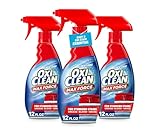
- 12 FL OZ OXICLEAN MAX FORCE STAIN REMOVER SPRAY; this newborn and baby essential helps parents power out tough set-in laundry stains the first time; spray now and wash up to 7 days later
- SPRAY NOW, WASH UP TO 7 DAYS LATER; this convenient baby stain remover spray penetrates tough laundry stains
- 5-IN-1 STAIN FIGHTERS help remove tough dried-in stains the first time, like berries, baby food, fruit juice, grass, mud, oil, grease, coffee, wine, chocolate, ketchup, blood, ink and washable paint
- TOUGH ON STAINS, GENTLE ON CLOTHES; this color-safe, enzymatic stain remover for baby clothes is a baby and newborn essential that contains no chlorine bleach, no brighteners, no dyes and no phosphates
- FOR ALL MACHINE-WASHABLE FABRICS; a powerful laundry stain remover for onesies, bibs, sheets, towels, denim jeans, t-shirts, workout gear, canvas shoes, dresses, bras; and washable fabrics like cotton, linen, spandex, fleece, polyester, nylon
| Fabric or construction | Safer starting point | Do not do this casually |
|---|---|---|
| Cotton | Blot or scrape, pretreat with liquid laundry detergent or a little hand dish soap, then wash at the warmest label-safe temperature. Air-dry and inspect. | Use chlorine bleach as the first treatment or dry the garment before checking it. |
| Linen | Treat similarly to cotton. Pretreat thoroughly, wash at the warmest permitted temperature, and air-dry while checking the stain. | Aggressive scrubbing, which can damage the fibers and spread the grease. |
| Denim and corduroy | Use the sturdy-fabric method. Denim generally tolerates gentle brushing better than delicate textiles; use cardboard behind the stain. | Assume dark denim is colorfast. Test first, especially with a strong stain remover or bleach. |
| Polyester | Pretreat promptly with liquid laundry detergent, a grease-targeted product, or a small amount of hand dish soap if the label permits. Wash and air-dry. | Leave the oil untreated. Polyester can retain oily stains even when the fabric otherwise looks clean. |
| Nylon | Use a small amount of laundry pretreatment or hand dish soap, warm water if allowed, then wash and air-dry. | Excessive heat or untested bleach. Nylon can be sensitive to heat and may pick up dye. |
| Acrylic | Follow the label, pretreat the oil, and use lukewarm water where permitted. | High heat, which can encourage pilling or damage the fiber. Acrylic can also hold grease. |
| Spandex or elastane | Treat promptly. Use warm—not hot—water if allowed, a mild laundry product, and low- or no-heat drying. | Chlorine bleach, high dryer heat, hot water, or acetone. These can weaken or damage stretch fibers. |
| Rayon or viscose | Treat only if the label supports washing. Use minimal moisture and gentle detergent, avoid prolonged soaking, and air-dry. | Wringing, aggressive rubbing, high heat, or casual solvent use. Rayon can weaken or distort when wet. |
| Acetate or triacetate | Follow the label carefully; professional dry cleaning is often preferred for acetate garments. | Acetone or nail-polish remover, strong acids, alcohol, and high heat. Acetone can dissolve or severely damage acetate. |
| Silk | Blot immediately. A small amount of absorbent powder may be a conservative first step, but professional cleaning is the safer choice for valuable, lined, structured, or clearly marked dry-clean-only silk. | Chlorine bleach, high heat, vigorous rubbing, and untested dish soap or enzyme products. Some silk is washable, so follow its specific label. |
| Wool or cashmere | Blot. If the label permits washing, use a small amount of wool detergent and cool or lukewarm water; press between towels and dry flat. | Alkaline cleaners, hot water, agitation, wringing, chlorine bleach, and dry heat. These can cause felting, shrinkage, or distortion. |
| Velvet | Identify the fiber and follow the label. If washable, use a very gentle, localized treatment and protect the pile from pressure and rubbing. | Stiff brushing, hard scrubbing, excessive rinsing, or flattening the pile. Velvet may be washable or dry-clean-only depending on its fiber and construction. |
| Satin | Check the fiber beneath the satin weave. Treat according to that fiber and the care label; use a professional cleaner for valuable or structured pieces. | Assume all satin behaves alike. Silk satin, polyester satin, and acetate satin have different risks. |
| Leather | Blot excess grease. If appropriate for the item, use an absorbent powder cautiously, followed by a leather-specific cleaner; condition only if the manufacturer permits it. | Soaking, ordinary laundry detergent, dish soap, or untested household solvents. |
| Suede | Blot without adding water and consult a suede or leather specialist. | Water-based DIY laundry treatment, vigorous brushing, or household degreasers. |
| Dry-clean-only clothing | Blot or gently scrape excess grease without saturating the garment. Take it to a cleaner and identify the stain as food grease, body oil, motor oil, or another substance. | Washing it or applying dish soap, vinegar, bleach, or solvent without professional advice. |
Fiber behavior and these cautions are summarized in the University of Georgia Extension fiber guide and its textile-care guidance. The exact garment label still controls.
Fresh grease versus an old or dryer-set stain
Fresh stain
Act before the oil spreads. Blot or scrape, add a backing layer, optionally use powder, then pretreat and wash. Fresh grease is usually easier to remove because less of it has migrated into the fibers.
Washed but not dried
Inspect the garment before putting it in the dryer. If a shadow remains, pretreat it again and wash it. Avoid assuming that one wash has removed the grease.
Already dried in a dryer
A dryer-set stain is more difficult, but it is not automatically hopeless. On an approved washable garment, use an enzyme-containing or grease-targeted laundry stain remover, allow the product to work for its stated time, wash in the warmest safe water, and air-dry. A stubborn stain may need several cycles. Some set-in stains cannot be removed without damaging the garment, so stop before escalating to an aggressive solvent.
For a particularly heavy washable stain, Whirlpool suggests a warm-water soak of at least 30 minutes after dish-soap pretreatment. Do not use that approach on a garment whose label prohibits soaking or warm water.
Choosing among powders, oxygen bleach, chlorine bleach, and solvents
Absorbent powders
Cornstarch, baking soda, potato starch, and talcum powder can absorb some fresh surface oil. They are inexpensive and relatively conservative, but they do not chemically remove grease embedded in the fibers. Apply powder before liquid pretreatment, brush it away gently, and avoid vigorous brushing on silk, wool, cashmere, velvet, or other raised piles.
Rank #3
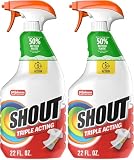
- Effective Stain Remover: Removes tough stains from clothes and linens
- Safe On All Fabrics: Safe to use on all washable fabrics
- Convenient Size: 22 ounce bottle is easy to use and fits in most laundry detergents
- Trusted Brand: Made by SHOUT, a leading laundry detergent brand
- Easy To Use: Simply apply directly to stain and let the washing machine do the work
Oxygen bleach
An oxygen-bleach product may help with a remaining discoloration on a colorfast, bleach-safe washable garment. It is a product-specific treatment, not a universal degreaser. Read the product directions and garment label, and test for colorfastness.
Chlorine bleach
Chlorine bleach is not a first-line grease remover. On a white garment that is explicitly bleach-safe, it may help with residual discoloration after the grease has been pretreated and washed. Never use it on silk, wool, leather, suede, spandex, or a garment whose label prohibits it. Do not spot-bleach colored clothing unless the product and garment instructions specifically support it.
Never mix bleach with vinegar, ammonia, or other household cleaners. Mixing can produce dangerous fumes or chemical reactions.
Recommended Free Tools
Commercial solvents
Dry-cleaning solvents can dissolve heavy petroleum or lubricating oils, but they are not casual universal remedies. Some are toxic and flammable and can damage dyes, coatings, adhesives, or fibers. The University of Georgia Extension’s solvent guidance recommends label compliance, ventilation, gloves, colorfastness testing, and careful storage and disposal.
Do not use gasoline, mineral spirits, paint thinner, acetone, or WD-40 as a default clothing hack. They may create a second stain, damage the fabric, produce hazardous vapors, or create a fire and disposal risk. If a professional cleaner recommends a solvent, follow the cleaner’s instructions rather than improvising.
Common mistakes that make grease stains worse
- Using only baking soda: powder can absorb surface oil but may leave embedded grease behind.
- Putting dish soap in the washer: the excess suds can interfere with the machine. Use laundry detergent for the wash.
- Using cold water exclusively: cold water can be suitable for some delicate fabrics, but it is not automatically best for grease. Use the warmest label-safe temperature on washable sturdy garments.
- Drying before checking: dryer heat can make residual grease substantially harder to remove.
- Scrubbing aggressively: rubbing can spread the stain, abrade fibers, flatten velvet, pill wool or rayon, and damage silk or coatings.
- Using vinegar as the main treatment: a surfactant-based pretreatment is the more appropriate starting point for grease. Never combine vinegar with bleach.
- Using hairspray: modern hairspray is not a dependable grease treatment. Whirlpool notes that credible support for this old remedy is lacking.
- Treating motor oil like food grease: heavy petroleum contamination can require different chemistry and greater safety precautions.
- Ignoring the care label: a garment’s construction and finish can be more vulnerable than its fiber name suggests.
When to stop and use a professional cleaner
Choose professional cleaning rather than experimenting when:
Rank #4
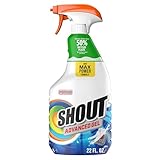
- What You'll Get: One 22oz spray bottle of Shout's Advanced Laundry Stain Remover Gel. Bottle, excluding trigger & label, made of 25% Post Consumer Recycled plastic!
- Formulated for heavy duty stains: this thick gel stain remover is made specifically to treat difficult stains from food, drinks, makeup, grass, dirt, red wine, blood, and more
- Best Shout Formula: made with 70% more stain-fighting power compared to Shout Triple-Acting
- Quick & Easy To Use: works on all machine-washable whites and colored fabrics, and works in all water temperatures and in HE and standard washers
- Spray, Rub, Wash, and Done: our formula let's you treat stains toughest stains and wash up to a week later
- the label says dry clean only;
- the garment is made from silk, wool, cashmere, acetate, leather, suede, or a fragile specialty fabric;
- the garment is valuable, tailored, lined, embellished, pleated, coated, or sentimental;
- the stain is large, old, or already dryer-set;
- you cannot identify the chemical or oil; or
- the garment is saturated with gasoline, kerosene, solvent, or industrial product.
Tell the cleaner exactly what caused the stain and what products, if any, have already been applied. That information helps the cleaner choose a compatible treatment and avoid an unexpected chemical reaction.
What’s actually slowing this PC down?
Pick the symptom - the matching free tool is one click away.
A compact decision tree
- Is it fuel, an unknown chemical, or heavily saturated automotive contamination? Stop ordinary laundry treatment and follow hazardous-material or professional-cleaning guidance.
- Does the label say dry clean only, or is the item leather, suede, silk, wool, acetate, or highly delicate? Blot excess grease, avoid improvised water treatment, and consult a specialist.
- Is the garment washable and colorfast? Blot or scrape, add a backing layer, pretreat with liquid laundry detergent or a little hand dish soap, wait 5–10 minutes, and wash warmest label-safe.
- Is the stain still visible? Air-dry, repeat the approved treatment, and avoid the dryer until the stain is gone.
- Is the stain old or dryer-set? Try an approved enzyme or grease-targeted product and repeat patiently; use a professional cleaner if the garment is valuable or the stain persists.
Sources and further guidance
- American Cleaning Institute: Stain Removal Guide
- American Cleaning Institute: Soil and Stain Removers
- Whirlpool: How to Get Grease and Oil Stains Out
- Tide: How to Remove Grease Stains
- Clorox: How to Get Oil Stains Out of Clothes
- University of Georgia Extension: Removing Oil Stains
- FTC: Care Labeling Rule
Frequently Asked Questions
Does grease come out of clothes after they have been dried?
Sometimes. A dryer-set stain is harder to remove, but an approved enzyme or grease-targeted stain remover may help on washable clothing. Treat it, wash in the warmest label-safe water, air-dry, and repeat. Some set-in stains are permanent, and aggressive solvents may damage the garment.
Is hot or cold water better for grease stains?
Use the warmest water the care label allows. Warm water generally helps loosen oily soil on washable fabrics, while cold water may be necessary for some delicate items. Dryer heat is the more important risk: do not use it while any grease shadow remains.
Can I use Dawn or another dish soap on clothes?
A small amount of hand dishwashing liquid can be useful as a localized pretreatment on sturdy, washable, colorfast fabric. Let it work for about 5–10 minutes, rinse it as appropriate, and use laundry detergent in the washer. Never use automatic dishwasher detergent on clothing.
Does baking soda remove grease from clothing?
Baking soda can absorb some fresh surface oil, but it is not a complete degreaser. Leave it on for roughly 15 minutes to several hours, brush it away gently, and follow with a fabric-safe liquid detergent treatment.
Crashes, No Sound, or Screen Glitches?
Random freezes, missing sound and display glitches usually trace back to one bad driver. Find and replace yours safely.Free scan · under a minuteWindows Errors? Fix Them Before They Spread
Repair common Windows errors and clear accumulated junk for a smoother, more stable PC - no reinstall needed.Free scan · no reinstallCan vinegar remove a grease stain?
Vinegar should not be the main treatment for clothing grease. A surfactant-based laundry pretreatment is a more suitable starting point. Never mix vinegar with bleach.
Best Value

- ✅ HARSH ON STAINS NOT THE FABRIC: The toxin-free stain remover formula removes just the stains, not the beautiful color of your clothes. Our effective yet gentle stain remover for clothes does not contain bleaching agents or leave dirt-attracting residues, so spot remover should not harm your fabric. You can use Grandmas spot remover worry-free on your expensive investment.
- ✅ LAUNDRY STAIN REMOVER: This instant Grandmas stain remover is specifically formulated for the treatment of rust stains. Try fabric stain remover on those stains that have aged in, or ones that have gone through the washing machine already. The best part is that fabric cleaner is concentrated. The clothes stain remover formula has no bleach, chlorine or phosphates added & grandma stain remover leaves behind a pleasant citrus fragrance.
- ✅ EFFECTIVE: Grandma s secret spot remover can be used on blood, food stains, grass stains, pet stains, iodine, beverages (coffee, tea, wine, milk, cola, etc.), crayon, uncured latex paint, chocolate, raw egg, candle wax, heavy grime, ketchup, grease, oil stains, most shoe polishes, much more and the Grandma secret spot remover formula works in all water temperatures.
- ✅ BABY STAIN REMOVER: No matter how adorable the baby is, keeping your sweet cheeks clean is a challenge. The baby stain remover for laundry goes to work to remove everything from diaper leaks to your baby food mishaps.
- ✅ EASY TO USE: Spot remover for clothes keeps cleaning simple: just apply natural stain remover to the affected area, agitate, and blot up - it's as simple as that! Stains are completely gone with clothes stain remover.
How do I remove motor oil from work clothes?
If the garment is washable and only lightly spotted, blot, pretreat with a compatible grease-targeted laundry product, wash at the warmest label-safe temperature, and air-dry. For heavy petroleum grease, fuel, unknown chemicals, or saturated workwear, do not place the item in a household washer or dryer; consult the product safety instructions or a professional cleaner.
How should I treat grease on silk or wool?
Do not automatically use the standard dish-soap method. Blot without rubbing, check the care label, and use a professional cleaner for valuable, structured, or dry-clean-only garments. If a washable wool item permits it, use wool detergent, cool or lukewarm water, minimal agitation, and flat drying.
Can bleach remove a grease stain?
Bleach is not a primary grease remover. On a white, bleach-safe garment, it may help with discoloration left after pretreatment and washing. Never use chlorine bleach on silk, wool, leather, suede, spandex, or garments whose labels prohibit it, and never mix bleach with vinegar or ammonia.
Free tools Windows power users keep installed
One-click scans. No signup required.
Why did the grease stain reappear after washing?
The garment may still contain oil that was hidden while wet or was not fully removed by the first treatment. Air-dry it, inspect it in bright light, pretreat again, and rewash before using a dryer. Polyester and other fabrics can retain oily residue even when the first wash looks successful.
When should I stop trying to remove the stain myself?
Stop when the garment is dry-clean-only, delicate, valuable, coated, embellished, leather or suede, or contaminated with fuel or an unknown chemical. Also stop if repeated approved treatments do not work; further scrubbing or solvent use may cause permanent damage.
The Bottom Line
For ordinary washable clothing, the winning sequence is blot, pretreat, wash warmest label-safe, air-dry, inspect, and repeat. Powders can absorb surface oil, but liquid detergent or a suitable grease-cutting pretreatment does the real cleaning. Dish soap is a spot treatment—not washing-machine detergent. For delicate fibers, dry-clean-only garments, leather and suede, or fuel and industrial contamination, the safest method is to follow the label and use a qualified cleaner.
Quick Recap
Product prices and availability are accurate as of the date/time indicated and are subject to change. Any price and availability information displayed on Amazon at the time of purchase will apply.
Quick wins for a faster PC:
Repair Windows errors before they cause bigger problemsFix Now →Fix the driver behind crashes, sound loss and screen glitchesFind Drivers →



