The safest recycling rule is “know before you throw.” Recycling instructions are set locally, so a material accepted by one city, hauler, or recycling facility may be rejected by another. Check your municipality, waste hauler, or solid-waste district before putting anything in the curbside bin.
Use this order of preference: reduce what you buy, reuse or repair what you already have, donate usable items, and recycle only when those options are no longer practical. Recycling is valuable, but preventing waste generally has a greater environmental benefit than processing it after disposal.
As an Amazon Associate I earn from qualifying purchases.
Set up five separate household collection areas
A simple sorting system prevents most mistakes. Use clearly labeled containers or designated spaces for:
- Curbside recyclables: only materials your local program explicitly accepts.
- Compostable food and yard material: for a backyard pile, community program, or municipal food-scrap collection.
- Donation, repair, and reuse items: clothing, books, furniture, tools, appliances, and electronics that may still be useful.
- Batteries and electronics: items waiting for a proper retailer, manufacturer, municipal, or household-hazardous-waste drop-off.
- Household hazardous waste: paint, solvents, pesticides, certain cleaners, oils, and other chemicals requiring special handling.
A divided set of home recycling bins can make this arrangement easier, particularly in a kitchen, garage, mudroom, or utility area. Choose a capacity that fits your household and a footprint that does not encourage overflow. Removable liners and clear labels can help, but do not put curbside recyclables into bags unless your local program specifically requires bagging. Many programs need recyclables loose so sorting equipment can identify them.
The container does not determine whether an item is recyclable. Customize its labels to your local accepted-material list. Generic recycling symbols and the numbers on plastic containers are not a guarantee that your hauler accepts the item.
#1 Best Overall

- MULTI-PURPOSE: Please insert black plastic stripes under the handles. Those actually keep bags in shape and you have to insert them before use.It is not only recycle bin, but also laundry basket. The color of the indoor recycle bag is composed of pink, gray and light green. It is very natural and coordinated. Spacious 3 compartments allow you to neatly organize all recycling waste,great for kitchen, home, office, garages. Their easy care makes them a great choice for garden clean up or waste bins
- DURABLE AND 100% WATERPROOF: Indoor recycling bins for kitchen made of a light and durable woven Polypropylene fabric which makes the household recycling bin reusable, waterproof and easy to clean. And the high-quality laminating processing makes the color of the bag very natural, bright and fashionable
- PRACTICAL & EASY TO USE: Detachable and practical use with Velcro. It can be easily folded and stored when not in service. Convenience when moving by increasing the length of the handle. You can easily set up your own recycling center with pack of 3 bins which are perfect for sorting recyclable Paper, Can, Bottle, Glass, Plastic (PET) and clothes
- MULTI-FUNCTION DESIGN IN STYLE: The recycle bag clean look, efficiently to handle your waste and recyclables, perfect refuse solution, for sorting recyclables, compost, and other garbage. This product is designed to enhance aesthetic appearance of your home kitchen and office. Easy to recognize colors make it easy for adults and children to sort correctly and neatly other garbage
- DIMENSIONS: 11.8L x 11.8W x 23.6H(inch), 30L x 30W x 60H(cm). Set of 3 Bins (Total 42 Gallons). Classic colors and durable materials for use in offices, kitchens, bedrooms, storage rooms and more, and to keep these areas clean. They are deep enough to take a week's worth of recyclables for you. It is perfect for large families or offices
The correct way to prepare curbside recyclables
Before an item goes into the curbside container, follow this short routine:
- Check acceptance. Look up the current list on your city, county, hauler, or solid-waste district website.
- Empty it. Pour out liquids and remove food, grease, and other substantial residue.
- Scrape or quickly rinse it. A brief rinse is usually enough where local rules permit; extensive washing wastes water and is rarely necessary.
- Keep it loose. Do not place recyclables inside plastic shopping bags or garbage bags unless local instructions say otherwise.
- Separate special materials. Batteries, electronics, film, textiles, chemicals, oil, and food scraps generally need different routes.
- When uncertain, leave it out and verify. “Wish-cycling”—putting questionable items in the bin and hoping they are accepted—can contaminate a whole load.
Items commonly accepted in curbside recycling
Many U.S. programs accept some combination of the following:
Free tools Windows power users keep installed
One-click scans. No signup required.
- Corrugated cardboard and paperboard food boxes
- Newspapers, office paper, mail, magazines, and paperback books
- Beverage cans and food cans
- Glass bottles and jars
- Plastic bottles, jugs, jars, and some containers with caps
- Cartons, in communities with a program that accepts them
This is a general list, not a universal guarantee. Local programs may exclude glass, cartons, certain plastics, shredded paper, mixed-material packaging, or other items. Always treat the local list as the final authority.
Cardboard and paper
Flatten corrugated boxes and remove excess packing materials, plastic film, foam, and other contents. Keep boxes within any size limits set by your hauler. A pizza box can generally be recycled after food scraps and heavily contaminated portions are removed. Flatten it before placing it in the bin.
Paper takeout containers may be recyclable when they are sufficiently free of food and grease, but heavily contaminated paper belongs in the trash or composting stream if your local program accepts it. Do not assume that a paper-looking cup, wrapper, or container is recyclable; coatings and mixed materials can change the answer.
Paperback books can generally be recycled where books are accepted. A usable book should preferably be donated, sold, or passed along. If a local program accepts hardcover books, it may require removing the hard cover first.
Recommended Free Tools
Plastic bottles, containers, bags, and foam
Plastic bottles and caps are often accepted together. Replace the cap after emptying and rinsing the bottle if your local instructions allow it. Other plastic packaging is much less predictable, even when it displays a recycling symbol or resin identification number.
Plastic bags, wraps, and film generally do not belong in household curbside recycling. Some grocery and retail stores collect clean, dry film separately, but store programs have their own rules. Do not put bagged recyclables in the curbside bin simply because the bag itself might be accepted at a separate drop-off.
Polystyrene foam is accepted by very few curbside programs. Plastic utensils, straws, and similar small items are also commonly excluded. Compostable plastic packaging should not be mixed with conventional plastic recycling. It can contaminate the recycling stream and may require a specialized commercial composting program instead.
Metal cans and foil
Aluminum and steel food or beverage cans are commonly accepted after they are emptied. Clean aluminum foil may be accepted, but local programs vary. If foil is accepted, gather small pieces into a larger ball so sorting equipment is more likely to recognize it.
Rank #2

- Large-Capacity & Complete 4-Piece Set for Effortless Sorting:This recycling bin set includes four separate 12-gallon (45-liter) bags, each designed with ample space to sort and contain cans, paper, plastic, and glass. Unlike flimsy or undersized alternatives, these bins reduce frequent emptying and streamline waste management in your home, office, garage, or kitchen. The set comes ready to use with clearly labeled compartments, making it easy to adopt an organized and eco-friendly routine. Whether for household recycling or office sustainability efforts, this comprehensive set meets daily needs while encouraging consistent and correct waste separation.
- Sturdy, Waterproof & Reusable Construction for Long-Term Use:Crafted from high-quality polypropylene and reinforced plastic, these recycling bins are built to last. The waterproof material prevents leaks and resists stains, while the sturdy design ensures the bins won’t tear, break, or deform even with regular use. Easy to clean and fade-resistant, they offer a reliable and sanitary solution for sorting recyclables. Their reusable design supports sustainable living by replacing disposable bags, making them both an economically smart and environmentally responsible choice for any modern space.
- Intuitive Color-Coded System & Secure Hook-and-Loop Organization:Each of the four bins features a bright, distinct color—orange, green, blue, and yellow—allowing for instant visual identification and reducing sorting errors. The bins can be neatly connected side-by-side using the convenient hook-and-loop adhesive borders, keeping your floor space tidy and your recycling system compact. This design not only enhances kitchen or office aesthetics but also promotes consistent recycling habits through clear, color-coordinated organization for cans, paper, plastic, and glass.
- Versatile, Practical & Thoughtful Gift for Sustainable Living:Ideal for homes, offices, dorms, and garages, this set combines functionality with an eco-conscious message. It serves as a practical and meaningful gift for family, friends, or colleagues who value organization and sustainability. By simplifying waste separation with a durable, well-designed system, it encourages long-term recycling habits and supports a greener lifestyle. Help others contribute to a cleaner environment while enhancing their space with this affordable, reusable, and user-friendly recycling solution.
- Service Guarantee:We always ensure 100% customer's satisfaction, if you have any questions, please feel free to send me a message, we will surely help you solve the problem within 24 hours.
Do not automatically crush cans. In many single-stream systems, flattened cans can be harder for sorting equipment to detect. Multi-stream programs may give different instructions, so follow the directions for your community.
Glass
Glass bottles and jars are commonly accepted in some curbside programs but excluded from others because of breakage, collection equipment, or a separate glass-recovery system. If your program accepts them, empty and rinse the containers. Do not include drinking glasses, mirrors, ceramics, windows, light bulbs, or cookware unless the local program specifically lists them; these materials have different compositions and melting properties.
What does not belong in the curbside bin
Unless your local program specifically says otherwise, keep these materials out of ordinary curbside recycling:
- Plastic shopping bags, film, and wrap
- Food scraps and liquids
- Textiles and clothing
- Electronics and electronic accessories
- Most batteries
- Paint, solvents, pesticides, and other household hazardous waste
- Motor oil and automotive fluids
- Compostable plastic packaging
- Polystyrene foam
- Plastic utensils and other small, non-accepted plastics
- Propane cylinders, aerosol containers, and pressurized items unless specifically accepted
Non-accepted materials can damage equipment, create fires or chemical hazards, or contaminate otherwise recyclable material. Some facilities must discard an entire load when contamination is severe.
Do these 3 things before closing this tab:
1Repair Windows errors before they cause bigger problems2Scan for outdated or missing drivers - takes under a minute3Clear out junk files and repair common Windows errorsFood waste belongs in composting—not material recycling
Food is not recycled through an ordinary paper, plastic, metal, and glass bin. Prevent food waste first: plan purchases, store food properly, use leftovers, and freeze items you will not eat soon.
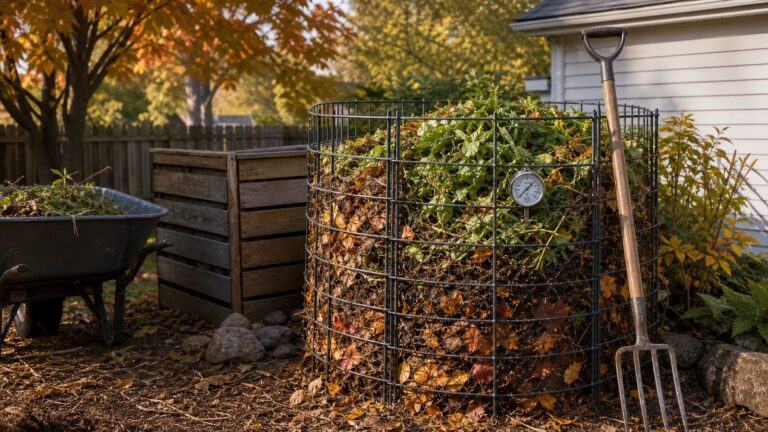
When food scraps remain, use a backyard, community, or municipal composting program where available. Backyard composting is managed aerobic decomposition. It generally needs a balance of browns such as dry leaves and plain paper, greens such as fruit and vegetable scraps, moisture, and oxygen. Local composting programs may accept more items than a backyard pile, including some meat, dairy, or certified compostable products—but only follow the program’s published list.
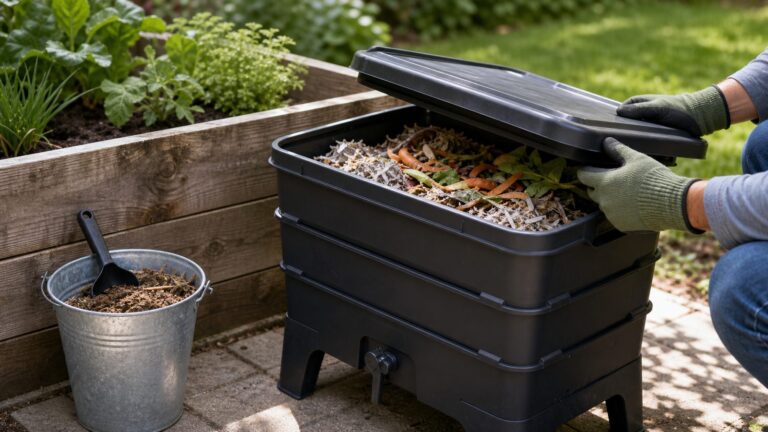
A countertop compost bin or sealed food-scrap container can make it easier to collect scraps between trips to an outdoor pile or municipal drop-off. It is a collection aid, not permission to put food or compostable packaging into curbside recycling. Empty and clean the container regularly to control odors and pests.
Batteries: prevent fires before disposal
Lithium-ion batteries and devices containing them must not go into household garbage or curbside recycling. They can be damaged by compactors and sorting equipment and may ignite during collection or processing.
Crashes, No Sound, or Screen Glitches?
Random freezes, missing sound and display glitches usually trace back to one bad driver. Find and replace yours safely.Free scan · under a minutePC Slower Than It Used to Be?
A free scan shows the junk files, broken settings and background clutter dragging Windows down - then fixes them in one click.Free scan · Windows 10 & 11For ordinary used batteries, follow the collection instructions for the specific chemistry and your jurisdiction. EPA guidance recommends reducing the risk of short circuits by taping battery terminals or placing batteries in separate plastic bags before taking them to an appropriate battery-recycling or household-hazardous-waste collection point. Do not mix loose batteries with metal objects.
Lead-acid batteries, including many automotive batteries, should generally be returned to a battery retailer or taken to a local household-hazardous-waste program. Single-use alkaline, rechargeable, lithium, and specialty batteries can have different rules, so verify the accepted types before traveling to a drop-off.
Do not put a swollen, leaking, damaged, hot, punctured, or recalled lithium battery into a household collection container. Do not tape or transport a visibly damaged battery as though it were routine waste. Keep people and flammable materials away and contact the battery manufacturer, local household-hazardous-waste authority, fire department, or emergency service for handling instructions. A small battery box is suitable only for ordinary intact batteries awaiting an approved drop-off.
Electronics need a dedicated reuse or recycling route
Computers, phones, televisions, printers, cables, small appliances, and other electronics generally do not belong in curbside recycling. Working equipment should first be:
Rank #3

- The Perfect Solution: Looking for a way of creating a functional and effective recycling system in your home or office? Tired of always using poor quality waste bags or improvisations in order to sort your waste? The ANUANT garbage cans for kitchen are an excellent choice for any modern living space!
- Sturdy and Durable Construction: Our recycle bins are made employing premium grade, highly durable materials, a combination of waterproof polypropylene and hook & loop securing system, designed to last for many years of use.
- Large Capacity: Unlike similar products on the market, this recycling trash can features a 10 gallon/38 liter holding capacity, ideal for your household’s needs. An excellent choice also for your office or garage, these recycling bins save up on time and energy, requiring fewer emptying trips!
- Efficient Sorting: The ANUANT waste bin comes in sets of 4, with each bin being properly labeled for a smooth and easy organization of your everyday waste. Efficiently sort can, paper, glass and plastic with these durable, reusable recycling bags!
- Double Stitch Handle Straps: This waterproof storage bin features an upgraded design with double handles for an ergonomic and reliable grip, ensuring no unpleasant spills or messy accidents. The bins are easily interconnected on the sides with a hook and loop band, for better organization of your space.
- Repaired
- Upgraded or refurbished
- Donated or sold
- Returned through a manufacturer or retailer take-back program
Before donating or recycling a computer, phone, tablet, camera, or other device:
- Back up any files you need.
- Sign out of accounts and remove activation locks.
- Perform a factory reset or securely erase personal data according to the manufacturer’s instructions.
- Remove memory cards, SIM cards, and accessories you intend to keep.
- Remove the battery only when it is designed to be removed safely.
- Confirm that the recipient accepts the exact device and condition.
Use a dedicated electronics collection site, manufacturer, retailer, municipal event, or responsible electronics-recycling program. Acceptance, fees, device limits, data-destruction practices, and geographic coverage vary. Do not assume that a site listed online accepts every type of electronics.
Household hazardous waste requires special handling
Paint, cleaners, pesticides, solvents, certain adhesives, pool chemicals, fuels, batteries, and similar products may be ignitable, reactive, corrosive, or toxic. Do not pour them down a drain, onto soil, or into a storm sewer. Do not mix chemicals, remove labels, or place containers in curbside recycling unless the local program explicitly directs you to do so.
Household hazardous-waste rules are largely managed by state and local authorities. Contact your local environmental, health, solid-waste, or fire authority for collection instructions. Keep products in their original labeled containers when possible, away from children, pets, heat, and ignition sources, and follow the collection site’s transport rules.
The Tool Desk
Outbyte PC Repair FREERepair Windows errors before they cause bigger problemsFix Now →Outbyte Driver Updater FREEFix the driver behind crashes, sound loss and screen glitchesFind Drivers →Used motor oil
Never dump used motor oil on the ground or down a drain. Store it in a sturdy, closed plastic container and take it to an appropriate recycling center or a participating automotive or retail location. Do not mix motor oil with gasoline, antifreeze, solvents, brake cleaner, or other fluids; contamination may make the material unacceptable.
Donate, repair, and reuse before recycling
Recycling is not the first destination for a functional item. Usable clothing, appliances, tools, books, furniture, building materials, and electronics may be donated, sold, repaired, refurbished, or passed to another household. These routes preserve the item’s useful function and can support local schools, charities, community organizations, and nonprofit groups.
Confirm that the recipient accepts the specific item, brand, size, and condition. A donation center may reject broken, stained, recalled, incomplete, or outdated goods. Do not leave unwanted items outside a charity’s building when it is closed; that can turn a potential donation into illegal dumping.
For future purchases, prevention is often easier than disposal. Buy only what you need, choose durable or repairable products, avoid unnecessary packaging where practical, and use reusable food storage containers to protect leftovers and reduce single-use packaging and food waste. Reuse does not eliminate every waste problem, but it belongs ahead of recycling in the household hierarchy.
A room-by-room sorting checklist
Kitchen
- Empty and scrape containers before recycling.
- Separate food scraps for composting if a suitable program exists.
- Keep plastic film, foam, and compostable packaging out of curbside recycling unless specifically accepted.
- Keep batteries and small electronics in a separate, safe holding area.
Garage and workshop
- Separate motor oil, paint, solvents, pesticides, and automotive fluids.
- Do not pour chemicals into drains or storm sewers.
- Keep batteries away from metal objects and heat while awaiting a proper drop-off.
- Reuse or donate tools and usable materials before discarding them.
Office and living areas
- Recycle paper, mail, and cardboard only if locally accepted.
- Erase personal data from phones, computers, and storage devices.
- Donate usable books, furniture, and electronics instead of placing them in the recycling bin.
How to find the right drop-off location
Start with your city, county, waste hauler, or solid-waste district. Search for the exact material—such as “lithium battery,” “plastic film,” “television,” “used motor oil,” or “household hazardous waste”—rather than searching only for “recycling.” Check:
- Accepted material and condition
- Battery chemistry or device type
- Whether the site accepts residents from your area
- Drop-off hours and appointment requirements
- Quantity limits and fees
- Packaging and transportation instructions
- Whether the program is seasonal or event-based
A recycling-location lookup service may help identify options beyond curbside collection, but a listing is not a guarantee that the site accepts your exact item. Confirm directly before loading materials into your vehicle.
What the recycling symbol does—and does not—mean
The familiar chasing-arrows symbol may identify a material or resin type, but it does not automatically mean the item is accepted by your local recycling program. Acceptance depends on local contracts, collection equipment, sorting technology, contamination limits, and the markets available for recovered material.
Rank #4

- 🛋️✨DUAL TRASH and RECYCLING BIN with STYLE — Not Just Functional, But Decorative. Not your average indoor recycling bin. With a warm bamboo finish, decorative paneling, and minimalist form, it’s designed to elevate your space — not just manage waste. Whether placed in your kitchen, laundry room, or workplace, this double wooden recycling bin functions beautifully while adding a refined, modern aesthetic. Store plants, books, or accessories on the top shelf to make it part of your décor.
- 💪✨REMOVABLE SORTING BAGS — WASHABLE DURABLE BUILT TO LAST Equipped with 4 high-capacity sorting bins, this system supports fast, efficient waste separation for glass, paper, cardboard, and more. Each recycling organizer bin comes with its own washable liner that resists tearing and holds up against daily use. You can also line them with trash bags for even easier cleanup. This recycling sorting bin solution is made for real-world convenience.
- 🔧✨ASSEMBLE IN MINUTES — CUSTOMIZEABLE AND READY TO USE Our pull-out trash and recycle bin combo ships with everything you need — from clear instructions to customizable recycling stickers for each compartment. Set up takes less than 15 minutes. Whether you’re a DIY pro or beginner, you’ll appreciate the intuitive design and satisfaction of setting up a system that actually makes life easier. It's a home recycling bin worth every second and penny.
- ♻️🌱 JOIN THE ECO MOVEMENT — WE PLANT TREES EVERY PURCHASE Every time you choose our product, you help plant 3 trees in Borneo, restoring forests and protecting endangered wildlife. This isn’t just a bin — it’s a small, meaningful step toward reducing waste and embracing eco-conscious living. Whether you’re buying for yourself or as a gift, know that you're contributing to a larger movement with this eco-friendly recycling bin.
- 🔄💡 A SMARTER WAY TO SORT — SPACIOUS, STYLISH, AND THOUGHTFULLY DESIGNED Whether you're deep into zero-waste living or just starting to sort trash from recyclables, this 4-bin recycling organizer makes it easy. No more juggling mismatched recycling bins or hiding your trash setup in shame. This is a smart, stylish, and sustainable solution built for modern homes. A perfect fit for those who value design as much as functionality.
Similarly, a product labeled “compostable” may require a commercial composting facility with specific processing conditions. It does not normally belong in curbside recycling or a backyard compost pile unless those programs explicitly accept it.
Quick wins for a faster PC:
Clear out junk files and repair common Windows errorsFree Scan →Scan for outdated or missing drivers - takes under a minuteDriver Scan →The safest decision when you cannot tell
Use this decision tree:
- Can you reduce the purchase or avoid the waste? Do that first.
- Can the item be reused, repaired, sold, or donated? Choose that route if it is safe and practical.
- Is it accepted in your local curbside program? If yes, empty it, clean it as needed, and place it loose.
- Is it food or yard material? Use a suitable composting route.
- Is it a battery, electronic, chemical, oil, film, textile, or other special material? Find the dedicated collection option.
- Still unsure? Leave it out of the curbside bin until your local authority confirms the correct route.
This guide is written for U.S. households. Local acceptance, battery laws, retailer programs, and drop-off availability can change, so verify instructions immediately before disposal. EPA guidance is useful for general principles, but local rules take precedence.
Frequently Asked Questions
Should recyclables be placed in a plastic bag?
Usually no. Many curbside programs require recyclables to be loose so sorting equipment can identify them. Use a bag only if your local program specifically requires it.
Do I need to wash every container before recycling it?
Usually a quick rinse or scrape is enough where local rules permit. Remove substantial food and liquid residue, but avoid excessive washing. Follow your local program’s instructions.
Can I recycle plastic items with a recycling symbol?
Not necessarily. The symbol or resin number identifies material characteristics, but local programs decide what they collect and process. Check the accepted-material list.
What’s actually slowing this PC down?
Pick the symptom - the matching free tool is one click away.
Can batteries go in the recycling bin?
Lithium-ion batteries and devices containing them should not go in household garbage or recycling bins. Use an approved battery-recycling or household-hazardous-waste collection option and verify the rules for other battery types.
What should I do with an old computer or phone?
Reuse, repair, donate, sell, or refurbish it when practical. Before a transfer, back up files, sign out, remove account locks, erase personal data, and remove removable storage. Use a dedicated electronics collection or take-back program rather than curbside recycling.
Are compostable plastics recyclable?
They generally should not be mixed with conventional plastic recycling. Some require a commercial composting facility, and acceptance varies. Check the composting program’s exact list.
The Bottom Line
Recycle only what your local program accepts, keep accepted materials empty and loose, and route food, batteries, electronics, chemicals, film, textiles, and oil to their appropriate programs. Reduce and reuse first; when in doubt, leave the item out and verify rather than wish-cycle it.
Quick Recap
Product prices and availability are accurate as of the date/time indicated and are subject to change. Any price and availability information displayed on Amazon at the time of purchase will apply.