Newly planted perennials are most vulnerable to winter heaving before their roots have anchored firmly in the soil. Wait until the ground begins to freeze before adding extra winter mulch, then cover susceptible crowns with an appropriate insulating layer. In spring, remove that extra cover as the soil starts to thaw.
What frost heaving does to newly planted perennials
“Frost heaving occurs when repeated freezing and thawing of the soil surface during winter pushes shallow-rooted perennials upward, exposing their crowns and roots.” Iowa State University Extension and Outreach explains that exposed roots and crowns are more vulnerable to cold and drying winds. Plants installed shortly before winter face added risk because they may not yet be well rooted.
As an Amazon Associate I earn from qualifying purchases.
Shallow-rooted perennials can be susceptible even when established. Iowa State lists coral bells, strawberries, mums, pig squeak, pincushion flower, seathrift, foamflower, Shasta daisy, and hen-and-chicks among examples. A plant lifted by heaving may need its roots covered and the plant gently settled back into the soil when conditions allow.
The Tool Desk
Outbyte Driver Updater FREEScan for outdated or missing drivers - takes under a minuteDriver Scan →Outbyte PC Repair FREEClear out junk files and repair common Windows errorsFree Scan →Help roots establish before winter
Plant early enough in the season for roots to establish, and make sure each plant is anchored in the soil. Illinois Extension cautions that late-fall plantings may heave and be lost; there is no universal cutoff date because first-frost timing and establishment rates vary with location and plant. Avoid late-season cultivation that disturbs roots, and avoid planting late in the season when possible.
#1 Best Overall
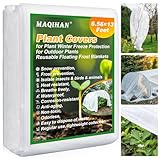
- Product Features: Our plant covers are ideal for protecting all plant. Made from premium 1 oz/sq non-woven fabric, their durability and breathability ensuring both insulation against frost and facilitation of sunlight penetration for healthy plant growth
- Versatility: These covers serve triple duty as frost protection, snow protection, animal barriers, insect barriers, and sun shields, adaptable to various gardening needs, the versatile row covers promise a tailored fit for all horticultural necessities
- Usability: Users can cut the frost blanket according to the size of the plant, and then easily cover the plant blanket directly on the plant, lay the cover loosely over plants, or fix it with the help of hoops or frames, providing customizable protection
- Cold & Wind Protection: Shield delicate plants from wintry chills and harsh winds, safeguarding them from frost damage. Regulate sunlight exposure to prevent overheating, maintaining optimal growth conditions. Maintain stable soil temperatures
- Optimize Performance: Deploy the covers before sunset to harness residual warmth from the soil. Once morning temperatures rise above freezing, remove the covers to permit sunlight warming. Wet covers should be dried before reuse
When and how to mulch for winter protection
Do not apply a heavy winter blanket as part of early-fall cleanup. Mulch applied too soon can delay dormancy or encourage growth beneath it, increasing winter-injury risk. Wait until the soil begins to freeze, then choose the cover and depth for the plant and the protection needed.
- Susceptible crowns and heave protection: Iowa State recommends a 3- to 4-inch layer over particularly vulnerable crowns after the ground freezes. Its broader perennial-bed guidance describes about 4 inches for extra heave protection.
- Tender perennials: For a different purpose—protecting tender plants—the same Iowa guidance describes cages filled with straw, pine needles, or chopped corn stalks. In that context, a 6- to 8-inch layer is adequate for most perennials.
- Available materials: Clean straw, chopped leaves, or shredded bark can provide insulation. Use suitable material you already have; no particular brand is required.
These are distinct recommendations, not a single depth that suits every plant. Match the material and amount to the plant’s vulnerability and whether the main concern is heaving or protecting a tender perennial. Healthy plant debris may also insulate a bed; remove diseased or pest-affected material rather than leaving it in place indiscriminately.
Rank #2

- ALL-SEASON PLANT PROTECTION - Safeguard your plants through the harsh winters with our breathable Plant Frost Cover, designed to shield against frost, freezing temperatures, snow, and harsh winds. Extend your growing season into the colder months while ensuring your plants thrive year-round.
- PROMOTES HEALTHY GROWTH - Our frost cover acts as an insulation layer, creating a microclimate that keeps plants warmer in cold weather. This helps prevent frost damage and promotes healthier growth, giving your plants a head start in the growing season and accelerating germination.
- BREATHABLE & PERMEABLE DESIGN - Engineered to allow essential light, air, and water to penetrate while keeping out the cold. Your plants receive the necessary nutrients for growth without being smothered, making it ideal for delicate seedlings and established plants alike.
- UV SUN SCORCH & WIND PROTECTION - Not just for the cold, this cover also offers UV protection to prevent sunburn scorching during unexpected winter sun exposure, while also serving as an effective windbreaker, reducing plant stress caused by strong winds.
- DURABLE & EASY TO USE - Made from high-quality, reusable materials, our Plant Frost Cover is easy to install and remove, making seasonal transitions simple. Its durable construction ensures long-lasting protection, giving you peace of mind through multiple winters.
In Iowa, late November is a typical time to add winter mulch, but that calendar example is regional. Minnesota Extension likewise advises waiting until soil starts freezing and notes that snow can insulate plants, but is not dependable enough to count on as the only cover. In other regions, use soil conditions and local extension guidance rather than copying Iowa dates.
Remove extra cover as the soil thaws
In early spring, remove the extra winter blanket once the top layer of soil begins thawing. Iowa State gives mid-March as a typical example for much of Iowa, not a nationwide schedule. Follow local soil conditions so the cover does not remain in place longer than needed.
Rank #3
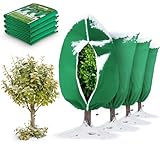
- All-in-One Frost Protection Set Comes with 6 plant covers in 3 different sizes – 23.6x31.5", 31.5x47.2", and 47.2x70.9". Perfect for protecting small potted plants, medium bushes, and tall shrubs all at once.
- Effective Winter Protection Keep your plants safe from frost, snow, and freezing wind. The thick non-woven fabric provides excellent insulation while still allowing
- Easy to Use & Adjustable Design Each cover features a built-in drawstring at the bottom for quick tightening and secure fit — prevents it from being blown away by strong wind or heavy rain.
- Reusable & Durable Material Made of high-quality tear-resistant and breathable fabric. Washable, foldable, and reusable year after year without losing shape or protection strength.
- Suitable for All Garden Types Ideal for outdoor gardens, vegetable patches, flower beds, and young trees. One set meets all your winter plant protection needs, saving you time and effort.
Winter heaving is different from a brief air frost
A brief frost in the air and winter heaving are related cold-season concerns, but they are not the same problem. Heaving comes from repeated freezing and thawing in the soil, which can lift roots or crowns; properly timed winter mulch moderates soil-temperature changes. The cited university guidance addresses winter heaving, not a tested method or product rating for fabric covers over established perennial crowns during an overnight frost. A row cover alone should not be treated as a proven way to prevent heaving.
Quick Recap
Best Value

- [1.5oz/yd² Frost Cloth for Plant Freeze Protection]Made with 1.5oz/yd² per sq yd garden fabric, this frost cloth helps protect plants from frost, cold wind, and sudden temperature drops while allowing sunlight, air, and moisture to pass through.
- [Multiple Sizes for Different Garden Needs]Available in multiple sizes to fit raised beds, vegetable rows, shrubs, flowers, and potted plants. Choose the right coverage for small garden beds, larger planting areas, or seasonal crop protection.
- [Floating Row Cover for Raised Beds]Lightweight fabric can rest directly over crops or pair with hoops, frames, or stakes. Ideal for seedlings, vegetables, strawberries, herbs, flowers, and other outdoor plants.
- [Versatile Garden Fabric Blanket]Use it as a frost blanket, garden bed cover, winter plant cover, or greenhouse fabric to help create a more stable growing environment through fall, winter, and early spring.
- [Easy to Install, Secure, and Store]Drape the frost cloth over your plants and secure it with clips, stakes, stones, or hoops. Fold after use for compact storage and reuse for winter gardening, spring seedlings, or fall protection.
Rank #4

- Upgrade Rounded Top Plant Covers: The plant covers freeze protection adopt a newly upgraded dome expansion design, creating maximum 3D protective insulation space. It outperforms flat covers of the same size, effectively reducing the risk of branch/leaf breakage, and provides a warm, safe overwintering environment for trees, shrubs, flowers, vegetables, and other outdoor plants in autumn and winter
- Freeze Protection & Breathable Light Transmission: Made of premium thickened non-woven fabric, the frost blankets for outdoor plants are tear-resistant and abrasion-proof, withstanding frost, snow, rain, wind, hail, and other weather conditions. Plant covers for winter have 50% light transmission, it ensures free air/moisture circulation without condensation, fostering a breathable, warm, and healthy growing environment for plants
- Side Zipper & Bottom Drawstring: The frost blankets cloths for outdoor plants is designed with zippers and adjustable drawstrings. The zipper design is easy to cover or remove, making it convenient for watering, trimming, or inspecting the condition of plants without damaging branches/leaves. The drawstring design enhances the stability of the frost blankets cloths, preventing it from flying off and improving the heat preservation effect
- Muti Size for Choose: We offer three sizes of outdoor plant covers for winter freeze protection for you to choose from: 40inx47in, 47inx72in, and 75inx90in, available in white/beige. Attention: Please confirm the circumference of the plant first to obtain the best protection effect
- Widely used: Winter plant covers freeze protection is an ideal choice for outdoor plant protection, which not only keeps warm but also prevents animals from gnawing, insects from invading, and birds from pecking. Plant covers freeze protection are perfect for protecting yard trees, shrubs, potted plants such as banana trees, palm trees, olive trees, tree ferns, rose bush, apple/orange/lemon/citrus/blueberry trees, etc
A practical winter checklist
- Plant early enough for roots to establish, and keep late-season work from disturbing them.
- Leave healthy debris where it can insulate, but remove diseased or pest-affected material.
- Wait until the soil begins to freeze before adding extra winter mulch.
- Use a suitable material and depth for the plant and the type of protection needed.
- Remove extra cover as the soil begins to thaw, using local conditions rather than another region’s calendar.
Product prices and availability are accurate as of the date/time indicated and are subject to change. Any price and availability information displayed on Amazon at the time of purchase will apply.




