Do these 3 things before closing this tab:
1Repair Windows errors before they cause bigger problems2Scan for outdated or missing drivers - takes under a minute3Clear out junk files and repair common Windows errorsFor the classic snowball bush viburnum, plant in full sun to partial shade, use moist but well-drained soil, water deeply while it establishes, mulch with 2–3 inches of organic material, and prune immediately after flowering. That last step matters most: pruning in fall, winter, or early spring can remove the buds that would produce the following spring’s flowers.
Before applying any care schedule, check the plant label. “Snowball bush” is a common name for several viburnums with different mature sizes, hardiness ranges, foliage, and fruiting habits. The traditional European or Eastern snowball is Viburnum opulus ‘Roseum’, also sold as ‘Sterile’. Chinese snowball is Viburnum macrocephalum, while Japanese snowball generally refers to Viburnum plicatum and its cultivars.
Identify your snowball viburnum first
Snowball viburnum describes the shrub’s large, rounded flower clusters—not one universally defined species. The botanical name on the nursery tag determines the plant’s USDA hardiness range, mature size, pruning expectations, fruiting, and potential invasive-plant concerns.
As an Amazon Associate I earn from qualifying purchases.
Crashes, No Sound, or Screen Glitches?
Random freezes, missing sound and display glitches usually trace back to one bad driver. Find and replace yours safely.Free scan · under a minutePC Slower Than It Used to Be?
A free scan shows the junk files, broken settings and background clutter dragging Windows down - then fixes them in one click.Free scan · Windows 10 & 11| Common name | Botanical identity | Typical USDA zones | How to recognize it | Important care consideration |
|---|---|---|---|---|
| European, Eastern, or classic snowball | Viburnum opulus ‘Roseum’ or ‘Sterile’ | 3–8 | Maple-like, three- to five-lobed leaves; dense rounded flower heads that open green, turn white, and may age pink | Usually 10–12 feet tall and 12–15 feet wide; sterile flowers normally produce no fruit; species-level invasive warnings apply in some areas |
| Chinese snowball | Viburnum macrocephalum, often the sterile form | 6–9 | Very large, usually 5–8-inch flower clusters; oval, finely serrated leaves; lime-green flowers turning white | Needs dependable moisture in hot or dry climates and may become much larger in the Deep South |
| Japanese snowball | Viburnum plicatum and cultivars | 5–8 | Often has horizontal, layered branches; cultivars may have rounded sterile flowers or fertile lacecap flowers | Flower form, fruiting, and mature habit vary considerably by cultivar |
Compare the classic European snowball profile, the Chinese snowball profile, and the Japanese snowball profile if the label is missing or unclear. Ask the nursery for the full botanical name and cultivar before planting near a foundation, choosing a hardiness zone, or checking invasive status.
Classic European snowball viburnum at a glance
Viburnum opulus ‘Roseum’ is the plant most people mean by snowball bush. It is a large, deciduous shrub with a naturally rounded to vase-shaped habit. Its flowers open green, become white, and can take on a pink cast as they age. The flower heads resemble large balls, but the flowers are sterile, so this cultivar normally produces no berries.
#1 Best Overall

- Its massive, 4-inch spherical clusters of white flowers that bloom in late spring. Growing 8 to 12 feet tall
- Plants arrive 6-18 inches tall, ready to be transplanted into your garden or landscape.
- Flowers open apple-green, mature to white, and sometimes fade to a soft pink or rose color.
- A hardy, deciduous shrub that thrives in partial shade to full sun and adapts well to various soil types.
- Ideal as a border shrub, woodland garden accent planting in hardiness zones 4-9.
The foliage is distinctive: opposite leaves are shaped somewhat like maple leaves and have three to five lobes. In autumn, the leaves can develop red or orange color. Allow approximately 12–15 feet of width when choosing a site rather than planning around the small shrub sold in a container. See the Royal Horticultural Society profile and North Carolina Extension’s plant information for identification details.
Where to plant snowball viburnum
Light
Choose full sun to partial shade. Aim for about six or more hours of direct sunlight if you want the heaviest flowering and a dense, well-shaped shrub. A plant in deep shade may survive but usually becomes looser and produces fewer flowers.
Recommended Free Tools
In hot inland or Southern climates, especially with Chinese snowball, some afternoon shade can reduce heat and drought stress. That shade should not be so heavy that the plant receives only filtered light all day. The University of Georgia’s guidance on Chinese snowball is particularly useful for warm-climate gardeners.
Soil and drainage
Give the shrub soil that is moist but well drained. Loam is ideal, but the classic European snowball tolerates clay, loam, and sand if the site does not remain saturated. Chinese snowball generally prefers moist, acidic loam but also tolerates a broad range of garden soils.
Avoid low spots where water stands after rain, compacted beds that drain slowly, and locations that stay saturated because of downspouts or irrigation runoff. Yellowing and wilting in constantly wet soil may indicate root decline; adding more water will make that problem worse.
When soil is compacted, improve the broader planting area rather than filling only the hole with rich compost. A pocket of amended soil surrounded by dense native soil can hold water around the root ball and interfere with drainage. The RHS shrub-planting guide explains the basic approach.
Allow for the mature spread
Do not squeeze a full-size snowball viburnum into a narrow foundation bed or beside a walkway. The classic ‘Roseum’ may reach about 12–15 feet wide. Japanese snowball types may reach approximately 10–18 feet wide. Chinese snowball is often listed at 6–10 feet in the St. Louis region but can reach 15–20 feet or more in warmer Southern climates.
Place the shrub where its mature branches can expand without constant shearing. If you need a hedge, base spacing on the particular cultivar’s mature width and the density you want—not on the generic name “snowball viburnum.”
When to plant it
For deciduous snowball viburnums, fall through early spring is generally the best planting window, as long as the soil is workable and not frozen or waterlogged. Fall planting gives roots time to establish before the next summer, but water the plant thoroughly until the ground freezes.
Container-grown shrubs can be planted at other times, but summer or hot-weather planting creates a larger watering obligation. Avoid planting during hot, dry, windy weather when possible. If you must plant then, protect the root ball from drying and monitor soil moisture frequently.
How to plant snowball viburnum
- Water the root ball. Thoroughly hydrate a container-grown shrub before removing it from the pot.
- Dig wide, not deep. Make the hole the same depth as the root ball and approximately three times as wide.
- Loosen compacted soil. Break up hard soil around the sides and base of the planting area without creating a deep soft pocket that can collect water.
- Inspect the roots. Gently loosen congested roots. Cut or separate circling roots that will not spread into the surrounding soil.
- Set the correct height. Position the root flare at or just slightly below the surrounding soil level. Do not bury the stems or pile soil against the trunk-like base.
- Backfill with excavated soil. Firm it around the root ball, but do not pack it so tightly that air and water cannot move through the soil.
- Water slowly and deeply. Wet the entire root zone rather than only the soil surface.
- Mulch. Spread a 2–3-inch layer of organic mulch over the planting area, leaving several inches bare around the stems.
- Control competition. Keep grass and weeds out of the root zone while the shrub establishes.
Watering, mulching, and fertilizing
Watering during establishment
Water newly planted snowball viburnums deeply and regularly through the first year or two, with extra attention during heat, drought, and windy weather. The goal is to keep the root zone consistently supplied with moisture without keeping it saturated.
Once established, water during prolonged dry periods or whenever the soil in the root zone begins to dry. Chinese snowball should not be treated as completely drought-proof in hot climates; supplemental irrigation may be needed when rainfall is limited.
Check the soil instead of following an automatic calendar. Push a finger or soil probe several inches into the soil beneath the mulch. Water slowly when the root zone is beginning to dry, then check that moisture has penetrated beyond the mulch and surface layer. Infrequent, thorough watering is generally more useful than frequent shallow sprinkling. Water the soil, not the foliage, whenever possible.
A rule such as “one inch per week” can be a rough planning estimate, but it is not a universal prescription. Rainfall, soil texture, temperature, wind, plant size, and mulch all change the amount of water required.
What’s actually slowing this PC down?
Pick the symptom - the matching free tool is one click away.
Mulch
Maintain approximately 2–3 inches of organic mulch, such as shredded bark or composted leaf material. Mulch helps conserve moisture, moderate soil temperature, suppress weeds, and reduce soil splashing onto leaves.
Rank #2

- Its massive, 4-inch spherical clusters of white flowers that bloom in late spring. Growing 8 to 12 feet tall
- Plants arrive 6-18 inches tall, ready to be transplanted into your garden or landscape.
- Flowers open apple-green, mature to white, and sometimes fade to a soft pink or rose color.
- A hardy, deciduous shrub that thrives in partial shade to full sun and adapts well to various soil types.
- Ideal as a border shrub, woodland garden accent planting in hardiness zones 4-9.
Keep the mulch several inches away from the stems. A deep, wet mulch pile against the base can encourage decay and pests; excessive mulch combined with overwatering can also contribute to poor root growth. The Oregon State University guide to mulching woody ornamentals provides additional guidance.
Fertilizer
Established viburnums in average garden soil often need little or no routine fertilizer. Regular mulching may provide all the improvement the plant needs. Do not fertilize automatically because the shrub is not flowering well; first investigate light, pruning, water, soil drainage, and plant age.
If growth is weak or foliage is unusually pale, test the soil before adding nutrients. When a deficiency or soil test justifies feeding, apply a light, slow-release or general-purpose fertilizer in early spring according to the product label. Avoid heavy nitrogen applications and lawn-fertilizer runoff near the shrub. Excess nitrogen can produce vigorous leaves and shoots at the expense of flowers. Guidance from the RHS and Extension sources supports a soil-test-first approach.
Quick wins for a faster PC:
Clear out junk files and repair common Windows errorsFree Scan →Fix the driver behind crashes, sound loss and screen glitchesFind Drivers →Repair Windows errors before they cause bigger problemsFix Now →How and when to prune snowball viburnum
The correct pruning time
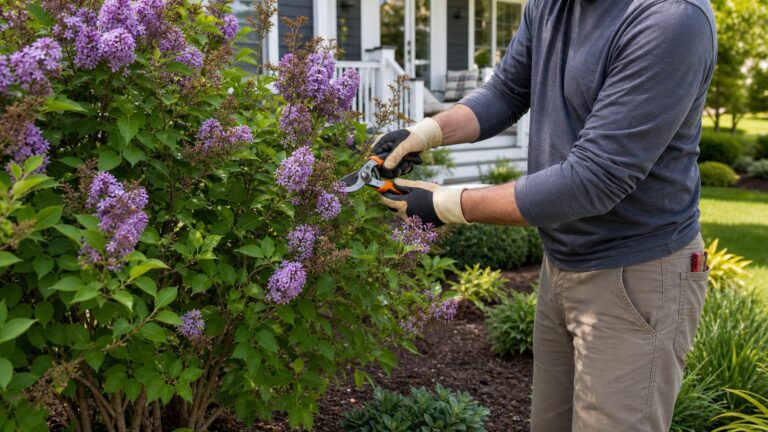
Prune immediately after the spring flowering period ends. Snowball viburnums generally flower on wood produced during the previous growing season. Pruning in fall, winter, or early spring can remove the developing flower buds and leave you with a healthy-looking shrub that produces little or no bloom.
Dead, broken, diseased, or hazardous branches can be removed whenever necessary. Before routine pruning in spring or early summer, inspect the shrub for an active bird nest. Delay nonessential pruning while a nest is in use.
The best pruning method
- Remove dead, damaged, diseased, or crossing branches first.
- Thin crowded growth rather than shearing the entire shrub into a formal ball.
- On an older multi-stemmed shrub, remove one or more of the oldest, thickest stems at ground level.
- For an overlong branch, cut back to a healthy side branch or an outward-facing bud.
- Preserve the shrub’s natural rounded or vase-shaped form.
For renewal pruning, remove up to approximately one-third of the oldest stems per year. This gradually replaces aging wood without removing the entire flowering framework at once. The University of Minnesota pruning guide and Penn State’s flowering-shrub guidance describe this thinning approach.
When severe renovation is necessary
A healthy, badly overgrown cane-form viburnum can sometimes be cut close to the ground as a rejuvenation measure. This is a last resort, not routine maintenance. It sacrifices that season’s flowers and may take one or more seasons to rebuild flowering wood. Severely renovated Chinese snowballs may take approximately two years to resume normal flowering.
Free tools Windows power users keep installed
One-click scans. No signup required.
Does deadheading make it bloom more?
Usually not. Removing spent flower heads is optional if you prefer a tidier appearance or want cut branches. It will not produce additional flowers on the current season’s bloom.
Deadheading can remove developing fruit on fertile viburnums. It makes little difference for sterile ‘Roseum’ or sterile Chinese snowball forms, which normally produce no fruit. If berries are important to you, confirm that you have a fertile cultivar rather than a sterile snowball selection.
Propagating snowball viburnum
Named sterile cultivars are best propagated from cuttings because they do not produce usable seed. Depending on the species and propagation setup, viburnums can be propagated from softwood, semi-ripe, or hardwood cuttings. Chinese snowball is reported to root readily from summer cuttings.
Seed propagation is mainly relevant to fertile species or forms. A seedling will not necessarily reproduce the exact size, flower form, sterility, or habit of a named cultivar. The RHS viburnum growing guide covers the general propagation options.
The Tool Desk
Outbyte Driver Updater FREEFix the driver behind crashes, sound loss and screen glitchesFind Drivers →Outbyte PC Repair FREEClear out junk files and repair common Windows errorsFree Scan →Why is my snowball viburnum not blooming?
| What you see | Most likely cause | What to do |
|---|---|---|
| Healthy leaves but few or no flowers | Too much shade or pruning at the wrong time | Assess direct sunlight and move future plants to a brighter site; prune only after flowering |
| Very vigorous leafy growth with few flowers | Excess nitrogen | Stop routine feeding and test the soil before applying fertilizer |
| A newly planted shrub with little bloom | Establishment stress | Maintain even moisture and give the root system time to develop |
| Flowers or buds were damaged after a cold snap | Late frost or winter injury | Wait for new growth; avoid cutting healthy-looking stems until damage is clear |
| Buds and young shoots are missing | Rabbit browsing or other animal damage | Inspect the plant and protect it from browsing |
| Flowers appear but there are no berries | The plant is a sterile cultivar | This is normal for ‘Roseum’ and sterile Chinese snowball; choose a fertile viburnum for fruit |
If a shrub bloomed heavily one year and not the next, review when it was pruned, whether drought occurred, and whether winter injury or a late frost damaged the flower buds. Also verify the plant’s identity: a shrub sold only as “snowball” may be a different viburnum with a different flowering period and growth habit.
Common pests
Viburnum leaf beetle
Viburnum leaf beetle is especially important on Viburnum opulus and related cranberrybush viburnums. Larvae and adults chew between the leaf veins, leaving leaves skeletonized. Repeated severe defoliation can weaken the shrub.
Inspect the leaves for larvae or adults in spring and summer. During winter, examine twigs for small egg-laying scars or overwintering egg sites. Prune and discard small twigs containing those sites before the eggs hatch in spring. This is one of the most useful nonchemical steps for reducing the next generation. The Penn State winter-scouting guide and the USDA plant guide provide identification and management information.
Monitor new foliage early in the season. If treatment becomes necessary, use only a product registered for ornamental viburnum in your location and follow the current label exactly. Product registrations, timing, and restrictions vary by state.
Rank #3

- Its massive, 4-inch spherical clusters of white flowers that bloom in late spring. Growing 8 to 12 feet tall
- Plants arrive 6-18 inches tall, ready to be transplanted into your garden or landscape.
- Flowers open apple-green, mature to white, and sometimes fade to a soft pink or rose color.
- A hardy, deciduous shrub that thrives in partial shade to full sun and adapts well to various soil types.
- Ideal as a border shrub, woodland garden accent planting in hardiness zones 4-9.
Other insects
Aphids, scale, mites, thrips, and weevils can cause curled or distorted new growth, stippling, yellowing, sticky honeydew, or branch decline. Most viburnums are not chronically pest-ridden, but drought stress, crowded growth, and poor air circulation make problems more likely. Inspect the undersides of leaves and the newest shoots before choosing a treatment. The UC Integrated Pest Management viburnum page and Clemson Extension’s pest and disease factsheet are useful diagnostic references.
Independent reader supportYour contribution helps us test, update, and keep practical guides available for everyone.Common diseases and disorders
Leaf spot and anthracnose
These diseases cause irregular brown, reddish, or gray spots that may enlarge and merge, especially during warm, wet weather. Improve air movement by thinning crowded branches, avoid overhead irrigation, and remove badly infected fallen leaves and debris from beneath the shrub.
Powdery mildew
Powdery mildew appears as white fungal growth, usually on the upper leaf surfaces. It is often unattractive rather than fatal. Better spacing, improved airflow, and reduced leaf wetness help limit its development.
Downy mildew
Downy mildew typically produces angular lesions bounded by leaf veins, along with pale fungal growth on the lower leaf surface. Wet foliage and infected fallen leaves help the disease spread. Water at the soil line and remove diseased debris.
Canker and dieback
Cankers and branch dieback are more likely when the shrub has been injured, drought-stressed, or poorly pruned. Cut affected branches back into healthy wood, disinfect tools between cuts, and dispose of infected material rather than leaving it under the plant. Correct drought, drainage, and other underlying stresses.
Root and crown rot
Root or crown rot is associated with poor drainage, prolonged saturation, overwatering, and planting too deeply. Symptoms can include yellowing, wilting, weak growth, and gradual decline even when the soil is wet. Check drainage and planting depth before increasing irrigation. A shrub in waterlogged soil may need drainage correction or relocation rather than more water. See the Penn State viburnum disease guide for symptom comparisons.
Is snowball viburnum invasive?
Do not treat every snowball viburnum as invasive. The principal concern is the species-level identity Viburnum opulus, which is nonnative in North America and is listed as invasive in parts of the United States and Canada. ‘Roseum’ or ‘Sterile’ is a named sterile cultivar and normally produces no fruit, but sterility does not automatically eliminate every ecological concern or override a local planting restriction.
Before buying the classic European snowball, check your state, county, or provincial invasive-plant guidance, especially if the site is near a natural area or waterway. Use the exact botanical name when searching. The Invasive Plant Atlas listing for European cranberrybush and the USDA plant guide explain why species, cultivar, and region must be considered separately.
Choosing the right snowball for your property
- Choose European snowball ‘Roseum’ if you need a shrub hardy into cold zones and want maple-like foliage, traditional rounded flowers, and red-orange fall color. Plan for a shrub roughly 12–15 feet wide, and check local invasive-plant guidance.
- Choose Chinese snowball if you garden in Zones 6–9 and want exceptionally large flower clusters. Give it reliable moisture and room to become much larger in warm Southern climates.
- Choose a Japanese snowball cultivar if you want layered, horizontal branching or want to select between sterile mophead flowers and fertile lacecap flowers with fruit. Confirm the specific cultivar because the common name covers substantially different forms.
If your priority is wildlife value and berries, consider an American cranberry viburnum, commonly sold as Viburnum trilobum. It is a native North American counterpart with white flowers and red fruit, but its lacecap flower structure is different from the all-sterile spherical clusters of ‘Roseum’. If fragrance matters more than the classic snowball shape, a fragrant hybrid such as Viburnum × carlcephalum may be a better fit.
Frequently Asked Questions
Is snowball viburnum the same as snowball hydrangea?
No. Snowball viburnum is a Viburnum, while snowball hydrangea is a Hydrangea. They have similar rounded flower heads but differ in foliage, mature size, hardiness, and pruning requirements. Identify the botanical name before pruning.
Can snowball viburnum grow in shade?
It can tolerate partial shade, but full sun to partial shade is better for flowering. Aim for about six hours of direct sun for the strongest display. Heavy shade commonly produces a looser shrub with fewer flowers.
Why did pruning stop my snowball viburnum from blooming?
You may have removed the next season’s flower buds. Snowball viburnums should generally be pruned immediately after flowering, not in fall, winter, or early spring. Dead or hazardous branches can be removed when necessary.
Do these 3 things before closing this tab:
1Repair Windows errors before they cause bigger problems2Fix the driver behind crashes, sound loss and screen glitches3Clear out junk files and repair common Windows errorsDoes snowball viburnum produce berries?
Classic European snowball ‘Roseum’ and sterile Chinese snowball normally do not produce fruit because their flowers are sterile. Fertile viburnums, including some Japanese snowball cultivars, can produce berries.
Will Chinese snowball survive in USDA Zone 5?
It is generally listed for Zones 6–9, so it is not a dependable choice for Zone 5. Winter exposure, microclimate, and the individual cultivar matter, but a Zone 5 gardener should choose a reliably hardy alternative rather than assume Chinese snowball will survive.
What is eating holes in my snowball viburnum leaves?
Skeletonized leaves on European snowball are a strong clue for viburnum leaf beetle. Check the leaves for larvae or adults and inspect twigs in winter for egg-laying scars. Pruning out infested small twigs before spring hatch is a useful first control.
Should I fertilize snowball viburnum every spring?
Usually not. Established plants in ordinary garden soil often need little or no routine fertilizer. Mulch and correct watering first. If growth is weak or foliage is pale, test the soil and apply a light, slow-release fertilizer only when the results or site conditions justify it.
Why does my snowball viburnum have no fruit?
No fruit is normal for sterile ‘Roseum’ and sterile Chinese snowball. If berries are important, choose a fertile viburnum or a fertile Japanese snowball cultivar and verify its pollination and fruiting characteristics before planting.
The Bottom Line
Snowball bush care is straightforward once the plant is correctly identified. Give it enough sun, moist but well-drained soil, deep water during establishment and drought, a 2–3-inch mulch layer kept away from the stems, and room for its mature width. Prune immediately after flowering to preserve next year’s buds. If it fails to bloom, investigate pruning timing, shade, excess nitrogen, drought, animal browsing, frost, and plant identity before assuming it needs more fertilizer.
Quick Recap
Product prices and availability are accurate as of the date/time indicated and are subject to change. Any price and availability information displayed on Amazon at the time of purchase will apply.