The reliable recipe for Russian sage is simple: plant it in full sun, give it sharply draining soil, avoid routine overwatering and high-nitrogen fertilizer, space it according to its mature size, and prune the old stems hard in late winter or early spring. Water new plants regularly during their first growing season; once established, they are highly drought tolerant. Persistent wet soil is the most common reason Russian sage declines.
- Sun: At least 6 hours of direct sun daily.
- Soil: Lean to average soil that drains quickly.
- Water: Regularly while establishing, then only during prolonged dry periods.
- Pruning: Leave stems through winter if desired, then cut them back to a low framework before vigorous spring growth.
- Selection: Check the cultivar’s mature width before planting; Russian sage ranges from compact forms for small beds to large, billowing plants over 4 feet tall.
Although nurseries and older gardening references often call it Perovskia atriplicifolia, the currently accepted botanical name is Salvia yangii B.T.Drew. This ornamental plant is not the culinary sage used in cooking, Salvia officinalis.
As an Amazon Associate I earn from qualifying purchases.
Meet Russian sage: Salvia yangii
Russian sage is a deciduous, woody-based perennial or subshrub in the mint family, Lamiaceae. Its upright stems carry finely divided, gray-green, aromatic foliage and airy sprays of blue to violet flowers, usually from summer into fall. The plant attracts bees, butterflies, and hummingbirds, while its aromatic foliage is generally unappealing to deer and rabbits. No plant is completely browse-proof, however.
Crashes, No Sound, or Screen Glitches?
Random freezes, missing sound and display glitches usually trace back to one bad driver. Find and replace yours safely.Free scan · under a minutePC Slower Than It Used to Be?
A free scan shows the junk files, broken settings and background clutter dragging Windows down - then fixes them in one click.Free scan · Windows 10 & 11The name can be confusing. Salvia yangii is the accepted species name according to Plants of the World Online, while Perovskia atriplicifolia remains its principal synonym on many plant labels, websites, and reference books. Perovskia pamirica is also listed as a synonym. These names refer to the same ornamental plant, not two separate garden choices.
#1 Best Overall

- CLEAN CUTS FOR LIVE GROWTH: Bypass blade design is ideal for pruning delicate flower stems and green growth, helping reduce crushing and plant damage while cutting stems and small branches up to 5/8” in diameter
- BLADES STAY SHARP: Precision-ground steel blades are engineered to stay sharp through heavy use, & all-steel construction provides lasting durability, delivering consistent cutting performance for regular garden maintenance & detailed pruning tasks
- SMART BLADE FEATURES: Blade coating helps reduce friction for smoother cuts, minimizes sap buildup & gumming, and enhances resistance to rust for longer-lasting performance in outdoor conditions; sap groove keeps the blades from sticking during use
- COMFORTABLE, CONTROLLED GRIP: Ergonomic, non‑slip handle enhances control and reduces hand fatigue during repetitive cuts; easy‑open safety lock secures the blade for safe transport and compact storage
- INCLUDES: (1) Fiskars Bypass Pruning Shears designed for everyday gardening and plant care and backed by a Lifetime Warranty. Product care tips: Wipe pruners clean after each use to prevent sap build-up and lightly oil blade for longer product life
Russian sage is also not from Russia. Its native range extends from Afghanistan and Pakistan through Tibet, the western Himalaya, and Xinjiang in western China. Despite the common name “sage,” it should not be substituted for culinary sage. The familiar kitchen herb is Salvia officinalis, as described by the Royal Horticultural Society. Do not harvest Russian sage for cooking.
Many plants reach approximately 2 to 4 feet tall and wide, although vigorous or older forms can reach 5 feet or more. Exact size depends on the cultivar, climate, pruning, soil, and growing conditions. Flowering is usually strongest in an open, sunny position with good air circulation.
Is Russian sage right for your garden?
Russian sage is an excellent choice where a garden needs a long-flowering, drought-tolerant plant with a loose, silvery texture. It works especially well in:
Recommended Free Tools
- Hot, sunny borders and large mixed perennial beds
- Xeriscapes, gravel gardens, and other low-water plantings
- Poor, sandy, chalky, loamy, or alkaline soils that drain well
- Pollinator gardens
- Coastal or salt-exposed sites
- Walkways and sensory gardens, where the aromatic foliage can be brushed
- Background or mass plantings where a relaxed, billowing habit is welcome
Choose something else, or select a much smaller cultivar, if the site is shaded, stays wet, or has no room for the plant’s mature width. Russian sage is not a good match for someone who wants an evergreen winter plant, a densely foliated formal shrub, or edible sage leaves. Small exposed containers in cold climates are also risky because container roots experience greater temperature swings than roots in the ground.
Choose the cultivar before you plant
“Russian sage” does not describe one uniform size or habit. A plant that fits a narrow foundation bed may be completely different from a tall, open species selection. Read the nursery label for both mature height and mature width—not just the height of the young plant in the pot.
| Cultivar or type | Approximate size or habit | Best use |
|---|---|---|
| ‘Little Spire’ | About 18–24 inches tall; compact | Small beds, front-of-border plantings, and suitable containers |
| ‘Blue Spire’ | About 3 feet tall in University of Wisconsin guidance; upright but traditional in form | Mixed borders and medium-size sunny spaces |
| ‘Longin’ | Can reach roughly 4 feet; stiff and upright | More formal plantings and backgrounds |
| ‘Denim ’n Lace’ | About 33 inches tall by 48 inches wide in the Wisconsin source | Wide borders and mass plantings; not a truly small plant |
| Species or seed-grown plants | Variable height, leaf form, flower color, and habit | Informal gardens where variation is acceptable |
The Chicago Botanic Garden’s regional Russian sage evaluation rated ‘Blue Steel’, ‘Blue Jean Baby’, BLUE SPRITZER™, ‘Denim ’n Lace’, and LITTLE LACE™ among its highest-performing entries. That is useful trial evidence for the Chicago region, not a universal ranking for every climate. A cultivar that performs well in the Midwest may behave differently in a hot Southern garden, a wet climate, or a short-season northern site.
Use a tall selection when you have room for a 3- to 5-foot plant and want a loose, informal background. Use a compact cultivar when the bed is narrow, the plant will be viewed close up, or you want less staking and a more controlled form. A named cultivar is usually a better choice than a seed-grown plant when mature size and habit matter.
Hardiness: what USDA Zones tell you—and what they do not
Russian sage is commonly listed as hardy in approximately USDA Zones 5–9, but that range is not a guarantee. Cultivar, drainage, winter wind, snow cover, local exposure, and the timing of cold weather all affect survival. The current USDA Plant Hardiness Zone Map is the 2023 map, based on average annual extreme minimum temperatures from 1991–2020. Use it as a starting point, not as a promise that every plant will survive every winter.
In-ground plants are better insulated than plants in pots. A container can suffer severe root chilling even when the same cultivar is hardy in the ground. In a marginal zone, select a protected site, prioritize drainage, and avoid planting immediately before winter. Gardeners in Zone 4 should treat survival as uncertain rather than guaranteed and choose a particularly hardy, locally proven cultivar or another plant better suited to the site.
Pick the ideal planting site
Full sun is the starting point
Give Russian sage at least 6 hours of direct sun each day. More sun generally means better flowering, sturdier stems, and less flopping. An open, airy site is preferable to a crowded corner where foliage stays wet after rain or irrigation.
Part shade may keep a plant alive, but it commonly produces weaker, more open growth and fewer flowers. If a plant flops despite correct pruning, light is one of the first conditions to reassess.
What’s actually slowing this PC down?
Pick the symptom - the matching free tool is one click away.
Rank #2

- LONG-LASTING SHARPNESS: Japanese SK5 bypass blade with titanium coating is tested through 5,000 cuts to maintain a sharp edge and deliver clean, consistent cuts on live stems and branches
- BUILT FOR 5X DURABILITY: Heavy-duty 3-layer titanium-coated SK5 blade resists wear and corrosion, while anodized aluminum handles and high-hardness screws reinforce the pruner. Repeated cutting tests show up to 5X the durability of standard pruners
- POWERFUL 4X LEVER CUTTING: The optimized lever-action design multiplies cutting force up to 4X, making thicker branches easier to prune with less hand effort. Cuts branches up to 3/4" with smooth, controlled power for everyday garden pruning
- ARTHRITIS & SENIORS FRIENDLY: Ergonomic non-slip rubber handles cushion pressure and provide a secure, comfortable grip, helping reduce hand and wrist fatigue. A comfortable hand pruner for seniors, arthritis and longer pruning sessions
- ONE-HAND SAFETY LOCK: The easy-access safety lock opens and closes with one hand for faster trimming, then securely holds the blades closed for safer carrying and storage
Drainage matters more than rich soil
Russian sage tolerates sandy, chalky, loamy, and some clay soils, provided excess water can move away from the crown and roots. Average to poor soil is acceptable. Constantly irrigated, highly fertile soil can encourage lush, soft growth that sprawls instead of standing upright.
Do not plant it in a low pocket where water collects. If the root zone stays wet after ordinary rainfall, solve the drainage problem before buying the plant. A raised bed, berm, slope, or elevated planting position is often more effective than repeatedly trying to dry out a poorly placed plant.
How to handle heavy clay
Do not simply scatter a small amount of sand through native clay. As Illinois Extension explains, insufficient sand can make clay more compacted rather than improving drainage.
Better options include:
- Build a raised bed or broad berm.
- Improve soil structure gradually with compost or other stable organic matter.
- Plant on a naturally elevated or sloping section.
- Choose a different site if water remains in the root zone.
- Grow a compact cultivar in a large container filled with a free-draining commercial potting mix if the ground cannot be corrected.
Use a soil test if fertility or pH is in question, but do not add amendments automatically. Drainage and planting position are more important than creating a rich planting pocket.
Space for the mature plant
Spacing recommendations vary from about 18 inches for some compact plantings to 2–4 feet or more for mature full-size plants. That range is why a universal spacing number is misleading. Follow the selected cultivar’s label, and allow for the plant’s mature width rather than the width of its nursery container. Overcrowding reduces air circulation and makes a naturally loose plant look even more untidy.
How to plant Russian sage step by step
- Choose and prepare the site first. Confirm that the location receives full sun and does not collect water.
- Water the nursery plant. Moisten the container thoroughly before removing the root ball.
- Dig the hole. Make it about twice as wide as the container and no deeper than the root ball.
- Set the planting depth correctly. Place the plant at the same depth it grew in its container. In slow-draining soil, the top of the root ball can sit slightly proud of the surrounding grade rather than in a sunken basin.
- Backfill with excavated soil. Use the soil removed from the hole unless a soil test or severe structural problem indicates a specific correction.
- Water once, thoroughly. This settles soil around the roots and removes large air pockets.
- Mulch lightly. Apply a thin layer of organic mulch, leaving the crown and stems uncovered. Thick, wet mulch piled against the plant can hold moisture where it is most harmful.
- Establish the plant. Water regularly during the first growing season, checking the soil rather than following a rigid calendar. Gradually reduce irrigation as the roots spread.
This approach follows general salvia planting guidance from the University of Florida’s Gardening Solutions, while the site-specific priority remains fast drainage.
Watering, feeding, and mulching
Newly planted Russian sage
Drought tolerance applies mainly to established plants. A small nursery plant still needs consistent care while its roots occupy only a limited volume of soil.
- Water regularly through the first growing season.
- Water deeply enough to wet the original root ball and surrounding soil.
- Check moisture before watering instead of applying water automatically every day.
- Allow the soil surface to dry between irrigations when drainage is adequate.
- Never keep the planting bed constantly saturated.
In very hot conditions, a new plant may need more frequent checks. In cool, wet weather, it may need little or no supplemental water. The goal is moist soil during establishment, not permanently wet soil.
The Tool Desk
Outbyte Driver Updater FREEFix the driver behind crashes, sound loss and screen glitchesFind Drivers →Outbyte PC Repair FREEClear out junk files and repair common Windows errorsFree Scan →Established plants
Once established, Russian sage usually needs little supplemental irrigation. During prolonged heat or drought, give it an occasional deep watering rather than frequent shallow sprinkling. Reduce or stop irrigation during cool, wet weather. An unusually dry winter may justify occasional watering if the ground is workable and the plant is not sitting in saturated soil.
Fertilizer: less is usually better
Russian sage is a light feeder and generally performs well without routine fertilizer in reasonably prepared soil. If a soil test identifies a deficiency, correct that specific deficiency rather than applying repeated high-nitrogen fertilizer. Excess nitrogen, rich soil, and excess water can all contribute to weak, floppy growth.
Rank #3
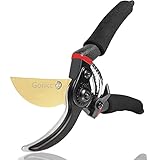
- Drop-forged construction delivers exceptional durability and sturdiness for long-term heavy garden use.
- Premium SK-5 steel blade with titanium coating and ultra-fine polishing ensures sharpness, rust resistance, and smooth cutting.
- Ergonomic non-slip aluminum handles wrapped with PVC offer lightweight strength, comfort, and reduced hand fatigue.
- Built-in sap groove effectively channels away sap to prevent sticking and keep blades clean during pruning.
- Capable of cutting branches up to 3/4 inch in diameter, ideal for live plants, stems, and light woody pruning tasks.
Do not use fertilizer to compensate for poor drainage or insufficient sun. Those site problems must be corrected directly.
Mulch
A thin organic mulch layer can moderate soil temperature and reduce weeds, but keep it away from the woody crown and stems. Avoid creating a deep, wet mulch collar around the plant. In a dry garden, the priority is an open, well-drained crown—not maximum moisture retention.
How and when to prune Russian sage
The best default: prune in late winter or early spring
Russian sage dies back to a woody framework in winter, so the cleanest general practice is to leave the old stems standing through winter and prune them when new growth begins in late winter or early spring. The old stems provide winter structure and may offer habitat, while the timing lets you see where new basal growth is emerging.
Cut the old stems back to a low framework, generally somewhere between approximately 2–4 inches and 6–12 inches above the ground. Cut just above visible new basal growth when possible. The exact height is a choice, not a law:
- RHS guidance favors a low framework of about 2–4 inches.
- Other extension guidance recommends cutting back to several inches above ground.
- The University of Wisconsin recommends leaving old stems over winter and cutting them to about 1 foot in spring.
A lower cut usually creates a shorter, fresher framework. A taller cut preserves more structure and can be useful for a vigorous cultivar or a garden where the winter framework is part of the design. Remove clearly dead, damaged, or weak stems, and use clean, sharp pruners.
Pruning decision guide
- Want winter structure and habitat? Leave old stems standing, then prune in late winter or early spring to approximately 2–12 inches.
- Prefer a tidy fall garden? In regions where winter appearance is unimportant and local conditions permit, cut the plant back to about 12 inches after the first hard frost. Spring pruning remains the safer default in colder or exposed climates.
- Plant flops in midsummer? Use only light shaping if necessary. Heavy pruning immediately before the normal flowering period may delay bloom.
What to do about flopping
A light midseason reduction can refresh an opened-up plant, but it is not a substitute for the correct site. Long-term corrections include more sun, less routine irrigation, less nitrogen, improved drainage, and a more upright or compact cultivar. A discreet support can help a mature plant through a particularly wet or windy season.
Free tools Windows power users keep installed
One-click scans. No signup required.
Do not cut a plant severely late in spring and then expect normal flowering. Russian sage flowers on new seasonal growth, and late hard pruning can remove the shoots that would have produced that season’s flowers.
Deadheading
Deadheading is optional. Remove spent flower panicles if you prefer a tidier appearance or want to reduce unwanted self-seeding, but Russian sage does not require constant deadheading to remain healthy. Correct dormant-season pruning has a greater effect on the next season’s structure and flowering.
Propagating Russian sage
Softwood cuttings: best for named cultivars
Use cuttings when you want a new plant to retain the parent plant’s characteristics. Seed-grown plants can vary, while vegetative propagation produces a closer copy of a named selection.
- In summer, choose healthy, nonflowering new growth.
- Take a 3–4-inch cutting with several nodes.
- Remove the lower leaves.
- Insert the cutting into a clean, well-drained rooting medium.
- Keep the medium evenly moist but never waterlogged.
- Provide bright, indirect light while roots develop.
- Pot up the cutting after a strong root system forms, then harden it off before planting outdoors.
The RHS also describes softwood cuttings in late spring and semi-ripe cuttings in summer. Exact rooting speed depends on temperature, humidity, plant material, and growing conditions.
Quick wins for a faster PC:
Scan for outdated or missing drivers - takes under a minuteDriver Scan →Clear out junk files and repair common Windows errorsFree Scan →Rank #4
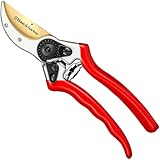
- Sharp, Clean Cuts Every Time – Engineered from Japanese grade, high-carbon steel, ClassicPRO bypass pruning shears for gardening stay sharp and make precise cuts that encourage healthy growth and won’t damage your plants
- No More Hand Fatigue and Wrist Strain – ClassicPRO gardening shears are designed with an ergonomic handle, non-slip grips, and shock-absorbing pads, making them lightweight and comfortable for smaller hands, seniors, and arthritis sufferers
- Rust and Corrosion Resistant – Tired of garden shears that rust after just a few uses? Our heavy duty pruning shears are constructed from anodized aluminum with titanium-coated blades to reduce friction and protect against rust and corrosion
- One Gardening Pruner, Many Uses - Preferred by professional landscapers and master gardeners, ClassicPRO clippers for gardening are adjustable general-purpose secateurs and branch cutters to trim trees, plants, and indoor flowers up to 1” thick
- Designed to Last Season After Season – Tired of cheap, low-quality hand pruners for gardening? Our heavy duty handheld garden clippers are designed for durability and longevity so you always have reliable shears
Seed: slower and variable
Seed is useful for experimentation or producing many plants, but it is not the best way to reproduce a named cultivar exactly. The University of Wisconsin reports germination commonly taking 1–4 months at approximately 60–65°F. A cold treatment of roughly 10 days to 6 weeks at 35–44°F may improve germination. Seedlings can differ in height, flower color, leaf shape, and habit.
Division
Division is possible, but it is generally slower and less attractive than cuttings for named selections. The woody base can make division more difficult than dividing a soft, crown-forming perennial.
Growing Russian sage in containers
Russian sage can grow successfully in a pot, but container culture is less forgiving than in-ground planting. The best candidates are compact, label-confirmed cultivars such as ‘Little Spire’ or another dwarf selection.
- Choose a large, stable container with unobstructed drainage holes.
- Use a commercial potting mix, not native garden soil.
- Mix in a drainage component such as perlite if the commercial mix holds too much water.
- Place the pot in full sun with room for air movement.
- Water when the mix has begun to dry, then water thoroughly so excess drains from the bottom.
- Do not leave the container standing in a saucer of water.
- Expect containers to dry faster in hot weather, but do not respond by keeping the mix constantly wet.
A generic recommendation that salvias should not be grown in containers may refer to large annual salvias and should not automatically be applied to S. yangii. The deciding factors are the cultivar’s mature size, pot volume, drainage, and winter protection.
Overwintering a potted plant
Hardiness ratings for in-ground plants are not guarantees for exposed containers. In cold climates, protect the pot before severe weather arrives:
- Move the container against a protected wall, preferably out of drying wind.
- Group pots together and insulate them with leaves, straw, or bark.
- Sink the pot into the ground if practical.
- Alternatively, move the dormant plant into an unheated garage or shed maintained around 30–40°F.
- Water sparingly during dormancy. Do not keep the mix saturated, but do not allow the root ball to become bone-dry.
University of New Hampshire Extension notes that exposed container plants are often best selected from plants rated roughly two zones hardier than the local zone. That is a useful risk-management guideline, not a guarantee. Winter protection is especially important for small pots and windy locations.
Independent reader supportYour contribution helps us test, update, and keep practical guides available for everyone.Russian sage troubleshooting
| Symptom | Most likely causes | First correction |
|---|---|---|
| Flopping or sprawling | Insufficient sun, wet soil, excess irrigation, excess nitrogen, rich soil, a naturally tall cultivar, or competition from neighboring plants | Increase sun, reduce routine watering, improve drainage, avoid high-nitrogen fertilizer, prune correctly in spring, and support or replace the plant if its mature form is too large. |
| Yellow leaves or general decline | Persistent wet roots, poor drainage, transplant stress, or disease affecting the root or crown | Inspect the root zone. If it is wet or roots are soft and damaged, correct drainage or relocate the plant rather than adding fertilizer. |
| Sudden collapse | Root or crown problems associated with saturated soil; occasionally other diseases | Check drainage and the crown immediately. Remove badly affected material and do not replant in the same wet pocket without correcting the site. |
| Few or no flowers | Too little sun, a plant still establishing, late spring pruning, excess nitrogen, or a later-flowering cultivar | Provide full sun, avoid high-nitrogen feeding, and move hard pruning to late winter or early spring. |
| Looks dead in spring | Normal deciduous dormancy or winter injury | Wait for new growth from the woody base before discarding it. Remove stems that are clearly dead after spring growth begins. |
| Plant is spreading | Runners, suckers, satellite plants, or seedlings; local behavior varies | Dig out unwanted shoots while small, remove spent seedheads if needed, and check local guidance near natural areas. |
Root and foliar diseases
Russian sage usually has few serious pest problems. Wet conditions are a more persistent concern. RHS lists possible problems including foot and root rots, powdery mildew, Verticillium wilt, and, rarely, honey fungus. Good drainage, open spacing, and watering at the soil rather than repeatedly wetting the foliage reduce risk. A plant that declines in a wet bed is more likely to need a site correction than a stronger feeding program.
Is Russian sage invasive?
Do not assume that Russian sage is invasive simply because it belongs to the mint family, but do not promise that it can never spread. Some gardeners report slow spread by runners, suckers, or satellite plants, and behavior can vary by location, cultivar, and garden conditions.
Do these 3 things before closing this tab:
1Clear out junk files and repair common Windows errors2Fix the driver behind crashes, sound loss and screen glitches3Repair Windows errors before they cause bigger problemsThe Center for Invasive Species and Ecosystem Health database does not list a reference identifying this species as invasive in North America. That does not replace local guidance. Check state, provincial, or regional invasive-plant lists before planting near natural areas, and remove unwanted shoots or developing seedheads if the plant begins moving beyond its allotted space. The National Invasive Species Information Center is a useful starting point for broader information.
Quick care schedule
| Season | Task |
|---|---|
| Spring | Wait for new basal growth, then cut back old stems to approximately 2–12 inches. Remove dead material, check drainage, and begin establishment watering for new plants. |
| Summer | Enjoy flowering, water new plants regularly, water established plants only during prolonged drought, and take softwood cuttings if propagating. |
| Fall | Deadhead if desired. Reduce irrigation as weather cools. Leave stems standing for winter structure, or cut back to about 12 inches after the first hard frost if a tidier winter garden is preferred and local conditions permit. |
| Winter | Leave in-ground stems in place. Protect containers from wind and severe cold, and water dormant potted plants sparingly without allowing the root ball to become completely dry. |
Frequently Asked Questions
Is Russian sage edible?
No culinary use should be assumed from the common name. Russian sage is Salvia yangii, formerly widely known as Perovskia atriplicifolia; it is different from culinary sage, Salvia officinalis. Treat it as an ornamental and do not use it in cooking.
Best Value

- · ULTRA-SHARP SK5 STAINLESS STEEL - Engineered with premium SK5 stainless steel, these heavy duty pruning shears deliver razor-sharp precision and maximum hardness. The rust-resistant blades are designed to stay sharp longer, effortlessly resisting corrosion and sap buildup for smooth, friction-free garden shears performance year after year.
- · CLEAN CUTS FOR 1 INCH THICK BRANCHES - Say goodbye to crushed stems and ragged bark. Our professional bypass pruning shears slice through thick branches up to 1 inch like butter(as the videoes show). By ensuring perfectly clean cuts without leaving debris, it helps your roses, fruit trees, and indoor plants heal faster and stay healthy.
- · ERGONOMIC COMFORT FOR ARTHRITIS & WEAK HANDS - No more hand fatigue or wrist strain! Featuring a non-slip SoftGrip handle with premium cushioning, these garden clippers absorb pressure with every cut. It is the ultimate arthritis friendly hand pruner for seniors or anyone with limited hand strength to enjoy yard work pain-free.
- · 100% LEFT-HANDED FRIENDLY & SAFETY LOCK - Unlike standard garden scissors that flop and crush stems when used left-handed, our uniquely balanced hand pruners work flawlessly for both right and left-handed users. Equipped with a secure, easy-to-operate safety lock to protect your fingers and ensure safe storage.
- · HIGH-VISIBILITY RED & LIFETIME WARRANTY - Never lose your tools in the grass again! The vibrant high-visibility red handle makes these plant shears pop instantly in any backyard setting. We stand behind our industrial-grade quality—enjoy 100% risk-free shopping backed by our ironclad Lifetime Warranty. Perfect gardening gifts for women and men!
Can Russian sage grow in shade?
It may survive with less light, but it flowers and stands best in full sun—at least 6 hours of direct sun daily. Shade commonly causes weak, open growth and fewer flowers.
Can Russian sage grow in clay soil?
It can tolerate some clay if the soil drains well. Do not add a small amount of sand to native clay, since that can worsen compaction. Use a raised bed, berm, slope, gradual organic-matter improvement, or a large container with a free-draining potting mix.
Should Russian sage be cut back in fall?
Fall pruning is optional. Leaving stems through winter provides structure and may benefit habitat; prune in late winter or early spring for the safest general approach. In regions where winter appearance is unimportant, cutting back to about 12 inches after the first hard frost can be reasonable.
How long does Russian sage take to establish?
Small plants can establish slowly, so they need regular watering during their first growing season even though mature plants tolerate drought. Establishment time varies with planting size, climate, drainage, and root conditions.
Why is my Russian sage flopping?
The usual causes are insufficient sun, wet soil, excess irrigation, excess nitrogen, rich soil, a naturally tall cultivar, or competition from nearby plants. Correct the site first, then use spring pruning or a support. Replace it with a compact or upright cultivar if the mature size does not fit.
Can Russian sage survive USDA Zone 4?
Survival in Zone 4 should be considered uncertain rather than guaranteed. Published hardiness ranges commonly begin around Zone 5, and cultivar, drainage, winter wind, snow cover, and microclimate all matter. Container plants are more vulnerable than in-ground plants.
Does Russian sage attract bees and butterflies?
Yes. Its flowers commonly attract bees, butterflies, and hummingbirds.
Is Russian sage deer resistant?
It is generally described as deer- and rabbit-resistant because of its aromatic foliage, but no plant is completely browse-proof. Local wildlife pressure can override general resistance.
The Bottom Line
For a healthy Russian sage, spend more effort choosing the site and cultivar than feeding the plant. Give Salvia yangii full sun, fast drainage, adequate mature spacing, and regular first-year watering. Once established, keep irrigation restrained, skip routine high-nitrogen fertilizer, and prune the old framework in late winter or early spring. If the plant still flops or declines, inspect light and drainage before reaching for fertilizer—the problem is usually the site, not a lack of food.
Quick Recap
Product prices and availability are accurate as of the date/time indicated and are subject to change. Any price and availability information displayed on Amazon at the time of purchase will apply.