Quick wins for a faster PC:
Scan for outdated or missing drivers - takes under a minuteDriver Scan →Clear out junk files and repair common Windows errorsFree Scan →‘Limelight’ hydrangea is Hydrangea paniculata ‘Limelight’, a large, deciduous panicle hydrangea that typically grows 6–8 feet tall and wide. It flowers on new wood, so late-winter or early-spring pruning is usually safe and reliable. Give it well-drained soil, consistent moisture while it establishes, mulch, and at least four hours of useful light—six or more hours is preferable in cooler climates.
Before planting or pruning, check the nursery tag. The full-size shrub, ‘Limelight Prime’, ‘Little Lime’, and grafted tree forms have different sizes and maintenance needs. Choosing the correct form is the most important step in keeping this hydrangea healthy and appropriately sized.
‘Limelight’ hydrangea at a glance
| Feature | What to expect |
|---|---|
| Botanical name | Hydrangea paniculata ‘Limelight’ |
| Plant type | Deciduous, multi-stemmed panicle hydrangea |
| Mature size | Typically 6–8 feet tall and 6–8 feet wide |
| Flower heads | Dense, cone-shaped panicles commonly 6–12 inches long |
| Flowering wood | New wood, or current-season growth |
| Bloom season | Usually late summer into fall, with earlier flowering in warmer climates |
| Flower color | Lime green or chartreuse, cream to white, then pink, rose, burgundy, or beige as the flowers mature |
| Hardiness | Generally Zones 3–8; the breeder and some references extend the range to Zone 9 |
| Light | Full sun to part shade; afternoon shade is useful in hot climates |
| Soil | Moist but well drained, with a broad tolerance for acidic through alkaline soil |
| Pruning | Late winter or early spring, usually reducing the framework by about one-third |
| Pet safety | Considered potentially toxic to pets if chewed or eaten |
The hardiness-zone difference among references is worth taking seriously. A Zone 9 listing does not mean the shrub will perform identically in a hot Zone 9 garden and a cool Zone 5 garden. Heat, drought, winter exposure, container culture, and local microclimate all affect performance. See the Missouri Botanical Garden profile and the cultivar information from Proven Winners for the differing published ranges.
Identify the right Limelight before you plant
“Limelight hydrangea” can refer to several related plants or to a trained tree form. Their care overlaps, but their mature dimensions do not.
As an Amazon Associate I earn from qualifying purchases.
| Plant | Approximate mature size | Best use |
|---|---|---|
| Original ‘Limelight’ | 6–8 feet tall and wide | Large border, specimen, hedge, screen, or spacious foundation planting |
| ‘Limelight Prime’ | About 4–6 feet tall and 4–5 feet wide | Smaller gardens, earlier bloom, and gardeners prioritizing stronger stems |
| ‘Little Lime’ | About 3–5 feet tall and wide | Compact beds, smaller landscapes, and many containers |
| Tree-form ‘Limelight’ | Varies by the grafted standard and training | Entry features, patios, and formal designs where a raised canopy is wanted |
A tree-form hydrangea is not a separate tree species. It is a panicle hydrangea trained, usually by grafting or selective pruning, onto a single trunk or standard. It needs structural pruning to preserve the trunk and canopy, and its top-heavy form may need support. Do not cut it back like an ordinary shrub.
If a full-size ‘Limelight’ is too large for the site, do not plan to keep it permanently small by cutting it to the ground every year. That approach encourages long, soft growth and unusually heavy flower heads. Select ‘Limelight Prime’ or ‘Little Lime’ instead. The Garden Design cultivar comparison is useful when a plant tag is unclear.
#1 Best Overall

- Made for Hydrangea Plants – Formulated to support healthy growth in hydrangeas and flowering shrubs.
- Supports Vibrant Blooms & Foliage – Helps encourage colorful flowers and balanced plant development.
- Balanced Nutrition for Flowering Shrubs – Provides nutrients suited for steady growth and bloom support.
- Ideal for Garden Beds & Containers – Suitable for landscape plantings, borders, and patio pots.
- Made in USA
Choose a site with the mature plant in mind
Light depends on climate
In cooler climates, full sun is usually appropriate. Six or more hours of direct light generally produces more flowers and sturdier growth. The plant can tolerate part shade, but deep shade often results in foliage with few or no flowers.
Free tools Windows power users keep installed
One-click scans. No signup required.
In hot climates, especially where summer afternoons are intensely bright and hot, morning sun with afternoon shade can be a better arrangement. It reduces heat stress, wilting, and premature browning of the flower heads. The useful rule is not simply “full sun everywhere”; match exposure to local heat, humidity, and available irrigation.
Strong wind can damage stems and make heavy panicles lean or break. A site with morning light, afternoon protection in hot regions, and some shelter from prevailing wind is often more successful than an exposed location with maximum sun.
Allow enough room
Use the mature dimensions rather than the size of the nursery plant. A 6–8-foot shrub can quickly overwhelm a narrow foundation bed, walkway, window, gate, or utility access. Leave enough clearance for the mature canopy, air circulation, pruning, and access around the plant.
For individual specimens, plan on roughly 6–8 feet of space. The breeder’s older catalog gives a 6–8-foot spacing range. Plants intended to form a hedge may be set closer than their full mature width, but the final density depends on soil, climate, pruning, and how quickly you want the plants to knit together; no single spacing guarantees a particular hedge result.
Prioritize drainage over a special soil type
‘Limelight’ grows best in average to fertile garden soil that stays evenly moist but drains freely. It tolerates acidic through alkaline soil and does not require a special “hydrangea” pH. Heavy clay can work if it drains adequately. The problem is not clay by itself; it is clay that remains saturated after rain or irrigation.
Avoid low spots, permanently wet ground, and places where downspouts or sprinkler heads keep the root zone soaked. Chronic wetness can cause root stress and root-related disease. Conversely, very sandy or drought-prone soil may require more frequent irrigation and a thicker organic mulch layer.
How to plant ‘Limelight’ hydrangea
Spring or fall, during mild weather, is the best planting window. Avoid planting in frozen soil, extreme heat, or an active drought. If you are moving an established shrub, early spring before strong new growth begins is generally the safest time; cool fall is a secondary option.
- Water the plant first. Thoroughly moisten the nursery container before removing the root ball.
- Prepare the site. Remove competing grass and weeds, and make sure the location can accommodate the mature width.
- Dig wide, not deep. Make the hole about twice as wide as the root ball, but no deeper than the root ball.
- Set the planting height correctly. Place the top of the root ball level with the surrounding soil. Do not bury the stem or crown.
- Backfill with appropriate soil. Firm the soil gently to remove major air pockets without compacting it.
- Water deeply. Saturate the root zone immediately after planting so the soil settles around the roots.
- Mulch. Apply about 2–3 inches of mulch over the root zone, leaving a visible gap around the stems.
- Establish a routine. Keep the soil consistently moist while the plant develops its root system.
Watering, mulch, and fertilizer
Water consistently while it establishes
Water regularly during the first year or two, particularly after planting in spring, during summer heat, or when rainfall is unreliable. Once established, ‘Limelight’ can tolerate short dry periods, but prolonged drought may reduce flowering quality, cause leaf-edge browning, and make flowers age poorly.
Rank #2

- Made for Hydrangea Plants – Formulated to support healthy growth in hydrangeas and flowering shrubs.
- Supports Vibrant Blooms & Foliage – Helps encourage colorful flowers and balanced plant development.
- Balanced Nutrition for Flowering Shrubs – Provides nutrients suited for steady growth and bloom support.
- Ideal for Garden Beds & Containers – Suitable for landscape plantings, borders, and patio pots.
- Made in USA
Aim for evenly moist soil, not soil that stays constantly wet. Water deeply enough to moisten the root zone, then allow the surface to begin drying before watering again. Demand varies with rainfall, soil, temperature, mulch, plant size, and exposure, so a universal gallons-per-week prescription is less useful than checking the soil.
Drip irrigation or a soaker hose is preferable to frequent shallow sprinkling. Water at the base, ideally in the morning, and avoid repeatedly wetting the foliage. During extreme heat, a plant may wilt temporarily even when the soil is moist; adding more water in that situation can create a drainage problem rather than solve heat stress.
Recommended Free Tools
Use mulch correctly
Maintain about 2–3 inches of organic mulch over the root zone. Mulch moderates soil temperature, reduces evaporation, and limits competition from weeds. Keep it several inches away from the stems; mulch piled against the base can retain excessive moisture and encourage decay.
Fertilize sparingly
Fertilizer is often unnecessary if the shrub is growing well in decent soil. If growth is weak or you want to encourage establishment, apply a slow-release fertilizer labeled for woody shrubs in early spring and follow that product’s instructions. A soil test is the best basis for correcting a suspected nutrient deficiency.
Avoid repeated feeding and high-nitrogen lawn fertilizer drifting into the root zone. Excess nitrogen can produce lush, soft shoots with weaker stems and may contribute to floppy flower heads. Although some general hydrangea guides recommend several feedings, cultivar-specific guidance for ‘Limelight’ supports a lower-input approach: little or no fertilizer, or one early-spring application when it is actually needed.
Pruning ‘Limelight’: timing and technique
‘Limelight’ flowers on new wood. It forms flower buds on growth produced during the current season, unlike many bigleaf hydrangeas that flower on older stems. That makes dormant-season pruning relatively forgiving: normal late-winter pruning does not remove the coming summer’s old-wood flower buds. The University of Minnesota Extension pruning guide explains this distinction.
Best time to prune
Prune in late winter or early spring, just as new growth begins. Spring pruning lets you see which stems survived winter and allows the dried flower heads to provide winter interest.
Fall pruning is possible after the plant is completely dormant, but do not cut it back while it is still actively growing. Proven Winners advises waiting until the plant has lost all its leaves and has remained bare for at least two weeks. In most gardens, spring remains the more useful choice.
A practical annual pruning method
- Use clean, sharp bypass pruners or loppers suited to the stem diameter.
- Remove dead, broken, diseased, crossing, or very weak stems first. Cut damaged stems back to healthy wood or to the base as appropriate.
- Reduce the remaining framework by roughly one-third of the plant’s total height if routine size and shape control are needed.
- Make heading cuts just above healthy, plump buds, directing the new growth where it will not crowd neighboring stems.
- Keep a balanced framework rather than cutting every stem to exactly the same height.
- Prune young or undersized plants lightly until they have developed a strong, well-branched base.
Pruning is not required for flowering. Heavy annual cutbacks can produce very large panicles on weak, soft stems, increasing the chance of flopping. Repeatedly cutting a full-size ‘Limelight’ to the ground is also not a sustainable size-control strategy. Late spring pruning may delay flowering or remove developing new growth, so finish routine pruning before the season is well underway.
Tree forms require separate care. Preserve the trunk, remove shoots emerging below the canopy, and maintain the selected framework according to the standard’s training needs. Structural cuts should be conservative; a trained standard cannot be treated as though it were a naturally single-trunked tree.
The Tool Desk
Outbyte Driver Updater FREEFix the driver behind crashes, sound loss and screen glitchesFind Drivers →Outbyte PC Repair FREEClear out junk files and repair common Windows errorsFree Scan →Flower color, deadheading, and cut flowers
The familiar color change is normal. Flowers commonly open lime green or chartreuse, become creamy white, and then mature through pink and rose toward burgundy, beige, or other muted late-season shades. This progression comes primarily from the cultivar’s genetics and the aging of the flower heads.
Rank #3

- 🌸 SPECTACULAR BLOOMS ALL YEAR: Promote vivid flowers with our balanced 8-4-8 formula, enriched with iron and sulfur for enhanced soil acidity and brighter, healthier blooms.
- 🌱 TAILORED FOR ACID-LOVING PLANTS: Ideal for hydrangeas, azaleas, camellias, and magnolias, providing essential nutrients for lush foliage and robust health.
- 🛠️ EFFORTLESS APPLICATION: Designed for gardeners of all levels—simply sprinkle, water, and watch your garden flourish with minimal effort.
- 💧 LONG-LASTING NOURISHMENT: Slow-release formula reduces application frequency while delivering steady nutrients for up to three months.
- 🏡 VERSATILE AND RELIABLE: Perfect for indoor and outdoor use, ensuring your garden thrives in any season and any climate.
Soil pH does not make ‘Limelight’ flowers blue or control this color sequence. Do not add aluminum sulfate or acidify the soil to chase blue flowers. That advice is mainly associated with certain bigleaf hydrangeas and is commonly misapplied to panicle hydrangeas.
Heat, excessive shade, warm nights, and drought can make the aging colors less vivid or muddier. That is a response to growing conditions, not evidence that the soil pH is wrong.
Deadheading is optional
Remove spent flower heads for appearance, or leave them in place for winter structure. Deadheading is not a reliable way to produce a second flush of flowers.
For fresh arrangements, cut stems when the uppermost florets are beginning to open rather than immediately after the first florets open. For dried flowers, place cut stems in a vase containing about an inch of water and let the water evaporate. The color present when the stem is cut is the color the dried flower will retain.
Seasonal care calendar
| Season | Care tasks |
|---|---|
| Late winter to early spring | Inspect for winter damage, remove weak or broken stems, prune selectively, and apply optional slow-release fertilizer if growth needs it. |
| Spring | Refresh the 2–3-inch mulch layer, keep newly emerging growth watered, and monitor for deer browsing and early pests. |
| Summer | Water during heat or drought, check soil moisture and drainage, watch for wilting or leaf disease, and cut flowers for arrangements if desired. |
| Fall | Enjoy the changing flower colors. Leave panicles for winter interest or remove them after they are fully mature. Avoid late-season nitrogen fertilizer. |
| Winter | Maintain mulch over the root zone, leave dried heads for structure if desired, and protect container roots from severe freezing. |
Winter protection
In-ground ‘Limelight’ generally needs little special winter protection. Its new-wood flowering habit and broad cold tolerance make bloom more dependable after ordinary winter damage than it would be for an old-wood hydrangea. Keep mulch over the root zone, but do not pile it against the stems.
Leaving dried flower heads in place adds winter interest and can offer some protection to upper stems from snow and ice. It does not make branches unbreakable: heavy, wet snow can still bend or split them. Remove damaged wood during late-winter pruning.
Container plants need more protection
Roots in a container are much more exposed to freezing than roots in the ground. Use a large, stable, weather-resistant container with generous drainage holes. Container-grown plants also dry out faster and require more frequent monitoring during the growing season.
Windows Errors? Fix Them Before They Spread
Repair common Windows errors and clear accumulated junk for a smoother, more stable PC - no reinstall needed.Free scan · no reinstallCrashes, No Sound, or Screen Glitches?
Random freezes, missing sound and display glitches usually trace back to one bad driver. Find and replace yours safely.Free scan · under a minuteFor the best chance of overwintering, Proven Winners recommends choosing a plant rated approximately two hardiness zones colder than your local zone. Check the potting mix during winter about every 10–14 days and water lightly if it is dry, taking care not to leave the container sitting in water.
Can ‘Limelight’ grow in a container?
Yes, but the original cultivar is not naturally compact. Use quality potting mix rather than garden soil, select a large pot with excellent drainage, and expect more frequent watering than for an in-ground shrub. A full-size ‘Limelight’ can remain in a container for several years under good conditions, but repeated wilting, stunted leaves, and unusually small or poor flowers suggest that the root system has outgrown the pot.
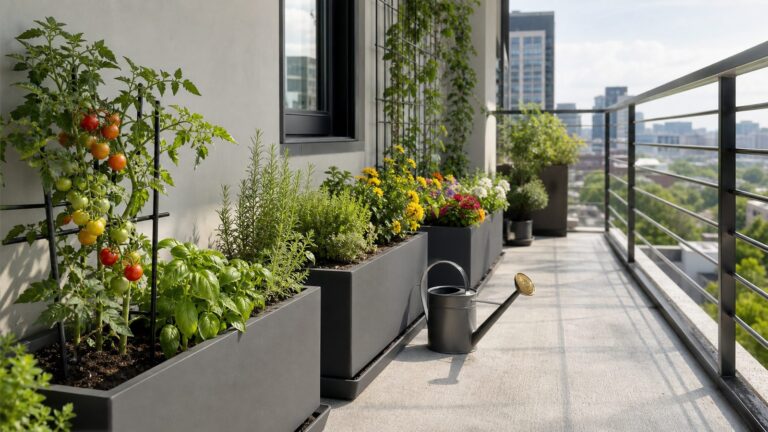
For a smaller patio or balcony, ‘Little Lime’ or ‘Limelight Prime’ is generally more practical. A smaller cultivar is a better long-term choice than trying to confine the original shrub through severe pruning.
Troubleshooting common problems
Why is my ‘Limelight’ not blooming?
- Check the light. Fewer than roughly four hours of useful light can reduce flowering substantially. Deep shade may prevent it.
- Consider the plant’s age. A young shrub or recently transplanted plant may need time to establish roots before flowering heavily.
- Look for deer browsing. Deer can remove developing flower buds while leaving damage that is easy to overlook.
- Review pruning timing. Late spring pruning can remove developing flowering growth.
- Check the season. Bloom time varies widely by climate. A plant that blooms in late summer in one region may open later elsewhere.
- Review fertilizer use. Excess nitrogen encourages leaves and soft shoots rather than sturdy flowering growth.
- Assess water and heat. Drought and extreme heat may reduce flower quality even when the shrub survives.
Why are the flowers brown?
Older panicles naturally move through pink, red, burgundy, beige, and brownish tones. If flowers turn brown prematurely, crisp heat, drought, intense afternoon exposure, or warm nights may be contributing. Check soil moisture and provide afternoon shade in hot climates if practical. Soft, darkening flowers combined with persistently wet soil point instead toward overwatering or root stress.
What’s actually slowing this PC down?
Pick the symptom - the matching free tool is one click away.
Rank #4
- 🌸 SPECTACULAR BLOOMS ALL YEAR: Promote vivid flowers with our balanced 8-4-8 formula, enriched with iron and sulfur for enhanced soil acidity and brighter, healthier blooms.
- 🌱 TAILORED FOR ACID-LOVING PLANTS: Ideal for hydrangeas, azaleas, camellias, and magnolias, providing essential nutrients for lush foliage and robust health.
- 🛠️ EFFORTLESS APPLICATION: Designed for gardeners of all levels—simply sprinkle, water, and watch your garden flourish with minimal effort.
- 💧 LONG-LASTING NOURISHMENT: Slow-release formula reduces application frequency while delivering steady nutrients for up to three months.
- 🏡 VERSATILE AND RELIABLE: Perfect for indoor and outdoor use, ensuring your garden thrives in any season and any climate.
Why is the plant wilting?
| Symptoms | More likely explanation | What to do |
|---|---|---|
| Dry, crisp, dusty leaves; brown edges; flowers still relatively firm | Underwatering or excessive heat | Deeply water the root zone, add mulch, and reduce harsh afternoon exposure if possible. |
| Soft, flabby, darkening leaves and wilted flowers; soil remains wet | Overwatering or poor drainage | Reduce irrigation, correct drainage, and inspect roots if decline continues. |
| Wilting during the hottest part of the day while soil is moist | Heat stress or excessive sun for the climate | Provide afternoon shade and avoid adding water automatically. |
| Wilting despite frequent watering | Waterlogged roots may be unable to absorb water | Check drainage before watering more often. |
Why are the stems flopping?
‘Limelight’ is not flop-proof. Large panicles can naturally arch mature branches, especially after rain. Flopping is more likely with young or thin stems, severe pruning, excess nitrogen, insufficient light, wind, or heavy rain and snow. Missouri Botanical Garden notes that panicle weight can pull branches downward, while NC State identifies wind damage and brittle stems as potential problems.
Prune selectively instead of cutting the shrub to the ground, remove thin stems, avoid high-nitrogen fertilizer, and improve light where practical. Give the plant room and some wind protection. If upright flowers are the overriding priority, ‘Limelight Prime’ or another stronger-stemmed cultivar may be a better choice.
Why are the leaves yellow?
Some inner leaves naturally yellow and drop when shaded by the outer canopy. Yellowing on new growth or exposed outer leaves deserves closer inspection. Possible causes include overwatering, poor drainage, root stress, nutrient problems, or disease.
Do not automatically apply iron or fertilizer. First check soil moisture, drainage, light, and whether the yellowing is concentrated on old inner leaves, new leaves, leaf margins, or the entire plant. The distribution of symptoms is often more informative than the color alone.
Leaf spots, mildew, rust, or gray mold
Potential diseases include leaf spot, rust, powdery mildew, botrytis or gray mold, bud blight, bacterial wilt, and root-related problems in wet soil. Improve air circulation, water at the base in the morning, avoid chronic overhead irrigation, and remove heavily diseased leaves and fallen debris.
Identify the problem before applying a pesticide. Product labels are legally controlling: any pesticide must be labeled for the particular plant, pest or disease, site, and intended use. Penn State Extension’s hydrangea disease reference, the UC IPM hydrangea page, and the University of Minnesota powdery-mildew guide provide additional diagnostic and management information.
Deer, insects, and slugs
Deer are often the most consequential problem because they can eat developing buds before flowers appear. Use fencing, netting, or a properly labeled repellent in deer-heavy landscapes. Other possible pests include aphids, spider mites, scale, slugs, and snails. Inspect the undersides of leaves and tender growth, confirm the pest, and use the least disruptive effective control.
Independent reader supportYour contribution helps us test, update, and keep practical guides available for everyone.Special situations
Hot, humid climates
Use morning sun and afternoon shade when summer exposure is severe. Maintain reliable moisture without saturating the root zone, improve air circulation, and avoid wetting foliage repeatedly. Heat and warm nights may make the late-season flower colors less vivid.
Quick wins for a faster PC:
Clear out junk files and repair common Windows errorsFree Scan →Scan for outdated or missing drivers - takes under a minuteDriver Scan →Repair Windows errors before they cause bigger problemsFix Now →Cold climates and short seasons
New-wood flowering makes ‘Limelight’ comparatively dependable after winter damage, but a short growing season may shorten the flowering period. Spring pruning allows you to remove winter-killed stems and retain any useful dried flower structure until the new season begins.
Clay soil
Clay is not automatically disqualifying. Test how quickly the site drains after rain. If water remains around the root zone, correct the drainage or select another location rather than simply adding more water or filling the planting hole with loose organic material.
Coastal sites
NC State lists salt tolerance for the cultivar, but salt tolerance does not eliminate wind risk. Protect the shrub from strong exposure where possible, and inspect for broken or wind-scorched stems and foliage.
Best Value

- 2X MORE VALUE: The 16 oz Hydrangea outdoor & indoor plant food makes 16 gallons of plant food for houseplants, while the bigger size 32 oz bottle makes 32 gallons, ensuring long-lasting care.
- BOOSTS GROWTH & BLOOMS: Packed with nitrogen for leafy greenery, phosphorus for root development & potassium for enhanced bloom, this liquid fertilizer for indoor plants ensures thriving hydrangeas.
- POWERFUL FORMULA: With macronutrients & micronutrients like calcium, magnesium & zinc, Hydrangea food strengthens stems, fuels vibrant colors & supports beautiful flowers of hydrangea plants live.
- FIXES NUTRIENT DEFICIENCIES: Reverse weak growth, pale leaves & underwhelming flowers with our house plant fertilizer that delivers balanced nutrition for vibrant, consistent results.
- FOR ALL HYDRANGEAS: Works as a flower fertilizer and fertilizer sprayer, HiThrive liquid plant food ensures steady growth & breathtaking blooms for Bigleaf, Oakleaf, Blue Hydrangea & more.
Propagation
NC State lists stem cuttings, layering, and root cuttings as propagation strategies for ‘Limelight’. For a home garden, propagation is most practical when you want additional plants and can provide controlled moisture and a suitable rooting environment. A plant’s current propagation or sale restrictions should be verified separately before commercial production; do not assume that an old patent or nursery listing establishes present-day rights.
Recommended Free Tools
Is ‘Limelight’ hydrangea toxic to pets?
Treat ‘Limelight’ as potentially toxic to cats, dogs, and horses. Hydrangea species contain cyanogenic compounds, and toxicity listings and severity can vary with the species, amount eaten, and animal. Keep prunings and fallen plant material away from animals that chew plants. If a pet may have eaten the plant, contact a veterinarian or an animal poison-control service promptly. Pet Poison Helpline discusses the compound and ingestion risk; the ASPCA hydrangea listing provides additional pet-safety context.
Frequently Asked Questions
Does ‘Limelight’ hydrangea need full sun?
It needs at least about four hours of direct or bright filtered light, with six or more hours preferred for stronger stems and more flowers in cooler climates. In hot climates, morning sun and afternoon shade can prevent heat stress and premature flower browning. Deep shade usually produces fewer flowers.
Can ‘Limelight’ hydrangea grow in clay soil?
Yes, if the clay drains adequately. The serious problem is permanently wet soil, not clay alone. Test drainage after rain and correct a saturated site rather than creating a small amended planting-hole pocket.
Does soil pH change ‘Limelight’ flower color?
No. Its lime-green, white, pink, rose, and burgundy progression is primarily determined by cultivar genetics and flower maturity. Aluminum sulfate and soil acidification will not turn this panicle hydrangea blue.
Free tools Windows power users keep installed
One-click scans. No signup required.
Can I cut ‘Limelight’ hydrangea to the ground every year?
You can, but it is not a good routine practice. Severe cutbacks encourage soft growth and very large flower heads that may flop. Prune selectively in late winter or early spring, generally reducing the framework by about one-third.
How far apart should ‘Limelight’ hydrangeas be planted?
For individual plants, allow roughly 6–8 feet of space based on the mature shrub’s typical width. Hedge spacing can be closer, but the ideal distance depends on soil, pruning, climate, and the density you want.
Can ‘Limelight’ grow in a pot?
Yes, but the original cultivar needs a large, stable container, quality potting mix, excellent drainage, and more frequent watering than an in-ground plant. ‘Little Lime’ and ‘Limelight Prime’ are usually better choices for limited space. Container roots also need extra winter protection.
Is ‘Limelight’ hydrangea deer resistant?
No plant should be treated as reliably deer-proof in a landscape with heavy browsing. Deer may remove developing flower buds. Use fencing, netting, or a properly labeled repellent where deer pressure is high.
Do these 3 things before closing this tab:
1Clear out junk files and repair common Windows errors2Fix the driver behind crashes, sound loss and screen glitches3Repair Windows errors before they cause bigger problemsCan I train ‘Limelight’ as a tree?
Nurseries sell trained tree forms, but a tree-form hydrangea is a grafted or selectively trained standard rather than a naturally single-trunked tree. It needs structural pruning and may require support, so maintain it differently from the ordinary shrub form.
The Bottom Line
Plant the original ‘Limelight’ only where a 6–8-foot shrub has room to mature. Give it climate-appropriate light, well-drained soil, regular moisture during establishment, and 2–3 inches of mulch. Fertilize only when growth indicates a need, and prune selectively in late winter or early spring because it flowers on new wood. If the site is smaller, choose ‘Little Lime’ or ‘Limelight Prime’ rather than trying to force the full-size cultivar to stay compact.
Quick Recap
Product prices and availability are accurate as of the date/time indicated and are subject to change. Any price and availability information displayed on Amazon at the time of purchase will apply.