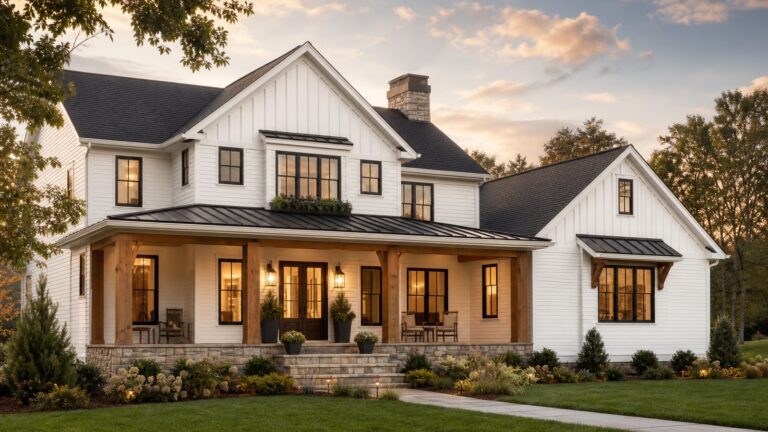
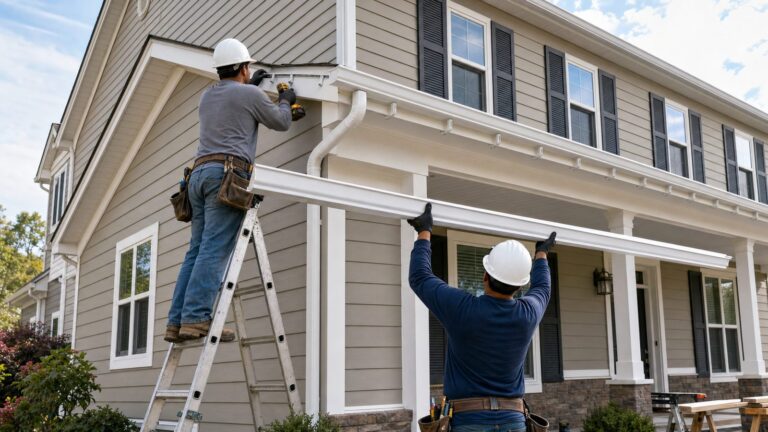
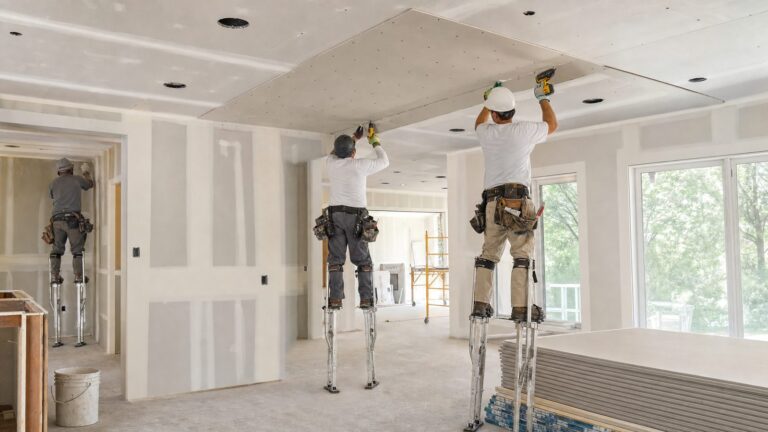
Budget for a newly built home from its signed contract and specifications—not from the base price or a universal percentage. First identify what the builder will deliver, then list the items and work your household still needs, and price those needs with local estimates. The amount varies with the contract, lot, home, location, climate and household priorities; the reviewed sources establish no universally valid total finishing budget.
Start with the builder’s contract: what is included?
A new home’s base price does not tell you whether it is ready for your household to move in. Builder packages differ, and an item that one builder includes may be an allowance, an option or outside the scope of another contract. Before setting a post-move budget, collect the signed contract, specifications, selections sheet, allowance schedule, change-order policy, closing estimate, HOA documents, warranty and homeowner manual. Mark each line item as included, allowance-based, optional, excluded or unknown. Ask the builder to resolve unknowns in writing.
As an Amazon Associate I earn from qualifying purchases.
The National Association of Home Builders (NAHB) recommends a clearly written contract and reviewing the warranty and homeowner manual. Its builder checklist also asks, “Can appliances be up- or down-graded?” Treat that as a prompt to establish exactly which appliances and models, if any, are included—not as evidence that a particular package includes or excludes them.
What’s actually slowing this PC down?
Pick the symptom - the matching free tool is one click away.
Questions to settle before closing
- Appliances and laundry: Which kitchen appliances are included? Are a refrigerator, washer and dryer included, and are installation, hookups or delivery covered? If the contract uses an allowance, what amount and product specifications apply?
- Lighting and electrical: Which fixtures and bulbs are installed? Are any locations capped or left for owner-selected fixtures? Are exterior lights included?
- Windows and storage: Are window coverings included? What closet shelving, garage storage or other built-ins are part of the specifications?
- Garage and exterior: Is a garage-door opener included? What work is included for landscaping, irrigation, fencing, driveway, walks, patio or deck?
- Unfinished areas: Is the basement, attic or another area finished, partially finished or unfinished? What does the quoted scope include for walls, flooring, lighting and heating or cooling?
- Lot, utility and community costs: Ask about utility connections, development fees, estimated property taxes, HOA dues and what the HOA covers. Check the closing estimate and HOA documents rather than assuming those costs are part of the base price.
- Completion and warranty: Confirm remaining permits or inspections, the process for documenting incomplete or corrective work, warranty coverage and how to use the homeowner manual.
These are questions to verify, not a list of items that every new home excludes. The NAHB checklist raises issues such as appliances, fees, taxes, HOA coverage and warranty terms because the contract and project details determine the answer.
#1 Best Overall
- Cordless Blinds: Filter out light with the Achim Cordless Light Filtering Mini Blinds. These lightweight, vinyl blinds with no cords to get tangled are child and pet safe. Durable, high quality construction resists warping, fading, and sagging.
- Find the Perfect Fit: Blinds will fit windows 3/8" (0.95 cm) smaller and 1/2" (1.27 cm) wider than stated size. Actual blind is 1/2 " (1.27 cm) narrower than stated size. Actual slat size is 1".
- Easy to Install: Includes all the hardware you will need with simple instructions to make installation easy and convenient! Features hidden mounting brackets designed for inside, outside, or ceiling installation.
- How to Use: When the sun is too bright or you want to take in the view, simply lift or lower the bottom rail to raise or lower blinds. Use the tilt wand to filter in the ideal amount of light and privacy.
- Choose from a Wide Variety of Styles: Available in 5 colors: Alabaster, White, Black, Woodtone, and Grey, and 5 drop lengths: 25”, 42”, 48”, 64”, and 72” so you’re sure to find the perfect fit for your home.
Make the contract review specific enough that a builder can answer each question with a document reference, model number, allowance amount or written clarification. An allowance is not automatically the final installed cost: confirm what it covers, whether labor or installation is included, and how an overage or unused balance is handled. Likewise, an option price should be compared with the cost and practical consequences of doing the work after closing, not simply treated as an all-in figure without checking its scope.
Build an itemized post-move budget
Once you know the contract boundary, make one budget row for each purchase or project. Record its scope, whether it is required before move-in, the builder’s stated allowance or price, local estimates, timing and any dependencies. Keep purchase costs, contractor work and potential later upgrades separate so an allowance or unfinished project does not disappear inside a single “moving costs” number.
Start with the household’s actual first-year needs rather than a generic list of everything a new homeowner might buy. A family moving from a furnished home may already own beds, seating and yard tools; a household relocating from an apartment may need those items as well as basic outdoor equipment. NAHB’s spending-patterns analysis found first-year purchases across categories such as appliances, furnishings, alterations, window coverings, yard equipment, landscaping, outdoor features and finishing unfinished areas. Those categories are useful prompts, but the study reflects historical spending patterns, not current prices or a recommended allowance for every buyer.
Move-in essentials
List the items the household needs to use the home comfortably from day one: appliances or laundry equipment not supplied, window coverings where privacy is needed, basic lighting or lamps, beds, seating and kitchen basics. Distinguish immediate needs from a preferred brand, finish or premium feature. For window coverings, first confirm whether they are included and check each window’s measurements and mounting arrangement before choosing blinds or shades.
If window coverings are not in the builder package, measure each opening and confirm whether the intended installation is inside-mount or outside-mount before purchasing cordless window blinds, shades or another treatment. Window dimensions and mounting requirements matter for fit. The category is a potential first-year expense, but the amount depends on the number and size of windows, the chosen product and installation needs; do not assume a single price applies to the home.
Safety, access and everyday function
Check whether the home has the alarms, locks, handrails, storage and other features your household needs. If you believe something is a code requirement or a builder obligation, confirm it against the contract and with the builder or local authority; the sources reviewed do not establish what a particular home contains or what local rules require. Put required corrections and safety issues ahead of cosmetic changes, and document who is responsible for resolving them.
Include practical access and storage needs in the same review. For example, determine whether closet shelving and garage storage are already specified, and whether everyday items can be stored without buying additional organizers immediately. Treat a missing feature that appears to be part of the contracted scope differently from an optional convenience: resolve a potential builder obligation in writing before hiring someone to duplicate or alter the work.
The Tool Desk
Outbyte Driver Updater FREEFix the driver behind crashes, sound loss and screen glitchesFind Drivers →Outbyte PC Repair FREEClear out junk files and repair common Windows errorsFree Scan →Rank #2
- Cordless Blinds: Filter out light with the Achim Cordless Light Filtering Mini Blinds. These lightweight, vinyl blinds with no cords to get tangled are child and pet safe. Durable, high quality construction resists warping, fading, and sagging.
- Find the Perfect Fit: Blinds will fit windows 3/8" (0.95 cm) smaller and 1/2" (1.27 cm) wider than stated size. Actual blind is 1/2 " (1.27 cm) narrower than stated size. Actual slat size is 1".
- Easy to Install: Includes all the hardware you will need with simple instructions to make installation easy and convenient! Features hidden mounting brackets designed for inside, outside, or ceiling installation.
- How to Use: When the sun is too bright or you want to take in the view, simply lift or lower the bottom rail to raise or lower blinds. Use the tilt wand to filter in the ideal amount of light and privacy.
- Choose from a Wide Variety of Styles: Available in 5 colors: Alabaster, White, Black, Woodtone, and Grey, and 5 drop lengths: 25”, 42”, 48”, 64”, and 72” so you’re sure to find the perfect fit for your home.
Yard and outdoor completion
Separate builder-delivered site work from owner-selected improvements. Your list may include grading or drainage questions, lawn and planting, irrigation, fencing, driveway or walk completion, a patio or deck and yard tools. Ask what the contract and lot documents specify before getting estimates; the practical scope can depend on the site as well as the package. NAHB’s spending-patterns analysis identifies landscaping, yard equipment and outdoor features among categories in which new-home buyers have historically spent during the first year. Those categories can help you avoid overlooking work, but the historical study is not a current price list or a quote for your property.
For landscaping, ask the builder what is included by area and type of work: for example, whether the scope calls for grading, seed or sod, particular plantings, irrigation, or only specified portions of the lot. Clarify whether a fence, driveway, walks, patio or deck is already part of the contract or remains a separate project. Then request a local estimate based on the actual lot and a defined scope. No reliable general dollar amount for landscaping or window coverings applies to all new homes; home size, site conditions, location, material choices and labor all affect the total.
Comfort and efficiency
Potential projects include lighting, window treatments, appliances, hot-water measures, HVAC changes and improvements to the building enclosure. Do not assume that a retrofit is appropriate just because it appears in an efficiency checklist: have the home and existing systems assessed, and compare the purchase and installation cost, expected performance, maintenance and disruption. The U.S. Department of Energy’s retrofit database covers appliances, hot water, building enclosures, HVAC and lighting, and presents cost ranges; it also cautions that costs vary with climate, construction, home features, local economy and location.
Use those categories as a way to frame questions, not as proof that your new home needs a particular replacement or retrofit. The builder’s specifications and the home’s installed equipment matter. For any proposed efficiency improvement, compare options for the actual house and region, and verify whether local rebates or financing are available and whether the project qualifies. A national benchmark or broad cost range cannot substitute for a property-specific assessment and local estimate.
PC Slower Than It Used to Be?
A free scan shows the junk files, broken settings and background clutter dragging Windows down - then fixes them in one click.Free scan · Windows 10 & 11Outdated Drivers Are Slowing You Down
One free scan finds every outdated or missing driver and matches the right update for your exact hardware.Free scan · exact hardware matchFinishes and unfinished space
Flooring, cabinetry, bathroom finishes, premium appliances, built-ins and decorative lighting may be immediate priorities or later projects. NAHB’s 8 Strategies for Reducing Construction Costs notes that kitchen and bathroom materials can often be upgraded later. Whether that is economical for your home depends on access, compatibility and whether future work would disturb completed surfaces or installed systems. Ask the builder before deciding that a selection is safe to defer.
Do not confuse a later upgrade with completing an unfinished area. Ask exactly what the contract delivers for a basement, attic or other unfinished space, including which systems or finishes are absent, before estimating the cost to make it usable. A later project may involve more than choosing a finish; ask the builder or qualified contractor to define the work, dependencies and any relevant permits. The decision to finish now or later should reflect household use, quoted scope and possible rework rather than an assumed standard price.
What the published cost figures do—and do not—tell you
National construction statistics describe the building industry, not the amount an individual household should reserve after closing.
Rank #3
- Cordless Blinds: Filter out light with the Achim Cordless Light Filtering Mini Blinds. These lightweight, vinyl blinds with no cords to get tangled are child and pet safe. Durable, high quality construction resists warping, fading, and sagging.
- Find the Perfect Fit: Blinds will fit windows 3/8" (0.95 cm) smaller and 1/2" (1.27 cm) wider than stated size. Actual blind is 1/2 " (1.27 cm) narrower than stated size. Actual slat size is 1".
- Easy to Install: Includes all the hardware you will need with simple instructions to make installation easy and convenient! Features hidden mounting brackets designed for inside, outside, or ceiling installation.
- How to Use: When the sun is too bright or you want to take in the view, simply lift or lower the bottom rail to raise or lower blinds. Use the tilt wand to filter in the ideal amount of light and privacy.
- Choose from a Wide Variety of Styles: Available in 5 colors: Alabaster, White, Black, Woodtone, and Grey, and 5 drop lengths: 25”, 42”, 48”, 64”, and 72” so you’re sure to find the perfect fit for your home.
| Figure | What it measures | How to use it |
|---|---|---|
| 64.4% of the average new-home price | Construction costs’ share of the average price in NAHB’s 2024 Cost of Construction Survey, published in 2025. | National context about construction costs; it is not a recommended post-move reserve or an upgrade budget. |
| 24.0% of construction costs | Interior finishes’ share of construction costs in NAHB’s 2022 survey, published in 2023. The survey sample was not sufficient for geographic breakdown. | Historical context showing that finishes are a significant construction stage, not a current quote for finishing a particular home. |
| First-year spending categories | NAHB’s spending-patterns study reports elevated first-year purchases among new-home buyers, including window coverings, yard equipment, landscaping, outdoor features and work on unfinished areas. | Use it to identify possible budget categories. The study describes historical expenditures and associations; household characteristics affect spending, and the findings do not establish today’s local prices. |
None of these figures yields a reliable universal total for finishing and upgrading a newly built home. Do not turn the construction-cost share into a percentage-of-price rule: it measures a different thing. Use the contract, actual allowances and location-specific estimates to calculate your own total. Country, climate, builder scope, house size, lot conditions, labor market, household needs and product choices can all change the answer.
How to prioritize upgrades when the budget is limited
Compare competing items using the same criteria instead of relying on a generic ranking. For each project or purchase, write down:
- Safety or code: Is there a verified safety issue or required correction?
- Contract responsibility: Is the work included, allowance-based, optional, excluded or still unresolved?
- Urgency: Does the household need it for privacy, access or everyday use immediately?
- Timing cost: What will it cost to do now compared with later, based on estimates for the actual scope?
- Operating effects: Could it affect energy or water use, maintenance or durability?
- Rework and disruption: Would waiting require demolition, moving installed equipment or disturbing finished surfaces?
- Compatibility and warranty: Could the work affect builder warranties, equipment compatibility or system performance?
- Local support: Are rebates or financing available in your location, and do the actual project and household qualify?
For a product, also check its dimensions, fit, mounting or installation needs, durability and return policy. Apply the criteria to the home you have contracted for; no source supplies a single upgrade order that fits every buyer.
In practice, this comparison usually means resolving a verified safety or contract issue before paying for a decorative preference, then covering what the household needs for privacy and daily use. After that, compare comfort, efficiency and aesthetic projects on their actual timing, disruption and quoted costs. This is a decision method, not a universal ranking: an item that is urgent for one household or climate may be easy for another to defer.
Get comparable local estimates before committing
For work with variable scope—such as landscaping, fencing, finishing an unfinished area or an efficiency retrofit—ask more than one qualified local contractor for an itemized estimate. Give each bidder the same description and plans so the prices cover comparable work. A low total is not meaningful if it omits materials, permits or preparation that another bid includes.
Check that each written bid identifies:
- materials, quantities and labor;
- permits, disposal and site preparation, where relevant;
- exclusions, assumptions and owner-supplied items;
- schedule, payment milestones and what could change the price;
- insurance, references, credentials and warranty terms.
NAHB’s builder checklist advises reviewing credentials, insurance, references, a written contract, the home warranty and the homeowner manual. Keep estimates and approved changes with your project documents so you can see what each commitment covers.
For a useful comparison, send each contractor the same scope and ask them to identify any assumptions or items they could not price. Check whether a bid covers labor as well as materials, and whether site preparation, disposal, permits or owner-supplied products are excluded. Ask how the schedule, payment milestones and warranty are documented. If bids differ substantially, compare their inclusions line by line before deciding that one is the better value.
Rank #4
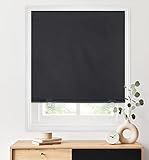
- 100% Blackout Roller Shade: Made of polyester fabric coated with blackout backing. Blocking out 100% light for complete privacy, light control and UV protection for bedrooms, children’s rooms and movie rooms. Excellent for deeper and longer sleepers.
- Customizable Width: Trim it yourself at home for the perfect fit inside or outside your window frame. Easy to install in minutes with No Tools-No drill, screws, or brackets. Great for Renter, Landlord, and Home Buyer.
- Cordless Blinds for Windows: No tangled cords, safer for child and pets — using included clips to raise and lower shades.
- Self Adhesive Tape: Industrial grade hook and loop fastener. Sticks on lime walls, tiles, glass, wood, plastics, metal and other clean flat surfaces. Long-term adhesion and leave no residue after tearing-off.
- Note: For the shades of 26x68 inch will be 1 Clip, 1 tube and 1 connector included. For the shades of 36x72 inch will be 2 Clips, 2 tubes and 1 connector included. For the shades of 48x72 inch will be 2 Clips, 2 tubes and 2 connectors included. Please contact us directly if any accessories are missing.
If a lender or builder recommends a contingency reserve, record who made the recommendation, which costs it is meant to cover and why. NAHB’s separate budget guidance discusses contingency advice, including a higher reserve for owner-builders; that is not a universal rule for buyers of completed new homes or a direct estimate of finishing costs. Set any reserve in context with your financing and actual project uncertainties rather than using an unsupported percentage.
Independent reader supportYour contribution helps us test, update, and keep practical guides available for everyone.Plan the timing to avoid paying for rework
Some decisions are cheaper to settle while the home is being built because walls and finishes are still accessible. Before construction closes up, ask the builder and licensed trades about outlet and lighting locations, wiring, blocking, plumbing provisions and appliance dimensions. These are planning prompts, not a substitute for confirming what your plans and contract include.
Quick wins for a faster PC:
Clear out junk files and repair common Windows errorsFree Scan →Fix the driver behind crashes, sound loss and screen glitchesFind Drivers →Repair Windows errors before they cause bigger problemsFix Now →Use the builder’s written change-order process for changes to contracted scope. NAHB warns: “Last minute changes in design or materials are called ‘change orders’ and they can quickly take a toll on your budget.” Get the price and schedule effect before authorizing a change, and ask whether it affects other selections or work.
For something you may defer, ask the builder whether the later installation is compatible with the home’s systems, could affect warranty coverage, or would require removal or alteration of completed work. A finish that is technically replaceable may still be costly to revisit if access is difficult or if the change triggers additional labor.
Keep the distinction between a builder change and a later owner project clear. A requested change to contracted scope should go through the builder’s change-order process, with its price and schedule impact known before approval. A project after closing needs its own defined scope, estimate and warranty questions. In either case, a verbal assumption about what is included or what can be deferred is not a substitute for a written answer.
A practical worksheet for your own budget
Copy these headings into a spreadsheet or project document and fill them in from the signed paperwork and local bids. Keep unknowns visible until the responsible party answers them.
| Budget row | What to record |
|---|---|
| Item or project | Specific scope, quantity and location in the home or lot. |
| Contract status | Included, allowance-based, optional, excluded or unknown; note the document and section. |
| Timing | Before closing, before move-in, first year or later; include dependencies. |
| Cost basis | Builder allowance or price, product estimate, or itemized local contractor bid; state what is covered and excluded. |
| Priority reason | Safety, required correction, daily use, privacy, efficiency, maintenance or aesthetic preference. |
| Deferral impact | Expected disruption, possible rework, warranty or compatibility question, and any price difference actually quoted. |
| Decision and follow-up | Proceed, defer or resolve with builder; record the person responsible and the written answer or approval. |
Total only the items with a defined scope and cost basis. Keep unresolved allowances, unconfirmed obligations and later preferences in separate rows rather than treating estimates as guaranteed prices. Revisit the list when the builder answers open questions or a contractor clarifies scope.
Best Value

- 【Easy to Install】Stick on blinds are installed in just three steps - cutting, tearing and pasting. Blinds come with 2.5cm wide strong viscosity double-sided tape. No drilling, no falling off, no holes, and no damage to the wall and window. Easy to remove, and no stains leaving
- 【Premium Material】Our paper blinds are made of thicken high quality non-woven fabric, waterproof and dustproof, nontoxic and breathable. White, blue, brown colors are for light filtering, black and grey colors are for blackout and UV resistant
- 【Cut To Size】Perfect fit blinds for windows and doors, easy to cut to any size and shape, to fit your windows. Suitable for windows or doors of various sizes in bedroom, kitchen, bathroom. Carton packaging to avoid creases and distortion during transportation
- 【Clip On Adjustable】Each temporary blind comes with two clips, for you can easily adjust the height of the shade. Cordless design, suitable for families with children and pets, guarantees the safety of your family
- 【Product Size】Window blind measures (width x length): 24 x 59 inches, fits window 20-23 inches wide, and 39-47 inches high. Please note blinds are pleated, choose blinds with length greater than window height. If you are not sure which size to choose, please tell us the window size, we will reply to you within 12 hours
A simple way to work through the sheet is to close the unknown contract items first, identify what must be ready for move-in, and then request local prices for variable projects. Mark purchases or improvements that can wait, but note what deferral could mean for access, warranty, compatibility and later labor. That makes the budget a working plan tied to actual decisions rather than a single estimate based on the home’s headline price.
Frequently Asked Questions
What should I budget for after buying a new construction home?
There is no universally valid total. Start with the signed contract and allowances, then list the household’s remaining first-year needs—such as appliances or laundry equipment, window coverings, furnishings, landscaping, yard equipment, outdoor features or unfinished-space work—and price each item with local estimates. The amount depends on the builder’s scope, home and lot, location, climate and household needs.
What does a new build not include?
There is no standard exclusion list that applies to every builder. Verify appliances, laundry equipment, lighting, window coverings, closet shelving, garage-door openers, landscaping, irrigation, fencing, driveway and walks, patios or decks, unfinished areas, utility or development fees, HOA costs, taxes, permits, inspections and warranty terms against your contract and documents. Ask the builder to resolve anything unclear in writing.
Free tools Windows power users keep installed
One-click scans. No signup required.
How much should I set aside for landscaping and window coverings?
The reviewed sources do not establish a current, generally valid dollar amount. Landscaping depends on the lot, site work and specified planting or irrigation scope. Window-covering costs depend on the number and size of windows, product choices and installation needs. Confirm what the builder includes, measure windows and get local estimates for a defined scope.
Which upgrades should I do now, and which can wait?
Resolve verified safety issues and contracted corrections first, then prioritize items needed for privacy and daily use. Compare other work by its price now versus later, disruption, possible rework, energy or maintenance effects, compatibility and warranty implications. NAHB notes that kitchen and bathroom materials can often be upgraded later, but ask the builder whether deferral is practical for your home.
What costs should I ask the builder about before closing?
Ask for written details on included appliances and allowances, fixtures, window coverings, storage, garage and exterior work, unfinished areas, utilities and development fees, estimated taxes, HOA dues and coverage, remaining permits or inspections, and warranty terms. Confirm what each allowance covers and how changes or overages are handled.
The Bottom Line
Build the budget from the signed contract outward: settle what is included, list genuine move-in and first-year needs, and obtain local estimates for variable work. Prioritize safety and daily function, then weigh deferrable upgrades against later cost, rework, compatibility and warranty concerns. National construction figures provide context, not a household allowance.
Recommended Free Tools
Quick Recap
Product prices and availability are accurate as of the date/time indicated and are subject to change. Any price and availability information displayed on Amazon at the time of purchase will apply.