Some links on this page are affiliate links: if you buy through them we may earn a commission, at no extra cost to you.
A good hall closet should make everyday life easier within the first 10 seconds of opening the door. That means coats are reachable, shoes do not spill into the hallway, cleaning supplies are not mixed with towels, and the top shelf is not a graveyard for things nobody can identify.
Most hall closets are small reach-in spaces, often 24 to 30 inches deep and 3 to 6 feet wide. Because the footprint is limited, the best organization plan is not about adding more containers. It is about assigning the closet a clear job, using the wall height properly, anchoring shelves correctly, and making sure the system fits the way your household actually enters, exits, cleans, and stores seasonal items.
As an Amazon Associate I earn from qualifying purchases.
On our job sites, we see the same pattern over and over: the closet is not too small; it is being asked to do six unrelated jobs with one rod, one shelf, and no zones. The ideas below move from simple, low-cost fixes to built-in upgrades, so you can choose the right level of work for your home and budget.
Start With the Closet’s Real Job
Before buying a single bin, decide what the hall closet is supposed to be. A front-entry coat closet should not be organized the same way as a linen closet near bedrooms or a cleaning closet near a kitchen or bath.
#1 Best Overall

- CLOSET ORGANIZER SYSTEM: All in one wire closet shelves kit that creates up to 96 in. of hanging space and 144 in. of shelf space; Kit includes hang track, standards, shelf brackets, closet rods, closet rod support and SuperSlide shelves
- FITS CLOSETS 4 – 6 FEET WIDE: Multiple closet design configurations for spaces 4 – 6 feet wide with 12 in. deep shelves; Some shelf, hang track and/or rod cutting may be required to fit your space
- ADJUSTABLE SHELVES: The ShelfTrack system offers design configuration and adjustable shelves that can be easily moved up or down depending on your needs, or for changes over time; Ideal for kids closets, entryway closets or hall closets
- SUPERSLIDE HANG ROD: Includes SuperSlide hang rod system with support hardware that allows for continuous slide of hangers
- DURABLE WIRE SHELVES: Vinyl coated steel shelving resists rusting and chipping; All shelving SCS Certified for minimum of 90% recycled content; HARDWARE INCLUDED: Installation hardware included with easy-to-follow instructions
Pick one primary purpose and one or two secondary purposes. For example, a family entry closet might be 70 percent coats, shoes, and bags, with a small top-shelf zone for seasonal gloves and hats. A hallway closet near a bathroom might be 60 percent linens and paper goods, with the lower shelf reserved for a cleaning caddy and vacuum attachments.
This one decision prevents the most common failure: turning the closet into overflow storage for everything that does not have a home.
Measure Before You Buy Anything
Measure the usable interior width, depth, and height, not just the door opening. Include return walls, baseboards, trim, door casing, hinges, and the way the door swings. Many prefab closet systems assume square walls, a clean back wall, and easy stud access. Older homes often have plaster, uneven corners, thick baseboards, or framing that does not land where the package diagram expects.
For a typical reach-in hall closet, write down these numbers:
- Interior width from wall to wall
- Interior depth from back wall to inside face of trim
- Clear door opening width
- Height from floor to ceiling
- Baseboard height and thickness
- Stud locations on the back and side walls
- Rod height and shelf height if you are reusing them
A closet that is 26 inches deep on paper may only have 23 inches of usable depth once the door, trim, and hangers are considered. That matters if you plan to add over-door storage, deep bins, pull-out baskets, or a shoe rack.
17 Hall Closet Organization Ideas
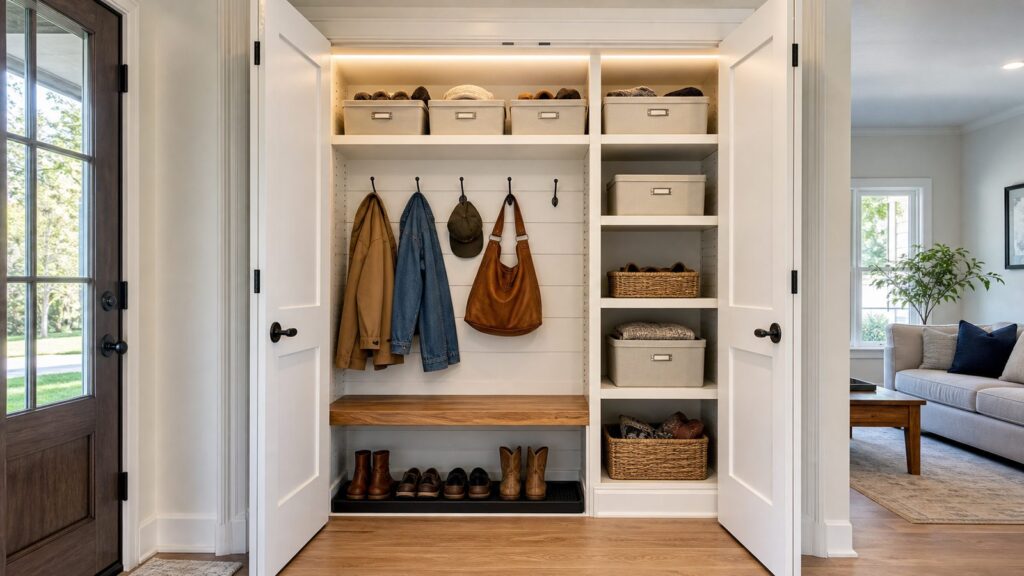
1. Define One Primary Closet Job
Start by naming the closet: coat closet, linen closet, cleaning closet, utility closet, family drop zone, or mixed seasonal storage. This sounds basic, but it drives every decision that follows.
What’s actually slowing this PC down?
Pick the symptom - the matching free tool is one click away.
If the closet is near the kitchen, bath, or bedrooms, it may be more useful as a household operations closet than a coat closet. Overflow towels, toilet paper, cleaning tools, pet supplies, and emergency items may earn the best real estate. If the closet is right inside the entry, daily coats, bags, shoes, umbrellas, and dog leashes usually come first.
2. Empty It and Sort Into Keep, Donate, Relocate, and Trash
Do not organize around clutter. Empty the closet completely and sort items on the floor. Keep only what belongs in that closet’s assigned job. Donate outgrown coats, relocate off-season clothing to bedroom closets or basement storage, and throw away broken hangers, dried-out shoe products, and mystery parts.
A realistic weekend refresh takes 2 to 4 hours for one small closet. If you are installing a kit, painting, patching holes, or changing lighting, plan for a full day.
3. Add Adjustable Shelves
Adjustable standards are one of the best upgrades for a family hall closet because storage needs change. Kids’ backpacks become sports bags. Boot storage becomes linen storage. Holiday bins move in and out.
Free tools Windows power users keep installed
One-click scans. No signup required.
Use metal wall standards screwed into studs or solid blocking. For heavy loads, avoid relying only on hollow-wall anchors. A loaded shelf with paper goods, cleaning products, or small appliances can easily reach 40 to 80 pounds. Adjustable shelving also lets you set tighter spacing: 10 to 12 inches for folded linens, 12 to 14 inches for labeled bins, and 16 to 18 inches for bulk paper products.
4. Add a Second Shelf Above the Rod
Many builder-grade closets have one shelf at roughly 66 to 72 inches high with a rod below it. If the ceiling is 8 feet, there may be 20 inches or more of unused vertical space above that shelf.
Rank #2
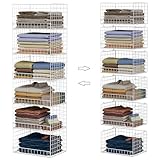
- Upgraded Wide Mouth Design】15.7"x11.8"x8.7"(L x D x H) in single size,these clothing organizers are suitable for most size of clothing especially big clothes, pants and jeans.Due to the appropriate depth, the basket will not protrude when placed in the wardrobe. Note: Ensure the product size fits your Closet.
- Stackabe and Foldable】These collapsible closet shelves organizer are stackable and foldable.And can fold them to put in a corner without taking up space.You can stack multiple units together or use only one to meet your different needs.
- Sturdy Iron Mesh】Made of premium iron mesh,these closet storage bins are sturdy,durable,breathable,visible,no smell and washable.Would not bend or damage like plastic or cloth storage baskets. You can count on it is strong enough and has a good craft.
- Effective and Convenient】It is easy to view the stored items so that you can quickly choose the right suit for your work day. Helps you take back control of your closet, keep your living space organized.Very suitable for storing pants,t-shirts,skirts,shorts or other items such as toys, bags, books, etc.
- Easy to Assemble】Comes with installation instructions, the closet organizers and storage are very easy to install,no screws or tools are needed. (When tightening the buckle, the front fence wire needs to be lifted upwards for better installation.)
A second high shelf is ideal for light seasonal items: winter hats, picnic blankets, travel bags, holiday linens, or rain gear. Keep heavy bins lower. Anything that requires a step stool should be light enough to lift safely with one hand.
5. Install a Low Shoe Shelf or Boot Tray
Shoes are the main reason entry closets become messy. A low shelf 6 to 8 inches off the floor works well for daily shoes. If you need boot clearance, leave 12 to 16 inches between the floor or tray and the underside of the shelf.
For wet climates or snowy entries, use a washable boot tray with a raised lip. It protects flooring from grit, salt, mud, and water. Ventilated shoe shelves are better than sealed bins for shoes that come in damp.
Set a daily-shoe limit: one or two pairs per person in the hall closet. The rest belong in bedroom closets or a secondary storage area.
6. Use Over-Door Storage Carefully
Over-door racks are useful for scarves, gloves, umbrellas, sunscreen, pet leashes, and small cleaning items. They are not always harmless. Before installing one, check whether the door still closes fully, whether the rack hits casing or shelving, and whether the added thickness rubs the jamb.
If the closet has a shallow interior or a tight swing, a door rack can steal the exact space hangers need. In that case, use side-wall hooks or narrow interior shelves instead.
The Tool Desk
Outbyte Driver Updater FREEFix the driver behind crashes, sound loss and screen glitchesFind Drivers →Outbyte PC Repair FREEClear out junk files and repair common Windows errorsFree Scan →7. Add Hooks on Side Walls
Hooks solve the human behavior problem. Some items will never make it onto a hanger: kids’ jackets, tote bags, umbrellas, dog leashes, reusable grocery bags, and backpacks. Put hooks where people naturally drop those items.
For adults, hooks around 60 to 66 inches high are usually comfortable. For children, 36 to 48 inches often works better. Use stud-mounted hooks or a hook rail fastened into blocking. Backpacks and loaded tote bags can be heavier than they look.
8. Use One Bin Per Person
For family closets, assign one labeled bin or basket per household member. This keeps gloves, hats, sunglasses, masks, small sports items, and school extras from becoming a shared pile.
Open bins work best for daily use. Lidded bins look cleaner, but they slow people down and often become clutter traps. If bins sit above eye level, label the front edge, not just the lid.
Recommended Free Tools
9. Label Seasonal Bins Clearly
Seasonal storage should be easy to identify without opening every container. Use labels such as “Winter Hats,” “Guest Linens,” “Beach Towels,” “Rain Gear,” or “Holiday Table Linens.”
Place seasonal bins on the top shelf or upper adjustable shelves. Keep the labels facing forward. If you use clear bins, choose models with straight sides so they waste less space than tapered bins.
Rank #3

- 4 shelf wire rack offers handy storage space and easy access to tools and supplies
- Durable steel construction with a Black finish; each shelf holds up to 200 pounds, evenly distributed; 800 pound total weight capacity
- Adjustable shelf height in 1-inch increments for easy customizing; 4 leveling feet for stability
- Multi-purpose versatility; use in a garage, laundry room, kitchen, playroom, or other living or work space
- Assembles quickly and easily; no tools needed
10. Store Emergency Supplies at Grab Height
A hall closet can be a good place for emergency supplies because everyone knows where it is. Keep flashlights, batteries, a small first-aid kit, a weather radio, and basic shutoff instructions at mid-height, roughly waist to eye level.
Do not bury emergency supplies behind coats or on a step-stool-only shelf. The goal is fast access during a power outage, storm, leak, or injury.
Outdated Drivers Are Slowing You Down
One free scan finds every outdated or missing driver and matches the right update for your exact hardware.Free scan · exact hardware matchWindows Errors? Fix Them Before They Spread
Repair common Windows errors and clear accumulated junk for a smoother, more stable PC - no reinstall needed.Free scan · no reinstall11. Create a Cleaning Caddy Zone
If the closet serves nearby kitchen, bath, or bedroom areas, dedicate a lower shelf or floor zone to cleaning supplies. Use a handled caddy for daily cleaners and a washable tray below anything that could leak.
Separate clean and dirty zones. Linens, paper goods, and guest towels should stay above. Cleaning products, shoe care, vacuum attachments, and mop heads should stay low. Avoid placing chemicals directly over towels or bedding.
12. Upgrade to Slim or Wood Hangers
Hangers matter in a small closet. Slim matching hangers create more usable rod space and reduce snagging. Wood hangers are stronger and better for heavy coats but take more width.
As a rule of thumb, allow about 2 inches of rod space per heavy coat and about 1 inch per light jacket. A 48-inch rod can hold many light jackets, but it will feel cramped with 20 winter coats. If your closet is always packed, the issue may be volume, not hanger style.
13. Add Pull-Out Baskets
Pull-out baskets are useful when deep shelves make items disappear in the back. They work well for hats, gloves, dog items, cleaning cloths, guest towels, and small linens.
Check depth carefully. Many pull-out units need 14 to 20 inches of clear depth and enough door opening width to slide out fully. They also need solid fastening because a loaded basket creates leverage when extended.
14. Use Clear Bins for Linens and Paper Goods
Clear bins work well for overflow linens, tissue boxes, toilet paper, paper towels, light bulbs, extension cords, and household refills. They make inventory easier and reduce duplicate buying.
Do not use fully sealed bins for damp gloves, hats, shoes, or coats. Moisture needs airflow. In entry closets, choose ventilated baskets, open shelves, or mesh bins for items that may come in wet.
Quick wins for a faster PC:
Repair Windows errors before they cause bigger problemsFix Now →Fix the driver behind crashes, sound loss and screen glitchesFind Drivers →15. Add Safe LED Lighting
Lighting is one of the most overlooked hall closet upgrades. A dark closet encourages piles because nobody can see the back corners. Low-profile LED fixtures or battery-powered LED motion lights can make a small closet much more usable.
There are safety rules here. Closet lighting must maintain proper clearance from storage areas, and exposed incandescent bulbs are a fire risk. Modern code language generally favors enclosed or recessed fixtures and properly listed LED fixtures installed with required clearances. If you are hardwiring a fixture, moving wiring, adding a switch, or tying into an existing circuit, hire a licensed electrician and check local permit requirements.
Rank #4
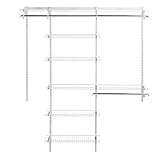
- DOES THIS FIT MY CLOSET?: Fits any walk in or reach in closet that is 3-6 ft wide.
- EASY INSTALLATION: All mounting hardware included for easy installation, no cutting required.
- HIGH QUALITY MATERIALS: Virtually maintenance-free epoxy finish reduces snag points and never rusts.
- STORAGE FROM WALL TO WALL: Telescoping rods and expandable shelves adjust to add additional shelving and hanging space and shelving is adjustable to enable shelf height to vary.
- EASY TO REARRANGE: Modular design enables kit to be assembled in a variety of configurations to meet storage needs and design preferences, reassemble the closet to a new configuration without any tools as storage needs change.
16. Replace Doors If Access Is Poor
Sometimes the closet system is not the problem; the door is. Bypass doors block half the closet at a time. A narrow slab door can make wide shelves hard to reach. Bi-fold doors can improve access, while a properly sized hinged door may allow back-of-door storage.
Door changes can affect trim, flooring transitions, casing, and paint. A simple door swap may be a half-day job. Reframing, widening an opening, or changing swing direction can become carpentry and drywall work.
Do these 3 things before closing this tab:
1Repair Windows errors before they cause bigger problems2Scan for outdated or missing drivers - takes under a minute3Clear out junk files and repair common Windows errors17. Build a Mudroom-Style Hall Closet
If the closet is near the main entry and your family uses it as a drop zone every day, a mudroom-style built-in may be the right answer. This can include a bench, shoe cubbies, hooks, closed upper storage, a charging outlet, and durable wall panels.
This is the most construction-heavy option, but it can add real function and resale appeal when designed neutrally. Avoid overly specific cubbies that only fit one family’s gear. Adjustable shelves, simple painted finishes, durable hooks, and closed upper cabinets age better than trendy specialty storage.
Hall Closet Organization Cost Guide for 2026
Costs vary by region, finish level, closet size, wall condition, and whether you need carpentry or electrical work. For a typical small hall reach-in closet, these are realistic 2026 U.S. planning numbers.
| Project Type | Typical 2026 Cost | Best For | Key Cost Drivers |
|---|---|---|---|
| Low-cost DIY refresh | $50-$250 | Bins, labels, hooks, hangers, shelf liners, boot tray | Number of bins, hanger quality, over-door racks, shoe storage |
| DIY organizer or shelving kit | $150-$800 | Small reach-in closets with simple layouts | Closet width, drawers, finish, cutting, wall condition |
| Basic installed shelving | $21.67-$33.48 per linear foot | Straight shelves, utility storage, linen zones | Labor rates, shelf material, wall prep, stud access |
| Installed closet organizer | $79.35-$110 per square foot | Mid-range professionally installed systems | System complexity, drawers, rods, shelves, trim repair |
| Professional organizer installation | $627-$2,526 typical range; about $1,542 average | Homeowners who want design help and installation | Closet size, customization, product line, local labor |
| Custom closet | Often $1,046-$3,210; about $30-$50 per square foot for many installs | Better finishes, custom fit, awkward dimensions | Materials, drawers, doors, lighting, finish carpentry |
| Premium built-in or mudroom conversion | $1,500-$20,000 broad installed range | Entry drop zones, bench systems, cabinetry, premium finishes | Carpentry, electrical, paint, flooring, cabinetry, hardware |
The biggest price jumps usually come from drawers, doors, custom cabinetry, electrical work, and fixing old walls. A simple shelf-and-rod upgrade is one category. A built-in bench with cubbies, lighting, charging, trim, and paint is a different project.
Best Layouts by Hall Closet Type
Coat Closet
Use a rod for daily coats, one high shelf for seasonal bins, a low shoe shelf or boot tray, and hooks on side walls. Keep the floor mostly open so boots and bags do not jam the door.
Linen Closet
Use adjustable shelves spaced 10 to 12 inches apart for towels and sheets. Store bulky comforters high, everyday towels at chest height, and cleaning products low only if they are separated in trays.
Cleaning Closet
Use vertical clips for broom and mop handles, a lower caddy zone, and a shelf for refills. Keep chemicals below eye level and away from linens. If the closet contains a vacuum, measure the actual vacuum height before setting shelves.
Family Drop Zone
Use hooks more than hangers. Add one bin per person, a boot tray, a small shelf for sunglasses and keys if appropriate, and closed upper storage for seasonal gear. Durability matters more than decorative baskets.
What’s actually slowing this PC down?
Pick the symptom - the matching free tool is one click away.
Mixed-Use Closet
Divide it into clean and dirty zones. Put linens and paper goods above, shoes and cleaning supplies below, and emergency supplies at grab height. Mixed-use closets fail when everything is stacked in one vertical pile.
Independent reader supportYour contribution helps us test, update, and keep practical guides available for everyone.When to DIY and When to Hire a Pro
DIY is a good fit when the closet is square, the walls are in good condition, you are using bins or a basic kit, and the loads are light. Most homeowners can handle labels, baskets, shelf liners, a boot tray, slim hangers, and simple over-door storage in an afternoon.
Best Value

- Optimized Storage Space: Elevate your wardrobe with a versatile closet system with segment storage designed to enhance organization. Make the most of your space with a system that adapts to your needs
- Fully Adjustable and Customizable: Perfect for 4-8 ft wide closets, this DIY closet system allows you to combine extra sets for diverse configurations designed to suit your space and preferences
- Enhanced Functionality: Boost your storage capabilities with convenient side hooks, perfect for hanging bags, hats, and other accessories. Keep your essentials within easy reach
- Reliable Strength: Built for durability, this closet insert supports up to 414 lb total, with shelves holding 22 lb, rods 44 lb, and hooks 2.2 lb each, providing secure storage for all your items
- Simple Assembly: Enjoy a straightforward setup with clear instructions and necessary components included, allowing you to quickly assemble this closet kit in no time and easily organize your space
A DIY shelving kit can also work if you can locate studs, cut shelves cleanly, and fasten standards level. Plan on 3 to 6 hours for a small reach-in closet if you already have the tools.
Hire a carpenter, closet installer, or handyman when the closet has plaster walls, out-of-square corners, missing blocking, heavy coat loads, custom trim, drawers, or a door change. Hire an electrician for hardwired lighting, switches, outlets, or charging stations. In our work, the projects that go sideways are usually not caused by the shelves themselves; they are caused by weak anchoring, bad measurements, and electrical work treated as a casual add-on.
Free tools Windows power users keep installed
One-click scans. No signup required.
Safety, Code, and Permit Notes
Shelves and rods usually do not require a permit when you are working inside an existing closet and not changing structure, wiring, or mechanical systems. Local rules vary, so check with your building department if the project includes framing changes, electrical work, or conversion into a built-in mudroom cabinet with outlets or lighting.
For lighting, use listed fixtures suitable for closet use and maintain the required clearance from stored items. Avoid exposed bulbs, especially old incandescent fixtures. LED lighting is cooler and more efficient, but it still needs to be installed correctly. Battery-powered motion lights are a simple option for many small closets, while hardwired fixtures should be handled by a licensed electrician.
For shelves and rods, fastening matters. Coats, backpacks, paper goods, and cleaning supplies get heavy. Whenever possible, screw standards, cleats, and hook rails into studs or solid blocking. Drywall anchors have their place, but they are not a substitute for proper structure in a hard-working family closet.
Common Hall Closet Mistakes to Avoid
- Buying an organizer before measuring interior depth, return walls, door swing, trim, and baseboards.
- Using drywall anchors for heavy coats, backpacks, shelves, or pull-out baskets.
- Creating too many tiny cubbies that only fit one season of gear.
- Storing damp shoes, gloves, or hats in sealed bins where mildew can develop.
- Putting heavy bins on high shelves.
- Blocking access with an over-door rack that hits hangers or shelving.
- Mixing cleaning chemicals with towels, bedding, or paper goods.
- Installing lighting without checking closet fixture clearance and local electrical requirements.
A Practical Hall Closet Plan That Works for Most Homes
For many homes, the best solution is simple: one high shelf, one rod, one adjustable shelf section, side-wall hooks, one low shoe shelf, and a boot tray. Add labeled bins only after the layout is right.
Do these 3 things before closing this tab:
1Fix the driver behind crashes, sound loss and screen glitches2Clear out junk files and repair common Windows errors3Scan for outdated or missing drivers - takes under a minuteDesign from the floor up. Shoes, boots, and heavy bins go low. Daily coats, bags, emergency supplies, and cleaning caddies belong between waist and eye level. Seasonal and lightweight items go high. If you follow that order, the closet will be easier to use, safer to load, and simpler to maintain.
The goal is not a perfect closet on the day you finish organizing. The goal is a closet that still works 90 days later, after rain, school mornings, guests, grocery runs, and winter coats have tested the system.
Frequently Asked Questions
What should you store in a hall closet?
Store items that match the closet’s location and purpose. Entry closets work best for daily coats, shoes, bags, umbrellas, pet leashes, and seasonal accessories. Hall closets near bedrooms or bathrooms may be better for linens, paper goods, cleaning supplies, and emergency items.
How do you organize a small hall closet?
Start by removing anything that does not belong there. Use one primary purpose, add a high shelf for light seasonal items, use hooks on side walls, limit shoes to one or two pairs per person, and keep frequently used items between waist and eye level.
Recommended Free Tools
How much does it cost to install a hall closet organizer in 2026?
A low-cost DIY refresh usually runs $50-$250. DIY shelving or organizer kits commonly cost $150-$800. Professional organizer installation typically ranges from $627-$2,526, with an average around $1,542. Custom built-ins can run from the low thousands to $20,000 or more.
Do you need a permit to add shelves or lighting in a closet?
Basic shelves and rods usually do not need a permit. Hardwired lighting, new switches, outlets, framing changes, or a larger mudroom-style conversion may require a permit depending on local rules. Electrical work should be handled by a licensed electrician.
What is the best shelving for a hall closet?
Adjustable shelving is usually the best choice because hall closet needs change over time. Wire shelving is affordable and ventilated, laminate is cleaner-looking and solid, and custom wood shelving is best for higher-end built-ins or awkward closet dimensions.
Can you turn a hall closet into a mudroom?
Yes. A hall closet near an entry can often become a mudroom-style built-in with a bench, hooks, shoe cubbies, closed upper storage, and even a charging outlet. This is usually a carpentry project, and electrical additions should be done by a licensed electrician.
Quick Recap
Product prices and availability are accurate as of the date/time indicated and are subject to change. Any price and availability information displayed on Amazon at the time of purchase will apply.

