Rabbits favor tender, low-growing plants—especially leafy greens, seedlings, flowers, clover, dandelions, grasses, and young shoots. In winter, they may switch to twigs, buds, thin bark, and low branches. Because a hungry rabbit may eat plants it normally avoids, protection matters more than relying on a “rabbit-proof” plant list.
Rabbits are most likely to eat tender, low-growing plants: leafy greens, vegetable seedlings, peas and beans, flowers, clover, dandelions, grasses, and other soft new growth. In fall and winter, when green food is scarce or snow makes it harder to reach, they may switch to young twigs, buds, thin bark, shrubs, and fruit-tree branches.
As an Amazon Associate I earn from qualifying purchases.
There is no universal, guaranteed list of rabbit-proof plants. Rabbits are opportunistic herbivores: they select the most accessible, succulent food available, but a hungry rabbit may browse plants it normally ignores. If a crop or ornamental plant matters, a physical barrier is more dependable than plant selection alone.
Free tools Windows power users keep installed
One-click scans. No signup required.
Garden plants rabbits commonly browse
| Plant group | Common examples | What rabbits usually eat |
|---|---|---|
| Leafy greens | Lettuce, kale, spinach, cabbage-family greens | Leaves, outer foliage, and young plants |
| Tender vegetables | Peas, beans, carrot tops, and other young vegetables | Seedlings, leaves, shoots, and soft stems |
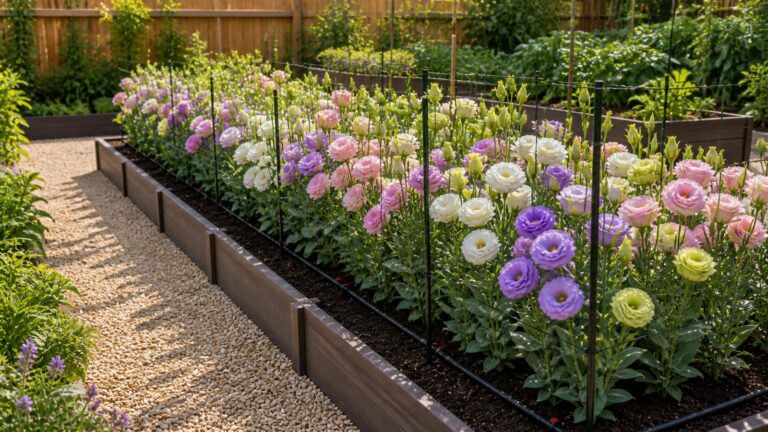
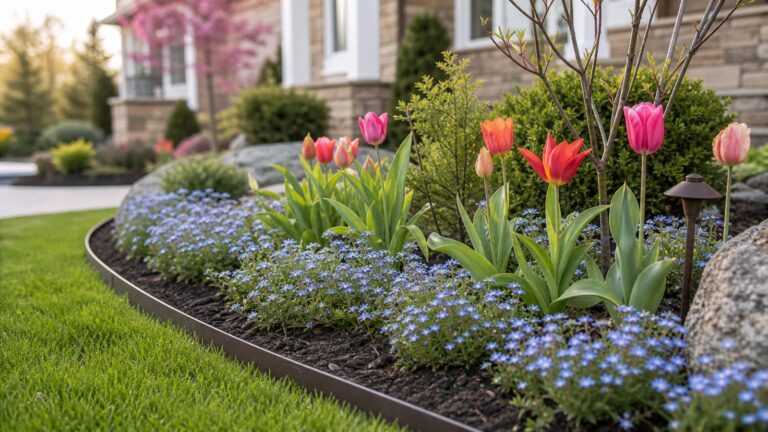
| Flowers and ornamentals | Tulips, impatiens, and many other flowers | Buds, flower heads, young stems, and shoots |
| Grasses, weeds, and legumes | Clover, dandelion, grasses, sedges, and broad-leaved weeds | Low, succulent foliage and new growth |
| Young woody plants | Fruit trees, shrubs, and ornamental trees | Twigs, buds, branches, and thin bark, especially in winter |
This is a list of vulnerable plant categories and recognizable examples, not a ranked menu. Local rabbit species, weather, nearby vegetation, and food availability all affect what gets eaten.
#1 Best Overall

- Size: Deer netting size 7 feet x 100 feet; garden netting mesh size 3/4"; color: black; Easy to use accessories included: 10pcs installation nails & 50pcs cable ties
- Strong & Reusable: Tough deer fence barrier netting is made from high quality polypropylene(PP), lightweight yet heavy duty, It won’t tear easily, rust or rot like metal or wood, doesn't tangle and reusable for longer protection; Can also used as bird netting, chicken netting, rabbit fence, pond & pool netting
- Safe & Economical: The 3/4 inch square mesh design of our deer fencing provides maximum protection for your garden plants, fruits, Arborvitae trees, berries and shrubs without harming birds and small animals or interfering with plant growth
- Easy to Install: Easy to use roll of anti bird deer protection netting, simply attach to stakes or posts(not included); Or you can cut it to any size you need with scissors to put it up around your vegetable garden or individual shrubs
- Enjoy Your Fruits: Don’t let birds, deer, dogs or other animals ruin your harvest and feast on your produce before you get a chance to; Ideal garden protective netting for tomatoes, strawberries, blueberries, fig, cherry etc. Keep your crop peck-free this summer
Vegetables and edible crops rabbits target
Vegetable gardens provide exactly the kind of food rabbits prefer: low-growing, easy-to-reach plants with soft leaves and succulent stems. Lettuce, kale, spinach, and other leafy greens are common targets. Rabbits may also browse cabbage-family crops, peas, beans, carrot tops, and tender seedlings of many other vegetables.
Newly planted crops are especially vulnerable. A rabbit can remove a small plant before it has established a root system, sometimes leaving only a short stem or a clipped row of seedlings. Even when a mature plant survives, repeated browsing can reduce its leaves, delay growth, and make harvests smaller.
Flowers and ornamental plants rabbits eat
Rabbits eat many flowers, particularly when the plants are young or the flower bed is easier to reach than other vegetation. Young tulip stems are identified by Penn State Extension as a favored meal. Impatiens are another reported target, and rabbits may clip flower heads, buds, or small stems.
Do not assume that an established ornamental plant is safe because rabbits have ignored it previously. A change in weather, mowing, nearby construction, snow cover, or competition from other animals can make a previously overlooked bed more attractive.
Grasses, weeds, clover, and dandelions
Rabbits do not depend only on cultivated plants. Cottontails commonly eat grasses, sedges, clovers, dandelions, and broad-leaved forbs. Missouri Extension lists plants such as asters, bluegrass, cheatgrass, cinquefoil, clovers, crabgrass, and dandelion among important rabbit foods.
Rank #2

- 1. Versatility: Suitable for a variety of pet and garden uses, serving as a protective fence for poultry, dogs, rabbits, chickens, and against snake barriers.
- 2. Appropriate Size: The roll design measures 15.7 inches by 32.8 feet, fitting areas of different sizes.
- 3. Sturdy: Made from a sturdy black plastic netting, it is weather-resistant and suitable for outdoor use.
- 4. Decorative: In addition to its practicality, the black mesh structure also serves a decorative purpose, enhancing the garden's appearance.
- 5. Easy to Install: Designed with user convenience in mind, it is easy to unfold and secure, without the need for complex tools.
That matters for garden protection because a yard with abundant weeds or unmown edges may still support rabbits that move into vegetable beds or flower borders. Removing cover and maintaining vegetation can reduce some habitat value, but it will not reliably keep rabbits away if the garden remains the easiest food source.
Why seedlings, buds, and new shoots are at greatest risk
Soft new growth contains more moisture and is easier to bite through than mature, woody tissue. Rabbits therefore often concentrate on:
- seedlings clipped close to the ground;
- recently transplanted vegetables and flowers;
- young shoots and tender stems;
- flower buds and small flower heads;
- low branches on young trees and shrubs; and
- new growth emerging after rain or spring warming.
Transplants can be particularly tempting because they may be well-watered and succulent. Colorado State University Extension cautions that newly transplanted plants are more likely to be eaten and that hungry animals may consume plants they would ordinarily avoid.
What rabbits eat in each season
Spring and summer
When green vegetation is abundant, rabbits generally feed on flowers, vegetables, grasses, weeds, clover, legumes, and other succulent plants. This is the season when seedlings, leafy greens, flower beds, and low herbaceous borders usually need the most immediate protection.
Fall and winter
As annual plants die back and snow or scarcity limits access to green food, rabbits shift toward twigs, buds, branches, and bark. Young fruit trees, shrubs, ornamental woody plants, and thin-barked trees can suffer damage even if the vegetable garden is empty.
Rank #3

- COMPLETE PROTECTION KIT - Professional-grade 7ft x 100ft deer netting with 3/4" fine mesh that effectively blocks deer, rabbits, birds, and small pests. Includes 10 metal landscape staples and 50 zip ties for immediate installation - everything you need in one package.
- HEAVY-DUTY UV-PROTECTED MATERIAL - Made from premium polyethylene with enhanced UV protection that withstands harsh weather without tearing or degrading. Designed for multi-season use while allowing sunlight, water, and air to reach your plants naturally.
- PROVEN GARDEN PROTECTION - 3/4-inch precision mesh provides reliable barrier against deer, birds, squirrels, and rabbits without harming animals. Protects fruits, vegetables, shrubs, and young trees while maintaining healthy plant growth.
- QUICK & EASY INSTALLATION - Cut to any size needed and secure with included stakes and zip ties. Perfect for covering individual plants, raised beds, or entire garden rows. Lightweight design makes setup simple for one person.
- FEED GARDEN QUALITY GUARANTEE - Trusted by thousands of gardeners nationwide. If you're not completely satisfied with the protection and durability of your deer netting, contact us for a prompt solution. Your garden's success is our priority.
Snow can increase the browsing height. Branches that were previously out of reach may become accessible when the ground is raised by snow. Protect young woody plants before winter conditions arrive rather than waiting until bark has already been stripped.
Crashes, No Sound, or Screen Glitches?
Random freezes, missing sound and display glitches usually trace back to one bad driver. Find and replace yours safely.Free scan · under a minuteWindows Errors? Fix Them Before They Spread
Repair common Windows errors and clear accumulated junk for a smoother, more stable PC - no reinstall needed.Free scan · no reinstallHow to tell rabbit damage from deer damage
Rabbit damage often has a distinctive appearance:
- Clean, angled cuts: small stems may look clipped at roughly a 45-degree angle.
- Low damage: seedlings and plants may be cut close to ground level.
- Missing buds or flower heads: rabbits can clip small stems, buds, and flower heads.
- Pea-sized droppings: small, round pellets near feeding areas support the diagnosis.
Deer more often leave torn or ragged edges because they do not have upper incisors. Damage can overlap, however, so inspect the height, cut pattern, tracks, droppings, and surrounding vegetation before choosing a control method. A barrier designed for rabbits may not stop deer, and a deer fence may be unnecessary for a small rabbit problem.
Are any garden plants rabbit-proof?
No plant should be treated as guaranteed rabbit-proof. Aromatic plants, prickly or spiny plants, tough-leaved plants, plants with milky sap, and some toxic plants may be less appealing. But hunger, local availability, and individual rabbit behavior can override those tendencies.
University of Minnesota Extension gives Russian sage, yarrow, nepeta, lavender, bleeding heart, peonies, and herbs as examples of plants that are generally less appealing to rabbits. Use these lists to reduce risk in a landscape—not to protect a valuable crop without a barrier. A newly planted or heavily watered specimen may still be browsed.
A practical strategy is to combine less-preferred ornamentals with physical protection around the plants that must survive. This is more reliable than replacing an entire garden based on a “rabbit-resistant” list.
What’s actually slowing this PC down?
Pick the symptom - the matching free tool is one click away.
Rank #4

- Heavy-Duty Plastic Chicken Wire Mesh: Our 0.1" thick garden fence animal barrier protects your pets, flower beds, vegetable patches and poultry. This durable and long-lasting bird netting resists chewing and tearing from cats, dogs or pests
- Indoor and Outdoor: Not just for gardens or enclosures, our HDPE plastic mesh netting works as a discreet cat netting for the balcony and as an under bed blocker for pets. It prevents them from slipping through railings or hiding in restricted home areas
- Tough in All Weather: This metal-free HDPE mesh screen holds up in the rain without tarnishing or becoming brittle. Our low-maintenance cat fence is UV-resistant for outdoor builds like a rabbit fence for the garden, or a sun exposed cat balcony netting
- Easily Customized Chicken Fence: Unlike stiff metal alternatives, our plastic mesh fence is easily cut and reshaped to your exact needs. Just measure, cut, and secure; our DIY beginner-friendly plastic fence roll is fitted with screw pegs or zip ties
- Versatile Protection: Our rust-proof plastic poultry netting fencing has 0.25" holes, small enough to protect chickens and rabbits and block mice and pests. Keep your pets, vegetable patches and plants safe with our plastic mesh sheet
The most reliable protection: a small-mesh barrier
For vegetable beds, flower borders, and valuable plants, physical exclusion is the strongest general recommendation. Missouri Extension recommends a fence approximately 18 to 24 inches high made with 1-inch wire mesh, with the bottom staked or buried several inches. Oregon State Extension similarly recommends a supported fence about 2 feet high with small openings and advises burying the lower section or creating an outward-facing underground apron to discourage digging underneath.
A rabbit garden fence should therefore meet four requirements:
- Small openings: use mesh that prevents rabbits from pushing through. About 1-inch openings are a commonly cited recommendation.
- Enough height: approximately 18 to 24 inches is suitable for many garden situations, though a taller barrier may be sensible where rabbits are numerous or snow is expected.
- A secured bottom edge: stake or bury the mesh several inches, or bend an underground apron outward so rabbits cannot simply dig beneath it.
- No gaps at gates and corners: a low opening under a gate can defeat an otherwise effective fence.
For a custom barrier around beds, 1-inch hardware cloth can be formed into panels, low-sided enclosures, or cylinders. Secure it firmly to stakes or a frame, and inspect the bottom edge after heavy rain, frost heaving, or maintenance work. The exact wire gauge and construction depend on the product and application; the critical principles are small openings, adequate support, and a protected ground-level edge.
Protecting trees and shrubs in winter
Use a cylinder of hardware cloth, a commercial tree guard, or a plastic tree wrap around young fruit trees, shrubs, and ornamental woody plants. The protection should surround the trunk or plant rather than press tightly against it, and it must extend high enough to account for normal reach plus snow accumulation.
Quick wins for a faster PC:
Clear out junk files and repair common Windows errorsFree Scan →Scan for outdated or missing drivers - takes under a minuteDriver Scan →A rabbit tree guard is most useful when installed before rabbits begin stripping bark. Check it periodically so growing trunks are not constricted, and make sure the guard is anchored against wind and cannot be lifted from the ground. For multi-stemmed shrubs, protect the vulnerable lower stems and branches rather than assuming a trunk wrap alone is sufficient.
Netting, row covers, and temporary protection
Flexible netting, poultry wire, and floating row covers can work for small beds or temporary protection. Row covers exclude rabbits while plants are establishing, but they require management:
- anchor the edges so rabbits cannot lift or push beneath them;
- allow for plant growth rather than letting the cover crush foliage;
- monitor heat, moisture, and ventilation;
- remove or open the cover when pollinators need access; and
- inspect for tears and gaps after wind or garden work.
Rabbit garden netting is convenient for a small area, but it is less suitable than a supported wire barrier where protection must remain in place for an entire season or where digging pressure is high.
Independent reader supportYour contribution helps us test, update, and keep practical guides available for everyone.Do rabbit repellents work?
Repellents may offer short-term or temporary protection, but results vary. Rabbits can become accustomed to unpleasant smells or tastes, and products may require repeated application after rain or irrigation. Many repellents are not suitable for crops intended for human consumption.
If you use a repellent, read the product label for the specific crop, ornamental plant, application interval, harvest restrictions, and weather limitations. Do not assume that a product safe around one type of plant is appropriate for edible greens. For a valuable vegetable bed or young tree, a properly installed barrier is generally the more dependable first choice.
Best Value

- UPGRADED REINFORCED AND ENCRYPTED EDGES WITH ROPES: Quick installation with tangle-free setup, securely fastening to the ground or posts for enhanced protection. The 5/8” square mesh effectively restricts animal movement, providing safety for your garden, poultry, and pets
- 55 gsm HIGH-STRENGTH HDPE WEAVE: It's 2-3 times the weight of regular net and offers excellent tear resistance, UV protection, and corrosion resistance, keeping out deer, dogs, and other animals. It creates a strong barrier
- VERSATILE USE: Not just for gardens! This fence can also serve as a temporary fence, snow fence, plant protector, animal barrier, or poultry fence. Perfect for deer fencing, pool barriers, or providing safety for kids and pets. An ideal solution for various outdoor needs
- EASY INSTALLATION AND STORAGE: Setting up this fence is quick and hassle-free. Each set includes 50 zip ties and 8 ground stakes for extra convenience. Simply secure it to posts, trees, or the ground. After use, it rolls up easily for compact storage, making it perfect for portability
- METAL FENCE ALTERNATIVE: Our black plastic fencing compares favorably to metal fencing that won't rust, costs less, and is easy to install. It's a must-have for homeowners, farmers and ranchers who want reliable plant and animal protection
A practical rabbit-protection plan
- Confirm the animal. Look for clean angled cuts, low clipping, pea-sized pellets, and the height of the damage.
- Protect the most vulnerable plants first. Prioritize seedlings, leafy greens, tulips, impatiens, young fruit trees, and recently transplanted plants.
- Choose the barrier for the problem. Use a low, small-mesh fence for beds; a cylinder or tree guard for woody plants; and anchored netting or a row cover for temporary protection.
- Close the bottom edge. Stake or bury the mesh several inches, or use an outward-facing underground apron.
- Inspect after weather and maintenance. Look for lifted edges, new gaps, damaged mesh, and snow that raises rabbits into the protected area.
- Use repellents only as a supplementary measure. Follow the label and observe all edible-crop restrictions.
Wild rabbits versus feeding a pet rabbit
The fact that wild rabbits browse a garden plant does not make that plant appropriate for a domesticated pet rabbit. Conversely, a vegetable that can be offered as an occasional pet-rabbit treat may still be worth protecting from wildlife in the garden.
ASPCA lists vegetables and leafy greens such as asparagus, bell pepper, Brussels sprouts, cucumber, green beans, zucchini, arugula, basil, cabbage, cilantro, kale, parsley, and romaine lettuce as possible treats for rabbits. Introduce new foods gradually, offer bite-sized portions, remove pits and seeds where applicable, and keep treats moderate. If a rabbit may have eaten a toxic plant, contact a veterinarian or an appropriate animal poison-control service rather than relying on a garden plant list.
Frequently Asked Questions
What garden plants do rabbits eat most often?
Rabbits commonly eat lettuce, kale, spinach, cabbage-family greens, peas, beans, carrot tops, tender seedlings, tulips, impatiens, clover, dandelions, grasses, and many other soft plants. They may also browse almost any available plant when food is scarce.
Do these 3 things before closing this tab:
1Fix the driver behind crashes, sound loss and screen glitches2Clear out junk files and repair common Windows errors3Scan for outdated or missing drivers - takes under a minuteAre there any plants rabbits will never eat?
No. Plants described as rabbit-resistant are generally less appealing, not immune. Russian sage, yarrow, nepeta, lavender, bleeding heart, peonies, and some herbs may reduce risk, but hunger and local conditions can override preference.
How high should a rabbit fence be?
Use a supported fence about 18–24 inches high with small mesh, commonly around 1-inch openings. Stake or bury the bottom several inches, or use an outward-facing underground apron to prevent rabbits from digging underneath.
How can I tell rabbit damage from deer damage?
Clean angled cuts on low stems, seedlings clipped near the ground, missing buds or flower heads, and pea-sized droppings are typical clues. Deer more often leave ragged or torn edges.
The Bottom Line
Rabbits most often browse tender greens, seedlings, flowers, clover, dandelions, grasses, and young shoots, then turn to twigs and bark when winter reduces green food. “Rabbit-resistant” plants only reduce the odds of damage. For reliable protection, install small-mesh fencing about 18–24 inches high and secure or bury the lower edge; use guards around young trees and shrubs.
Recommended Free Tools
Quick Recap
Product prices and availability are accurate as of the date/time indicated and are subject to change. Any price and availability information displayed on Amazon at the time of purchase will apply.