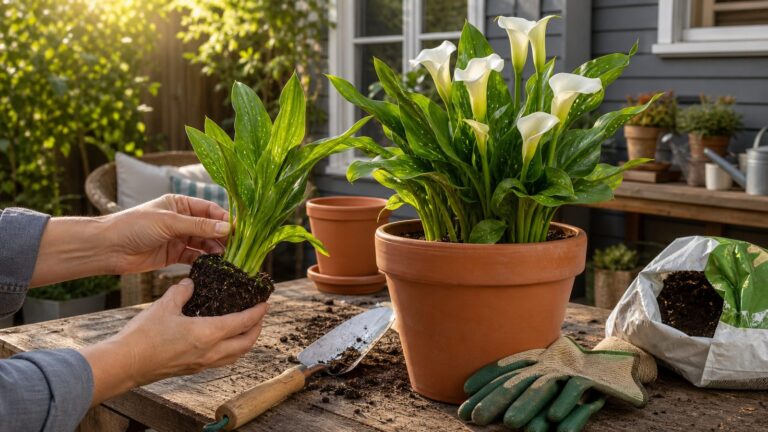
Pumpkin growth is easiest to manage when you treat it as a sequence of seven stages rather than one long growing season. The key checkpoints are warm soil at germination, strong seedlings, vigorous vines, distinct male and female flowers, successful pollination, a hardening and changing rind, and a properly cured harvest. Many varieties mature in roughly 90–120 days from planting, but conditions and cultivar make the timeline flexible.
Pumpkins move through seven practical stages: germination, seedling establishment, vine growth, flowering, pollination and fruit set, fruit enlargement and ripening, and harvest with curing. The timing is not identical for every variety. Many pumpkins mature in roughly 90–120 days from planting, but the fruit itself commonly needs about 45–55 days after flowering to reach harvest maturity. Cultivar, temperature, planting date, daylight, water, nutrition, and stress can all change the schedule. Utah State University Extension explains the variation in pumpkin maturity and harvest signs.
As an Amazon Associate I earn from qualifying purchases.
Use the stages below as a decision guide rather than a rigid calendar. A healthy plant should progress from warm-soil germination to vigorous leaves and vines, produce male and female flowers, set fruit after pollination, and then develop a hard, variety-appropriate rind before harvest.
Recommended Free Tools
Pumpkin growth timeline at a glance
| Stage | What you should see | Main priorities |
|---|---|---|
| 1. Germination | Seed absorbs water, sprouts, and pushes above the soil | Warm soil, drainage, even moisture, light after emergence |
| 2. Seedling establishment | Two cotyledons followed by the first true leaves | Bright light, frost protection, thinning, gentle hardening off |
| 3. Vegetative vine growth | Large leaves, a primary vine, and eventually secondary vines | Sun, space, deep consistent watering, weed control, healthy foliage |
| 4. Flowering | Male flowers appear, followed by female flowers with swollen ovaries | Protect pollinators and avoid unnecessary insecticide use during bloom |
| 5. Pollination and fruit set | A pollinated ovary begins enlarging at the base of a female flower | Encourage bees; hand-pollinate if necessary |
| 6. Enlargement and ripening | Fruit expands, changes to its mature color, and develops a hard rind | Steady moisture, healthy leaves, dry support beneath the fruit |
| 7. Harvest and curing | Vine declines and the fruit stem becomes hard and woody | Harvest before a hard freeze, leave a stem, cure and store correctly |
Stage 1: Seed germination
Pumpkin seeds germinate best in warm soil. Wait until the soil is approximately 65°F at a depth of 2 inches; cooler conditions can delay emergence or cause seeds to rot before they establish. University of Minnesota Extension recommends checking soil temperature before planting pumpkins and winter squash.
#1 Best Overall

- 8G PLANT-BASED PROTEIN, ON-THE-GO SUPERFOOD: A 14oz family size resealable pouch of organic sprouted pumpkin seeds (pepitas), seasoned with just sea salt. Light, crunchy, addictive. Non-GMO, gluten-free, nut-free. Keto, paleo, and vegan friendly.
- NUTRIENT-DENSE SNACKING: Plant-based energy with 8g of protein per serving. These sprouted seeds are an excellent source of zinc, magnesium, phosphorus, manganese, and copper—real nutrition you can see and say.
- SPROUTED SUPERFOOD: Go Raw sprouted seeds are soaked and dried—never roasted or fried—to unlock beneficial bioavailable nutrients, and making it easier for your body to absorb them. All with a great crunchy texture and flavor!
- SCHOOL SAFE & NUT FREE: Fuel your day with high-protein crunch that goes anywhere. Whether you're snacking straight from the bag, topping a salad, or blending into a smoothie, it's the perfect allergen-friendly pantry staple for kids and adults.
- SIMPLE INGREDIENTS: Just sprouted pumpkin seeds and sea salt—ingredients you can pronounce. Certified organic, non-GMO, gluten-free, kosher, and vegan. A great keto, paleo, or Whole30 snack.
You can sow outdoors after the danger of frost has passed, or start seeds indoors in warm conditions of about 65–70°F. Indoor sowing can provide a useful head start in a short-season or cool climate, but pumpkin roots dislike unnecessary disturbance, so use containers that allow careful transplanting. If you are choosing a variety for this first stage, compare the seed packet’s days-to-maturity estimate, mature vine habit, fruit size, and space requirements rather than assuming every pumpkin grows alike. An informational starting point is pumpkin seeds for planting; select a cultivar suited to your climate and available room.
- Use a warm, well-drained seed-starting medium or planting bed.
- Keep the medium evenly moist, not saturated.
- Provide strong light immediately after the seedlings emerge.
- Avoid repeatedly digging up or handling sprouted seeds and roots.
A soil thermometer can make the 65°F sowing decision more reliable than judging soil warmth by air temperature. Soil may remain too cold even after a warm afternoon, particularly in early spring.
Stage 2: Seedling establishment
The first structures visible above ground are usually the two seed leaves, or cotyledons. The next recognizable milestone is the first true leaf, which has the characteristic pumpkin leaf shape rather than the simpler form of the cotyledons. The Royal Horticultural Society describes the progression from cotyledons to the first true leaf.
Windows Errors? Fix Them Before They Spread
Repair common Windows errors and clear accumulated junk for a smoother, more stable PC - no reinstall needed.Free scan · no reinstallOutdated Drivers Are Slowing You Down
One free scan finds every outdated or missing driver and matches the right update for your exact hardware.Free scan · exact hardware matchAt this point the plant is vulnerable to frost, weak light, drying out, and transplant shock. Give seedlings bright light, steady moisture, and protection from cold. If they were started indoors, harden them off before planting out: expose them gradually to outdoor light and wind over several days, increasing the time outside as conditions allow. Move tender pumpkin plants outdoors only after frost risk has passed. RHS growing guidance covers indoor sowing, hardening off, and outdoor planting.
Direct-sown plants should be thinned when overcrowding is clear. Unless the seed packet or production system says otherwise, retain the strongest seedling at each planting site. Crowded seedlings compete for light and water and often become stretched, weak plants before the vines have room to develop.
Row cover can provide temporary frost protection for young plants, but it is not a substitute for checking the forecast. A garden row cover must be removed or vented as temperatures rise and should be managed carefully once flowers open so pollinating insects can reach them.
Stage 3: Vegetative vine growth
After establishment, the plant invests heavily in leaves, stems, and vines. The primary vine grows from the crown; secondary vines branch from it, and tertiary vines may develop from the secondary vines. This is the plant’s solar-collector stage: the leaves produce the carbohydrates that later support flowers, fruit enlargement, and ripening. University of Minnesota Extension outlines the primary, secondary, and tertiary vine structure.
Rank #2
- Naturally rich in plant-based protein, fiber, iron, magnesium, and healthy fats to support energy, muscle recovery, and overall wellness.
- Enjoy raw, roasted, or added to smoothies, salads, yogurt, granola, oatmeal, trail mix, or baked goods for a satisfying crunch.
- Carefully cleaned and packaged to preserve natural taste and texture. No shells, no additives, no preservatives.
- Packaged in a convenient, airtight bag to maintain quality and make pantry storage easy. Perfect for everyday snacking or bulk meal prep.
- Premium raw pumpkin seeds (pepitas) grown without synthetic pesticides or chemicals. Clean, simple ingredient you can trust.
What to provide during vine growth
- Full sun: Pumpkin plants need abundant light for productive foliage.
- Space: Follow the seed packet. Bush, compact, standard trailing, and giant types have dramatically different spacing needs. Standard varieties may need several feet between plants and rows, while a giant pumpkin can occupy hundreds of square feet.
- Water: Aim for at least 1 inch of water per week from rainfall or irrigation during the growing season, adjusting for heat, soil, and drainage. Water deeply and consistently rather than alternating between severe drying and flooding.
- Mulch: Apply mulch after the soil has warmed. It helps conserve moisture and suppress weeds, but keep it from pressing against the crown or creating a constantly wet surface.
- Foliage protection: Keep leaves as healthy as possible. Removing large amounts of foliage unnecessarily reduces the plant’s ability to feed its fruit.
Fertilize according to a soil test or the product label. Avoid pushing excessive nitrogen late in the season: too much nitrogen can produce leaves and vines at the expense of flowering, fruiting, and timely maturity. During fruit enlargement, nutrient management should support fruit production rather than simply maximizing green growth. UMN Extension discusses water and nitrogen management in vining vegetables.
Stage 4: Flowering—how to tell male and female flowers apart
Pumpkins are monoecious, which means one plant produces separate male and female flowers. Male flowers generally appear first on long, thin stems. Female flowers have a conspicuous swollen ovary directly beneath the flower; that ovary resembles a tiny pumpkin and can enlarge into fruit if pollination succeeds.
| Feature | Male flower | Female flower |
|---|---|---|
| Stem | Usually long and slender | Shorter-looking flower stem with a swollen ovary below |
| Base | No miniature fruit | Small pumpkin-shaped ovary |
| Function | Produces pollen | Receives pollen on the stigma |
| Timing | Often appears first and may greatly outnumber female flowers | May appear later as the plant becomes more established |
Individual pumpkin flowers are short-lived and often remain open for only one day. Early in the season, it is normal to see many male flowers and few female flowers. Heat, drought, poor nutrition, or other stress can also affect flowering. A brief period without fruit is therefore not automatically a sign that the plant has failed.
Bees and other pollinators are essential at this stage. Avoid insecticides while bees are actively visiting flowers, and address pest problems with the least pollinator-disruptive method available. In commercial production, pumpkins and gourds may require approximately seven to ten bee visits per flower for complete pollination, according to University of Georgia Extension.
Stage 5: Pollination and fruit set
Pollination is the bridge between a flower and a developing pumpkin. Bees transfer pollen from the anther of a male flower to the stigma of a female flower. When pollination is incomplete, the small ovary may stop enlarging, turn yellow, shrivel, and drop. A normally developing fruit continues to expand from the base of the female flower.
Rank #3

- EXCELLENT SOURCE OF PROTEIN AND IRON: Pumpkin seeds (also known as pepitas in Spanish) are just a small portion of a pumpkin’s make-up, but they’re big on flavor, and they’re an excellent source of protein and iron
- UNSALTED: Organic Raw Pumpkin Seeds are a tasty and crunchy treat, ideal for snacking or as a delicious addition to salads, homemade breads, snack mixes, and desserts
- VERSATILE SNACK: Mention pumpkins and most people think of jack-o-lanterns, lattes, and delicious pies. But there’s a lot more to this squash than its scrumptious flavor
- Serving Size: 1/4 cup (31g) / Servings Per Container: About 11
- Founded in 1968 by Elwood Richard, NOW is one of the largest independent, family- and employee-owned manufacturers of natural products
How to hand-pollinate a pumpkin flower
- Work in the morning while the flowers are open.
- Identify a fresh male flower and a female flower with a swollen ovary.
- Remove the male flower’s petals if that makes the pollen-bearing anther easier to reach.
- Use the male flower itself, a clean cotton swab, or a small brush to collect pollen.
- Gently cover the female flower’s stigma with pollen, touching all of its receptive surface.
- Do not crush the female flower or the young ovary. If you need one, a simple hand-pollination brush or cotton swabs is sufficient; this is an optional backup, not a requirement for a garden with active pollinators.
Hand-pollination is useful when bee activity is low, weather has limited insect movement, or you want to improve the odds for a particular fruit. It is not necessary to hand-pollinate every flower when healthy pollinators are already working the plant.
Fruit selection depends on your goal. Giant-pumpkin growers commonly select one promising fruit and remove later fruits so more resources reach that chosen pumpkin. For ordinary garden varieties, thinning is optional: leave multiple fruits if you want more pumpkins, or remove some if you want fewer, larger fruit and the plant has limited space. Do not treat one-fruit pruning as a universal rule.
Stage 6: Fruit enlargement and ripening
Once fruit sets, enlargement can be rapid. Maintain reliable soil moisture and protect the leaves that power growth. The fruit needs water and nutrients, but frequent overwatering can create poor root conditions and increase the risk of rot. Container-grown pumpkins or plants being pushed toward particularly large fruit may benefit from a high-potassium feed beginning when the fruit starts to swell, following the label directions. RHS guidance discusses high-potassium feeding and support for developing fruit.
Free tools Windows power users keep installed
One-click scans. No signup required.
Place the developing pumpkin on a dry barrier such as a tile, board, straw, or another stable support. This reduces prolonged contact with damp soil and improves airflow around the underside. Position the support carefully so you do not twist or tear the vine. Keep enough foliage around the plant to maintain photosynthesis; exposing the fruit does not justify stripping healthy leaves.
How to recognize a ripening pumpkin
Color alone is not enough. Mature pumpkins can be orange, white, green, red, brown, or another color determined by the cultivar. Check several signs together:
- The fruit has developed its variety-specific mature color.
- The rind is hard and a fingernail does not easily scratch or dent it.
- The vine begins to decline naturally.
- The stem nearest the fruit becomes hard and woody rather than soft and green.
- The fruit has reached the expected size and shape for its cultivar, although size by itself does not prove maturity.
Stage 7: Harvest and curing
Harvest pumpkins at full maturity whenever possible. Pumpkins and winter squash do not continue ripening substantially after they are picked, so an immature fruit may have weaker color, flavor, rind, and storage life. Harvest before a hard freeze. Some fruit may tolerate a light frost, but freezing temperatures can damage storage quality. UGA Extension provides harvest guidance for pumpkins and gourds.
Rank #4

- Micro Ingredients offers USDA Organic Pumpkin Seeds, sourced from freshly harvested whole pepitas that are raw, unsalted, and shelled to preserve their natural flavor and nutrients.
- Each 4-pound pouch provides a generous bulk supply, ideal for baking, smoothies, yogurt, oatmeal, and salad toppings. Adds a natural crunch to your favorite recipes and snacks.
- A low carb, sodium free superfood seed that is vegan, keto friendly, and plant based. Packed with 11g of protein per serving and a rich source of essential fatty acids and minerals like iron and magnesium.
- Enjoy our refreshing Green Salad preparation at home using the recipe included on the back of the label. These versatile seeds are perfect for everyday kitchen pantry use or convenient on-the-go snacking.
- Premium non-GMO pumpkin source. Made without soy, dairy, gluten, and tree nuts. Ingredients must pass a 3rd party lab test to ensure our product is safe, pure, and potent.
Harvest checklist
- Choose a dry day if possible.
- Use clean, sharp bypass pruning shears or a sharp knife.
- Cut the stem several inches above the fruit.
- Never carry a pumpkin by its stem; a detached stem creates an entry point for decay.
- Handle the fruit gently and avoid cuts, bruises, and punctures.
Cure mature pumpkins in a warm, dry, well-ventilated location. About one week to ten days of curing in sunlight helps harden the skin and improve storage durability. Then move fully ripened pumpkins to a ventilated, frost-free storage area. Discard or use first any fruit with soft spots, cracks, or wounds because damage reduces storage life. The RHS recommends approximately one to ten days of curing followed by frost-free, ventilated storage.
Stage-based troubleshooting
Seeds fail to germinate
Likely causes: cold soil, excess moisture, poor seed quality, or planting too deeply. Confirm that the soil is near 65°F at 2 inches, improve drainage, keep the medium moist rather than waterlogged, and check the packet’s planting depth. If an indoor container is saturated, correct the drainage before sowing again.
Seedlings are tall, weak, or pale
This usually points to insufficient light, crowding, or inconsistent moisture. Provide stronger light immediately after emergence, thin to the strongest plant at each site, and avoid keeping the medium either bone-dry or constantly saturated. Harden indoor seedlings gradually before transplanting rather than moving them directly from sheltered conditions into full wind and sun.
Vines look healthy but there are few fruits
The plant may simply be early in its flowering sequence: male flowers often appear first. Other possibilities include poor pollination, too few pollinators, heat or drought stress, or excessive nitrogen. Check for female flowers with swollen ovaries, keep moisture consistent, protect bees, and avoid applying insecticides during active bloom. Illinois Extension notes that early male flowers and pollination conditions can explain a temporary lack of fruit.
Small fruits turn yellow and drop
Failed or incomplete pollination is a common explanation, although environmental stress and pests can also contribute. Observe whether bees are visiting, avoid spraying flowers, and hand-pollinate an open female flower in the morning if pollinator activity is poor. A single dropped fruit does not necessarily indicate a problem with the entire plant.
Best Value

- 8 ounce bag of organic pumpkin seeds
- Unroasted and unsalted for pure flavor
- Perfect for snacking and baking
- Certified organic and non-GMO
- Excellent source of minerals
Fruit rots where it touches the ground
Move the fruit onto a dry tile, board, straw, or similar support and maintain airflow around the plant. Do this carefully to avoid damaging the vine. Reduce prolonged wetness without allowing the plant to experience severe drought, since both excess moisture and stress can weaken growth.
A practical care checklist by stage
- Before sowing: Check the seed packet, measure soil temperature at 2 inches, confirm frost timing, and prepare enough space for the selected vine type.
- At emergence: Provide strong light, even moisture, and drainage; protect from frost.
- At first true leaves: Thin crowded plants and harden off indoor starts gradually.
- During vine growth: Maintain full sun, deep regular watering, warmed-soil mulch, weed control, and healthy foliage.
- At flowering: Identify male and female flowers, protect bees, and do not panic if male flowers appear first.
- At fruit set: Watch young ovaries for continued enlargement; hand-pollinate only when useful.
- During enlargement: Keep water consistent, avoid excessive late nitrogen, and support fruit on a dry barrier.
- At ripeness: Confirm mature color, a hard rind, a declining vine, and a woody stem.
- At harvest: Cut rather than pull, leave several inches of stem, cure in warm dry conditions, and store frost-free.
For readers planning a complete crop-care setup, pumpkin-growing supplies can include seeds, a soil thermometer, mulch, temporary frost protection, a pollination brush, fruit supports, and clean harvest tools. Match each purchase to an actual stage-related task rather than buying equipment the variety and growing conditions do not require.
Frequently Asked Questions
How long does it take a pumpkin to grow from seed to harvest?
Pumpkins commonly mature in about 90–120 days from planting, but the exact period depends on the cultivar and growing conditions. After a female flower is successfully pollinated, the fruit often needs about 45–55 days to reach harvest maturity. Use the seed packet and the fruit’s maturity signs rather than relying on one universal number.
Why does my pumpkin plant have flowers but no pumpkins?
Yes. Male flowers often appear before female flowers, and early male flowers may greatly outnumber female flowers. A temporary lack of pumpkins is normal unless it continues after female flowers appear or is accompanied by stress symptoms.
The Tool Desk
Outbyte Driver Updater FREEFix the driver behind crashes, sound loss and screen glitchesFind Drivers →Outbyte PC Repair FREERepair Windows errors before they cause bigger problemsFix Now →How can I tell when a pumpkin is ready to harvest?
A mature pumpkin usually has its cultivar-specific mature color, a hard rind that is not easily scratched with a fingernail, a naturally declining vine, and a hard, woody stem near the fruit. Color varies by variety, so not every mature pumpkin is orange.
When and how should I hand-pollinate pumpkins?
Hand-pollinate in the morning while the flowers are open. Transfer pollen from a male flower to the stigma of a female flower using the male flower itself, a cotton swab, or a small brush. This is most useful when bee activity is low.
How do I stop pumpkins from rotting on the ground?
Place the fruit on a dry tile, board, straw, or similar support to reduce damp-soil contact and improve airflow. Handle the vine carefully when positioning the support, and continue watering consistently without creating waterlogged conditions.
The Bottom Line
The most reliable way to grow pumpkins is to respond to the plant’s current stage: warm the soil for germination, protect and strengthen seedlings, give vines room and steady water, support pollination, keep developing fruit dry, and harvest only when the cultivar-specific maturity signs are present. The calendar is useful, but the plant’s flowers, rind, stem, and vine provide the better final evidence.
Do these 3 things before closing this tab:
1Fix the driver behind crashes, sound loss and screen glitches2Repair Windows errors before they cause bigger problems3Scan for outdated or missing drivers - takes under a minuteQuick Recap
Product prices and availability are accurate as of the date/time indicated and are subject to change. Any price and availability information displayed on Amazon at the time of purchase will apply.