The Tool Desk
Outbyte Driver Updater FREEScan for outdated or missing drivers - takes under a minuteDriver Scan →Outbyte PC Repair FREEClear out junk files and repair common Windows errorsFree Scan →Some links on this page are affiliate links: if you buy through them we may earn a commission, at no extra cost to you.
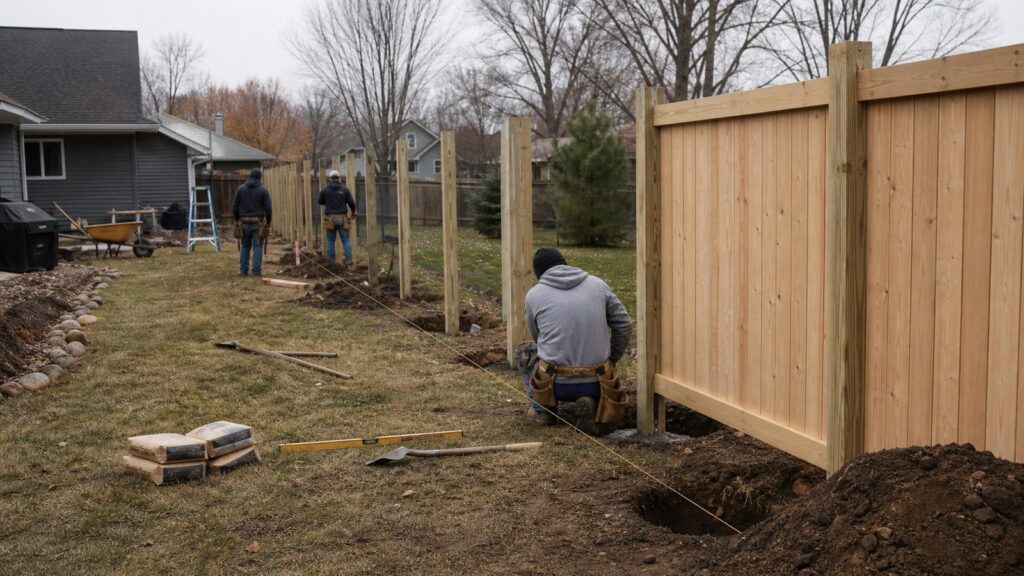
For many homeowners, the best time to install a fence is not spring. It is fall or winter, before the rush starts, before the lawn and planting beds are active again, and before you need the fence for pets, children, privacy, pool safety, or backyard entertaining.
Spring and summer are popular for fence projects, but popularity creates pressure. Contractor calendars fill up. Material choices can narrow. Permits and HOA reviews may take longer. Crews are working around active landscaping, irrigation repairs, muddy lawn traffic, and families trying to use the yard at the same time construction is happening.
As an Amazon Associate I earn from qualifying purchases.
Fall and winter can solve many of those problems. On our job sites, the off-season often gives us a cleaner planning window, better access to the fence line, and a more honest look at privacy after leaves drop. A well-timed fall or winter installation means your yard is ready on the first warm weekend instead of becoming a construction zone during prime outdoor season.
There is one caveat: winter is not automatically best in every climate or every week. Frozen ground, snow cover, saturated soil, frost-depth requirements, and cold-weather concrete protection all matter. The real question is not simply whether fences can be installed in winter. The question is whether the contractor can dig, set posts, brace the structure, and protect footings correctly under current site conditions.
Popular on Amazon

- This level has a magnetic strip and a rubber strap for convenient hands-free installation of posts, railings, pipes, and more
- Allows you to plumb and level posts, poles, pipes, railings and more
- Molded frame is durable in all conditions
- Durable molded frame
1. You Avoid the Spring Fence Rush
Fence work is seasonal. In many U.S. markets, spring and early summer are the busiest months because homeowners start thinking about pets, pools, patios, landscaping, and outdoor entertaining at the same time. By then, everyone wants estimates, permits, materials, and install dates immediately.
Fall and winter usually create more breathing room. That can mean faster site visits, more flexible install dates, and more time to make decisions without being pushed into whatever material or crew slot is available.
Recommended Free Tools
This matters because fence installation is not just a few posts and panels. A proper residential fence project can involve a property-line review, utility marking, permit checks, HOA approval, material ordering, gate layout, demolition of an old fence, grading concerns, and post setting. If you wait until April to start all of that, the fence may not be done until May, June, or later depending on demand and weather.
Starting in October, November, December, or January often changes the entire project rhythm. You can walk the property, confirm the layout, choose the right material, and let the contractor schedule the work during a less compressed part of the year.
Typical Planning Timeline
For a straightforward residential fence, a practical timeline often looks like this:
- Initial consultation and measurements: 1 to 7 days, depending on contractor availability.
- Estimate and material selection: 2 to 10 days, especially if you are comparing wood, vinyl, aluminum, or chain link.
- HOA review: often 1 to 4 weeks where applicable.
- Permit review: a few days to several weeks, depending on the city and project type.
- 811 utility locate: contact 811 or your state 811 center a few business days before digging.
- Installation: commonly 1 to 4 days for many residential yards, with larger or more complex projects taking longer.
That timeline is much easier to manage before peak season than during it.
2. Your Yard Is Ready When Spring Starts
The biggest homeowner payoff is simple: install the fence in fall or winter, and your yard is usable on day one of spring.
If you have dogs, young children, a pool, a garden, or a patio project planned, this is a major advantage. A fence installed in January or February is already doing its job when the weather turns. You are not waiting on post holes, concrete, gates, inspections, or crew access while the lawn is greening up and everyone wants to be outside.
That matters even more if the fence is part of a larger outdoor plan. Fence first, then landscaping. Fence first, then sod. Fence first, then the pool inspection. Fence first, then the new patio furniture. The order reduces rework and keeps crews from damaging fresh plantings or finished hardscape.
On our job sites, we prefer to think several steps ahead. If a homeowner plans to add raised beds, a play area, a pool enclosure, or a patio expansion, the fence layout should be confirmed before those improvements go in. Gates need to land where people will actually walk. Panels need to clear drainage paths. Posts should not conflict with future irrigation, lighting, or retaining wall work.
Do these 3 things before closing this tab:
1Clear out junk files and repair common Windows errors2Fix the driver behind crashes, sound loss and screen glitches3Repair Windows errors before they cause bigger problemsSpring fence installation can still be done well, but it often competes with everything else happening in the yard. Fall and winter let the fence become the framework for the next season instead of an interruption to it.
Also popular on Amazon

- Hands-Free Strip Magnets: Strip magnets lock the level onto steel posts and pull flat to the surface.
- Plumb + Level, Two Axes at Once: Wraps a post, pipe, or pole. Reads plumb on two perpendicular axes simultaneously so the buyer sets one tool instead of two.
- Elastic Strap for Non-Steel Surfaces: Elastic strap holds the level on wood, vinyl, or composite posts where the magnets have nothing to pull against.
- Two-Axis Plumb Read: Both plumb vials read at the same time. Set the face of the post and the side of the post in one wrap; rotate the level to check the third axis.
3. Dormant Landscaping Makes Installation Cleaner
Fence crews need room to work. They need access for materials, post-hole equipment, demolition debris, concrete, and gate hardware. In spring and summer, that work may run through active turf, full planting beds, new mulch, garden structures, outdoor furniture, and irrigation zones.
Fall and winter are usually cleaner. Turf is dormant or less active. Perennials are cut back. Leaves have dropped. Vegetable gardens are finished. Shrubs can be pruned with less stress. That gives crews a clearer path and reduces the chance of damaging plants that are in peak growth.
A typical residential fence line needs more working room than many homeowners expect. Even if the fence itself sits on a narrow line, crews may need 2 to 4 feet of access along the run for digging, setting posts, aligning panels, and moving materials. Wider access may be needed for slopes, large gates, demolition, or machine augers.
Windows Errors? Fix Them Before They Spread
Repair common Windows errors and clear accumulated junk for a smoother, more stable PC - no reinstall needed.Free scan · no reinstallOutdated Drivers Are Slowing You Down
One free scan finds every outdated or missing driver and matches the right update for your exact hardware.Free scan · exact hardware matchFall and winter also help with visibility. It is easier to see old posts, grade changes, low spots, roots, drainage swales, and tight corners when the landscape is not fully grown in. That can prevent layout surprises once work starts.
Less Damage Does Not Mean No Protection
Off-season installation still needs job-site care. Wet winter soil can rut under repeated foot traffic. Freeze-thaw cycles can soften the top layer of soil. Snow can hide edging, drains, small plantings, and irrigation heads.
A good contractor should plan access before unloading materials. That may mean using plywood paths, limiting machine traffic, staging panels on hard surfaces, protecting downspouts and drains, and keeping gates or temporary openings secure if an old fence is removed before the new one is complete.
4. Leaf Drop Shows the Real Privacy Problem
Fall is one of the best times to design a privacy fence because the yard tells the truth. Once leaves drop, you can see sightlines that were hidden in summer: a neighbor’s second-story window, a sidewalk view into the patio, headlights from the street, or a gap between shrubs that looked private in July but disappears in November.
This can save money and improve the finished design. Instead of building a full-height privacy fence everywhere, you may only need taller sections in specific locations. A 6-foot privacy panel along the patio side may matter more than a 6-foot fence around the entire rear yard. In other areas, a 4-foot picket, aluminum, or chain-link fence may provide containment without blocking light or views.
That kind of targeted planning is hard to do when trees and shrubs are full. Leaf drop makes the actual exposure visible.
It also helps with neighbor conversations. If the concern is privacy, drainage, shared access, or an old fence on or near the property line, fall gives everyone a clearer view of the condition. You can discuss layout before spring projects pile up.
Design Around Sightlines, Not Guesswork
During a site walk, we look at privacy from the places the homeowner actually uses: the kitchen window, patio table, hot tub, pool deck, children’s play area, grill station, and main bedroom windows. Then we map the fence height and style to those views.
Also popular on Amazon

- Strip magnets and rubber strap for hands-free work
- Constructed of high impact composite material
- Reflective backing increases vial visibility
- This tool is used to level and plumb posts, flagpoles, water pipes, railings and decks
- Recommended for heavy duty use
Common residential height limits often cluster around 4 feet in front yards and 6 feet in rear or side yards, but local rules vary sharply. Some cities require zoning permits above certain heights. Some neighborhoods restrict materials, colors, picket spacing, and which side of the fence must face outward. That is why privacy planning should happen with code and HOA rules in mind, not after materials are ordered.
5. Permits, HOA Review, and Utility Locates Are Easier to Manage Early
A fence can feel like a simple home improvement project, but the paperwork can be the part that slows it down. Fall and winter give you more time to handle it correctly.
Before digging fence posts, homeowners should contact 811 or the state 811 center a few business days before work begins. Fence posts are exactly the kind of digging that can hit shallow utilities, irrigation lines, cable, gas, electric, or communications lines. A small post hole can still create a serious problem if it lands in the wrong place.
Permits depend on location. Some cities allow many residential fences without a building permit if they meet height and location rules. Others require zoning approval, especially for taller fences, corner lots, front yards, retaining walls, pool barriers, or commercial properties. Denver, for example, generally limits many nonindustrial front-yard fences to 4 feet and backyard fences to 6 feet, with zoning permits required for fences over 4 feet. Other cities use different thresholds.
Quick wins for a faster PC:
Scan for outdated or missing drivers - takes under a minuteDriver Scan →Clear out junk files and repair common Windows errorsFree Scan →Fix the driver behind crashes, sound loss and screen glitchesFind Drivers →Pool fences need special attention. The 2024 International Swimming Pool and Spa Code requires residential pool barriers to be at least 48 inches high, with rules for gates and openings. Local amendments can be stricter, so pool fencing should always be checked against the local code before construction.
Do Not Build From an Assumed Property Line
One of the most expensive fence mistakes is building in the wrong place. Old fence lines, mowing edges, sidewalks, tree rows, and informal neighbor agreements are not the same as a verified property line.
If property pins are visible and reliable, they can guide layout. If they are missing, disputed, or unclear, a survey may be needed. That cost is separate from fence installation, but it can prevent a much larger expense later. Moving a completed fence is far more painful than confirming the line before posts are set.
6. Off-Season Pricing Can Be Better, But Conditions Still Matter
Fall and winter can sometimes bring more competitive pricing because demand is lower. The stronger reason to schedule off-season, though, is planning certainty. Better availability, fewer rushed decisions, and more time for approvals can be worth as much as a modest discount.
Installed fence costs vary widely in 2026. Many national ranges cluster around $15 to $60 per linear foot depending on material, height, terrain, labor market, gates, old fence removal, and site conditions. Some consumer cost guides put professional fence installation around $15 to $25 per linear foot on average, with many homeowners spending roughly $2,000 to $5,000. Contractor pricing for standard residential yards often lands higher, commonly around $1,800 to $6,500 or more, with many backyard projects reaching $3,500 to $9,000-plus depending on scope.
The material is usually the biggest cost driver. Gates, slopes, frost-depth requirements, post size, demolition, and access can change the number quickly.
| Fence Type | Common 2026 Installed Cost Range | Best Fit | Off-Season Notes |
|---|---|---|---|
| Chain link | $10-$40 per linear foot | Pet containment, budget fencing, utility areas | Often efficient to install, but privacy slats and coatings add cost. |
| Wood privacy | $10-$45+ per linear foot | Privacy, traditional yards, custom layouts | Lumber grade, post size, staining, and wet soil conditions affect performance. |
| Vinyl | $15-$40 per linear foot in some markets; $36-$65 for higher-end privacy configurations | Low-maintenance privacy and clean residential design | Cold temperatures can affect handling, so crews should follow manufacturer guidance. |
| Aluminum or ornamental metal | Often mid-to-high range depending on height and style | Pools, front yards, decorative boundaries | Good for open sightlines; pool-code compliance must be verified. |
Be careful with the idea that winter is always cheaper. Frozen excavation, snow clearing, muddy access, temporary bracing, heaters, curing blankets, or weather delays can offset off-season savings. A responsible contractor will price the actual site and conditions, not sell a generic winter discount.
Also popular on Amazon
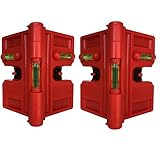
- For simultaneously determining the horizontal and vertical plane for posts, pipes, flag poles, railings.
- Foldable Design, Save time by quickly aligning ceiling joists for rafters.
- Includes three spirit level vials providing incomparable accuracy.
- With 4 magnetic strip and a elastic band for convenient hands-free install.
- Made of PVC for impact resistance. Package Includes: 2 Pack Foldable Post Level
7. Cold-Weather Installation Can Be Done Right With the Proper Plan
Cold weather does not automatically stop fence installation, but it changes the work. The soil, footing depth, post material, concrete mix, curing conditions, and short daylight window all matter.
What’s actually slowing this PC down?
Pick the symptom - the matching free tool is one click away.
For concrete, cold-weather planning is serious. ACI cold-weather guidance defines cold weather as periods when air temperature falls or is expected to fall below 40 degrees Fahrenheit during the protection period. Small concrete sections, such as fence post footings, can lose heat quickly. That means the crew may need to adjust timing, use appropriate mix practices, protect the concrete, and avoid placing concrete into frozen ground or against ice.
Post depth is another major issue. In frost climates, posts generally need to be set below the local frost depth or otherwise designed to resist frost movement. Frost depth is not the same in Minnesota, Tennessee, Colorado, Pennsylvania, or Texas. Local code, soil conditions, and fence height should drive the detail.
Gate posts deserve extra attention. Gates concentrate load and movement at the hinge and latch posts. A 4-foot walk gate is one thing. A 10-foot double drive gate is another. In freeze-thaw climates, undersized gate posts, poor drainage, shallow holes, or weak hardware can lead to sagging, latch misalignment, and seasonal movement.
Winter Readiness Checklist
Before approving a fall or winter fence installation, run through this checklist with your contractor:
Free tools Windows power users keep installed
One-click scans. No signup required.
- 811 ticket: Utility marking is scheduled a few business days before digging.
- Property line: Pins are found or a survey is ordered if the line is unclear.
- Permits: Local fence height, setback, corner visibility, and pool-barrier rules are checked.
- HOA approval: Drawings, material, height, color, and finished-side requirements are submitted early.
- Frost depth: Post depth is matched to local conditions and fence loads.
- Concrete plan: The contractor has a cold-weather placement and protection plan when temperatures approach or fall below 40 degrees Fahrenheit.
- Drainage: Low spots, downspouts, swales, and wet soil areas are handled before posts are set.
- Gate clearance: Gate swing, latch height, snow clearance, slope, and seasonal ground movement are considered.
- Material staging: Crews have a clear access path that avoids unnecessary lawn and landscape damage.
When Fall or Winter Is Not the Best Choice
Off-season fence installation is often smart, but there are times to wait. If the ground is deeply frozen, covered by heavy snow, or saturated after repeated freeze-thaw cycles, digging accurate post holes may be inefficient or unwise. If the site has unresolved drainage problems, it may be better to correct water movement before installing a permanent fence.
Some materials also need careful handling in cold temperatures. Vinyl components can be less forgiving in very cold weather. Wood can arrive with higher moisture content and should be selected and installed with movement in mind. Concrete needs protection. Hardware should be appropriate for the exposure.
Winter also compresses the workday. Short daylight, storms, and icy access can stretch a project that would take two days in mild weather into three or four scheduled visits. That is not a failure; it is part of building correctly in the season.
The right contractor will tell you when to proceed and when to wait for a better weather window. Pushing through bad conditions just to hit a date can create crooked lines, weak posts, poor curing, and gate problems that show up later.
Recommended Free Tools
When to DIY and When to Hire a Professional
A small fence repair or a short straight run can be a reasonable DIY project for a skilled homeowner with the right tools. A simple chain-link repair, a few replacement pickets, or a small garden enclosure may not require a full crew.
Full fence installation is different. Once you add long runs, privacy panels, slopes, corners, gates, frost-depth requirements, concrete, permits, HOA rules, and utility locates, the risk goes up quickly.
Also popular on Amazon

- Set of 4 Magnetic Post Levels: each package includes 4 Magnetic post levels for pipes; The post level utilized for simultaneous determination of the horizontal and vertical planes, fast alignment to save time; This set equips you with extra levels for multiple projects or replacements when necessary
- Magnetic Edge for Secure Positioning: the post leveler tool comes with 4 powerful magnets which allows for secure positioning on metal surfaces; This helps in preventing the level from falling from high places while working, enhancing safety and precision
- Precision Measurement with 3 Vials: the post and pipe level features 3 vials, providing high precision in measurements; It is an ideal tool for leveling posts, poles, pipes, railings, flagpoles, and decks, offering comprehensive utilities for your versatile needs
- Extensive Uses: our magnetic post level is designed for decorative, home, and related alignment work, making it suitable for carpentry and personal woodworking; Plus, it allows you to erect straight posts for decks with ease
- Adjustable Elastic Band Design: the pipe level has 4 magnetic strips and an rubber band with an adjustable elastic design that fits most poles of different thicknesses; This makes it convenient for simple installation of posts, railings, pipes, and more
DIY may make sense when the project is under 50 linear feet, the property line is obvious and undisputed, the soil is easy to dig, no pool barrier is involved, the fence is low and lightweight, and the homeowner is comfortable setting posts accurately. Even then, 811 should be contacted before digging.
Hiring a pro is the better call when the fence is 100 linear feet or more, includes multiple gates, sits near a property line dispute, requires a permit, involves a pool, crosses slopes or drainage areas, replaces an old fence, or needs to perform through freeze-thaw conditions. Professional installation is also worth it when a failed post or sagging gate would create safety, security, or access problems.
The Tool Desk
Outbyte PC Repair FREERepair Windows errors before they cause bigger problemsFix Now →Outbyte Driver Updater FREEScan for outdated or missing drivers - takes under a minuteDriver Scan →On our job sites, the most valuable work often happens before the first hole is dug: confirming the layout, checking constraints, planning gate locations, choosing post sizes, and matching the installation method to the soil and season. That planning is what keeps a fence straight, secure, and useful years later.
The Bottom Line
Fall and winter are often the best seasons to install a fence because they give homeowners better scheduling, clearer privacy planning, less conflict with active landscaping, and a finished yard before spring arrives. They also create time for permits, HOA approval, utility marking, and material decisions without the pressure of peak-season demand.
The season alone does not guarantee a better fence. The details do. Posts must be set to the right depth. Concrete must be handled correctly in cold weather. Gates need proper structure and clearance. Utility lines must be marked. Property lines and local rules must be checked before work starts.
If those details are handled well, a fall or winter fence installation can be one of the smartest outdoor improvements you make. Instead of spending spring waiting on estimates and watching crews work through your lawn, you start the season with privacy, security, pet containment, and a yard that is ready to use.
Frequently Asked Questions
Is winter a good time to install a fence?
Yes, winter can be a good time to install a fence if the ground can be dug properly, the site is accessible, and concrete or post-setting methods are adjusted for cold weather. Frozen ground, snow, saturated soil, and temperatures below 40 degrees Fahrenheit can require special planning or delays.
Is fall better than spring for fence installation?
Often, yes. Fall usually has lighter contractor schedules, clearer property and privacy sightlines after leaf drop, and less conflict with active landscaping. It also gives you a completed fence before spring outdoor use begins.
How much does fence installation cost in 2026?
Most installed residential fence costs commonly fall around $15 to $60 per linear foot, depending on material, height, gates, terrain, removal, access, and local labor rates. Many standard backyard projects land between about $3,500 and $9,000-plus.
Can fence posts be set in concrete during cold weather?
Yes, but cold-weather concrete must be planned. ACI guidance treats cold weather as periods when air temperature falls or is expected to fall below 40 degrees Fahrenheit during the protection period. Concrete should not be placed against frozen ground or ice, and small post footings may need protection while curing.
Do I need to call 811 before installing a fence?
Yes. Homeowners should contact 811 or their state 811 center a few business days before digging fence post holes. Fence installation can hit shallow utilities, including gas, electric, cable, communications, and irrigation lines.
What type of fence is best for winter installation?
The best fence depends on the site and purpose. Chain link is usually budget-friendly and efficient, wood privacy fencing is flexible and customizable, vinyl is low-maintenance but needs proper cold-weather handling, and aluminum is common for decorative or pool-code applications.
Quick Recap
Product prices and availability are accurate as of the date/time indicated and are subject to change. Any price and availability information displayed on Amazon at the time of purchase will apply.

