Do these 3 things before closing this tab:
1Fix the driver behind crashes, sound loss and screen glitches2Clear out junk files and repair common Windows errors3Scan for outdated or missing drivers - takes under a minuteSome links on this page are affiliate links: if you buy through them we may earn a commission, at no extra cost to you.
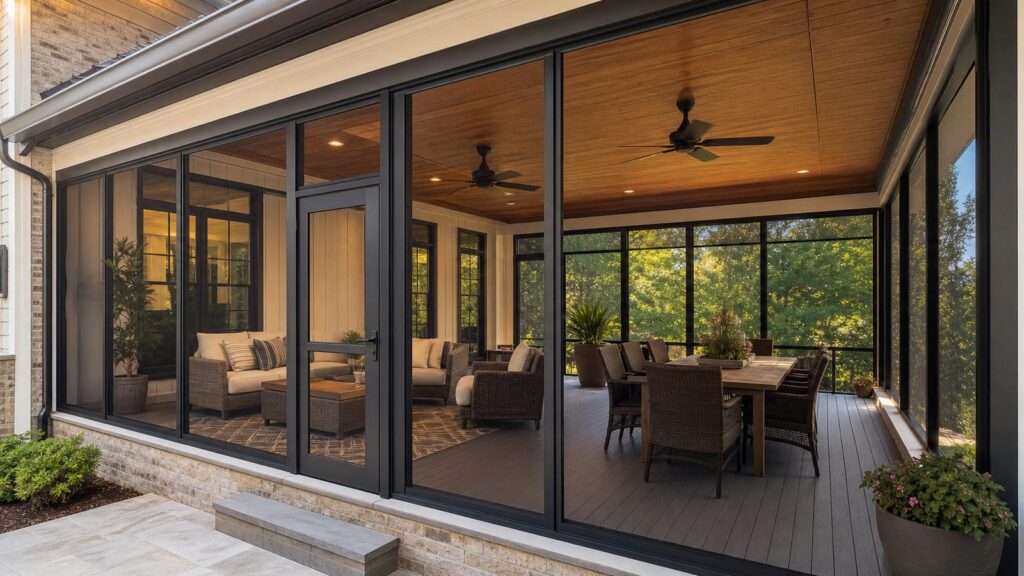
An enclosed porch can be the most-used room in the house, but only if it is designed for the way you actually live. Before choosing wicker furniture, painted ceilings, or glass walls, decide what kind of space you are building: a screened porch, a three-season room, or a four-season sunroom. That choice affects comfort, permits, structure, cost, and long-term maintenance.
In 2026, national cost data shows a wide spread. Screening an existing covered porch may run a few thousand dollars. A new enclosed porch or sunroom can reach $50,000 or more, especially when it needs foundation work, a new roof, windows, insulation, electrical, HVAC, and code-compliant structural upgrades. On our job sites, the most successful projects start with the unglamorous questions first: Is the existing deck strong enough? Where does water drain? How hot will the west wall get in August? Can the porch handle wind-driven rain, insects, pollen, and seasonal temperature swings?
As an Amazon Associate I earn from qualifying purchases.
What’s actually slowing this PC down?
Pick the symptom - the matching free tool is one click away.
Use these 30 enclosed porch ideas as a practical planning guide, not just a style list. Each idea includes where it works best and what to watch before you build.
Start With the Right Type of Enclosed Porch
The terms get used interchangeably online, but they are not the same thing in construction.
Popular on Amazon
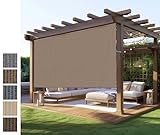
- Sun Blocking & Cooling Comfort: The outdoor roller shade for patio block up 95% harsh sunlight/UV rays enough while eliminate glare and excessive heat, keeping the area cooler and also protect the people, furniture, plants and pets from the sunburn/high temperature damage.
- Outdoor Privacy Protection: Patio shades roll up outdoor blinds with breathable fabric promote natural airflow and let some light and vision in and offers much-needed shade and privacy in a stylish and functional way, providing a comfortable environment on hot or sunny days, better to enjoy outdoor living space.
- Durable&Sturdy-Constructed: Outdoor shades patio blinds use 220 GSM 100% recyclable HDPE with knitted lock-stitch construction, harmless materials providing premium durability and security; bottom roller rod & gear bearings are made of aluminum alloy, resistant to fading/staining, enduring sun,moisture for waterproof and rust-proof in outdoor weather conditions.
- Safe Cordless Design: Exterior cordless outdoor shade roller up blinds rolling up or down easily and smoothly by hand wand operated mechanism is convenient and safe, eliminating the safety hazards from cords in windy/rainy conditions, especially for families with children or pets.
- Great Addition to Indoors/Outdoors: The sun shades outdoor patio blinds are versatile and ideal for various outdoor spaces, including porch, patio, gazebo, pergola, backyard, balcony, garden, veranda, pool deck or carports, windows and any other indoor or outdoor space.
A screened porch keeps insects out but is still outdoor space. It has a roof and screen walls, but no full thermal envelope. It needs exterior-grade materials, damp- or wet-rated fixtures, and good drainage.
A three-season porch usually adds windows, vinyl panels, or removable storm panels. It is more protected from wind and rain, but it is not typically heated and cooled like the rest of the house.
A four-season porch or sunroom is conditioned living space. That means insulation, air sealing, energy-code windows, HVAC load calculations, proper foundation support, and closer inspection by the building department. In practical terms, it behaves more like an addition than a porch refresh.
| Porch Type | Typical 2026 Cost Range | Best For | Watch Out For |
|---|---|---|---|
| Screen an existing covered porch | $2,000-$5,000, or about $10-$25 per sq. ft. | Bug control, budget upgrades, summer use | Existing posts, railing height, drainage, screen durability |
| Add screen walls to an existing covered porch | About $5-$15 per sq. ft. of wall area | Simple enclosure where roof and floor are sound | Out-of-square framing, rot, wind exposure |
| New screened porch | Roughly $70-$130 per sq. ft. installed, or $50-$175 per sq. ft. for many new screened enclosures | Purpose-built outdoor living space | Footings, roof tie-in, lateral loads, permits |
| Three-season porch | Often mid-five figures for custom projects | Longer seasonal use without full HVAC | Condensation, window choice, temperature expectations |
| Four-season sunroom | Often $100-$350 per sq. ft.; premium custom projects may start around $80,000 | Year-round living space | Energy code, HVAC, insulation, foundation capacity |
Those numbers explain why a homeowner can hear one quote for $4,000 and another for $75,000 and both can be legitimate. The scope is not the same.
30 Enclosed Porch Ideas by Use Case
1. Screen an Existing Covered Porch First
If the roof, slab, posts, and railings are already in good condition, screens are often the highest-value first move. Standard fiberglass screen is economical, easy to replace, and works well for many suburban homes.
Best for: homeowners who want better bug control without changing the structure. Watch out for: rotten trim, poor drainage, loose railings, or undersized posts. Fix those before adding finish materials.
2. Use Dark Screen Mesh to Preserve the View
Dark screen mesh and dark frames usually disappear visually better than bright aluminum or white mesh. This matters on wooded lots, golf-course views, lake properties, and backyards where the porch is meant to feel open.
Best for: scenic back porches. Watch out for: assuming darker mesh always means more privacy. At night, with lights on inside the porch, people outside may still see in.
3. Add Solar screen on Hot West-Facing Porches
West-facing porches can become unusable late in the day. Solar screen can reduce glare, heat gain, and fading. Some solar screen products advertise blocking up to 85% of UV rays, which can help protect rugs, cushions, and wood furniture.
Best for: afternoon sun and furniture fade control. Watch out for: reduced airflow and a darker view. Use it selectively if only one wall gets harsh sun.
Outdated Drivers Are Slowing You Down
One free scan finds every outdated or missing driver and matches the right update for your exact hardware.Free scan · exact hardware matchPC Slower Than It Used to Be?
A free scan shows the junk files, broken settings and background clutter dragging Windows down - then fixes them in one click.Free scan · Windows 10 & 114. Build a Small Front Enclosed Porch as a Mudroom
A 6-by-10-foot or 8-by-10-foot front porch can work hard as a transition zone. Add a bench, hooks, a boot tray, and a durable floor instead of trying to make it a full sitting room.
Best for: older homes with small entries. Watch out for: door swings. You need clear circulation from the exterior door to the house door, ideally 36 inches or more.
5. Make the Back Screened Porch a True Outdoor Living Room
For a lounge layout, plan at least 12 by 14 feet. That gives enough room for a sofa, two chairs, a coffee table, and a clear path to the yard. A 10-by-12-foot porch can work, but furniture needs to be scaled carefully.
Best for: everyday relaxing and entertaining. Watch out for: oversized sectionals that block traffic to the door or stairs.
Recommended Free Tools
6. Create a Three-Season Dining Porch
A dining porch needs more room than many people expect. For a six-person table, plan roughly 12 by 16 feet so chairs can pull back without hitting screen walls. Add dimmable lighting, a fan, and outlets for a buffet warmer or small appliance.
Also popular on Amazon

- Sun Blocking & Cooling Comfort: The outdoor roller shade for patio block up 95% harsh sunlight/UV rays enough while eliminate glare and excessive heat, keeping the area cooler and also protect the people, furniture, plants and pets from the sunburn/high temperature damage.
- Outdoor Privacy Protection: Patio shades roll up outdoor blinds with breathable fabric promote natural airflow and let some light and vision in and offers much-needed shade and privacy in a stylish and functional way, providing a comfortable environment on hot or sunny days, better to enjoy outdoor living space.
- Durable&Sturdy-Constructed: Outdoor shades patio blinds use 220 GSM 100% recyclable HDPE with knitted lock-stitch construction, harmless materials providing premium durability and security; bottom roller rod & gear bearings are made of aluminum alloy, resistant to fading/staining, enduring sun,moisture for waterproof and rust-proof in outdoor weather conditions.
- Safe Cordless Design: Exterior cordless outdoor shade roller up blinds rolling up or down easily and smoothly by hand wand operated mechanism is convenient and safe, eliminating the safety hazards from cords in windy/rainy conditions, especially for families with children or pets.
- Great Addition to Indoors/Outdoors: The sun shades outdoor patio blinds are versatile and ideal for various outdoor spaces, including porch, patio, gazebo, pergola, backyard, balcony, garden, veranda, pool deck or carports, windows and any other indoor or outdoor space.
Best for: families who eat outside often. Watch out for: placing the grill inside the enclosed porch. Keep grills outdoors with proper clearance from walls, ceilings, and openings.
7. Split the Porch Into Dining and Lounge Zones
If you have 16 by 20 feet or more, divide the porch into two zones. Keep dining closer to the kitchen door and lounging near the view. A ceiling beam, rug change, or lighting layout can separate the spaces without adding walls.
Best for: larger rear porches. Watch out for: narrow circulation. Keep at least 36 inches of clear passage through the main path.
The Tool Desk
Outbyte Driver Updater FREEFix the driver behind crashes, sound loss and screen glitchesFind Drivers →Outbyte PC Repair FREERepair Windows errors before they cause bigger problemsFix Now →8. Use Removable Storm Panels
Removable acrylic, vinyl, or glass storm panels can extend the season without turning the porch into a fully conditioned room. They are especially useful in windy or rainy climates.
Best for: shoulder-season use. Watch out for: storage. Panels need a safe off-season location where they will not warp or scratch.
9. Install Retractable screens
Retractable screens let you open the porch completely when bugs are not an issue and close it when they are. They cost more than fixed screens, but they are useful for wide openings and modern indoor-outdoor layouts.
Best for: covered patios, large openings, and homeowners who want flexibility. Watch out for: wind. Large screen panels need proper tracks and limits on use during storms.
Free tools Windows power users keep installed
One-click scans. No signup required.
10. Add a Fireplace or Heater Carefully
A fireplace can anchor an enclosed porch, but it changes the project scope. Masonry, gas lines, venting, clearances, structural support, and permits all matter. Even electric heaters need dedicated circuits in many cases.
Best for: three-season porches and high-use gathering spaces. Watch out for: adding heavy masonry to an existing deck without engineering review.
11. Choose Pet-Resistant Lower Screens
If dogs or cats use the porch, upgrade the lower 24 to 36 inches with pet-resistant polyester screen, metal guards, or solid kick panels. Standard fiberglass screen tears easily at paw height.
Best for: pet owners. Watch out for: airflow loss if you use too many solid panels.
12. Add Privacy Screens on One Side Only
You do not always need full privacy on every wall. A louvered panel, frosted window section, vertical slat screen, or solid half-wall on the neighbor side can protect the view while blocking the awkward angle.
Best for: suburban lots and side-yard porches. Watch out for: local rules on height, setbacks, and sightlines near driveways.
13. Use No-See-Um Mesh in Wet or Coastal Areas
Standard mesh may not stop tiny biting insects. No-see-um screen has a tighter weave, which helps in marshy, wooded, lake, and coastal areas.
Best for: high-insect regions. Watch out for: reduced airflow. Pair tighter mesh with ceiling fans.
14. Install Two Ceiling Fans, Not One, on Long Porches
For a porch longer than about 16 feet, two smaller fans often perform better than one large fan. Use damp-rated or wet-rated fans depending on exposure, and install fan-rated boxes before the ceiling finish goes in.
Best for: hot and humid climates. Watch out for: low ceilings. Maintain safe blade clearance and choose low-profile models when needed.
15. Paint the Ceiling for Light and Character
A painted ceiling can make a porch feel finished without a major cost increase. Pale blue, soft gray, warm white, or natural wood are common choices. In lower-light north-facing porches, a lighter ceiling helps bounce daylight.
Best for: budget refreshes and traditional homes. Watch out for: interior-only paint. Use exterior-rated coatings in screened and three-season spaces.
Also popular on Amazon
- Sun Blocking & Cooling Comfort: The outdoor roller shade for patio block up 95% harsh sunlight/UV rays enough while eliminate glare and excessive heat, keeping the area cooler and also protect the people, furniture, plants and pets from the sunburn/high temperature damage.
- Outdoor Privacy Protection: Patio shades roll up outdoor blinds with breathable fabric promote natural airflow and let some light and vision in and offers much-needed shade and privacy in a stylish and functional way, providing a comfortable environment on hot or sunny days, better to enjoy outdoor living space.
- Durable&Sturdy-Constructed: Outdoor shades patio blinds use 220 GSM 100% recyclable HDPE with knitted lock-stitch construction, harmless materials providing premium durability and security; bottom roller rod & gear bearings are made of aluminum alloy, resistant to fading/staining, enduring sun,moisture for waterproof and rust-proof in outdoor weather conditions.
- Safe Cordless Design: Exterior cordless outdoor shade roller up blinds rolling up or down easily and smoothly by hand wand operated mechanism is convenient and safe, eliminating the safety hazards from cords in windy/rainy conditions, especially for families with children or pets.
- Great Addition to Indoors/Outdoors: The sun shades outdoor patio blinds are versatile and ideal for various outdoor spaces, including porch, patio, gazebo, pergola, backyard, balcony, garden, veranda, pool deck or carports, windows and any other indoor or outdoor space.
16. Use Waterproof or Water-Resistant Flooring
Screened porches still get humidity, pollen, and wind-driven rain. Good options include porcelain tile rated for exterior use, composite decking, sealed concrete, or properly finished porch boards.
Best for: long-term durability. Watch out for: slick tile. Check slip resistance, especially near stairs and doors.
17. Build in a Storage Bench
A built-in bench can store cushions, throws, pet gear, and outdoor toys. Keep it ventilated and avoid trapping moisture against exterior walls.
Best for: small porches and family homes. Watch out for: untreated plywood or interior hinges. Use exterior-grade materials and corrosion-resistant hardware.
Quick wins for a faster PC:
Fix the driver behind crashes, sound loss and screen glitchesFind Drivers →Repair Windows errors before they cause bigger problemsFix Now →18. Add Low-Glare Task Lighting
Porches need layered lighting. Use a ceiling fixture or fan light for general light, sconces near doors, and low-glare lamps or task lighting near seating. Warm color temperatures around 2700K to 3000K usually feel better than cool white.
Best for: evening use. Watch out for: bright exposed bulbs that reflect in glass or screen and make the view disappear.
19. Plan Outlets Before Finish Work
Place outlets where furniture will actually go. A good porch often needs outlets for lamps, laptops, speakers, heaters, holiday lights, and cleaning equipment. Retrofitting electrical after ceiling and wall panels are installed costs more and looks worse.
Best for: any enclosed porch with real daily use. Watch out for: indoor-rated devices. Use code-compliant exterior or damp-location components as required.
20. Use a Rug, But Choose the Right One
An outdoor rug can define a seating area and soften sound. Choose polypropylene or another outdoor-rated material that dries quickly. Leave a few inches of exposed floor at the perimeter so water and debris do not stay trapped.
Best for: lounge and dining zones. Watch out for: natural-fiber rugs in damp climates. They can mildew fast.
21. Keep the Floor Elevation Clean
The transition from house to porch matters. Where feasible, align floor elevations or keep the step obvious and well-lit. Poor transitions create trip hazards and make furniture layouts awkward.
Best for: aging-in-place planning and high-traffic doors. Watch out for: water intrusion. The porch floor still needs proper slope and flashing at the house wall.
Do these 3 things before closing this tab:
1Repair Windows errors before they cause bigger problems2Fix the driver behind crashes, sound loss and screen glitches3Clear out junk files and repair common Windows errors22. Add Glass Walls for a Four-Season Sunroom
If you want true year-round use, glass walls can make sense, but the project becomes more technical. Expect attention to insulation, air sealing, energy-code windows, HVAC sizing, roof loads, and foundation capacity.
Best for: conditioned living space. Watch out for: calling it a porch when the scope is really an addition.
23. Use Casement or Sliding Windows for Ventilation
Three-season rooms need airflow. Casement windows catch breezes well, while sliders are simple and cost-effective. Place operable units on at least two sides when possible to create cross-ventilation.
Also popular on Amazon

- [90% UV Blocking]: Amagenix exterior roller shade uses 220 GSM 100% pure non-recycled HDPE shade fabric. Blocking 90% of harmful UV rays, these outdoor shades protect privacy and reduce sun glare
- [Cooling Effect]: Made of breathable knitted fabric, these porch blinds bring comfort and coolness to your outdoor living areas. They also cut down on heating and cooling costs, saving you money
- [Easy to Install]: The patio blind has a splicing connection design for easy, eco-friendly transport. It includes all accessories and an instruction manual, and can be ceiling or wall mounted
- [Cordless and Safe]: Wand-operated roller shades with a manual crank system, let you smoothly raise and lower the shade. They're a safer choice around children and pets
- [Multiple Applications]: The perfect shade solution to create a cool and private space, our sun shade is versatile and can be used over patio, deck, pergola, porch, balcony, gazebo, carports, or any indoor or outdoor space
Best for: three-season rooms. Watch out for: fixed glass on hot exposures. It can create heat buildup without airflow.
24. Add a Pass-Through Window to the Kitchen
A kitchen pass-through makes a dining porch easier to use. A 36- to 48-inch-wide opening can be enough for serving food and drinks. Larger openings require structural review, especially in load-bearing walls.
Best for: entertaining. Watch out for: weather exposure at the opening and insect control when the window is open.
25. Use Half-Walls for a More Finished Feel
Knee walls or half-walls can make a porch feel more permanent and protect the lower screen from furniture, pets, and rain splash. Common heights are about 24 to 36 inches, depending on sightlines and railing requirements.
Best for: traditional screened porches. Watch out for: blocking views from seated positions. Mock up the height before building.
Quick wins for a faster PC:
Fix the driver behind crashes, sound loss and screen glitchesFind Drivers →Repair Windows errors before they cause bigger problemsFix Now →26. Design for Morning or Evening Sun
Orientation should shape the design. East-facing porches are comfortable for breakfast. West-facing porches need solar control. South-facing spaces may need shade. North-facing porches can feel cooler and darker, so light finishes and good lighting help.
Best for: every project. Watch out for: copying a photo from a different climate and orientation.
27. Add a Durable Ceiling Finish
Beadboard, tongue-and-groove boards, PVC panels, and properly rated exterior ceiling products can all work. The right choice depends on exposure and budget. On screened porches, we treat the ceiling like an exterior surface, not an indoor drywall ceiling.
Best for: finished porch interiors. Watch out for: moisture movement. Wood needs proper finishing on all sides where conditions are damp.
The Tool Desk
Outbyte Driver Updater FREEFix the driver behind crashes, sound loss and screen glitchesFind Drivers →Outbyte PC Repair FREERepair Windows errors before they cause bigger problemsFix Now →28. Create a Budget Refresh With Paint, Fans, and Furniture
If the structure is sound, a low-cost refresh can change the porch quickly. Paint, new screens, an outdoor rug, better lighting, a fan, and properly scaled furniture can deliver a major improvement without touching the roof or foundation.
Best for: homeowners not ready for a remodel. Watch out for: covering structural problems with cosmetic work.
29. Add Rodent and Insect Detailing at the Base
The bottom edge of the enclosure is where many porch problems start. Use proper trim, tight screening, kick plates, and sealed gaps to discourage insects and rodents. This is not the exciting part of the job, but it is one of the details that separates a lasting porch from a frustrating one.
Best for: wooded lots and crawlspace conditions. Watch out for: trapping water. Pest detailing still needs drainage.
Free tools Windows power users keep installed
One-click scans. No signup required.
30. Build a Porch That Can Be Upgraded Later
If the budget does not allow a four-season room now, plan the framing, electrical, roof, and foundation with future upgrades in mind. It may cost more upfront, but it can prevent expensive rework later.
Best for: phased projects. Watch out for: assuming every screened porch can become a sunroom. Many cannot without major structural changes.
Also popular on Amazon

- SPLICED CONNECTION DESIGN: The tube is ingeniously split into 2, solving the transportation issue of overly long poles. The aluminum connectors structure prevents shade sagging. Meanwhile, a single piece of fabric embeds well into the tube's groove
- UV & PRIVACY PROTECTION: Engineered with 220 GSM HDPE fabric, Shade&beyond exterior roller shades effectively block 90% of harmful UV rays while reducing solar heat gain and maintaining privacy
- EASY TO INSTALL: Includes all accessories, instructions, and mounting hardware for ceiling or wall installation. Follow our step-by-step online instructional video guide for easy DIY setup, featuring a pre-cut installation template to eliminate manual measuring and speed up drilling
- CORDLESS SAFETY: These porch blinds feature a wand-operated manual crank system for effortless height adjustment, while ensuring smooth, controlled operation-ideal for homes with children and pets
- MULTI SETTING USE: Ideal for patios, decks, pergolas, porches, balconies, gazebos, and carports-indoors or outdoors. Our sun shade provides customizable cooling and privacy for commercial and residential applications
Cost Planning for an Enclosed Porch in 2026
The average cost to enclose a porch nationally is about $17,826, with many projects falling between $8,704 and $28,351. The broad range runs from roughly $2,100 to $50,000 or more, depending on scope. A simple screen project on an existing covered porch is completely different from a conditioned four-season sunroom.
For budget planning, think in four tiers. A low-cost refresh includes decor, paint, furniture, rugs, and lighting. A midrange upgrade may add screens, storm panels, ceiling fans, flooring, and privacy panels. A major remodel touches roof, foundation, framing, windows, electrical, and trim. A four-season conversion adds the building-envelope and mechanical work: insulation, windows, air sealing, HVAC, and energy-code compliance.
What’s actually slowing this PC down?
Pick the symptom - the matching free tool is one click away.
Major cost drivers include square footage, roof type, foundation or footing work, structural repairs, window package, retractable screens, insulation, electrical, ceiling fans, heaters, fireplaces, flooring, trim details, screen type, permits, engineering, and local labor rates. Regional differences are real. Premium custom screened porches in some markets can start around $40,000, while three-season porches can start around $60,000 and four-season porches around $80,000.
Permits, Structure, and Safety Details Homeowners Miss
Many porch enclosures need permits, especially when adding a roof, changing structural framing, enclosing a deck, adding electrical, installing windows, or converting the area into conditioned living space. Local rules vary, but the triggers are usually practical: structure, life safety, energy use, and setbacks.
An existing deck is not automatically ready to be enclosed. Added dead load from walls, windows, finishes, roofing, and features like fireplaces can overload posts, beams, joists, or footings. A roof tied into the house also brings ledger attachment, flashing, uplift, lateral loads, snow load, and foundation depth into the conversation.
Water management deserves early attention. The porch floor should shed water away from the house. Roof drainage needs gutters or a clear discharge path. Flashing at the house wall, door threshold, ledger, and roof tie-in must be handled before finishes go in. Inspiration photos rarely show these details, but they decide whether the room stays dry.
When to DIY vs. When to Hire a Pro
DIY can make sense for cosmetic improvements on a sound existing porch. Painting, furniture, rugs, simple decor, replacing a few screen panels, adding freestanding storage, and minor trim touch-ups are reasonable homeowner projects if you have the tools and patience.
Hire a pro when the project involves structural framing, roof tie-ins, new footings, enclosing an elevated deck, electrical work, gas lines, fireplaces, windows, insulation, HVAC, or a four-season conversion. You should also bring in a contractor if you see rot, sagging, poor drainage, cracked concrete, loose railings, or water stains at the house wall.
On our projects, we prefer to settle the structure and water details before finishes are ordered. That sequencing avoids the common mistake of buying furniture, windows, or flooring for a porch that later needs framing changes.
How to Choose the Best Idea for Your Home
Start with use, not style. If you want bug-free summer evenings, a screened porch may be enough. If you want spring and fall dinners, a three-season porch with operable windows or storm panels may be the better fit. If you want a heated and cooled room in January and July, budget for a true four-season sunroom.
Outdated Drivers Are Slowing You Down
One free scan finds every outdated or missing driver and matches the right update for your exact hardware.Free scan · exact hardware matchPC Slower Than It Used to Be?
A free scan shows the junk files, broken settings and background clutter dragging Windows down - then fixes them in one click.Free scan · Windows 10 & 11Then filter the idea through the site. Hot and humid regions need airflow, ceiling fans, mildew-resistant materials, and insect control. Cold regions need snow-load design, insulation, thermal breaks, and realistic seasonal expectations. West-facing porches need glare and heat control. North-facing porches need brighter finishes and better lighting.
The best enclosed porch looks easy when it is finished because the hard decisions were made early: structure, drainage, flashing, airflow, electrical, material ratings, and code compliance. Once those pieces are right, the furniture and finishes have a much better chance of lasting.
Frequently Asked Questions
How much does it cost to enclose a porch in 2026?
National 2026 data puts the average around $17,826, with many projects between $8,704 and $28,351. Screening an existing covered porch may cost $2,000 to $5,000, while a new enclosed porch, three-season room, or four-season sunroom can reach $50,000 or more.
Do I need a permit to enclose an existing porch?
Often, yes. Permits are commonly required when you add structural framing, a roof, windows, electrical, HVAC, or convert the porch into conditioned living space. Requirements vary by city and county, so confirm locally before work starts.
Recommended Free Tools
What is the difference between a screened porch, a three-season porch, and a four-season sunroom?
A screened porch keeps insects out but remains outdoor space. A three-season porch usually has windows or panels for better weather protection but no full HVAC. A four-season sunroom is conditioned living space and typically requires insulation, energy-code windows, air sealing, and HVAC planning.
Can I enclose an existing deck or concrete patio?
Sometimes, but it needs evaluation first. Existing decks may not be designed for the added weight of walls, windows, roof loads, finishes, or fireplaces. Concrete patios also need proper thickness, condition, drainage, and frost-depth considerations where applicable.
What is the best screen material for a porch?
Standard fiberglass screen is economical and works for many homes. Aluminum is more rigid. Polyester or pet-resistant screen is stronger for pets and high-traffic areas. Solar screen helps with glare, UV, and heat gain but can reduce airflow and darken the view.
How do I keep an enclosed porch cool in summer?
Use cross-ventilation, ceiling fans, shade, light-colored roof or ceiling finishes, and solar screen on hot exposures. West-facing porches often need the most glare and heat control. In humid climates, choose mildew-resistant materials and avoid trapping moisture with rugs or solid panels.
Quick Recap
Product prices and availability are accurate as of the date/time indicated and are subject to change. Any price and availability information displayed on Amazon at the time of purchase will apply.

