
Some links on this page are affiliate links: if you buy through them we may earn a commission, at no extra cost to you.
A brick fire pit that lasts is built more like a small masonry structure than a weekend stack of pretty blocks. The idea is simple: keep direct flame and repeated thermal shock away from decorative brick, give water a way out, support the pit on a compacted base, and leave enough clearance around the fire for people, furniture, fences, trees, and the house.
For most homeowners, the best long-term brick fire pit uses firebrick, a listed steel insert, or both at the burn chamber. Standard landscape brick, pavers, and concrete blocks can look great on the outside, but they are not the best material to put directly against repeated flame. Heat, moisture, ash, and freeze-thaw cycles are what crack joints, spall faces, and make a fire pit look tired after only a few seasons.
On our job sites, we look at five things before we talk about style: fuel type, diameter, base, drainage, and local fire rules. Once those are right, the design choices get easier. Below are five brick fire pit ideas that can look good and hold up, with realistic 2026 costs, dimensions, and construction details.
Free tools Windows power users keep installed
One-click scans. No signup required.
As an Amazon Associate I earn from qualifying purchases.
What Makes a Brick Fire Pit Last?
The longest-lasting brick fire pits separate the hot working parts from the decorative finish. That usually means a firebrick-lined chamber, a replaceable steel fire ring, a refractory mortar joint where heat is highest, or a listed gas burner system designed for a masonry enclosure.
A reliable wood-burning pit usually includes a compacted gravel base, a level noncombustible setting bed, a fire-rated liner, an exterior brick shell, a cap that sheds water, and a way to remove ash. In cold or wet climates, drainage matters as much as the brick. A pit that traps rainwater becomes a bowl of ash slurry, then a freeze-thaw problem.
For size, many backyard pits land around 36 to 44 inches outside diameter. That range works for four to six chairs without making the fire too large for normal residential use. Many local recreational fire rules limit the fuel area to about 3 feet in diameter and restrict flame height, but the exact rule is local. Before building, check your municipality, fire marshal, HOA, and any active burn-ban rules.
The Tool Desk
Outbyte Driver Updater FREEScan for outdated or missing drivers - takes under a minuteDriver Scan →Outbyte PC Repair FREERepair Windows errors before they cause bigger problemsFix Now →Popular on Amazon
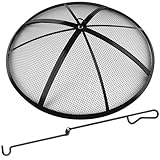
- Upgraded Material is More Sturdy: The round fire pit screen cover is made of stainless steel and equipped with 12 support rods, offering excellent heat and corrosion resistance. It is sturdy, durable, and has a long service life; even pressing on the mesh surface will not easily deform it. Furthermore, we have upgraded the high-temperature resistant paint coating to ensure it will not ignite even in intense fire conditions
- Foldable Fire Poker: We use a foldable fire poker for this spark screen, length enough to use, you can easily lift and carry the fire pit screen with metal ring handle. The folding design is convenient for you to store it better and won't take up too much space, while protecting your hand from being burned by the flame
- Tight mesh: This fire pit spark screen has a tight weaving mesh design, which can prevent mixed sparks, provides electrostatic protection, and also have better ventilation. Even in the cold night, the woods can be fully burned. Please measure the inside diameter of your fire pit, choose the right size. Note: Do not add too much firewood at once, as this may cause excessive sparks. Also, do not place flammable materials near the product
- Safe Top Ring: Our spark screen cover is designed with a metal ring that makes it easy for you to move. Unlike large diameter handles, it is safer to move and won't harm yourself due to sliding. It is convenient for you to increase firewood at any time and keep the fire pit continuously burning
- Simple installation: Our fire pit lid does not require complicated steps. Through the screw connection, the operation is very simple. It can be divided into 4 pieces, which can easily store it and occupy a small space. You can easily carry it, which is very suitable for travel adventure. It can effectively reduce the splash of sparks, embers and debris
2026 Brick Fire Pit Cost Guide
Installed fire pit prices vary because a simple kit on gravel is not the same project as a gas masonry feature tied into a paver patio. National 2026 pricing commonly puts basic installed fire pits in the low hundreds to a few thousand dollars. A straightforward contractor-built permanent masonry pit often runs about $1,500 to $5,000. Integrated patio, seating wall, gas, lighting, premium coping, or difficult excavation can push the project to $5,000 to $12,000 or more. Full outdoor living fire features can exceed $20,000.
| Fire pit type | Typical 2026 cost | Best use | Durability notes |
|---|---|---|---|
| DIY brick or paver kit | $250-$900 materials | Simple backyard seating area | Use a steel ring or firebrick liner; do not put ordinary pavers directly against flame. |
| Basic installed brick fire pit | $850-$2,400 common range | Small permanent feature | Good value when base, liner, and drainage are done correctly. |
| Custom masonry brick pit | $1,500-$5,000 | Long-term wood-burning pit | Better control over size, brick, cap, liner, and patio integration. |
| Brick gas fire pit | $3,500-$12,000+ | Cleaner operation and easy ignition | Requires listed burner parts, vents, gas sizing, accessible shutoff, and permits in many areas. |
| Integrated patio and seat wall feature | $5,000-$20,000+ | Complete outdoor room | Highest cost, but best result when drainage, joints, lighting, and traffic flow are planned together. |
Material costs are only part of the number. Excavation, hauling, compaction, layout, masonry labor, cutting, caps, refractory materials, gas trenching, permit fees, and access to the backyard all affect price. A tight side yard, a sloped site, or a patio that needs demolition can add more cost than the brick itself.
Idea 1: Classic Round Firebrick-Lined Brick Fire Pit
A round brick fire pit is still the most practical choice for many backyards. It distributes heat evenly, works well with movable chairs, and is easier to center in a patio or gravel sitting area. The durable version is not just exterior brick stacked in a circle. It uses a firebrick or steel-lined burn chamber inside a decorative brick shell.
Recommended dimensions
For most homes, we like an outside diameter of 36 to 44 inches and a finished height of 14 to 18 inches. That height lets heat reach seated guests without turning the pit into a deep chimney. The inner burn area often lands around 28 to 34 inches across, depending on the liner and wall thickness. If your local code limits recreational fires to a certain fuel-area diameter, design around that number first.
Recommended Free Tools
How to build it to last
Start with excavation down to firm subgrade, usually 6 to 8 inches below finished grade for a small pit area, deeper if poor soils or frost movement are a concern. Install 4 to 6 inches of compacted angular gravel, then a level noncombustible setting surface. The first course has to be dead level. Small errors at the bottom become obvious by the cap course.
At the burn chamber, use firebrick with refractory mortar or install a replaceable steel fire ring. A small air gap between the inner liner and exterior brick helps reduce thermal shock. The exterior brick can be chosen for the house style, patio field, or landscape palette because it is not doing the hardest heat work.
Cap the top with a soldier-course brick, stone cap, or dense masonry coping that sheds water. Avoid cap details that trap water in open joints. For wood-burning pits, leave a practical ash cleanout plan. That can be as simple as an open-bottom design over a drained gravel center, or a removable insert that allows ash removal after the pit is fully cold.
Best fit
This is the right design when you want a traditional wood-burning fire, visible brick, and a cost that stays reasonable. Expect many DIY material packages to land around $250 to $900, while a better contractor-built version commonly falls in the $1,500 to $4,000 range depending on brick, base work, and patio repair.
PC Slower Than It Used to Be?
A free scan shows the junk files, broken settings and background clutter dragging Windows down - then fixes them in one click.Free scan · Windows 10 & 11Crashes, No Sound, or Screen Glitches?
Random freezes, missing sound and display glitches usually trace back to one bad driver. Find and replace yours safely.Free scan · under a minuteIdea 2: Rectangular Brick Pit With a CMU Core and Brick Veneer
A square or rectangular brick fire pit looks more architectural than a round pit. It works especially well next to linear patios, outdoor kitchens, retaining walls, and modern homes. The durable way to build it is with a structural CMU or masonry core, a proper heat-rated inner chamber, and brick veneer on the outside.
The benefit of this approach is control. CMU gives the pit mass and straight lines. Brick veneer gives the finished look. Firebrick or a steel insert protects the hot zone. You are not asking one material to do every job.
Recommended dimensions
A common finished size is 36 by 36 inches for a square pit or 36 by 48 inches for a rectangular pit. Finished height usually stays around 16 to 20 inches. For a long rectangular fire feature, make sure the inside is not so narrow that logs bridge awkwardly or restrict airflow. A narrow pit can smoke more because the fire does not breathe well.
Construction details that matter
Use a compacted base and confirm the structure is level and square before veneer starts. Install the CMU core with appropriate masonry units and mortar, then add the fire-rated liner at the burn chamber. If a steel insert is used, leave room for expansion and eventual replacement. Do not bury the insert permanently in a way that makes future service impossible.
For the exterior, choose brick that is dense and exterior-rated. In freeze-thaw regions, water management is critical. Caps should overhang slightly, shed water, and avoid open horizontal joints that collect moisture. If the pit sits in a patio, use expansion joints or isolation joints where the fire pit mass meets the field pavers or slab. Heat movement and patio movement should not be locked together.
Best fit
This idea fits homeowners who want a permanent, tailored look rather than a kit. It also works well when matching brick to the home or adding a clean-lined feature to a paver patio. Budget around $2,500 to $6,000 for many professionally built versions, more if the pit is large, veneered with premium brick, or tied into seat walls and lighting.
Idea 3: Sunken Brick Fire Pit With Drainage and Raised Coping
A sunken fire pit can be comfortable and protected from wind, but it is also the easiest design to get wrong. Any fire pit built below surrounding grade has to manage water before it manages flame. Without drainage, it becomes a masonry sump.
The long-lasting version uses a drained gravel base, a stable retaining structure, raised coping at the rim, and a clear path for water to escape. On our jobs, we do not build a sunken masonry fire area until we understand where roof runoff, patio runoff, irrigation overspray, and groundwater are going.
Recommended dimensions
For a true sunken seating area, the whole zone may be 10 to 14 feet across so chairs, steps, and circulation work safely. The fire pit itself can still be 36 to 44 inches outside diameter. Keep walking paths around the fire clear. People need room to move without stepping backward into a flame zone or tripping on a seat edge.
Also popular on Amazon

- 22-Inch Round Fit: This round fire pit screen cover measures 22 in. across and 4.6 in. high. Check your fire bowl size before ordering.
- Heavy-Duty Steel Construction: 12 reinforcing ribs support the screen, while the high-temperature, rust-resistant black coating helps protect it during outdoor fire use.
- Helps Reduce Flying Sparks: Fine mesh helps limit sparks and embers. Lift the screen by its handle and use the included folding poker to adjust firewood.
- Four-Section Assembly & Trunk Storage: Connect the four panels with 12 screws. Disassemble the fire pit screen for storage in your car trunk.
- Backyard, Camping & Beach Use: Bring this fire pit spark screen to backyard fires, camping trips, beach gatherings, or RV outings.
Drainage requirements
Plan for a compacted gravel base below the pit and a drainage layer under the surrounding hardscape. Depending on the site, that may mean weep openings, a gravel sump connected to daylight, or a drain line tied into an approved drainage outlet. The surrounding surface should be pitched away from the fire chamber when possible, and coping should sit high enough to keep sheet runoff from pouring into the pit.
Use firebrick or a steel liner in the burn chamber, just as you would above grade. The fact that a pit is sunken does not reduce heat stress. In some ways, it increases moisture stress because air movement and drying are often weaker below grade.
Best fit
A sunken brick pit is best for a larger backyard where the fire area is part of a planned patio, not a standalone weekend project. Cost can range from $5,000 to $15,000 or more because excavation, drainage, steps, walls, coping, and patio work are all involved. It is usually a professional project.
What’s actually slowing this PC down?
Pick the symptom - the matching free tool is one click away.
Idea 4: Brick Gas Fire Pit With a Listed Burner System
A gas brick fire pit is a good choice when you want quick ignition, less smoke, and cleaner shutdown. It is not a masonry box with a gas line tossed inside. A durable gas feature needs a listed burner pan, correct enclosure sizing, ventilation, gas-rated media, drainage, accessible shutoff, and service access.
Natural gas vs propane
Natural gas is convenient when a properly sized line can be run from the house. Propane can work well where natural gas is unavailable, but tank location, regulator requirements, and enclosure ventilation need careful planning. Gas line length, trenching, BTU demand, ignition type, and local permit requirements drive cost.
Construction details that matter
Follow the burner manufacturer’s specifications exactly. That includes pan size, enclosure opening, media depth, side vents, clearances, and whether the unit is approved for the intended enclosure. Do not bury unions, key valves, shutoffs, or ignition components behind finished masonry. A future service technician should be able to access the system without breaking brick.
Gas fire pits also need drainage. Burner pans and media beds should not sit in water. If electrical ignition or lighting is included, coordinate the electrical work before masonry is closed. For many homes, a licensed plumber or gas fitter is required, and permits are common.
Best fit
This is the best brick fire pit idea for homeowners who value convenience and low smoke over the crackle of wood. A basic gas conversion may be modest if utilities are already nearby, but a new masonry gas fire pit commonly runs $3,500 to $12,000 or more. High-end automatic ignition, long trenching, premium fire glass, and patio integration increase the number quickly.
Idea 5: Brick Fire Pit Integrated With a Patio or Seat Wall
The most finished-looking fire pits are designed as part of the hardscape from the start. A brick fire pit can align with paver bands, connect to a low seating wall, anchor an outdoor room, or serve as the center of a dedicated patio area. This is where layout matters as much as masonry.
Recommended layout clearances
Mock up the space before construction. Place chairs where people will actually sit, then slide them back as if someone is standing up. A fire pit may be only 40 inches wide, but the usable area often needs 10 to 12 feet across at minimum. Larger lounge chairs, sectionals, and traffic paths need more.
Keep the pit away from decks, fences, sheds, eaves, low branches, dry vegetation, utility boxes, irrigation heads, and property-line conflicts. Many fire safety references call for generous separation from combustibles, and local rules may specify exact setbacks. In practice, we want open sky above the fire and enough noncombustible surface around it that a shifting chair does not end up in mulch or grass.
Do these 3 things before closing this tab:
1Clear out junk files and repair common Windows errors2Fix the driver behind crashes, sound loss and screen glitches3Repair Windows errors before they cause bigger problemsConstruction details that matter
When the pit meets a patio, do not let the fire pit become a rigid anchor that cracks the surrounding field. Use proper base preparation and movement joints where needed. Pitch the patio away from the pit or provide drains so water does not run into the burn chamber. If a seat wall is nearby, keep seating comfortable but not so close that guests are forced into intense heat.
For the burn area, use a replaceable liner. That might be a steel ring in a round wood-burning pit, firebrick in a rectangular pit, or a listed gas burner assembly. The visible brick, seat wall veneer, and patio border should be considered finish materials, not sacrificial heat shields.
Best fit
This is the right approach when the fire pit is part of a larger outdoor living upgrade. It costs more, but it avoids the common problem of adding a pit later and discovering that chairs block a walkway, drainage runs the wrong way, or the new brick does not relate to the patio. Budget $5,000 to $20,000 or more depending on patio size, walls, lighting, drainage, and gas service.
Wood-Burning vs Gas Brick Fire Pits
Wood-burning pits are simpler mechanically and usually less expensive. They provide stronger radiant heat, a traditional flame, and the sound and smell many people want. They also produce smoke, ash, sparks, and more local-rule restrictions. You need dry seasoned hardwood, a spark screen, ash cleanup, and common sense about wind and burn bans.
Gas pits are cleaner and easier to use. They are excellent for patios where smoke would drift toward doors, neighbors, or covered areas. They cost more because the masonry is only one part of the project. Gas sizing, trenching, permits, burner quality, vents, shutoff access, and ignition systems all matter.
Neither option is automatically better. If you want occasional fires and enjoy wood, build a durable firebrick-lined wood pit. If you want frequent short evening use, easy shutdown, and less cleanup, a properly built gas brick pit may be worth the added cost.
Independent reader supportYour contribution helps us test, update, and keep practical guides available for everyone.Permit, Code, and Safety Checklist
Before you build, check the local fire code, building department, fire marshal, HOA rules, and current burn restrictions. The International Fire Code includes recreational fire requirements, but local jurisdictions can be stricter. Some areas regulate fire size, distance from structures, approved fuel, hours of use, spark screens, and whether open burning is allowed at all.
Also popular on Amazon
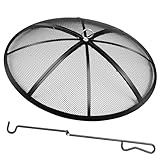
- Perfect Size for 22" Fire Pit:Keep sparks in the pit. No more worry about the large embers that would go flying through the air.This fire pit cover gives you peace of mind. Ideal for use on wood decks, pine needles, or any safety-sensitive area, this portable shield nests inside the fire pit for convenient travel.
- Heat Rust Resistant Construction:This fire pit mesh cover offers long-lasting durability and protection. Its sturdy construction withstands high temperatures and the elements, making it perfect for continuous outdoor use.
- Upgraded Material is More Sturdy: And it is not easy to deform even if you press the surface of the grid. Upgraded heat-resistant and rust-proof coating hold up to a direct flame. it can withstand the scorching heat and prevent rust formation. It has excellent heat resistance and corrosion resistance, sturdy and durable, can be used for a long time
- Simple Safe Top Ring :Our spark screen cover is designed with a metal ring that makes it easy for you to move. Unlike large diameter handles, it is safer to move and won't harm yourself due to sliding. It is convenient for you to increase firewood at any time and keep the fire pit continuously burning
- Versatile and Portable:Different sizes of firepit spark screen lid is suitable for various fire pits, fire bowls and fireplaces. It can be used for night bonfire activities at many outdoor venues,allows you to tend the fire without removing the entire shield, ensuring you maintain a controlled, safe, and enjoyable fire pit.
Use this checklist before construction:
- Confirm whether a permit is required for masonry, gas, electrical, or patio work.
- Verify minimum distance from the house, fences, decks, sheds, trees, eaves, and property lines.
- Check whether wood-burning fire pits are allowed during your planned season of use.
- Confirm fuel-area size and flame-height limits for recreational fires.
- For gas, use listed components and keep shutoff valves and service points accessible.
- Keep a hose, bucket of water or sand, or fire extinguisher nearby when using the pit.
- Use a spark screen for wood-burning fires.
- Burn only dry, seasoned hardwood. Avoid treated lumber, painted wood, trash, yard waste, and accelerants.
- Do not use the fire pit during high winds or active burn bans.
We also recommend saving screenshots or written confirmation from the local authority before construction. That small step can prevent an expensive rebuild if a neighbor, inspector, or HOA questions the installation later.
Quick wins for a faster PC:
Clear out junk files and repair common Windows errorsFree Scan →Fix the driver behind crashes, sound loss and screen glitchesFind Drivers →Repair Windows errors before they cause bigger problemsFix Now →When to DIY vs When to Hire a Pro
A DIY brick fire pit can make sense when the design is simple, wood-burning, above grade, away from structures, and built from a kit or straightforward masonry layout. The site should be level, access should be easy, and you should be comfortable with excavation, compaction, layout, cutting, and local fire rules. Expect one to three weekends for a careful DIY build, depending on site prep and whether you are cutting caps or installing a firebrick liner.
Hire a professional when the pit is gas-fired, tied into a patio, built near grade changes, integrated with seating walls, located in a drainage-sensitive area, or subject to permit review. Also hire out the work if you need utility coordination, electrical ignition, significant excavation, retaining walls, or matching masonry to an existing home.
The difference is not just appearance. A pro-built pit should solve base movement, water management, thermal expansion, liner serviceability, and traffic flow. Those are the details that separate a fire pit that photographs well on day one from one that still looks right five years later.
Common Brick Fire Pit Mistakes to Avoid
The most common mistake is using ordinary brick or concrete pavers directly against flame and assuming they will last. Some may survive for a while, but repeated heat and moisture can crack units, pop faces, and weaken joints. Put the heat-rated material where the heat is.
Quick wins for a faster PC:
Scan for outdated or missing drivers - takes under a minuteDriver Scan →Repair Windows errors before they cause bigger problemsFix Now →Fix the driver behind crashes, sound loss and screen glitchesFind Drivers →The second mistake is skipping drainage. A solid masonry bowl with no weep path or drain layer collects water. Add ash and freeze-thaw cycles, and the structure starts working against itself. A compacted gravel base, open-bottom center, weep openings, or a designed drain path can add years to the pit.
The third mistake is building too close to combustible materials. Fences, decks, mulch, low limbs, eaves, and outdoor furniture all change the risk profile. A fire pit should sit on a noncombustible surface with open clearance around and above it.
The fourth mistake is locking every part together with no thought for service. Liners wear. Gas burners need maintenance. Fire media needs replacement. Ash has to come out. If the only way to service the pit is to break finished masonry, the design was too permanent in the wrong places.
Bottom Line
The best brick fire pit idea is the one that matches your fuel type, site, local rules, and long-term maintenance expectations. For most homeowners, the safest durable formula is simple: compacted base, firebrick or steel liner, exterior-rated brick finish, water-shedding cap, drainage path, and generous clearance from combustibles.
If you want the classic backyard experience, build a round firebrick-lined wood pit. If you want a more architectural look, use a CMU core with brick veneer. If the pit is below grade, solve drainage first. If it is gas, follow the burner specifications and keep service access open. If it is part of a patio, design the whole outdoor room together instead of dropping a fire ring into leftover space.
Frequently Asked Questions
What kind of brick should I use for a fire pit?
Use firebrick or a listed steel insert at the burn chamber, then use exterior-rated brick or brick veneer for the visible outside. Firebrick and refractory mortar are designed for repeated heat exposure; standard brick is better treated as a finish material.
Can regular bricks be used in a fire pit?
Regular bricks can often be used on the exterior shell, but they should not be the only material directly against flame. Repeated heat, moisture, and freeze-thaw cycles can cause ordinary brick or concrete pavers to crack or spall.
How much does a brick fire pit cost in 2026?
A basic DIY brick or paver fire pit often runs about $250-$900 in materials. A contractor-built brick fire pit commonly costs $1,500-$5,000, while gas features or patio-integrated builds often run $5,000-$12,000 or more.
How far should a fire pit be from a house or fence?
Setbacks vary by municipality, so check local fire rules before building. As a practical rule, keep the pit well away from houses, fences, decks, sheds, eaves, low branches, dry vegetation, utilities, and property-line conflicts.
Do I need a permit to build a brick fire pit?
You may need a permit, especially for permanent masonry, gas lines, electrical ignition, patios, or work in regulated fire zones. Confirm requirements with your local building department, fire marshal, HOA, and utility providers before construction.
How do you keep a brick fire pit from cracking?
Use a compacted gravel base, a firebrick or steel liner, refractory mortar where heat is highest, drainage weeps or an open-bottom center, exterior-rated masonry, and a cap that sheds water. Avoid trapping moisture inside the pit.
Quick Recap
Product prices and availability are accurate as of the date/time indicated and are subject to change. Any price and availability information displayed on Amazon at the time of purchase will apply.
The Tool Desk
Outbyte Driver Updater FREEFix the driver behind crashes, sound loss and screen glitchesFind Drivers →Outbyte PC Repair FREERepair Windows errors before they cause bigger problemsFix Now →
