Some links on this page are affiliate links: if you buy through them we may earn a commission, at no extra cost to you.
The best kids closet organizer is the one your child can use without a parent standing next to them. That usually means low daily-use storage, adjustable rods, open cubbies, a clear hamper zone, and hardware anchored into framing instead of overloaded drywall anchors.
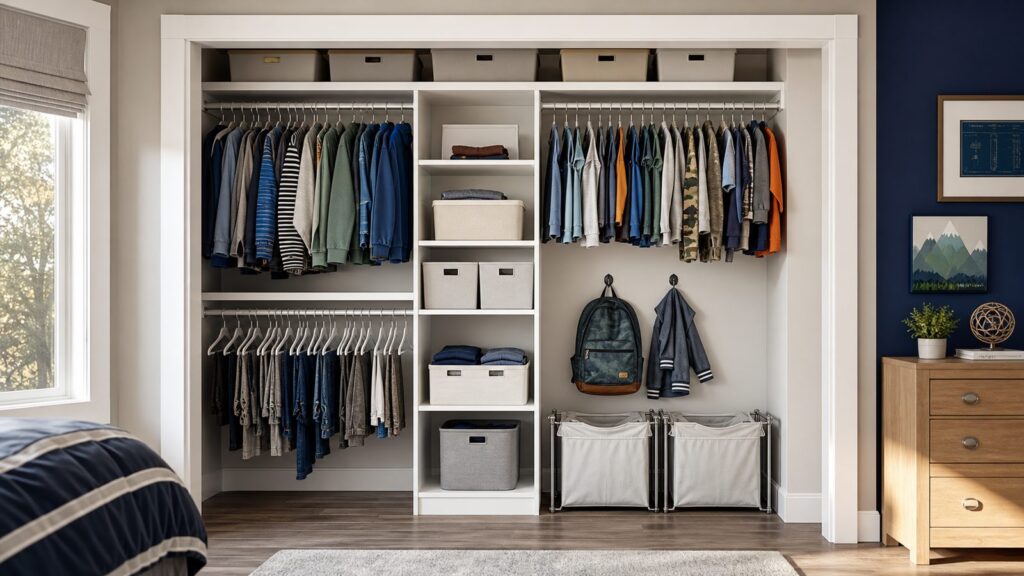
For most children’s bedrooms, the winning layout is simple: double-hang rods for short clothing, one adjustable shelf tower or cubby stack, a few wipeable bins, hooks at child height, and high shelving for seasonal items. A standard 4- to 8-foot reach-in closet can often be made twice as useful without turning it into a luxury custom project.
As an Amazon Associate I earn from qualifying purchases.
The Tool Desk
Outbyte PC Repair FREERepair Windows errors before they cause bigger problemsFix Now →Outbyte Driver Updater FREEScan for outdated or missing drivers - takes under a minuteDriver Scan →In 2026, a basic DIY kids closet setup can run about $100 to $500 for a wire or laminate kit plus bins, labels, and hooks. A professionally installed midrange system is more commonly $600 to $2,500. Custom built-ins with drawers, finished panels, integrated hampers, paint-grade trim, lighting, or wall repairs can land around $2,500 to $6,000 or more. National installed closet organizer costs commonly fall between about $500 and $5,000, with basic installed organizers estimated around $79.35 to $110 per square foot in May 2026 pricing.
On our job sites, we treat a child’s closet like a small built-in storage project, not a decorating accessory. The details that matter are measuring the real door opening, finding studs, choosing repairable materials, setting reachable heights, leaving floor space open, and anchoring anything a child could climb, pull, or tip.
Popular on Amazon
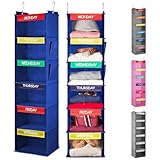
- TIME-SAVING ORGANIZATION - Say goodbye to the morning chaos by preparing your children’s outfits for the entire week in one go. With designated storage spaces for each day, you’ll eliminate the hassle of last-minute outfit decisions and hunting for missing items. Simply grab and go, making hectic mornings a thing of the past.
- EXTRA DURABILITY - Each shelf includes two sturdy bamboo inserts for enhanced support and long-lasting durability. These inserts prevent sagging or collapse, allowing the organizer to reliably hold full outfits, including shoes, accessories, and other items, without compromising stability, even when loaded with heavier clothing.
- SCHOOL-READY KIDS - This organizer is perfect for busy families, helping children become more independent by letting them choose and access their clothes for the day with ease. It fosters good habits, ensuring school mornings run smoothly and efficiently, with no more delays.
- KID-FRIENDLY DESIGN - With vibrant colors and labeled sections for each day of the week, this organizer not only makes picking out clothes fun but also helps children learn to recognize the days of the week. It’s both an educational tool and a practical solution for getting organized.
- MULTIPLE KIDS - With generous space for multiple outfits, this organizer is ideal for families with several children. It keeps everyone’s clothing in order, reducing morning stress, and helping parents and kids stay on schedule. It’s a lifesaver, especially in households with busy morning routines.
Start With the Closet, Not the Catalog
Before choosing a system, measure the closet the way a carpenter measures it. Wall-to-wall width is only the first number. You also need the clear opening, interior depth, side-wall access, ceiling height, baseboard depth, door type, outlet locations, light fixture location, and stud layout.
A typical reach-in bedroom closet is 24 inches deep, but many older homes are closer to 22 inches after drywall, trim, and door hardware are considered. Standard adult hangers need about 22 to 24 inches of depth to sit cleanly. Kids hangers are smaller, but if the closet is shallow, rods may need to be positioned carefully so sleeves and jackets do not rub the doors.
Free tools Windows power users keep installed
One-click scans. No signup required.
Door style changes the layout. Sliding doors often block half the closet at a time, which can make a center tower useful but turn far side shelves into dead zones. Bifold doors usually give better access, but the folded panels still reduce the usable side opening. Swing doors may interfere with baskets, hooks, or pull-out accessories near the front corners. Good organizers are designed around the clear opening, not just the back wall.
We also check the walls before we promise drawer stacks or heavy shelving. A closet with 16-inch-on-center studs is straightforward. Older framing, plaster walls, metal studs, or patched drywall can change the fastening plan. For heavier systems, we prefer vertical standards into studs, ledger boards into framing, or added blocking where the wall is open during a larger remodel.
The Best Layout for Most Kids Closets
Most families do not need a complicated closet. They need a layout the child can maintain on a school morning. The most reliable setup has three zones: low storage for daily use, middle storage for current clothes, and high storage for parent-managed items.
Low Zone: Child-Controlled Storage
The low zone should hold the items your child handles every day: shoes, pajamas, school clothes, sports gear, a hamper, and maybe tomorrow’s outfit. For preschool and early elementary kids, open bins and cubbies work better than drawers. A drawer looks tidy when closed, but it becomes a jammed box of clothes very quickly when a young child is learning to put things away.
Recommended Free Tools
For children under about 6 years old, plan the main hooks, bins, and everyday shelves between roughly 24 and 42 inches from the floor. For elementary-age children, 30 to 48 inches is usually workable. For older kids and teens, daily-use rods and shelves can shift up into the 48- to 66-inch range depending on height.
Middle Zone: Current Clothing
Children’s clothing is shorter than adult clothing, which is why double-hang rods are so effective. In many kids closets, two rods can fit in the same vertical space that one adult long-hang rod would occupy. A practical arrangement is one lower rod around 36 to 42 inches high and one upper rod around 72 to 78 inches high. The lower rod can hold school clothes or frequently worn items; the upper rod can hold parent-managed clothing, dress clothes, or off-season items.
If the child is still small, do not make every rod reachable. Independence matters, but so does control. Put daily clothes low and keep special-occasion clothing, uniforms, and seasonal jackets higher if needed.
High Zone: Seasonal and Parent-Managed Items
The upper shelf is for things that should not be in the daily traffic pattern: keepsakes, outgrown sizes, winter gear, extra bedding, costumes, and seasonal bins. A shelf at 78 to 84 inches high is common in a standard 8-foot room. Keep heavy bins lower and lighter seasonal items higher. A high shelf loaded with dense storage tubs needs real fastening, not small plastic wall anchors.
What’s actually slowing this PC down?
Pick the symptom - the matching free tool is one click away.
Also popular on Amazon
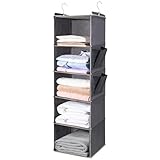
- Maximized Storage: This 5-tier hanging closet organizer provides ample storage space for clothes, accessories, and more.
- Durable Construction: Made with sturdy, breathable fabric and a reinforced steel frame for long-lasting use.
- Space-Saving Design: Compact and hanging design helps maximize closet space and keep items organized.
- Versatile Use: Suitable for closets, bedrooms, laundry rooms, or any area needing extra storage.
- Easy Assembly: Simple setup with no tools required, allowing for quick installation and use.
Age-by-Age Closet Layout Guide
A good kids closet changes as the child grows. That is why adjustability is one of the biggest value drivers. Track-based wire systems, adjustable laminate systems, and custom built-ins with shelf-pin holes all let you move rods and shelves later without rebuilding the closet.
| Child Stage | Best Storage | Useful Heights | What to Avoid |
|---|---|---|---|
| Nursery to toddler | Open shelves, labeled bins, diapers, small folded clothes, parent-height rods | Parent-use shelves at 42 to 72 inches; low toy bins around 18 to 30 inches | Too many tiny drawers or freestanding unanchored towers |
| Preschool to early elementary | Low rod, shoe cubbies, picture labels, hamper, hooks | Daily hooks and bins around 24 to 42 inches; lower rod around 36 to 42 inches | High rods that require climbing or adult help |
| Upper elementary to middle school | Double hang, adjustable shelves, sports bins, backpack hooks | Daily storage around 30 to 54 inches; upper rod around 72 to 78 inches | A crowded floor with no clear place for shoes or laundry |
| Teen | More long-hang, shoe shelves, hamper, accessory storage, fewer toy bins | Rods around 42 to 66 inches for daily use; long-hang bay around 66 inches plus | Permanent kid-height layouts that cannot be reconfigured |
For a shared sibling closet, divide by child first and clothing type second. Equal vertical zones reduce arguments better than one large shared rod. If the closet is 6 feet wide, for example, each child may get a 30- to 36-inch vertical bay with a rod, shelf, hooks, and bin space. Shared seasonal storage can go above both zones.
Wire, Laminate, Wood, or Custom Built-Ins?
There is no single best material for every family. The right choice depends on budget, abuse level, moisture risk, and how long you expect the system to stay in place.
Wire Closet Systems
Wire systems are the budget workhorse. They are affordable, widely available, adjustable, and forgiving in small closets. Many basic 4- to 8-foot kits are around $129 to $300, with smaller or simpler options starting near $100 to $200. A full DIY setup with bins, hooks, labels, and fasteners often lands around $100 to $500.
The tradeoff is finish quality. Wire shelves can leave marks on folded clothes, small items can tip through the gaps, and the look is more utility-room than built-in furniture. For younger kids, that may be perfectly fine. If the closet takes heavy use, use shelf liners where folded clothes sit and make sure the standards and brackets are properly fastened.
Laminate and MDF Systems
Laminate systems look cleaner and offer better cubbies, drawers, and tower layouts. They are a good midrange choice for a standard bedroom closet. Professionally installed laminate or hybrid systems commonly run about $600 to $2,500 in a child’s reach-in closet, depending on width, drawers, accessories, and wall condition.
The weak points are moisture and edges. Wet shoes, damp sports gear, water bottles, and rough bin corners can swell or chip lower-grade panels. For kids, we like durable edge banding, wipeable surfaces, open shelves over excessive drawers, and a design that allows damaged parts to be replaced later.
Plywood, Solid Wood, and Carpenter-Built Systems
Plywood and solid wood cost more, but they are the most durable and repairable. They make sense when the room is part of a larger remodel, when the closet has odd dimensions, or when the family wants a long-term built-in that can be painted, repaired, or modified.
Custom built-ins can run $2,500 to $6,000 or more for a kids closet when you add drawers, finished panels, soft-close hardware, integrated hampers, trim, custom paint or stain, lighting, and wall repairs. That is not necessary for every child’s room, but it can be worthwhile in a home where storage quality affects daily function and resale perception.
Real 2026 Cost Ranges
Closet organizer pricing varies sharply because a “closet organizer” can mean a $150 wire kit or a fully finished built-in with drawers and lighting. The numbers below are realistic planning ranges for US homeowners in 2026.
Also popular on Amazon

- TIME-SAVING ORGANIZATION - Say goodbye to the morning chaos by preparing your children’s outfits for the entire week in one go. With designated storage spaces for each day, you’ll eliminate the hassle of last-minute outfit decisions and hunting for missing items. Simply grab and go, making hectic mornings a thing of the past.
- EXTRA DURABILITY - Each shelf includes two sturdy bamboo inserts for enhanced support and long-lasting durability. These inserts prevent sagging or collapse, allowing the organizer to reliably hold full outfits, including shoes, accessories, and other items, without compromising stability, even when loaded with heavier clothing.
- SCHOOL-READY KIDS - This organizer is perfect for busy families, helping children become more independent by letting them choose and access their clothes for the day with ease. It fosters good habits, ensuring school mornings run smoothly and efficiently, with no more delays.
- KID-FRIENDLY DESIGN - With vibrant colors and labeled sections for each day of the week, this organizer not only makes picking out clothes fun but also helps children learn to recognize the days of the week. It’s both an educational tool and a practical solution for getting organized.
- MULTIPLE KIDS - With generous space for multiple outfits, this organizer is ideal for families with several children. It keeps everyone’s clothing in order, reducing morning stress, and helping parents and kids stay on schedule. It’s a lifesaver, especially in households with busy morning routines.
| Project Type | Typical 2026 Cost | Best For | Watchouts |
|---|---|---|---|
| Basic DIY wire kit | $100 to $500 | Small reach-in closets, rentals, quick resets | Measuring errors, weak anchors, less polished finish |
| DIY laminate kit | $200 to $1,000+ | Cleaner look, cubbies, adjustable shelves | Cut edges, baseboard conflicts, moisture damage |
| Pro-installed midrange system | $600 to $2,500 | Standard kids bedrooms, better fit and fastening | Drawer/accessory upgrades add cost quickly |
| Installed reach-in custom system | $800 to $3,500 | Longer-term storage, odd openings, shared closets | Confirm materials, load ratings, and reconfiguration options |
| Higher-end custom built-in | $2,500 to $6,000+ | Finished rooms, remodels, premium durability | May require wall repair, painting, electrical, or trim work |
| Large custom closet project | $1,500 to $20,000 | Whole-home closet packages, walk-ins, premium systems | Scope varies widely by materials and accessories |
For basic installed closet organizers, 2026 estimating data puts labor and material pricing around $79.35 to $110 per square foot. That square-foot number can be useful for comparing bids, but for a kids reach-in closet we also look at linear footage, number of towers, drawer count, fastening method, and finish level.
The hidden costs are where homeowners get surprised. Budget for removing old shelves, patching drywall, painting, modifying baseboards, hauling away old material, replacing hollow-wall anchors with stud-mounted hardware, adding bins and labels, and installing child-safe anchors. If lighting is added, electrical work can change both cost and schedule.
Do these 3 things before closing this tab:
1Clear out junk files and repair common Windows errors2Scan for outdated or missing drivers - takes under a minute3Repair Windows errors before they cause bigger problemsSafety Comes First in a Child’s Closet
A kids closet is not just storage. It is a place where children pull, climb, tug, hide, and drag things down. The US Consumer Product Safety Commission’s Anchor It campaign specifically warns that furniture with drawers, doors, and shelves should be anchored to the wall to help prevent tip-over injuries and deaths. Clothing storage units remain a live safety issue, especially tall freestanding units and fabric-drawer dressers when they are not anchored.
Our rule is simple: if a child can climb it, pull on it, or load it unevenly, it gets anchored. That includes towers, drawer stacks, bookcase-style cubbies, freestanding wardrobes, and tall storage units inside or near the closet.
For built-in systems, we want vertical standards or cabinet sides fastened into studs or blocking whenever possible. Hollow-wall anchors have their place for light-duty accessories, but they are not our first choice for loaded rods, high shelves, or tug-prone components. After installation, shelves and rods should be load-tested before the closet is filled.
Hardware matters too. Drawer pulls should not snag clothing. Sharp shelf corners should be eased or protected. Heavy bins should stay low. Climbable drawer stacks should be limited in younger children’s rooms, and any tower with drawers should be anchored. Soft-close drawers are helpful, but they do not replace anchoring.
Lighting, Electrical, and Permit Notes
Most closet organizer installations do not require a building permit when you are installing shelves, rods, bins, and non-structural storage components. That changes if the project includes new electrical wiring, moving lighting, altering framing, or doing work tied to a larger permitted remodel. Local rules vary, so check your city or county before opening walls or adding electrical.
Closet lighting deserves care. Small storage spaces have clearance rules and product requirements because clothing, boxes, and shelves can sit close to fixtures. Use listed fixtures appropriate for closet use, keep bulbs and hot surfaces away from stored items, and maintain required clearances. Recessed or surface-mounted LED fixtures are common choices, but placement matters. Do not bury a light behind a high shelf or install a fixture where stacked bins will crowd it.
If the closet currently has a bare bulb or old fixture, we often recommend upgrading it during the organizer project. It is much easier to coordinate shelf heights and fixture placement before the closet is full. Motion-sensor LED lighting can be convenient for kids, but hardwired work should be handled by a qualified electrician when required by local code.
Small Closet Design That Works
A small kids closet should not try to hold everything. It should hold the right things. In a 4-foot-wide reach-in closet, we usually prioritize a double-hang section, a narrow shelf tower, a hamper space, and hooks. A 12- to 18-inch-wide tower can be enough for folded clothes, accessories, or labeled bins. The rest can stay open for hanging clothing.
Also popular on Amazon

- Promotes Independence for Kids: Teach children responsibility by letting them plan their own school outfits with this weekly clothes organizer. Five shelves make dressing stress-free every morning
- Fits Kids' Closets: Sized at 11.8" x 11.8" x 33", this hanging closet organizer fits easily on lower rods so kids can reach and use it without help
- Customizable Day Labels Included: Comes with 2 colorful sets of Monday through Friday inserts (rainbow & blue ombre). Clear tabs make swapping or writing your own labels simple
- Strong & Durable Design: Made of premium polyester fabric with reinforced boards to prevent sagging or drooping. Wipes clean easily and installs in seconds with secure Velcro strap
- Stress-Free Mornings for Parents: Save time and avoid outfit battles by preparing clothes ahead of time. Suitable for busy school mornings, sports gear, or after-school activities
Keep the floor mostly clear. A closet floor packed with loose shoes, toys, bags, and bins is hard for a child to reset. Assign the floor to one or two purposes: shoes on a rack, a hamper, or one sports bin. If more storage is needed, use vertical space instead of swallowing the floor.
Hooks are underrated. Install them on side walls or the inside return where they do not block hangers. Child-height hooks are ideal for jackets, backpacks, costumes, robes, or the next day’s outfit. For younger children, hooks work better than hangers because they require less coordination.
Labels also matter. For younger kids, use words and pictures: shirts, pants, pajamas, socks, sports. For older kids, category labels are enough. The goal is not perfection. The goal is to make the correct storage location obvious when laundry comes back into the room.
Common Mistakes We See
The first mistake is buying a kit based only on wall-to-wall width. A 6-foot closet with sliding doors may not function like a 6-foot opening. Measure the clear access area and think through how the doors move before placing towers and drawers.
Windows Errors? Fix Them Before They Spread
Repair common Windows errors and clear accumulated junk for a smoother, more stable PC - no reinstall needed.Free scan · no reinstallOutdated Drivers Are Slowing You Down
One free scan finds every outdated or missing driver and matches the right update for your exact hardware.Free scan · exact hardware matchThe second mistake is installing rods too high. If a child cannot reach the rod, clothes land on the floor. A lower rod around 36 to 42 inches can teach younger children to hang up daily items. You can move it later if the system is adjustable.
The third mistake is using too many drawers. Drawers look clean in photos, but young kids often do better with open cubbies and bins. Save drawers for older children, accessories, undergarments, or closets where the child has already built good habits.
The fourth mistake is trusting light-duty anchors with heavy storage. A loaded shelf with bins, a rod full of coats, or a child tugging on a tower can stress fasteners quickly. Find studs, use the manufacturer’s required hardware, and upgrade the fastening plan when the wall condition is questionable.
The fifth mistake is ignoring baseboards. Many tower systems want to sit tight to the wall, but baseboards can push the unit forward and create a gap. The fix may be scribing panels, notching around trim, removing and reinstalling baseboard, or choosing a wall-hung system.
Quick wins for a faster PC:
Repair Windows errors before they cause bigger problemsFix Now →Fix the driver behind crashes, sound loss and screen glitchesFind Drivers →When to DIY and When to Hire a Pro
A DIY kit makes sense when the closet is straightforward, the walls are in good shape, the system is light to moderate duty, and you are comfortable measuring, leveling, cutting, finding studs, and patching small mistakes. A basic wire kit can often be installed in half a day by a capable homeowner. A laminate tower system may take a full day, especially if baseboards, uneven walls, or door clearances complicate the fit.
Hire a pro when the closet will carry heavy loads, the layout includes drawers or tall towers, the walls are plaster or damaged, the closet has awkward dimensions, or the project needs electrical, trim, drywall, or paint work. A pro is also worth it for shared sibling closets where every inch matters. The labor premium often buys better fastening, cleaner cuts, fewer dead zones, and a system that can be adjusted later.
Also popular on Amazon

- Easy Matching Color: 6-shelf open white hanging closet organizer, with 2 sets of different colored weekly labels, for you to combine and match freely. Making it very convenient to access to clothes, this organizer is designed for storing a week of your children's clothing.
- Large Capacity Portable Storage Organizer: This hanging closet organizer with a simple design helps you storage items while saving as much space as possible. You can hang it in the cabinet, or any other place with hooks, as it is easy to move. With 6 mesh pockets on the side, you can conveniently store T-shirts, children's clothes, hats, towels, blankets, socks, underwear, toys, diapers, etc.
- 2 Ways of Hanging: With 2 sturdy hanging hooks and hook & loop strip, this hanging organizer is suitable for most clothes rack rods or metal racks, can meet the hanging needs of different cabinets. The hooks are attached to the box very sturdily, so you don't have to worry about falling off. The sturdy hook & loop strip is wrapped around the closet rod and fixed with 3 rivets on the thick PVC board to prevent sagging.
- Product Size: Our hanging organizer size is 51.2H X 12L X 12W inches, each layer size is 7.9H X 12L X 12W inches, the height of the hooks is about 3.7 inches. It is recommended to measure the distance between your cabinet and the floor before purchase.
- Easy to Install: Each layer of the hanging organizer is embedded with thick cardboard inside, so you don't need to install it, you just need to take out the hooks and attach them to the top of the hanging organizer, which is very easy and convenient.
When comparing bids, ask direct questions: What material is being used? Are rods and standards fastened into studs or blocking? What are the load ratings? Will baseboards be modified? Are drywall patching and paint included? Can shelves and rods be reconfigured later? Is hauling away the old shelving included? A good installer should answer without vague promises.
Our Practical Recommendation
For most families, the best kids closet organizer is a midrange adjustable system, not the cheapest kit and not a full luxury build. In a standard reach-in closet, we like one adjustable tower, double-hang rods, two to four open cubbies, a dedicated hamper area, low hooks, high seasonal shelving, and wipeable bins. That layout supports toddlers, school-age kids, and teens with only minor adjustments.
If the budget is under $500, choose a sturdy adjustable wire system and spend carefully on bins, hooks, and better fasteners. If the budget is $600 to $2,500, a professionally installed laminate or hybrid system gives a cleaner result and better use of space. If this is part of a larger remodel or the closet has odd dimensions, custom plywood or finished built-ins can be worth the $2,500 to $6,000-plus investment.
The closet should make the room easier to live in. That means reachable storage, clear categories, safe anchoring, durable finishes, and enough flexibility that you are not rebuilding the same closet every three years.
Frequently Asked Questions
How much does it cost to install a kids closet organizer in 2026?
A basic DIY kids closet organizer usually costs about $100 to $500. A professionally installed midrange system commonly runs $600 to $2,500, while custom built-ins can cost $2,500 to $6,000 or more. National installed closet organizer projects often fall between about $500 and $5,000 depending on size, material, drawers, accessories, labor, and wall repairs.
What is the best closet organizer for a small child’s bedroom?
For most small bedrooms, the best setup is an adjustable reach-in system with double-hang rods, one narrow shelf tower, open cubbies, low hooks, wipeable bins, and a clear hamper space. The daily-use items should be within the child’s reach, while seasonal storage should go on high shelves.
Windows Errors? Fix Them Before They Spread
Repair common Windows errors and clear accumulated junk for a smoother, more stable PC - no reinstall needed.Free scan · no reinstallCrashes, No Sound, or Screen Glitches?
Random freezes, missing sound and display glitches usually trace back to one bad driver. Find and replace yours safely.Free scan · under a minuteAre wire or wood closet systems better for kids?
Wire systems are cheaper, adjustable, and practical for young kids, but they look less finished and can mark folded clothes. Laminate systems look cleaner and offer better cubbies and drawers, but they are more vulnerable to moisture and edge damage. Plywood or solid wood costs more but is the most durable and repairable option.
Do I need a permit to install a closet organizer?
Most shelf, rod, and organizer installations do not need a permit because they are non-structural. You may need a permit or licensed trade work if you add electrical lighting, move wiring, alter framing, or include the closet as part of a larger permitted remodel. Local rules vary.
How high should closet rods be for children?
For younger children, a lower daily-use rod around 36 to 42 inches from the floor usually works well. Older children may use rods around 48 to 66 inches. A second upper rod around 72 to 78 inches can hold less-used clothing or parent-managed items.
How do you make a closet organizer safe for kids?
Anchor towers, drawer units, shelves, and standards into studs or proper blocking whenever possible. Avoid relying on light-duty drywall anchors for loaded shelves or tug-prone components. Keep heavy bins low, ease sharp corners, limit climbable drawer stacks, and load-test rods and shelves before filling the closet.
Quick wins for a faster PC:
Repair Windows errors before they cause bigger problemsFix Now →Scan for outdated or missing drivers - takes under a minuteDriver Scan →Quick Recap
Product prices and availability are accurate as of the date/time indicated and are subject to change. Any price and availability information displayed on Amazon at the time of purchase will apply.

