
Some links on this page are affiliate links: if you buy through them we may earn a commission, at no extra cost to you.
If you are searching for affordable lumber near you, start with this rule: compare the installed cost, not just the sticker price. A $3.98 2×4 is not a bargain if a quarter of the pile is twisted, the treatment category is wrong, delivery adds $90, or the inspector rejects the framing because the grade stamp is missing.
In late July 2026, national benchmark lumber was around $615 per 1,000 board feet, while construction estimating data put framing lumber closer to $915.88 per 1,000 board feet. Retail buyers are seeing common 2x4x8 pricing around $3.98 to $4.48 per board in many listings, with local variation by ZIP code. Those numbers are useful, but they are only a starting point. Your real price depends on species, grade, moisture content, treatment, length, order size, delivery distance, and waste.
As an Amazon Associate I earn from qualifying purchases.
Do these 3 things before closing this tab:
1Clear out junk files and repair common Windows errors2Scan for outdated or missing drivers - takes under a minute3Repair Windows errors before they cause bigger problemsOn our job sites, we buy lumber by the takeoff, not by impulse. We separate structural material from appearance material, quote the same list with at least two or three suppliers, inspect boards before they go on the truck, and protect the pile until installation. That process saves more money than chasing a one-day sale on the wrong lumber.
What Affordable Lumber Really Means in 2026
Affordable lumber is lumber that does the job correctly at the lowest total cost. For a garden shelf, that may mean discounted common boards. For a deck ledger, joists, posts, beams, stair stringers, or house framing, it means properly graded, properly treated, code-acceptable material that arrives straight enough to install without excessive waste.
Popular on Amazon
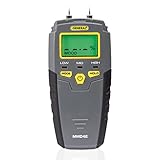
- HUMIDITY SENSOR: Our handy meter tool can quickly determine what level of remediation is needed to keep your family safe from black mold. High levels of dampness that go untreated are the leading cause of harmful fungus growth in the home.
- WATER LEAK DETECTOR: Finding the moisture content in your wood or drywall is the first step in early prevention. Continuously check and test suspicious water stains around the house so you can determine whether the area is wet or has already dried. Low, medium and high moisture tones and on-screen icons, Reading HOLD button
- MOISTURE READER: The mold test features large 0.3" high digits in a backlit LCD for quick and easy detecting. Our mildew scanner includes extra 8mm stainless steel pins, a protective cap that doubles as a calibration checker, and a “9V” battery.
- MOLD TESTER: For an accurate test read, stick the stainless steel pins into the surface of what you're measuring. The gauge has a broad range of 5 - 50% for wood and 1.5 - 33% for building materials such as concrete and drywall.
- GENERAL TOOLS: We're a recognized leader in designing and developing specialized precision tools dedicated to delivering exceptional customer service. We encourage artisans and DIYers to work smarter, measure better, and repair more productively.
Commodity lumber prices do not equal retail shelf prices. Futures and wholesale indexes track benchmark markets. Homeowners and small contractors pay for drying, surfacing, grading, treatment, transportation, local inventory, retailer margin, delivery, returns, and the time spent sorting the pile. That is why a national quote near $615 per MBF does not translate cleanly into what you pay for one 2×4 at a store.
As of July 31, 2026, lumber was reported near $614.52 to $615.11 per 1,000 board feet, down about 11.6% from a year earlier. NAHB’s late-July 2026 framing lumber update showed prices up 1.4% for the week ending July 24, up 3.1% from a month earlier, and roughly flat year over year. At the same time, FRED/BLS data showed the U.S. lumber producer price index at 280.114 in June 2026 and softwood lumber at 282.733, still well above pre-pandemic norms. In plain terms: prices have eased from the worst spikes, but lumber is not cheap in the old sense.
Demand also matters. June 2026 privately owned housing starts were reported at a seasonally adjusted annual rate of 1.427 million, with permits around 1.374 million. When builders are busy, framing lumber, plywood, OSB, trusses, engineered beams, and treated decking can tighten quickly in local markets.
Where to Buy Lumber Near You
The cheapest place to buy lumber depends on the size and type of project. A big-box store may be the best answer for six boards and a Saturday repair. A local lumberyard may beat it on straightness, delivery, and contractor packs. A building-material supplier may win on a full framing package. A sawmill or salvage yard can be useful, but usually not for permitted structural work unless the material meets code and inspection requirements.
Big-box stores
Home centers are convenient for small quantities, emergency repairs, and common dimensions such as 2x4x8, 2x6x8, 4×4 posts, plywood, OSB, furring strips, and pressure-treated decking. In 2026 retail examples, 2x4x8 or stud pricing often falls around $3.98 to $4.48 per piece, 2x4x10 around $6.98, 2x4x12 around $8.46, and 2x6x8 around $7.76. Some listings show volume discounts around 10% when buying contractor-pack quantities, often 35 to 50 pieces or more.
The weak point is sorting. For visible trim or structural pieces, expect to inspect each board. Reject severe twist, crown, split ends, deep checks near bearing areas, heavy wane, unreadable grade stamps, moldy stock, and boards that are too wet for the application. If you need 20 good boards, you may have to handle 30 or 40.
Recommended Free Tools
Local lumberyards
A good lumberyard is often the best source for framing packages, better grades, longer lengths, engineered beams, treated lumber by use category, and job-site delivery. They may not always win on the single-board shelf price, but they often win on usable yield. If a lumberyard sends straighter material, includes a forklift delivery, and handles shortages quickly, a slightly higher board price can still be cheaper.
Ask the yard to quote from a written takeoff. Include species, grade, treatment, length, count, delivery address, unloading needs, and whether you need material separated by phase. For larger projects, ask for unit pricing, contractor-pack pricing, and return rules for unused stock.
Building-material suppliers
Suppliers that focus on contractors can be very competitive for decks, additions, garages, sheds, remodels, and whole framing packages. They are also more likely to understand joist hangers, structural connectors, LVLs, I-joists, rim board, stair stringer stock, sheathing, housewrap, flashing, and code-driven treated lumber requirements as one package instead of loose boards.
For a project over a few hundred dollars, send the same list to one home center, one local lumberyard, and one building-material supplier. Do not ask, “How much is lumber?” Ask, “Can you price this exact takeoff with delivery, taxes, return policy, and any volume discount?”
The Tool Desk
Outbyte PC Repair FREERepair Windows errors before they cause bigger problemsFix Now →Outbyte Driver Updater FREEFix the driver behind crashes, sound loss and screen glitchesFind Drivers →Also popular on Amazon

- 🌲【Accurate and fast measurements reveal hidden water leaks】: It has 2 high-precision pins that can penetrate the surface to be tested and quickly measure moisture content to estimate potential moisture increase throughout the home. COCZOW moisture meter is the ideal tool for measuring moisture.
- 🌲【Professional Wood Moisture Meter】: 6 calibrated scales. Our moisture meter is a great tool for manufacturers, floorers, inspectors and wood suppliers to quickly and easily measure moisture content (% Mc). You can quickly determine if the moisture content is low (5-12%), medium (12-17%) or high (17-60%). Checking moisture content prevents wood from cracking and warping.
- 🌲【Widely Used】: PM6811A moisture meter is ideal for carpentry, building construction, agricultural restoration and floor laying. Measure moisture content of wood products such as hardwood floors, cabinets, furniture, lumber, lath, beams, plywood, panels, composite boards, window frames, forestry wood, coils, building materials, etc.
- 🌲【User-friendly】: With LCD backlight, the backlight color is divided into three types of green, yellow and red, or display the moisture content of different measurement types. Hold function, maximum/minimum moisture measurement function and 5-minute automatic shutdown function (no power supply required).
- 🌲【Why choose COCZOW Wood Moisture Meter】: LED display function, large measuring range (wood: 2.0%-75.0%. Building materials: 1.5-30%), durable stainless steel needle, heat insulation, light weight and easy to carry. Get professional and accurate results with Peakmeter Wood Moisture Tester.
Sawmills, salvage centers, and reclaimed lumber
Rough-sawn lumber, reclaimed beams, and salvage boards can save money for nonstructural uses: shelving, blocking, garden projects, rustic paneling, temporary bracing, forms, and decorative work. Be careful using them for framing, decks, stairs, guardrails, beams, or anything that carries load. Many inspectors require grade-stamped lumber for structural work. If the board has no readable grade stamp or accepted documentation, it may fail inspection even if it looks strong.
2026 Lumber Price Benchmarks
Use benchmark prices to understand the market, then use local quotes to buy. Retail prices change by ZIP code, inventory, species, mill source, season, and store-level demand. Panel products can swing even faster than studs. Gordian reported plywood products up 11% from Q2 to Q3 2026, while pine boards were up about 3%.
| Item or benchmark | 2026 reference price | How to use it |
|---|---|---|
| Commodity lumber benchmark | About $615 per 1,000 board feet on July 31, 2026 | Good for market direction, not a direct retail shelf price. |
| Construction estimating view | Framing lumber around $915.88 per MBF in July 2026 | More relevant for project estimating than raw futures. |
| Common 2x4x8 retail examples | About $3.98 to $4.48 per board | Useful for small repairs and quick comparisons. |
| Common 2x4x10 retail example | About $5.42 to $6.98 per board | Compare length optimization before buying all 8-foot stock. |
| Common 2x4x12 retail example | About $6.48 to $8.46 per board | May reduce waste if your cut list has longer runs. |
| Common 2x6x8 retail example | About $7.76 per board | Common for deck framing, joists, blocking, and heavier framing. |
| Plywood and panels | Highly local; plywood products up 11% from Q2 to Q3 2026 in one construction cost view | Quote panels close to purchase date and include delivery. |
A board-foot calculation can help you compare rough lumber, wholesale references, and dimensional lumber. One board foot is 1 inch thick by 12 inches wide by 12 inches long. A nominal 2x4x8 is commonly counted as 5.33 board feet using nominal dimensions: 2 x 4 x 8 divided by 12. At $615 per MBF, that raw benchmark equals about $3.28 worth of benchmark lumber per nominal 2x4x8 before retail costs. That helps explain why a store price around $4 is plausible but not guaranteed.
Do not overuse that math for treated lumber, premium studs, kiln-dried appearance boards, engineered lumber, or panels. Treatment, grading, waste, storage, and distribution change the economics.
How to Compare Lumber Quotes the Right Way
For any meaningful project, build a lumber list before you shop. A clean list prevents the most expensive mistake: comparing different materials as if they are the same. A 2x8x12 No. 2 Southern Yellow Pine joist is not the same purchase as an SPF board in another grade or a pressure-treated board with a different use category.
Your quote request should include nominal size, actual length, grade, species if specified, treatment type, treatment use category, quantity, delivery address, delivery date, unloading method, taxes, and return policy. For structural material, ask whether the grade stamps will be readable. For treated lumber, ask whether the material is above-ground rated, ground-contact rated, or rated for the specific exposure required by your project.
Use a ZIP-code buying checklist
Before you place the order, run this quick checklist:
- Price the same takeoff with at least three suppliers: one big-box store, one lumberyard, and one building-material supplier.
- Confirm local delivery cost, minimum order, delivery window, and whether the truck can place the bundle where you need it.
- Ask about contractor packs, unit pricing, and volume discounts at 35, 50, or 100 pieces.
- Verify species and grade for structural spans, especially joists, rafters, beams, posts, and headers.
- Verify treatment category before buying deck posts, deck framing, stair stringers, sleepers, retaining-wall material, or ground-contact pieces.
- Confirm return rules for special-order lumber, engineered products, treated lumber, and culled boards.
- Add a waste factor before comparing totals. For many DIY projects, 10% to 15% is more realistic than exact counts.
Compare installed cost
Installed cost includes the boards that actually make it into the project. If Store A sells 2x4s for $3.98 but 20% are unusable, and Store B sells straighter stock for $4.35 with only 5% waste, Store B may be cheaper. Add the cost of delivery, truck rental, fuel, damaged material, return trips, fasteners, connectors, and time.
Free tools Windows power users keep installed
One-click scans. No signup required.
For example, if you need 80 acceptable 2x4x8s, a $3.98 board with 20% culling means you may handle or buy around 100 boards to get 80 good ones. That is $398 before delivery. A $4.35 board with 5% waste means about 85 boards, or $369.75. The higher shelf price wins before you even count labor.
Choose the Right Lumber Grade, Species, and Moisture Content
Most homeowners lose money by treating all lumber as interchangeable. It is not. The stamp on a structural board tells you the grade, species group, mill, moisture condition, and grading agency. Inspectors look for that stamp because span tables and structural values depend on it.
Also popular on Amazon

- ✅【Accurate & Trusted Measures, Identify Moisture Level】With accurate & trusted performance, Mecurate moisture meter can detect moisture content from wood to building material. A reliable must-have tool for home owners, woodworkers, painters & architects to detect moisture level and spot hidden damage, which would save potential expensive repairs.
- ✅【2 Mode 8 Scale,Guaranteed Accuracy】With 0.1% resolution, the moisture meter has 2 mode : wood and building material. Wood mode has 8 calibrated scales for different wood types with full list on manual. Integrated with "Self-Testing" Aid on protective cap, users can calibrate the tool before use.
- ✅【3 Colored Indicators, Fast Spot Problem】Integrated with 3 colored indicators, together with intuitive on-screen icons for low/medium/high moisture content. Fast and accurately identify the dampness.
- ✅【Multi Function Easy Use】Integrated with temperature detection in °C/°F, one button click to know ambient temperature. Hold button to freeze the reading plus low battery icon to remind battery replacement. Comes with a jumbo smart backlit display, gives extended visibility suited to any ambient brightness. Side covered with anti-slip material, provides comfort firm grip.
- ✅【Packed for Convenience】Comes with a water resistant carry pouch. A "Wood Type Quick-Search Index Table" printed on back of the device, help adjust setup quick-and-easy.A full wood list on user manual to help quick identify correct scale.
Common regional species vary. Southern Yellow Pine is common in the South and Southeast and has strong structural values in many grades. SPF, meaning spruce-pine-fir, is common in many big-box supply chains. Douglas fir and hem-fir are more common in Western markets. One region’s “cheap” lumber may be a premium or special-order product somewhere else.
Structural versus appearance lumber
Structural lumber needs strength, grade, and predictable performance. Appearance lumber needs a cleaner face, fewer knots, and better visual consistency. Do not pay appearance prices for every hidden framing member. Do not use bargain framing lumber where the board will be visible and finished. On our remodels, we often split the order: economical No. 2 or better material for hidden framing, better boards for exposed rails, fascia, trim, benches, and privacy screens.
Nominal versus actual size
A 2×4 is not actually 2 inches by 4 inches. It is typically 1.5 inches by 3.5 inches after drying and surfacing. A 2×6 is usually 1.5 inches by 5.5 inches. A 1×6 is usually 0.75 inch by 5.5 inches. Mixing nominal and actual dimensions can throw off stair layouts, shelving, trim returns, and deck board spacing.
Wet, kiln-dried, and treated lumber
Wet pressure-treated lumber can shrink as it dries. If you install wet deck boards with finish-level spacing, gaps may grow wider than expected. If you stack framing lumber directly on soil or concrete, it can absorb moisture, bow, cup, or develop surface mold. Buy structural lumber close to installation day when possible. Store it flat, elevated off the ground, supported evenly, stickered for airflow if it will sit, and covered on top while leaving sides open for ventilation.
Pressure-Treated Lumber: Do Not Buy the Cheapest Board First
Exterior lumber is where bargain shopping can become expensive. Deck posts, joists, beams, ledgers, stairs, sleepers, and ground-contact members need the correct treatment category and compatible fasteners. Using above-ground treated lumber where ground-contact material is required can shorten service life and create inspection problems.
The American Wood Protection Association use-category system is the standard reference behind many treatment decisions. In practical job-site terms, the more severe the exposure, the more protection the lumber needs. Ground contact, poor drainage, repeated wetting, tropical exposure, freshwater contact, and critical structural use are not the same as a deck rail that dries between rains.
Quick wins for a faster PC:
Fix the driver behind crashes, sound loss and screen glitchesFind Drivers →Clear out junk files and repair common Windows errorsFree Scan →Scan for outdated or missing drivers - takes under a minuteDriver Scan →| Project condition | Typical lumber concern | Buying guidance |
|---|---|---|
| Interior non-load-bearing blocking | Dry indoor use | Untreated framing lumber is usually appropriate if code and plans allow. |
| House framing | Structural grade and span | Use grade-stamped lumber matching the plans, span tables, and local code. |
| Deck joists above grade | Weather exposure and trapped moisture | Use treated lumber approved for the exposure; confirm local code and connector requirements. |
| Deck posts in or near soil | Ground contact and decay | Use ground-contact-rated treated lumber or better, with proper post base or footing details. |
| Ledger attached to a house | Structural connection and water management | Use correct treated lumber, flashing, structural fasteners, and permit-approved attachment. |
| Raised deck, stairs, or guard posts | Life-safety loads | Follow approved plans; do not substitute ungraded, reclaimed, or under-treated material. |
Treated lumber also affects hardware. Many treated products require hot-dip galvanized, stainless steel, or otherwise approved fasteners and connectors. The wrong screws or hangers can corrode, stain the wood, or weaken the connection. For decks, the hardware package can be a major part of the budget, so include joist hangers, post bases, structural screws, bolts, washers, flashing, tape, anchors, and approved nails in the quote.
How Much Extra Lumber to Buy
For clean, repetitive framing with a professional takeoff, waste may be modest. For DIY work, remodeling, decks, and projects with lots of cuts, a 10% to 15% waste factor is often realistic. If you are shopping a rough retail pile, using lower grades, or building with many angled cuts, waste can climb higher.
Do not buy exact counts unless the project is tiny and you can return quickly. If a deck needs 24 joists, buying exactly 24 boards assumes every board is straight, every cut is perfect, no ends are split, no crown is severe, and no mistake happens. That is not how job sites work.
Length selection is another way to save. If your cut list needs many 46-inch pieces, an 8-foot board may yield two pieces with little waste. If you need 62-inch pieces, a 10-foot or 12-foot board may work better than forcing everything from 8-foot stock. Compare price per usable cut, not only price per board.
What’s actually slowing this PC down?
Pick the symptom - the matching free tool is one click away.
Also popular on Amazon
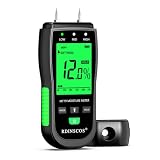
- FIND HIDDEN WALL MOISTURE EARLY — Check suspicious drywall and building surfaces after a leak, water stain, or other moisture concern. Detect abnormal moisture before a small issue develops into more extensive damage and costly repairs
- CHECK BEFORE YOU REPAIR — Don't rely on a wall looking or feeling dry. Use the moisture meter to check questionable areas before painting, repairing, or covering the surface, helping you make decisions based on actual moisture readings.
- CHECK FIREWOOD BEFORE YOU BURN — Test firewood before placing it in your fireplace or wood stove. Knowing the moisture level of your firewood helps you choose wood that is ready for burning and avoid relying on appearance alone.
- PIN-TYPE TESTING FOR DIRECT MEASUREMENTS — The contact pins penetrate the material to measure moisture inside wood and building materials. This makes it useful for checking areas where surface conditions may not tell the whole story.
- ONE TOOL FOR TWO IMPORTANT HOME CHECKS — Keep it ready for two practical jobs: checking walls for hidden moisture and checking firewood before burning. A simple way to make informed decisions before a moisture problem becomes expensive or wood goes into the fireplace.
Permits, Codes, and Inspection Risk
Before buying lumber for a deck, shed, addition, garage, structural wall change, beam replacement, stair, or covered porch, check permit requirements. Many jurisdictions require permits for decks above a certain height, attached structures, electrical work, structural framing, additions, and sheds over a size threshold. Local rules vary, and the cheapest time to discover the requirement is before the truck arrives.
The 2024 International Residential Code includes prescriptive framing requirements, span tables, fastening schedules, and floor-framing provisions that many local codes adopt or modify. Your local building department may use the IRC with amendments, an older code cycle, local snow loads, wind requirements, frost-depth rules, seismic requirements, or deck-specific handouts. That can change joist size, beam size, post footing depth, lateral load details, ledger attachment, stair geometry, and guard requirements.
Inspection risk is real money. If you buy non-grade-stamped lumber for structural framing, the inspector may reject it. If you use the wrong treated category for ground contact, you may have to remove and replace installed work. If you frame a long span with doubled dimensional lumber where the plans require an engineered beam, the material savings disappear fast.
When Cheap Lumber Is a False Economy
Cheap lumber is unsafe or expensive when it compromises structure, durability, inspection, or labor. We are willing to use discounted material for temporary bracing, forms, blocking, shop fixtures, and noncritical utility work. We are not willing to use questionable material for beams, joists, rafters, deck posts, stair stringers, guards, ledgers, or load-bearing walls.
Crashes, No Sound, or Screen Glitches?
Random freezes, missing sound and display glitches usually trace back to one bad driver. Find and replace yours safely.Free scan · under a minutePC Slower Than It Used to Be?
A free scan shows the junk files, broken settings and background clutter dragging Windows down - then fixes them in one click.Free scan · Windows 10 & 11Watch for these red flags at pickup: severe twist, large crown, deep checks at bearing points, long splits, loose knots at high-stress areas, heavy wane where fasteners need full bearing, black staining or mold on stored wet lumber, missing grade stamps on structural pieces, and treatment tags that do not match the exposure. For plywood and OSB, check swollen edges, delamination, broken corners, water damage, thickness, panel rating, and tongue-and-groove condition.
Also be careful with mixed bundles. A pile may contain different grades, species, or moisture conditions. If your plan calls for No. 2 or better 2×10 joists, do not let a mixed or downgraded substitute slip into the package without approval. Small differences can change allowable spans.
DIY Lumber Buying Versus Hiring a Pro
Buying lumber yourself makes sense for small repairs, shelving, raised beds, simple nonstructural projects, fence pickets, blocking, and minor trim where you can inspect every piece and fit the material in your vehicle. It can also work for a small deck or shed if you have approved plans, understand treatment requirements, and can manage storage, layout, fastening, and inspections.
Hire a pro or at least get professional help when the project affects structure, water management, life safety, or resale. That includes decks attached to the house, elevated decks, stairs, guardrails, load-bearing walls, beams, headers, roof framing, additions, garages, major remodels, and any project requiring engineered lumber or permit drawings.
A contractor brings more than labor. On our job sites, the savings often come from ordering the right package once, scheduling delivery close to installation, rejecting bad stock before it slows the crew, using the right fasteners, and framing to pass inspection the first time. For a homeowner, a $200 lumber “savings” can disappear in one failed inspection, one truck rental, or one weekend spent replacing warped boards.
A Practical Buying Plan for Your Next Lumber Order
Start with the project, not the store. Write a cut list or takeoff. Separate structural lumber, treated lumber, appearance lumber, panels, blocking, and hardware. Mark anything that must meet code, span tables, or an approved plan. Then price the same list locally.
Also popular on Amazon

- FIND HIDDEN WALL MOISTURE EARLY — Check suspicious drywall and building surfaces after a leak, water stain, or other moisture concern. Detect abnormal moisture before a small issue develops into more extensive damage and costly repairs
- CHECK BEFORE YOU REPAIR — Don't rely on a wall looking or feeling dry. Use the moisture meter to check questionable areas before painting, repairing, or covering the surface, helping you make decisions based on actual moisture readings.
- CHECK FIREWOOD BEFORE YOU BURN — Test firewood before placing it in your fireplace or wood stove. Knowing the moisture level of your firewood helps you choose wood that is ready for burning and avoid relying on appearance alone.
- PIN-TYPE TESTING FOR DIRECT MEASUREMENTS — The contact pins penetrate the material to measure moisture inside wood and building materials. This makes it useful for checking areas where surface conditions may not tell the whole story.
- ONE TOOL FOR TWO IMPORTANT HOME CHECKS — Keep it ready for two practical jobs: checking walls for hidden moisture and checking firewood before burning. A simple way to make informed decisions before a moisture problem becomes expensive or wood goes into the fireplace.
For a small repair under $100, convenience may matter more than a perfect quote process. Check the nearest store, inspect the boards yourself, and buy one or two extras if returns are easy. For a deck, shed, remodel, or framing package, get three quotes and compare total delivered cost. Ask each supplier to clarify substitutions. A cheaper quote that changes species, grade, treatment, or length is not the same quote.
Schedule delivery close to the work date. If lumber has to sit, keep it elevated on level supports, covered from direct rain on top, and open on the sides for airflow. Do not leave it sitting on grass, soil, or a damp slab. Keep engineered lumber and panels especially well protected.
Finally, inspect before installation. Crown joists consistently. Cull twisted boards before they become layout problems. Use the best-looking boards where they will be seen. Use cutoffs for blocking where allowed. Return bad material promptly and document shortages or damage with photos.
Bottom Line
The best way to find affordable lumber near you is to shop like a builder: define the material, quote the same list, include delivery and waste, verify code requirements, and inspect before installing. In 2026, a common 2x4x8 around $4 may be a fair retail price, but the lowest shelf tag is only one part of the decision.
For nonstructural projects, bargain boards, salvage, and local deals can make sense. For framing, decks, stairs, beams, and permitted work, buy grade-stamped, correctly treated lumber from a supplier that can stand behind the package. The right lumber costs less than replacing the wrong lumber after it is nailed in place.
Frequently Asked Questions
Where is the cheapest place to buy lumber near me?
For small quantities, a big-box store is often cheapest and most convenient. For decks, sheds, remodels, and framing packages, compare a home center, a local lumberyard, and a building-material supplier using the same takeoff. The lowest board price is not always the lowest delivered, usable cost.
Do these 3 things before closing this tab:
1Scan for outdated or missing drivers - takes under a minute2Clear out junk files and repair common Windows errors3Fix the driver behind crashes, sound loss and screen glitchesIs a lumberyard cheaper than Home Depot or Lowe’s?
Sometimes. Home centers can be very competitive on common 2x4s and small orders. Lumberyards often become more cost-effective when you need straighter stock, better grades, longer lengths, delivery, engineered lumber, or a full package quote.
How much does a 2×4 cost in 2026?
Common 2x4x8 retail examples in 2026 are around $3.98 to $4.48 per board, with 2x4x10 boards around $5.42 to $6.98 and 2x4x12 boards around $6.48 to $8.46. Prices vary by ZIP code, species, grade, store inventory, and volume discounts.
Can I use reclaimed or sawmill lumber for framing?
Use caution. Reclaimed or rough-sawn lumber may be fine for nonstructural projects, but permitted structural framing usually needs grade-stamped lumber or accepted documentation. Ask your local building department before using ungraded material for joists, beams, rafters, posts, or load-bearing walls.
What pressure-treated lumber do I need for a deck?
Deck lumber must match the exposure. Above-ground, ground-contact, ledger, post, stair, and critical-structure conditions can require different treatment levels. Confirm the required category with your plans, local code office, or supplier, and use compatible galvanized or stainless hardware where required.
How much extra lumber should I buy for waste?
For many DIY projects, plan on 10% to 15% extra lumber. Increase that if the boards are low grade, the project has many angled cuts, the pile needs heavy culling, or returns are difficult. Buying exact counts often leads to delays.
Quick Recap
Product prices and availability are accurate as of the date/time indicated and are subject to change. Any price and availability information displayed on Amazon at the time of purchase will apply.

