Some links on this page are affiliate links: if you buy through them we may earn a commission, at no extra cost to you.
The affordable upgrades that increase home value most reliably are the ones that remove buyer objections fast. A fresh coat of paint, better lighting, cleaner cabinet hardware, a crisp backsplash, a sharper front entry, and repaired high-traffic flooring can make a house feel more current without turning into a full remodel.
On our job sites, we look at these projects through a builder’s lens: what will photograph well, what will survive inspection, what will look intentional up close, and what will not create hidden repair work. A $300 weekend project can help, but a poorly drilled cabinet door, loose light fixture, wavy tile edge, or flooring laid over moisture problems can do the opposite.
As an Amazon Associate I earn from qualifying purchases.
Windows Errors? Fix Them Before They Spread
Repair common Windows errors and clear accumulated junk for a smoother, more stable PC - no reinstall needed.Free scan · no reinstallOutdated Drivers Are Slowing You Down
One free scan finds every outdated or missing driver and matches the right update for your exact hardware.Free scan · exact hardware matchFor 2026 budgets, homeowners should expect interior painting to run about $2 to $6 per square foot, standard light fixture replacement to commonly land between about $158 and $1,021, cabinet hardware installation to price around $31 to $49 per handle when hired out, backsplash installation to run about $15 to $50 per square foot, luxury vinyl plank flooring to often land around $4 to $11 per square foot installed, and exterior door installation to commonly start near $957 to $1,458 per door before premium doors or structural repairs.
The goal is not to make the house look expensive. The goal is to make it look cared for, bright, cohesive, and move-in ready.
Popular on Amazon

- Save up to 23% every year on heating and cooling costs, adjusts to your set schedule to save energy when you’re gone and optimize comfort when you’re home. Compared to a hold of 72
- Compatible with 85% of systems, check your system’s compatibility with our online ecobee Compatibility Checker on the ecobee support page
- Change your temperature by easily tapping the color touchscreen or using the ecobee app. Plus, free software upgrades ensure you get the best out of your Smart Thermostat Essential, for years to come
- Automatically adjusts to your set schedule to save energy when you’re gone and optimize comfort when you’re home. Keep track of your energy consumption when you're on the go on the ecobee app
- Easy DIY install. No C Wire, no problem. Get the ecobee Power Extender Kit (PEK) for homes without a C-Wire and keep your walls looking nice with our trim kit – both sold separately
Start With the First 15 Feet Buyers See
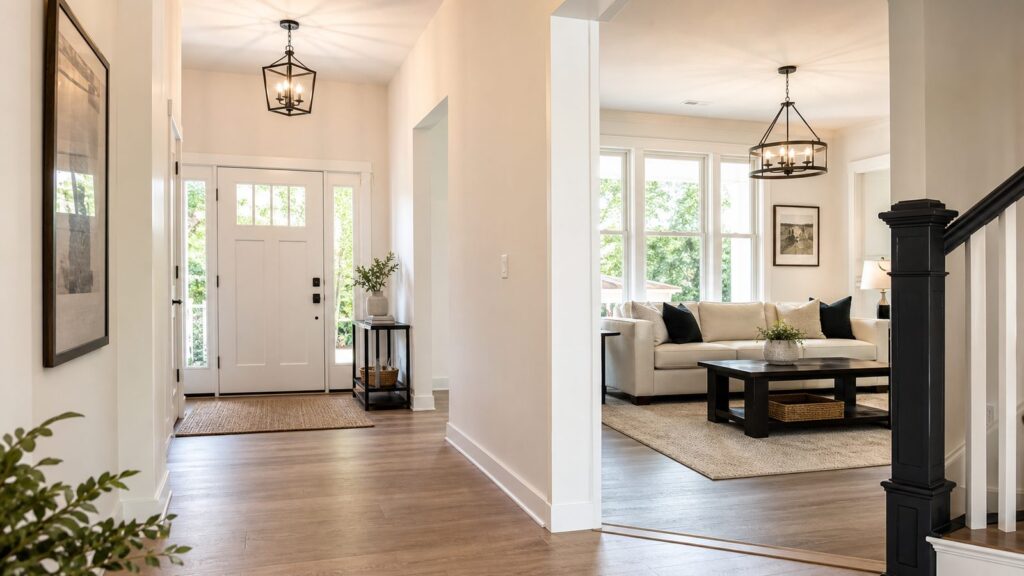
Before picking finishes, walk through your home like a buyer. Start at the curb, approach the front door, step inside, and stop after the first 15 feet. That short path usually tells buyers whether the property feels maintained or neglected.
We pay close attention to the front walk, entry hardware, door paint, porch light, foyer wall color, flooring transitions, smell, switch plates, trim condition, and the first view into the kitchen or living room. None of those items require a luxury remodel, but together they shape the buyer’s first condition judgment.
What’s actually slowing this PC down?
Pick the symptom - the matching free tool is one click away.
Exterior return-on-investment data continues to support this practical approach. In the 2025 Cost vs. Value benchmarks, garage door replacement averaged $4,672 with a 268% cost recouped figure, steel entry door replacement averaged $2,435 with 216% cost recouped, manufactured stone veneer averaged $11,702 with 208%, and a minor midrange kitchen remodel averaged $28,458 with 113%. Those are not promises for your specific house, but they show a pattern: buyers respond strongly to visible condition, entry appeal, and restrained updates.
For a smaller budget, you can borrow the same principle without replacing half the exterior. Clean the approach, correct obvious wear, improve lighting, and make the first interior view feel fresh.
| Upgrade | Typical 2026 Cost Range | Best Use | Watch For |
|---|---|---|---|
| Interior paint | $2-$6 per sq. ft.; often $2,500-$8,000 for a 2,000 sq. ft. home | Dated colors, scuffed walls, poor listing photos | Drywall repair, primer, trim, ceilings, occupied-home protection |
| Lighting refresh | $65-$175 labor for simple replacement; many installs $158-$1,021 | Dark rooms, dated fixtures, inconsistent bulbs | Permits, new wiring, fixture weight, ceiling height, dimmers |
| Hardware and backsplash | Hardware about $31-$49 per handle installed; backsplash about $15-$50 per sq. ft. | Solid cabinets that look dated | Hole spacing, outlet cuts, wall flatness, grout lines, edge trim |
| Entry and curb appeal | DIY refresh often under $2,000; exterior door install often $957-$1,458+ | Weak first impression, worn door, overgrown landscaping | Rot, flashing, drainage, security hardware, energy rating |
| Resilient flooring | Commonly $4-$11 per sq. ft. installed for LVP | Stained carpet, damaged entries, rental-grade finishes | Subfloor prep, moisture, transitions, stairs, baseboards |
1. Repaint With Buyer-Friendly Color and Proper Prep
Paint is still the lowest-risk interior upgrade when it is done cleanly. It makes listing photos brighter, hides years of scuffs, corrects dated color choices, and signals that the home has been maintained. The mistake is treating paint as only a color decision. The real value is in surface preparation.
For 2026, interior painting commonly costs $2 to $6 per square foot. A 2,000-square-foot house can reasonably run $2,500 to $8,000 depending on whether the scope includes ceilings, trim, doors, drywall repair, primer, multiple colors, tall walls, stairwells, furniture protection, and cleanup.
The Tool Desk
Outbyte PC Repair FREEClear out junk files and repair common Windows errorsFree Scan →Outbyte Driver Updater FREEScan for outdated or missing drivers - takes under a minuteDriver Scan →Colors That Work for Resale
For resale, we usually steer homeowners toward warm whites, soft greiges, balanced off-whites, muted greens, and quiet neutrals. The color should make trim look clean and floors look intentional. Stark white can feel cold in a north-facing room, while heavy beige can make a house feel older than it is.
Test large swatches before committing. Paint at least a 2-foot by 2-foot sample on two walls in the same room, then look at it in morning light, afternoon light, and under your actual bulbs at night. A color that looks calm under daylight can turn yellow, gray, or pink under 2700K to 3000K residential lighting.
Where Paint Adds the Most Perceived Value
Prioritize the foyer, living room, kitchen walls, primary bedroom, hallways, stair walls, and any room with visible patches or bold color. If the budget is tight, repaint the connected public spaces first so the home feels continuous from the entry.
Do not skip trim if it is yellowed, chipped, or heavily caulked. Fresh walls next to tired trim can make the trim look worse. Door casings, baseboards, stair skirts, and window trim take abuse and often need sanding, caulk, primer, and a durable enamel finish.
DIY or Hire a Pro?
DIY painting makes sense for a single bedroom, clean drywall, 8-foot ceilings, and simple color changes. Hire a pro when the home has high walls, stairwells, damaged drywall, stained surfaces, smoke residue, water marks, glossy trim, built-ins, or a listing deadline. Primer selection matters. Water stains, marker, nicotine, knots, and patched areas may bleed through standard wall paint if they are not sealed first.
Also plan for drying time and odor. Low-VOC products help, but occupied homes still need ventilation and a realistic schedule. Most interior repaint projects take 2 to 5 working days depending on scope and crew size.
Also popular on Amazon

- Smart upgrade - Amazon Smart Thermostat is an easy way to switch from a traditional thermostat and help reduce energy usage.
- Create comfort zones throughout your home by using select Echo devices or Amazon Smart Air Quality Monitor to automatically adjust heating and cooling based on temperature readings or presence detection.
- Save money - After purchase, Amazon will send you an email with details about rebates that may be available from energy providers in your area. Explore rebates above.
- Save energy - According to EPA estimates, ENERGY STAR certified thermostats save an average of $50 on yearly energy bills.
- Automatic Control - Alexa can automatically switch between your preferred home, away, and sleep temperatures.
2. Upgrade Lighting So Rooms Feel Finished, Not Just Brighter
Lighting is one of the fastest ways to make a house feel updated, but it is also where homeowners can accidentally cross into electrical work that needs a permit or licensed electrician. Replacing a fixture on an existing rated box is very different from adding recessed lights, moving a junction box, installing new switches, or running new wiring.
As a budget guide, simple light fixture replacement labor may run about $65 to $175 plus the fixture. Standard installation often lands from about $158 to $1,021, while heavy chandeliers, tall foyers, new bracing, lifts, dimmers, smart controls, and drywall repair can push costs much higher. Chandeliers and complex installations can reach several thousand dollars.
Recommended Free Tools
Use Layers Instead of One Big Fixture
Designers rely on lighting layers because they make rooms feel functional and photographed well. In practical terms, that means ambient lighting for general brightness, task lighting where work happens, and accent lighting where it adds depth.
In a kitchen, that might mean a clean ceiling fixture or recessed lights, under-cabinet lighting at prep areas, and pendants over an island. In a bathroom, it means avoiding a single overhead light that casts shadows on the face. In a living room, it can mean a ceiling fixture paired with lamps or sconces, not a harsh center light doing all the work.
Keep bulb temperature consistent. Most homes feel best with 2700K to 3000K bulbs. Mixing 5000K daylight bulbs with warm lamps in the same sightline makes rooms feel disjointed and cheaper, even when the fixtures are new.
What to Replace First
Start with fixtures buyers see immediately: porch light, foyer light, dining fixture, kitchen pendants, bathroom vanity lights, hallway flush mounts, and dated ceiling fans. A good replacement does not need to be flashy. Clean scale, correct height, and consistent finish matter more than trend-heavy design.
For dining lights, a common target is hanging the bottom of the fixture about 30 to 36 inches above the tabletop. For kitchen island pendants, spacing often works best around 24 to 30 inches apart, depending on pendant diameter and island length. Oversized fixtures in small rooms look forced; undersized fixtures look like placeholders.
Safety and Permit Notes
Electrical rules vary by jurisdiction. Adding, relocating, or rewiring fixtures often requires an electrical permit and a licensed electrician. Some areas require permits even for specific fixture changes, especially where new wiring, panels, damp locations, or exterior circuits are involved. Bathroom, kitchen, garage, and outdoor fixtures also bring GFCI, damp-rated, wet-rated, and box-support requirements into play.
DIY is reasonable for changing bulbs, matching color temperature, replacing plug-in lamps, or swapping a basic fixture only if you know the circuit is off, the box is properly rated, and the wiring is in good condition. Hire an electrician for aluminum wiring, old cloth wiring, no ground, flickering circuits, warm switches, heavy fixtures, new locations, recessed lighting, exterior lighting, or anything involving a new dimmer where load compatibility is uncertain.
3. Refresh Cabinets, Faucets, and Backsplashes Without Replacing the Kitchen
A full kitchen remodel is not always the right move before selling. If the cabinet boxes are solid and the layout works, a targeted refresh can make the kitchen feel current for a fraction of the cost. This is where cabinet hardware, faucets, sink accessories, lighting, and backsplash work together.
Do these 3 things before closing this tab:
1Repair Windows errors before they cause bigger problems2Fix the driver behind crashes, sound loss and screen glitches3Clear out junk files and repair common Windows errorsHardware installation is often priced around $31.34 to $48.82 per handle when hired out. DIY hardware can cost far less in materials, but drilling mistakes are permanent. A crooked pull or blown-out cabinet face draws the eye every time someone opens the door.
Hardware: Measure Before You Buy
Do not choose cabinet pulls by appearance alone. Measure existing hole spacing center-to-center. Common sizes include 3 inches, 3-3/4 inches, 5 inches, and larger appliance-style pulls. If you replace a 3-inch pull with a 5-inch pull, you will need to fill, sand, and finish old holes, which can turn a simple project into cabinet refinishing.
Also popular on Amazon

- PRIVACY PROTECTION*: Sensi won’t sell your personal information to third parties
- EASY DIY INSTALLATION: Use the built-in level and step-by-step app instructions for a quick installation. Works with HVAC equipment found in most homes. Common wire (c-wire) is not required in most applications
- SAVE ABOUT 23% ON HVAC ENERGY*: The ENERGY STAR-certified Sensi smart thermostat can help you save energy with features like flexible scheduling, remote access and usage reports
- SIMPLE CONFIGURATION: Looks and feels like a thermostat. Has buttons and fits the same space as a traditional thermostat so you don’t have to patch and paint your walls
- SMART MAINTENANCE: Sensi can help monitor the performance and efficiency of your HVAC system by delivering valuable usage reports, alerts about your equipment, and maintenance reminders like filter replacement
Scale matters. Small knobs can look lost on tall shaker doors. Oversized pulls can overwhelm narrow drawers. On most standard kitchens, a consistent pull size for doors and a slightly larger size for wide drawers gives a clean result.
Metals should coordinate, not necessarily match perfectly. Limit the kitchen to one or two dominant finishes. Matte black with stainless appliances can work. Brushed nickel with chrome plumbing can work if the undertones are close. Brass can look sharp, but it needs to be repeated intentionally in lighting, hardware, or accessories so it does not feel random.
Quick wins for a faster PC:
Scan for outdated or missing drivers - takes under a minuteDriver Scan →Clear out junk files and repair common Windows errorsFree Scan →Backsplash: Simple Tile, Better Execution
Backsplash installation in 2026 commonly ranges from about $15 to $40 per square foot, with some estimates around $28 to $50 per square foot depending on tile, labor, pattern, wall condition, outlet cuts, grout, and trim. A typical 25-square-foot backsplash may land around $800, but complex tile or repair work can raise that quickly.
For resale, timeless shapes usually outperform complicated patterns. Straight-set subway tile, handmade-look ceramic, small-format squares, quiet stone-look porcelain, or a simple vertical stack can all work. The detail that separates a professional-looking backsplash from a DIY-looking one is execution: flat substrate, clean layout lines, aligned outlets, consistent grout joints, sealed penetrations, and finished exposed edges.
Before tile starts, remove old adhesive ridges, repair damaged drywall, check that the counter-to-cabinet height is consistent, and plan the layout around the most visible wall. Tiny slivers at the end of a run, rough outlet cuts, and unfinished edges make inexpensive tile look cheaper than it is.
DIY or Hire a Pro?
DIY hardware is reasonable if you use a drilling jig, confirm hole spacing, test on scrap, and take your time. DIY backsplash can work for a small, straight wall with ceramic tile and few outlets. Hire a pro for glass tile, natural stone, herringbone, uneven walls, lots of outlet cuts, wet zones, or any area where the edge details will be highly visible.
Free tools Windows power users keep installed
One-click scans. No signup required.
For faucets, check hole count, deck thickness, supply line condition, shutoff valves, and clearance behind the sink. If shutoffs are corroded or the sink base shows water damage, bring in a plumber before a simple faucet swap becomes a leak repair.
4. Improve the Front Entry and Curb Appeal Before Buying Decor
Curb appeal works because buyers judge maintenance before they judge style. A clean walkway, trimmed shrubs, visible house numbers, a working porch light, fresh mulch, and a solid front door do more than decorate. They reduce doubt.
Professional landscaping can range widely. National 2026 figures show broad professional landscaping ranges from about $3,300 to $13,200, while simpler landscaping projects may fall around $1,047 to $2,465. A focused DIY curb-appeal refresh can often stay under $2,000 if it avoids grading, irrigation, mature trees, drainage work, and hardscape changes.
Best Low-Cost Exterior Moves
Start with maintenance. Pressure wash siding, walks, porch floors, and steps where the material allows it. Scrape and repaint peeling trim. Repair rot before painting over it. Edge the lawn, prune shrubs away from windows, remove dead plantings, refresh mulch to about 2 to 3 inches deep, clean gutters, and make sure water drains away from the foundation.
Then upgrade the entry details. Repaint the front door, replace worn weatherstripping, install clear house numbers, update the mailbox if it is damaged, add a simple path light, and replace a dated porch fixture with a properly rated exterior light. A new lockset or smart lock can help, but it should feel secure and fit the door properly.
If the door itself is damaged, inefficient, swollen, or visibly dated, replacement may be worth pricing. Exterior door installation commonly runs about $957 to $1,458 per door for many standard situations, while the steel entry-door replacement benchmark shows a $2,435 job cost and $5,270 resale value. Costs rise with frame rot, sidelites, custom sizes, thresholds, flashing, paint or stain, security hardware, and energy-rated assemblies.
Also popular on Amazon

- COMMON WIRE REQUIREMENTS: Designed to work without a C-wire in most homes, but for some systems, including heating only, cooling only, and heat pump systems, you’ll need a C-wire or other compatible power accessory
- EASY DIY INSTALLATION: Do it yourself fast with a built-in level and simple step-by-step instructions. Works with the HVAC equipment found in most homes
- SAVE ABOUT 23% ON HVAC ENERGY: ENERGY STAR-certified and packed with features that help you save money, including flexible scheduling, geofencing, remote access and usage reports
- PRIVACY PROTECTION: Sensi won’t sell your personal information to third parties or leverage your thermostat activity data for targeting or advertising purposes
- CONTROL FROM ANYWHERE: The top-rated mobile app for Android and iOS devices makes it easy to control your comfort from a smartphone or tablet
Do Not Create New Problems Outside
Exterior work has more building-science risk than people expect. A door is not just a slab. It is part of the weather barrier. Poor flashing, bad sill pan work, missing sealant, or an out-of-square frame can lead to leaks and rot. Safety glazing, egress, energy-code, and security requirements can also apply depending on location and opening type.
With landscaping, avoid piling mulch against siding or burying the top of the foundation. Keep soil and mulch below weep holes and wood trim. Plants should be selected for mature size, not nursery size. A shrub that looks tidy at 18 inches can block windows, trap moisture, and make the house look neglected in three years.
DIY or Hire a Pro?
DIY makes sense for washing, weeding, mulch, small plants, house numbers, mailbox replacement, and door paint if the door is sound. Hire a pro for door replacement, rot repair, masonry repairs, drainage correction, irrigation, exterior electrical work, major pruning, retaining walls, and any project that affects water movement near the foundation.
Independent reader supportYour contribution helps us test, update, and keep practical guides available for everyone.5. Replace Worn Flooring Where Buyers Notice It Most
Flooring has a large effect on perceived value because buyers look down immediately when they enter a house. Stained carpet, scratched vinyl, loose transitions, cracked tiles, and spongy subfloors all raise questions about maintenance. You do not always need to replace flooring throughout the home, but you should address the areas that make the house feel worn.
Luxury vinyl plank, often called LVP, is a strong value option for entries, kitchens, baths, basements, laundry rooms, rentals, and high-traffic spaces. Material commonly runs about $2 to $4 per square foot, with labor around $3 to $5 per square foot in many standard installs. Broader installed pricing often lands around $4 to $11 per square foot depending on product quality and prep.
Use Fewer Transitions
One continuous material through connected public spaces usually makes a house feel larger and more expensive. Too many flooring changes make the layout feel chopped up. If the foyer has tile, the living room has carpet, the hall has laminate, and the kitchen has sheet vinyl, buyers read that as patchwork.
Quick wins for a faster PC:
Repair Windows errors before they cause bigger problemsFix Now →Fix the driver behind crashes, sound loss and screen glitchesFind Drivers →When replacing flooring, plan transitions carefully. Doorways, stair nosings, sliding doors, fireplaces, bathroom thresholds, and changes in floor height need clean details. A $3-per-square-foot plank can look sharp with good prep and transitions. A premium plank can look poor if it floats over humps, dips, or debris.
Specs That Matter
For resale and durability, look beyond color. Compare wear layer, overall thickness, waterproof core, attached pad, locking system, slip resistance, warranty terms, and whether the product is approved for the room. In wet areas, waterproof flooring does not mean the whole assembly is waterproof. Water can still reach edges, walls, cabinets, and subfloor penetrations.
Subfloor flatness is a major cost driver. Many plank products require the floor to be flat within tight tolerances, often around 3/16 inch over 10 feet, though requirements vary by manufacturer. Leveling, patching, old flooring removal, adhesive residue, baseboard removal, door trimming, stairs, and moisture mitigation can add real labor.
DIY or Hire a Pro?
DIY LVP can work in a small square room with a flat subfloor, simple trim, and no stairs. Hire a pro for connected rooms, kitchens with islands, bathrooms, stairs, uneven slabs, moisture concerns, old tile removal, or any installation where baseboards and door casings need a clean finished detail.
Do not cover up a moisture problem. If carpet smells musty, vinyl is curling, tile grout is dark at the edges, or a slab shows moisture, diagnose that first. New flooring over an active water issue is not an upgrade. It is a temporary cover.
How to Decide What to Spend Before Selling
A good pre-sale upgrade budget is based on the home’s current condition, local buyer expectations, and the price band. For many sellers, the right number is not a percentage of home value. It is the smallest scope that makes the house feel clean, current, and well maintained.
Also popular on Amazon

- High use of the scheduling feature of the T5 thermostat saved customers between 8 and 16% on heating and cooling bills. Dollar savings range based on nationwide average annual single-family detached home's heat and cooling bills; actual savings varies based on consumption.
- Save Energy and Get Rewarded. Check with your energy provider about available energy savings rebates to save on your purchase. Plus, eligible customers can enroll in their local Utility's "DEMAND RESPONSE PROGRAM" which can reward you for allowing the utility to slightly adjust your AC or furnace temperature settings when there is high energy demand.
- 7-Day Flexible Scheduling or Location Based Temperature Control. It’s your choice. 7-day scheduling programs your thermostat. Geofence technology helps make you comfortable by using your smartphone’s location to know when you’re away and when you return.
- Auto Home and Away Mode. Enjoy ideal temperatures at home, then save when away.
- ENERGY STAR certified. Help save energy, track your heating and cooling with monthly energy reports and get personalized tips on reducing energy use.
Walk the house with three questions. What looks worn in photos? What will buyers mention during a showing? What will an inspector or appraiser flag as poor workmanship, damage, or safety concern?
If the home is already clean and neutral, do not spend heavily just to chase trends. If the home has obvious scuffs, dark rooms, dated fixtures, worn carpet, and a tired entry, a focused $3,000 to $15,000 package can often change the whole feel of the property. That might include paint in main areas, new lighting in the foyer and kitchen, hardware, a backsplash, entry refresh, mulch, and selective flooring repair.
Free tools Windows power users keep installed
One-click scans. No signup required.
Price the full installed scope, not just materials. The budget should include prep, demo, disposal, protection, patching, permits, inspections, trim work, caulk, paint, hardware, transitions, cleanup, and contingency. A 10% to 20% contingency is practical for older homes because small upgrades often expose old repairs.
Affordable Does Not Mean Careless
The upgrades designers keep recommending are not valuable because they are trendy. They work because they help buyers believe the home has been cared for. Fresh paint makes rooms feel clean. Layered lighting makes spaces usable. Hardware and backsplash updates sharpen kitchens and baths. Curb appeal improves trust before the door opens. Resilient flooring removes one of the most visible signs of wear.
The best results come from restraint. Choose durable, neutral materials. Keep finishes coordinated. Respect code and permit triggers. Fix substrate, wiring, rot, moisture, and prep issues before installing the pretty layer. On a real job site, the finish is only as good as what is underneath it.
If you are prioritizing, start with the first 15 feet, the main living areas, the kitchen sightline, the primary bath, and the floors buyers touch every day. That is where affordable upgrades most often turn into stronger offers, fewer objections, and a home that feels ready instead of almost ready.
Frequently Asked Questions
What affordable upgrades add the most value to a home in 2026?
The strongest low-cost upgrades are fresh interior paint, updated lighting, cabinet hardware and backsplash improvements, front-entry curb appeal, and replacing visibly worn flooring. These upgrades improve perceived condition, listing photos, and buyer confidence without requiring a full remodel.
How much should I spend on small home upgrades before selling?
Many sellers can make a meaningful difference with a focused $3,000 to $15,000 scope, depending on the home’s condition. Prioritize visible wear, dark rooms, dated fixtures, entry appeal, and damaged flooring before spending on trend-driven finishes.
Do I need a permit to replace light fixtures, doors, flooring, or a backsplash?
Permit rules vary by jurisdiction. Simple cosmetic work may not need a permit, but adding or relocating electrical fixtures, running new wiring, replacing exterior doors, changing structural openings, or doing work in wet areas can trigger permit, inspection, or licensed-trade requirements.
Is painting still worth it before listing a house?
Yes, when walls are scuffed, colors are dated, or photos look dark. Interior painting commonly costs $2 to $6 per square foot, but it can make a home feel cleaner and better maintained. Proper drywall repair, primer, and trim work are what make the result look professional.
Is luxury vinyl plank a good resale upgrade?
Luxury vinyl plank can be a strong value upgrade in entries, kitchens, baths, basements, rentals, and high-traffic areas. Installed costs often range from about $4 to $11 per square foot, but subfloor prep, moisture issues, transitions, stairs, and baseboards can change the final price.
Which home upgrades should not be DIY?
Avoid DIY work involving new electrical wiring, heavy fixtures, exterior door replacement, rot repair, drainage correction, complicated tile layouts, plumbing with corroded shutoffs, stairs, and flooring over uneven or damp subfloors. Mistakes in those areas can cost more than hiring a pro first.
Quick Recap
Product prices and availability are accurate as of the date/time indicated and are subject to change. Any price and availability information displayed on Amazon at the time of purchase will apply.

