Recommended Free Tools
To winterize a sprayer, first clean pesticide residue according to the pesticide label, drain as much water as possible, then circulate a compatible winterizing fluid through the pump and every applicable line until it reaches each outlet. Protect removable parts and sensitive electronics, and follow the sprayer manual and fluid label: the right product and quantity depend on the machine and its plumbing.
1. Start with safety and the equipment instructions
Before cleaning or servicing the sprayer, wear eye protection, gloves and waterproof footwear at a minimum, as UNH Extension advises in its winterizing guidance. Follow the pesticide label for handling residues, cleaning the equipment and disposing of rinsate. Do not spray rinsate near waterbodies or ditches; use a location and method allowed by the label and applicable requirements.

As an Amazon Associate I earn from qualifying purchases.
Check the operator’s manual or contact the manufacturer for model-specific cleaning and winterizing directions. Purdue Extension advises: “Check your sprayer’s operator manual or manufacturer to determine the best winterizing solution for your needs.”
PC Slower Than It Used to Be?
A free scan shows the junk files, broken settings and background clutter dragging Windows down - then fixes them in one click.Free scan · Windows 10 & 11Crashes, No Sound, or Screen Glitches?
Random freezes, missing sound and display glitches usually trace back to one bad driver. Find and replace yours safely.Free scan · under a minute2. Clean pesticide residue and flush the full plumbing system
Use the cleaning agent and sequence specified by the pesticide label and equipment manufacturer. A tank rinse alone may not clean residue from boom ends, valves, dead spaces or separate plumbing circuits. Flush those parts too, and manage all rinsate according to the label.
#1 Best Overall

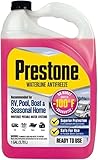
- BURST PROTECTION PERFORMANCE (-50°F) – Helps protect pipes and systems from freezing damage during cold weather storage
- DESIGNED FOR MULTIPLE SYSTEMS – Suitable for RVs, boats, pools, spas, and seasonal plumbing applications
- SYSTEM PROTECTION FORMULA – Helps support protection of pipes, seals, and system components during winterization
- EASY APPLICATION – Designed for straightforward use when preparing systems for cold weather conditions
- RELIABLE WINTERIZING SOLUTION – Helps maintain system integrity during off-season storage
UNH Extension describes circulating clean water, using a commercial tank cleaner or another label-recommended cleaner when appropriate, then flushing the cleaner out and draining the system. Wash the exterior as well. Avoid directing a pressure washer at seals, hoses or diaphragms.
A guide-specific example for triple rinsing
Oregon State University Extension’s air-blast sprayer guide describes using water equal to about 10% of tank capacity per rinse, circulating under pressure for about five minutes, and spraying the diluted rinsate out. It recommends opening boom or manifold ends to flush dead spaces and removing nozzles and screens to clear debris. Repeat three times or until the rinse water is clear. These figures describe that guide’s procedure; they are not a universal substitute for the pesticide label or your sprayer’s instructions. See Oregon State’s sprayer maintenance guide.
3. Remove water and inspect removable parts
Drain the tank and plumbing as thoroughly as the equipment instructions allow before adding winterizing fluid. Pay attention to low points and places where water can remain trapped, including the pump, hoses and valves. Kansas State University also recommends servicing the pump and removing as much water as possible; follow the manufacturer’s directions if using air to clear moisture.
Rank #2

- Designed for use with recreational vehicles, boats, spas, pools, and vacation homes
- Formulated for -50 degree F burst protection
- Convenient, ready-to-use solution
- Proprietary plant-derived additive. Improves user safety when compared to ethylene glycol-based products
- Safe for incidental contact with people, pets, and wildlife. Readily biodegradable and non-toxic to aquatic life
Remove and clean filters, strainers, screens, nozzles and check valves as directed. If parts must return to particular locations, label them as you remove them. Inspect for wear or damage and use model-compatible replacements where needed. Oregon State suggests gently scrubbing removed nozzles in warm detergent water with a soft-bristled brush, then rinsing and drying them.
4. Choose winterizing fluid for your sprayer, then circulate it through every circuit
Extension guidance commonly recommends RV antifreeze for sprayer winter storage, but products sold for this purpose are not all interchangeable. Check the sprayer manual and the fluid label for compatibility with the pump, seals and other components, corrosion protection and performance at the temperatures you expect. Purdue Extension cautions that manufacturers in most cases do not recommend automotive ethylene-glycol antifreeze for sprayers because its corrosion-inhibitor chemicals can deteriorate plastic parts and pump seals. Purdue also discusses concerns with some ethanol-glycol RV products, so do not assume every RV antifreeze formulation is suitable.
Read the product label for its stated freeze and burst protection. The freeze point is where crystals begin forming and the fluid becomes slushy; burst protection concerns the temperature associated with pipe rupture. Choose protection appropriate for expected conditions and the equipment maker’s requirements.
Estimate the amount from the plumbing, not just the tank
There is no universal quantity for every sprayer. Purdue offers 1.5 to 2 times the capacity of the sprayer’s plumbing as a general rule of thumb, while noting that the actual amount depends on the make and model, boom length and hoses. Treat that as an estimate, not a precise dosage: the system needs enough fluid to displace or mix with water that remains trapped. Consult the manufacturer if you cannot establish the plumbing capacity.
Run fluid through each applicable line
Follow the manual’s operating procedure to draw winterizing fluid into the pump and move it through the system. Open and close valves as appropriate, and operate boom sections individually until fluid exits their outlets. Account for circuits fitted to your machine, which may include rinse, return, bypass, product, inductor, agitator and fence-row lines. A circuit that is not flushed may still contain water.
Include rinse lines where applicable, but do not add antifreeze to hand-rinse or emergency eyewash tanks. Purdue advises draining those tanks by gravity instead.
Rank #4
5. Confirm outlet flow and protect the sprayer for storage
Before putting the machine away, confirm that winterizing fluid has reached every applicable outlet—not merely the tank or pump. Then cap or shut off nozzles as the equipment instructions direct to retain the fluid. UNH and Oregon State both describe containing antifreeze in this way.
Remove or protect gauges and electronic displays according to their instructions. Kansas State recommends storing pressure gauges at room temperature; Montana State advises keeping a spray-monitor display in a warm, dry place. Store the sprayer under shelter where possible, away from fertilizer dust or residue that can corrode paint and hardware.
Quick wins for a faster PC:
Clear out junk files and repair common Windows errorsFree Scan →Fix the driver behind crashes, sound loss and screen glitchesFind Drivers →Quick Recap
Product prices and availability are accurate as of the date/time indicated and are subject to change. Any price and availability information displayed on Amazon at the time of purchase will apply.




