Recommended Free Tools
The best-supported homemade deer repellent is a strained egg-and-water spray. It is inexpensive, easy to apply with a pump sprayer, and backed by University of Minnesota Extension guidance as the strongest-performing homemade option in the comparison it cites. It still is not a guaranteed barrier: deer may browse through repellents when pressure is high, and every homemade treatment must be renewed as plants grow or weather removes it.
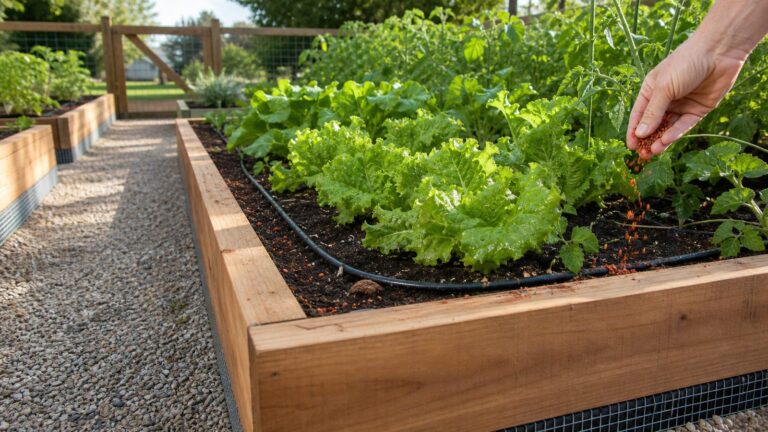
For a small garden, ornamental bed, or vulnerable shrubs, begin treatment before deer establish a feeding routine. For persistent or heavy browsing, use repellents as a temporary supplement to physical exclusion—especially fencing, which extension specialists identify as the most dependable nonlethal protection.
As an Amazon Associate I earn from qualifying purchases.
Which DIY deer repellent should you try first?
Start with the egg-and-water spray. Apply it to the foliage, renew it about every two weeks and after rain, and cover new growth as it appears. If deer begin ignoring the odor, alternate it with a hot-pepper-and-garlic spray rather than repeatedly using one scent or flavor.
The remaining options—fragrant soap, human-hair bags, and bloodmeal or bone-meal bags—are area repellents. They are inexpensive experiments for small spaces, but their results are less consistent. Deer can become accustomed to repeated odors, and some of these methods have limited or erratic testing behind them.
DIY deer repellents at a glance
| Method | How it is placed | Typical renewal | Food-crop caution | Evidence confidence |
|---|---|---|---|---|
| Egg-and-water spray | Directly on foliage | About every two weeks and after rain; also renew on new growth | Avoid a strong-smelling batch shortly before harvesting food crops | Higher |
| Hot-pepper-and-garlic spray | Directly on foliage | After rain or heavy dew and as needed | May leave an undesirable taste; test carefully and check rules for edible crops | Medium |
| Fragrant soap perimeter | Hanging around the protected area | Frequently, as deer become accustomed to the scent | Do not assume a soap is approved for edible plants | Lower |
| Human-hair bags | Hanging around the perimeter or vulnerable plants | Replace when weathered or ineffective | Keep away from edible plant parts | Lower |
| Bloodmeal or bone-meal bags | In breathable bags around the perimeter | Limited duration; replace periodically | Do not apply bloodmeal-based products to edible portions | Lower |
These methods are intended to reduce browsing, not eliminate deer. Weather, plant palatability, the availability of alternative food, and the number of deer on the property all affect the result.
#1 Best Overall

- Chapin Garden Sprayer: Complete lawn care and basic cleaning tasks faster with the 1‑gallon translucent funnel‑top tank that allows quick, easy, spill‑free refills and fluid checks
- Reliable performance: Achieve consistent spray coverage of weeds, pesticides, fertilizers and general spraying. Improved modular design prevents leaks and lets you easily clean, replace seals, and maintain a tight, secure connection
- Comfortable handling: move easily around the yard during garden, cleaning and lawn maintenance jobs thanks to the lightweight poly tank and ergonomic pump handle designed for reduced fatigue
- Versatile spraying: switch between targeted stream or broad spray for weed control, cleaning and lawn care using the adjustable cone nozzle and 34‑inch hose for flexible reach and precision
- Proudly Made in the USA: Expertly designed and manufactured in the USA with global materials, backed by Chapin’s 1-year limited warranty and supported by a dedicated US-based customer service and technical help centre
1. Egg-and-water spray
This is the first homemade treatment to try if you want the best available evidence behind the recipe. The odor creates an aversive signal that can discourage deer from feeding on treated foliage.
What you need
- 3 whole eggs
- Water
- A blender
- A 1-gallon garden sprayer
- A fine-mesh strainer or cheesecloth
How to make and apply it
- Blend three whole eggs with water.
- Add enough water to bring the mixture to one gallon.
- Strain it thoroughly. Egg solids and shells can clog a sprayer.
- Spray the foliage until it is wet and has a visible sheen.
- Reapply approximately every two weeks and after rain.
- Repeat on new growth because an earlier application does not protect leaves that develop later.
Do not let the mixture sit for more than a day if you can avoid it. The odor becomes increasingly unpleasant, and a strong-smelling batch can be especially unsuitable around food that is close to harvest. The cited Minnesota guidance also cautions that adding ingredients can mask the egg odor and reduce the signal that makes the treatment useful. Do not assume that milk, soap, garlic, or hot sauce improves this tested formula.
Free tools Windows power users keep installed
One-click scans. No signup required.
This spray is most practical for ornamental plants and garden foliage during the growing season, when you can maintain a regular application schedule. It may be overwhelmed by heavy deer pressure, winter conditions, or deer that have become accustomed to it.
2. Hot-pepper-and-garlic spray
This alternative combines a taste deterrent with an odor deterrent. Hot pepper supplies capsaicin, which makes treated foliage unpleasant to taste, while garlic contributes a strong smell.
Rank #2

- PetraTools Garden Sprayer - Perfect for DIYers Seeking Professional Results: Our durable yet lightweight water sprayer, with a 52” hose and 16” wand, ensures comfortable extended use and excellent coverage, making it ideal for versatile liquids such as fertilizers, mulch glue, and pesticides.
- Translucent Tank with Large Ergonomic Handle for Comfortable Use: This weed sprayer features a funnel-shaped opening for easy pouring, a large handle to reduce hand strain during extended use, and a translucent tank with markings to simplify every gardening task.
- Built-in Pressure Release Valve for Safe Operation - Prevent accidental spray bursts with a safety valve that releases excess air pressure. Built with heavy-duty components, our sprayers in lawn and garden offers consistent and leak-free operation when correctly assembled and maintained.
- 1 Gallon Sprayer with 2 Nozzles for Precise Spray Control: The HD101 pressure sprayer features an adjustable nozzle for a gentle mist or powerful jet and a fan tip nozzle for wide coverage, making it perfect for lawn care, pest control, weed killing, fertilizing, watering, and more!
- Clog-Free Performance with Built-In Filters: Our garden sprayer 1 Gallon features high-quality built-in filters that prevent debris from clogging the nozzle, ensuring consistent operation every time. If the nozzle becomes clogged, clean the filters to restore optimal performance.
Recipe
- 2 tablespoons hot pepper
- 1 tablespoon liquid dish soap
- 1 teaspoon garlic powder
- 1 gallon water
- Mix the ingredients into one gallon of water.
- Strain the mixture before adding it to the sprayer to reduce clogging.
- Test it on a small part of one plant and watch for injury before treating the whole bed.
- Spray the foliage directly, coating the plants deer are eating.
- Renew the application after rain or heavy dew and whenever browsing resumes.
Ingredient-level recipes such as cayenne pepper and garlic powder are inexpensive to assemble, but the result is temporary and variable. This is a contact, or taste, repellent—not an invisible fence around the property.
Use extra caution around edible crops. Taste repellents are applied directly to plants and may leave an undesirable flavor. Do not treat food crops unless the applicable product directions and local requirements permit it. Homemade mixtures do not have the standardized label directions of registered commercial products, so never transfer a commercial product’s food-crop assumptions to a homemade spray.
Quick wins for a faster PC:
Scan for outdated or missing drivers - takes under a minuteDriver Scan →Clear out junk files and repair common Windows errorsFree Scan →3. Fragrant soap perimeter barrier
Instead of spraying soap on plants, use strongly scented bars as an area repellent around a small garden or shrub bed.
- Leave small bars in their wrappers.
- Make a hole through each bar.
- Hang the bars from stakes or nearby supports around the perimeter.
- Keep them loose and away from branches so they do not rub against or girdle growing stems.
- Replace or rotate them when the scent fades or deer resume browsing.
A fragrant bar soap is easy to try, but do not treat any named brand as deer-proof. University of Minnesota Extension specifically reports that Irish Spring soap does not reliably repel deer or rabbits. More generally, deer can adapt quickly to an odor they encounter repeatedly. This method is therefore best viewed as a low-cost, short-term perimeter experiment, particularly where deer have other food available nearby.
4. Human-hair odor bags
Human hair is a traditional area-repellent tactic. Maryland Department of Natural Resources lists it as a homemade option, while UConn Extension describes placing hair in nylon stockings or perforated plastic bags and hanging it from stakes or plants.
- Put roughly two handfuls of human hair into an open-weave mesh bag.
- Hang the bags around the garden perimeter or close to especially vulnerable plants.
- Use breathable material rather than a tightly sealed container.
- Replace the hair when it becomes weathered, wet, or ineffective.
Mesh drawstring bags can make this type of perimeter experiment easier to install and remove. Keep each bag loose so it cannot wrap around or constrict a branch.
What’s actually slowing this PC down?
Pick the symptom - the matching free tool is one click away.
Keep expectations modest. UConn describes test results as erratic, and Minnesota guidance says the effectiveness of human hair has not been tested in the cited material. Hair bags may be worth trying around an isolated ornamental bed, but they are not a proven deer barrier and should rank below the egg spray in confidence.
Rank #3

- Chapin Garden Sprayer: Complete lawn care and basic cleaning tasks faster with the 1‑gallon translucent funnel‑top tank that allows quick, easy, spill‑free refills and fluid checks
- Reliable performance: Achieve consistent spray coverage of weeds, pesticides, fertilizers and general spraying. Improved modular design prevents leaks and lets you easily clean, replace seals, and maintain a tight, secure connection
- Comfortable handling: move easily around the yard during garden, cleaning and lawn maintenance jobs thanks to the lightweight poly tank and ergonomic pump handle designed for reduced fatigue
- Versatile spraying: switch between targeted stream or broad spray for weed control, cleaning and lawn care using the adjustable cone nozzle and 34‑inch hose for flexible reach and precision
- Proudly Made in the USA: Expertly designed and manufactured in the USA with global materials, backed by Chapin’s 1-year limited warranty and supported by a dedicated US-based customer service and technical help centre
5. Bloodmeal or bone-meal perimeter bags
Bloodmeal and bone meal provide another odor-based perimeter treatment. UConn Extension reports that bloodmeal alone, or a roughly half-and-half mixture of bone meal and bloodmeal, may repel deer for a limited time.
- Place bloodmeal, bone meal, or a half-and-half mixture in small breathable bags.
- Set or hang the bags around the outside edge of the protected area.
- Do not scatter the material directly over edible plant parts.
- Replace the bags periodically and rotate to a different repellent type if deer adapt.
This is not a recommendation to use a meal as fertilizer on vegetables for the purpose of repelling deer. University of Maryland Extension cautions that bloodmeal-based repellents should not be applied to edible portions of fruits and vegetables or to certain crops after reproductive growth begins. Use breathable mesh bags to keep the material contained.
A meta-analysis summarized by Maryland Extension found meat, blood, predator urine, hair, and feces among the more effective repellent active-ingredient groups, followed by sulfurous compounds, eggs, and hot peppers. That finding concerns broad classes of active ingredients; it does not prove that a homemade bag placed in a particular garden will work consistently. Treat this method as temporary and lower-confidence.
How to make any deer repellent work better
1. Begin before deer establish a pattern
Apply a repellent at the first sign of browsing, before vulnerable new growth appears, or before deer learn that your garden is a dependable food source. Repellents are much less useful after deer have established a strong feeding routine.
2. Match the treatment to the target
Sprays are contact repellents: they belong on the leaves and stems deer are eating. Soap, hair, bloodmeal, and bone-meal bags are area repellents: they belong around the protected zone. Hanging an area repellent directly against a plant does not turn it into a thoroughly coated taste repellent.
Rank #4

- Chapin Garden Sprayer: filling: complete lawn care and garden tasks quickly with a lightweight 1‑gallon translucent poly tank that offers a wide opening for simple refills and easy fluid‑level checks
- Reliable performance: handle weed control, fertilizers, pest control and cleaning jobs using a pump sprayer compatible with common herbicides, pesticides, fertilizers and general cleaners
- Comfortable handling: reduce fatigue during extended yard work with an ergonomic pump handle, comfortable trigger shut‑off, and a 34‑inch hose designed for smooth maneuvering
- Adjustable spraying: achieve precise lawn and garden coverage using an adjustable poly cone nozzle and in‑tank filter that maintains steady, clog‑free performance for consistent results
- Proudly Made in the USA: Expertly designed and manufactured in the USA with global materials, backed by Chapin’s 1-year limited warranty and supported by a dedicated US-based customer service and technical help centre
3. Cover new growth
Plants grow through the treatment. Inspect the bed regularly and spray newly developed foliage when using a contact repellent. A previously treated leaf may remain unpleasant while a fresh, untreated leaf is immediately attractive.
4. Reapply after weather and watering
Rain can remove a spray, while heavy dew can dilute or wash away its effect. Prolonged hot, dry, and windy weather can also reduce the useful life of some treatments. The egg recipe has a roughly two-week schedule under the cited guidance, but weather and browsing should determine whether it needs earlier renewal.
5. Rotate odor and taste cues
Deer can habituate to a repeated smell or flavor. If an egg spray stops reducing damage, switch temporarily to the pepper-and-garlic spray. If a perimeter odor is ignored, remove it and try a different method. Rotation can extend usefulness, but it cannot overcome unlimited deer pressure.
6. Keep a simple test area
Before treating every plant, apply a homemade spray to a small section and check it over the next day or two for leaf spotting, scorch, wilting, or other injury. Use a clean sprayer, strain mixtures carefully, and rinse the equipment promptly after use.
Best Value
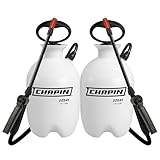
- Accurate coverage: achieve more precise weed control and lawn care with a foaming nozzle that shows exactly where product is applied while reducing chemical use
- Easy monitoring: check fluid levels at a glance thanks to the translucent 1‑gallon poly tank with rust‑resistant construction for dependable garden use
- Less downtime: stay productive with an anti‑clog filter that helps prevent debris blockages for smoother pump‑sprayer performance during yard and garden tasks
- Comfortable handling: work efficiently with the ergonomic pump handle, 34‑inch reinforced hose, and 12‑inch spray wand that offer reach and control for plants, lawns, and pest treatments
- Proudly Made in the USA: Expertly designed and manufactured in the USA with global materials, backed by Chapin’s 1-year limited warranty and supported by a dedicated US-based customer service and technical help centre
When DIY repellents are not enough
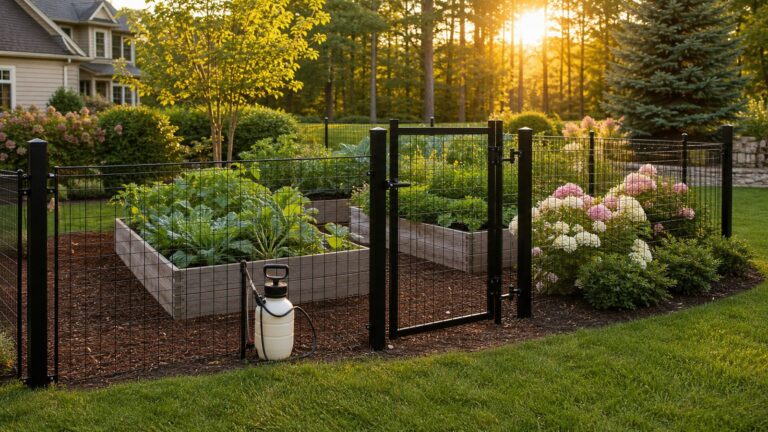
If deer are browsing nightly, feeding in winter, damaging a large planting, or ignoring repeated applications, physical exclusion is the better investment. UConn Extension identifies fencing as the best nonlethal way to protect a field, and extension guidance from New Hampshire says an eight-foot fence should keep deer out. Large-area fencing generally requires about eight feet of height because deer can clear shorter barriers.
For a smaller home garden, consider:
- Deer netting or mesh fencing: useful for enclosing a bed or group of shrubs, provided the material is securely supported and visible.
- Individual plant cages: practical when only a few trees, shrubs, or garden plants are being damaged.
- A properly planned deer fence: the most dependable long-term option where the protected area and budget justify it.
- Motion-activated sprinklers: a possible short-term supplement, but deer may eventually learn where the device is and when it activates.
For heavy pressure, deer netting or an eight-foot deer fence is a more realistic solution than endlessly increasing the strength of a homemade spray. Local wildlife agencies, municipal rules, and neighborhood considerations may also affect fencing and deer-management decisions.
Safety and food-garden cautions
- Test homemade sprays on a small area before widespread application.
- Keep sprays out of eyes and mouths, and wash hands after preparation and application.
- Strain every liquid mixture thoroughly before putting it in a sprayer.
- Do not spray a strong-smelling egg mixture near food shortly before harvest.
- Do not apply bloodmeal-based repellents to edible portions of fruits or vegetables.
- Do not assume a homemade recipe is approved for food crops.
- For any commercial repellent, follow the current product label exactly; labels differ by product, crop, and jurisdiction.
- Do not use mothballs in a garden. They are not an appropriate outdoor deer-repellent treatment.
- Do not rely on scare or hazing devices as a permanent solution; deer commonly become accustomed to them.
Frequently Asked Questions
What is the most effective homemade deer repellent?
A strained mixture of three whole eggs diluted with water to make one gallon is the best-supported DIY option in the cited University of Minnesota Extension comparison. Spray it on foliage until wet and shiny, then reapply about every two weeks, after rain, and on new growth. It can reduce browsing but is not guaranteed to keep all deer away.
Will Irish Spring soap keep deer out of a garden?
No brand-specific guarantee is justified. University of Minnesota Extension says Irish Spring soap does not reliably repel deer or rabbits. A fragrant soap perimeter may be an inexpensive short-term experiment, but deer can become accustomed to the odor.
Can I spray homemade deer repellent on vegetables?
Use caution. Hot-pepper sprays may leave an undesirable taste, and bloodmeal-based repellents should not be applied to edible portions of fruits and vegetables. Commercial products have different labels and permissions, so follow the current label. Do not assume a homemade recipe has the same approval.
How tall should a deer fence be?
For dependable exclusion of deer from a larger area, extension guidance generally points to about eight feet. Smaller enclosures may use netting or plant cages, but fence design, visibility, terrain, and deer pressure affect performance.
The Tool Desk
Outbyte PC Repair FREEClear out junk files and repair common Windows errorsFree Scan →Outbyte Driver Updater FREEFix the driver behind crashes, sound loss and screen glitchesFind Drivers →The Bottom Line
Try the strained egg-and-water spray first, apply it early and thoroughly, renew it after weather and new growth, and rotate it with a hot-pepper-and-garlic spray if deer adapt. Soap, hair, and bloodmeal or bone-meal bags are lower-confidence perimeter experiments. When browsing is heavy or persistent, stop escalating homemade recipes and use cages, netting, or an approximately eight-foot deer fence.
Quick Recap
Product prices and availability are accurate as of the date/time indicated and are subject to change. Any price and availability information displayed on Amazon at the time of purchase will apply.