PC Slower Than It Used to Be?
A free scan shows the junk files, broken settings and background clutter dragging Windows down - then fixes them in one click.Free scan · Windows 10 & 11Outdated Drivers Are Slowing You Down
One free scan finds every outdated or missing driver and matches the right update for your exact hardware.Free scan · exact hardware matchBathroom mold keeps coming back when moisture keeps coming back. The durable fix is to remove visible growth safely and correct its source—whether that is lingering shower humidity, a leak, condensation, persistently damp materials, or water that was not dried promptly. These are five practical causes, not a measured ranking of the most common bathroom mold problems.
Why bathroom mold returns
Mold needs moisture to grow. Cleaning visible spots without changing the damp conditions that support them often leads to recurrence. The U.S. EPA puts it simply: “The key to mold control is moisture control.” The CDC likewise advises: “If mold is growing in your home, you need to clean up the mold and fix the moisture problem.”
As an Amazon Associate I earn from qualifying purchases.
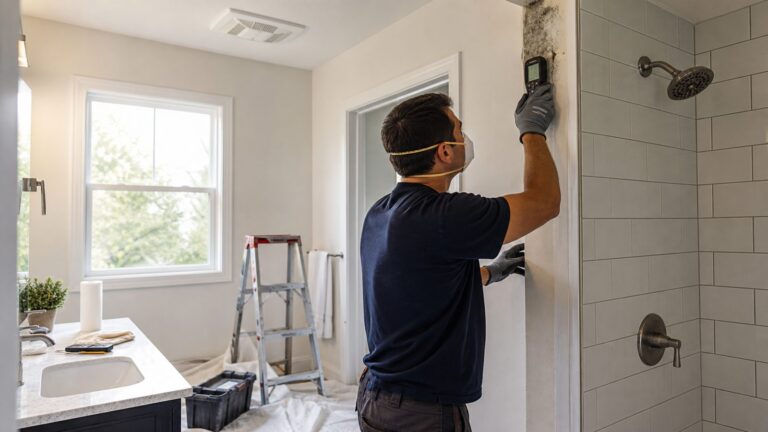
Look for the moisture pathway as well as the patch of mold. A stain that returns in the same place, persistent dampness, or repeated condensation can point to a continuing source that cleaning alone will not solve.
Quick wins for a faster PC:
Fix the driver behind crashes, sound loss and screen glitchesFind Drivers →Repair Windows errors before they cause bigger problemsFix Now →Five causes of bathroom mold
1. Shower and bath humidity that lingers
Bathing releases moisture into the air. If the bathroom has no working exhaust fan, the fan is not used, or it moves too little air, humid air can linger on walls and ceilings and help mold recur. The fan must discharge outdoors—not into an attic or another interior space. The EPA notes that a bathroom fan should exhaust sufficient air directly outdoors.
#1 Best Overall
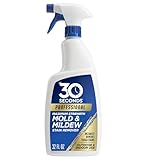
- BRIGHTER RESULTS INSTANTLY: Noticeably brightens indoor and outdoor surfaces, removing black mold and mildew stains as you watch, with no scrubbing or pressure washing required for fast, visible results
- NO SCRUBBING REQUIRED: Avoid the hassle and backbreaking work of scrubbing tough stains; the PRO formula lifts mold and mildew stains on contact so you simply apply, watch and rinse where needed
- 2X STRONGER FORMULA: The PRO formula is 2X stronger than the standard 30 SECONDS Outdoor Cleaner, made for your toughest black mold and mildew stains and messes on both indoor and outdoor surfaces
- OUTDOOR AND INDOOR USE: Use on siding, fences, decks, concrete floors, brick walls, drywall, wood, kitchen surfaces, bathroom tile and grout, bathtub soap scum and showers where mold and mildew can grow
- REMOVES BLACK MOLD STAINS & MORE: Targets stubborn black mold and mildew stains on a wide range of surfaces, giving a brighter, cleaner result indoors and outdoors without scrubbing or pressure washing
Run the fan while bathing and long enough afterward for the moisture to clear. If it sounds as though it is running but the room remains damp, check that it moves air and that its duct actually terminates outdoors.
2. Plumbing or building leaks
A leaking pipe or fixture can keep a wall, floor, or cabinet damp. Water can also enter through a roof, window, or other part of the building envelope. Find and repair the leak, then dry the affected area; removing the visible mold while water continues to enter is not a lasting repair.
Rank #2

- Eliminates & Helps Prevent Mold: Targets existing mold at the source and leaves behind an invisible barrier that helps prevent future growth.
- EPA-Registered Solution: Registered with the U.S. Environmental Protection Agency for mold control when used as directed.
- Bleach-Free, Odorless, VOC-Free: Contains no bleach, ammonia, or volatile organic compounds, helping maintain healthy indoor air quality.
- Safe on Most Surfaces: Works on drywall, wood, tile, grout, concrete, fabric, and other common building materials.
- Versatile Use: Ideal for bathrooms, kitchens, basements, attics, laundry rooms, vehicles, and outdoor surfaces such as decks and patios.
3. Condensation on cold surfaces
Moist air can leave water droplets on cold windows, pipes, exterior walls, and similar surfaces. The EPA identifies condensation as a possible sign of high humidity. Dry the water and address the conditions behind it: reduce indoor moisture, improve air movement or ventilation, or insulate a cold surface where appropriate.
4. Surfaces and materials that stay damp
Shower surrounds and other frequently wet areas can be difficult to keep completely mold-free. If growth repeatedly appears on a hard surface, improve ventilation and clean it. Porous materials—such as ceiling tiles or carpet—can be harder to clean completely; moldy material may need to be removed and replaced.
Rank #3

- GET RID OF STUBBORN MOLD AND MILDEW STAINS: Our instant spray cleaner removes the stains left behind from black mold and mildew. They tend to leave behind ugly staining that can go deep below the surface; Our professional-strength spray is specifically formulated to eliminate discoloration caused by mold and mildew
- USING RMR-86: To safely and conveniently eliminate indoor mold and mildew stains and odors using RMR-86, proper ventilation and PPE should be used for each application
- SAFE TO USE ON MULTIPLE SURFACES: Easily remove stubborn stains from decks, wood, vinyl siding, drywall, concrete floors, brick walls, kitchen surfaces, and other areas where mold and mildew tend to grow
- FAST-ACTING SPRAY: Our powerful, fast-acting mold stain remover spray begins working instantly to target deeply embedded stains that linger on surfaces and hard-to-reach areas
- NO SCRUBBING NEEDED: Simply spray our ready-to-use formula on the affected area and watch the stains disappear right before your eyes!
5. Spills or water damage that dry too slowly
Wet towels, splashes, and water-damaged materials can sustain growth if they stay damp. The EPA and CDC recommend drying wet or damp materials as quickly as possible, ideally within 24–48 hours. That is a prevention target, not a guarantee: investigate any area that remains wet or becomes wet again.
Clean visible mold safely
For suitable hard surfaces, scrub with detergent and water, then dry completely. The CDC also says household cleaning products or a diluted household bleach solution can be used; the bleach solution should be no stronger than 1 cup of household laundry bleach per 1 gallon of water. Follow product labels, ventilate the area, protect your eyes and skin, and never mix bleach with ammonia or any other cleaner.
Rank #4

- KILLS MOLD: EPA-registered formula kills mold and helps control mold and mildew on hard, nonporous surfaces when used as directed
- CLEANS AND DISINFECTS: Ready-to-use disinfectant cleaner provides non-acid cleaning performance while disinfecting treated hard, nonporous surfaces
- INHIBITS MILDEW GROWTH: Helps inhibit the growth of mold and mildew and the odors they cause when applied according to label directions.
- BLEACH-FREE FORMULA: Bleach-free cleaner deodorizes treated surfaces and leaves behind a fresh scent
- READY-TO-USE SPRAY: 32 fl oz trigger bottle is designed for household, commercial and industrial cleaning applications
- Wear gloves, a mask, and goggles to protect your skin, breathing, and eyes. Open doors or windows when possible; use a fan or dehumidifier when it is safe to do so.
- Remove visible mold rather than painting or caulking over it. Killing mold without removing it and drying the area is not a complete cleanup.
- Porous items that retain mold may need disposal or replacement if they cannot be cleaned thoroughly.
People with chronic respiratory conditions such as asthma or COPD may have trouble breathing when exposed during cleanup, so they should take extra care. If you have health concerns, consult a health professional before starting.
Decide whether to handle cleanup yourself
The EPA says a moldy area smaller than about 10 square feet can, in most cases, be handled by a homeowner following its cleanup guidance. This is an approximate guide—not a universal legal limit or a bathroom-specific rule. Consult further remediation guidance if the area is larger or there has been extensive water damage. The material affected, the extent of the water problem, and whether the source has been fixed all matter.
Prevent regrowth by controlling moisture
- Check humidity. A humidity meter can help you measure relative humidity; it measures moisture in the air, not mold. The EPA advises keeping indoor relative humidity below 60%, ideally between 30% and 50% if possible. The CDC’s September 26, 2024, mold guidance recommends keeping home humidity no higher than 50% all day. A reading within either range cannot guarantee a mold-free bathroom.
- Vent the bathroom outdoors. Use an exhaust fan during bathing and long enough afterward to clear moisture. Confirm that it works and exhausts outdoors.
- Fix leaks. Check plumbing and nearby building surfaces for a continuing source of water; repair leaks and dry affected materials.
- Address condensation. Wipe up droplets, reduce humidity, improve circulation, or insulate a cold surface where suitable. An air conditioner or dehumidifier may help reduce humidity in some settings.
- Dry wet areas promptly. Deal with spills and water damage quickly; do not leave wet materials to dry slowly in place.
Should you test bathroom mold?
The CDC does not recommend home mold testing. Its guidance says there are no set standards for acceptable quantities of different kinds of mold in a home, and advises addressing mold you can see or smell along with the moisture source. A test result does not replace fixing dampness.
When mold may affect health
Some people may experience respiratory or allergic symptoms around mold. The CDC reports that the Institute of Medicine’s 2004 evidence assessment found sufficient evidence linking indoor mold exposure with upper respiratory symptoms, cough, and wheeze in otherwise healthy people; asthma symptoms in people with asthma; and hypersensitivity pneumonitis in susceptible individuals. These findings concern indoor mold generally, not a bathroom-specific study. A photograph or the color of a patch cannot establish what it is or diagnose a person’s symptoms; consult a health professional about health concerns.
Quick Recap
Sources and guidance
- CDC: Mold (page dated September 26, 2024)
- EPA: What Are Ten Things I Need to Know about Mold?
- EPA: A Brief Guide to Mold, Moisture and Your Home
- CDC: 8 Tips to Clean Mold (page dated March 29, 2024)
- EPA: Remodeling Your Home and Indoor Air Quality
Product prices and availability are accurate as of the date/time indicated and are subject to change. Any price and availability information displayed on Amazon at the time of purchase will apply.
Recommended Free Tools