Free tools Windows power users keep installed
One-click scans. No signup required.
The best low-light houseplants are snake plants, ZZ plants, cast-iron plants, darker-leaved pothos, heartleaf philodendrons, Chinese evergreens, and selected dracaenas. They can live in a north-facing room, shaded corner, apartment, or office with indirect light. They cannot grow indefinitely in a room that is effectively dark, however. If you need artificial light to read comfortably, the plant will probably need a full-spectrum LED grow light too.
Low light means little or no direct sun but enough ambient light to see and read by. University of Minnesota Extension broadly places low light at about 50–250 foot-candles. In practical terms, think of a north-facing window, a room set back from a brighter window, or a fairly dark corner that still receives daylight.
This list is divided by reliability. The first 12 are the strongest choices for genuinely low or indirect light. Plants 13–28 tolerate shade but have clear care or appearance trade-offs. The final four are shade-tolerant plants that usually look and grow better in medium or bright indirect light.
As an Amazon Associate I earn from qualifying purchases.
Recommended Free Tools
Quick comparison: 32 low-light indoor plants
Use the table as a shortlist, not a promise that every plant will thrive in every dark room. A green-leaved plant generally copes with dim conditions better than a heavily variegated one, and survival in low light is not the same as vigorous growth, dense foliage, strong color, or reliable flowers.
| Plant | Habit and best placement | Care level | Light reality | Pet note |
|---|---|---|---|---|
| 1. Snake plant | Upright; floor, shelf, or office | Very easy | One of the best low-light choices | Toxic to cats and dogs |
| 2. ZZ plant | Upright; floor or desk | Very easy | Excellent in low light; slow growth | Check the exact plant before purchase |
| 3. Cast-iron plant | Clumping; floor or shaded corner | Easy | Exceptionally shade tolerant | Verify with a veterinarian |
| 4. Golden pothos | Trailing; shelf or hanging basket | Very easy | Low-light tolerant; variegation fades | Toxic to cats and dogs |
| 5. Jade pothos | Trailing; shelf or hanging basket | Very easy | Darker leaves suit dimmer rooms | Toxic to cats and dogs |
| 6. Heartleaf philodendron | Trailing; shelf or planter | Easy | Low to medium indirect light | Toxic to cats and dogs |
| 7. Chinese evergreen | Upright and compact; desk or floor | Easy | Green forms are best in low light | Toxic to cats and dogs |
| 8. Parlor palm | Clumping palm; desk or floor | Moderate | Handles indirect light and shade | Verify the exact plant |
| 9. Dracaena Janet Craig | Upright; narrow floor space or office | Easy | Darker forms handle less light | Several dracaenas are toxic |
| 10. Lucky bamboo | Upright stems; desk or shelf | Easy | Shade tolerant but slow in deep shade | Verify the exact plant |
| 11. Peace lily | Upright flowering foliage; floor or table | Moderate | Survives low light; flowers better brighter | Toxic to cats and dogs |
| 12. Arrowhead plant | Vining or climbing; shelf or hanging planter | Easy | Low-light tolerant; can become leggy | Toxic to cats and dogs |
| 13. Dumb cane | Upright, large leaves; floor | Easy to moderate | Low-light tolerant; variegation may fade | Toxic to cats and dogs |
| 14. Lady palm | Clumping palm; floor | Moderate | Shade tolerant; fuller in bright indirect light | Verify the exact plant |
| 15. Kentia palm | Large upright palm; floor | Moderate | One of the more shade-tolerant palms | Verify the exact plant |
| 16. Ponytail palm | Upright succulent-like form; floor | Easy | Survives shade but prefers brighter light | Verify the exact plant |
| 17. English ivy | Trailing or trained; shelf | Moderate | Shade tolerant; watch dry air and pests | Verify the exact plant |
| 18. Prayer plant | Low, spreading foliage; table | Moderate | Filtered light; wants even moisture | Verify the exact plant |
| 19. Calathea | Patterned foliage; table or stand | Demanding | Filtered shade; needs stable humidity | Verify the exact plant |
| 20. Nerve plant | Compact; terrarium or humid bathroom | Moderate | Filtered or bright indirect light | Verify the exact plant |
| 21. Peperomia | Compact, thick-leaved; desk or shelf | Easy | Lower light with restrained watering | Verify the exact plant |
| 22. Spider plant | Arching; shelf or hanging basket | Easy | Adaptable; stripes are stronger in brighter light | Safety sources differ |
| 23. Boston fern | Arching fronds; humid room or basket | Moderate | Filtered light; dislikes dry air | Often treated as pet-friendlier |
| 24. Bird’s-nest fern | Upright rosette; humid, shaded space | Moderate | Shade tolerant; protect the crown | Verify the exact plant |
| 25. Rex begonia | Colorful foliage; table or stand | Moderate | Shade tolerant; color improves brighter | Verify the exact plant |
| 26. Polka-dot begonia | Upright spotted foliage; floor or table | Moderate | Needs more light to stay vigorous | Verify the exact plant |
| 27. Hoya | Trailing or climbing; shelf or hanging basket | Easy to moderate | Lower light is possible; flowers need more | Verify the exact plant |
| 28. Rubber plant | Large upright foliage; floor | Moderate | Medium-to-low light, but brighter is better | Verify the exact plant |
| 29. Monstera | Large climbing foliage; floor | Moderate | Bright indirect light preferred | Verify the exact plant |
| 30. Anthurium | Upright flowering foliage; table or floor | Moderate | Filtered light; flowering declines in shade | Toxic to cats and dogs |
| 31. Swedish ivy | Trailing; shelf or hanging basket | Easy | Some shade; brighter indirect light preferred | Listed as pet-safe by U of M Extension |
| 32. Christmas cactus | Segmented, arching; table or shelf | Moderate | Lower light is possible; blooms need conditions | Listed as pet-safer by U of M Extension |
First, decide whether your room is actually low light
Low light does not mean a windowless room or permanent darkness. A plant needs usable light for photosynthesis, even if it does not need direct sun. If you cannot comfortably read in the proposed location without switching on a lamp, move the plant nearer to a window or plan to add supplemental lighting.
#1 Best Overall

- NOTE: The product stand needs to be pressed down by the flower pot to be stable. Not wireless style. 2 Installation Methods: Specially designed plant light for indoor plants, which can be inserted in the soil or stand for lighting.Unique and easy to assemble and disassemble.
- 3 Lighting Modes and 10 Brightness: The full spectrum plant grow lights offers 10 levels by pressing the button. 3 lighting spectrum “white light, warm white and red, Mix Lighting”. you have more options to meet different illumination requirements.
- Timer Adjustment: This small halo grow light have set up timer with 3 modes cycle timing function which stay on for 3H, 9H, 12H. When keeping power, it can automatically turn on and off every day according your settings.
- Height and Angle Adjustment: The pole of grow lights can telescope up and down to accommodate different plants. Provide the right amount of light intensity. Rotate 90 degrees the pipe and height can be up to 26 in, which more plants will be covered.
- Widely Used: This plant halo grow light also stylish decoration for any home space, and with color box. Suitable for all types of locations such as hangings, floor planters and more. the gardeners and plant lovers tending to their plants and vegetables.
A north-facing window is often a useful natural location in the Northern Hemisphere, as are rooms with bright daylight reflected from walls or filtered through a sheer curtain. A plant several feet from a bright window may receive much less light than the window-side plant. Direction, distance, season, curtains, nearby buildings, and tree cover all matter.
Best bets for low or indirect light
These 12 plants are the most dependable choices in the list. They may grow slowly in dim conditions, but they generally tolerate the combination of lower light and reduced water use better than flowering plants, highly variegated plants, or humidity-sensitive foliage.
1. Snake plant (Dracaena trifasciata)
Snake plant is the safest recommendation for a beginner with an inconsistent watering routine. Its stiff, upright leaves suit narrow floor spaces, offices, entryways, and shelves, and its drought tolerance is valuable because low light slows growth and dries the potting mix more slowly. Dark-green forms usually retain their color better in dim conditions than heavily variegated cultivars. Let the mix dry substantially before watering. ASPCA lists snake plant as toxic to cats and dogs.
2. ZZ plant (Zamioculcas zamiifolia)
With glossy leaflets and thick underground rhizomes, the ZZ plant is both architectural and forgiving. It is an excellent choice for an office, apartment, or room where watering may be irregular. Low light reduces its already deliberate growth rate, but that is usually preferable to the root problems caused by watering too often. Allow the mix to dry well and never leave the rhizomes sitting in wet soil.
3. Cast-iron plant (Aspidistra elatior)
Cast-iron plant earns its name through its tolerance of dim, fluctuating indoor conditions. Its broad leaves bring greenery to a shaded corner where many brighter-light houseplants would decline. It is not a fast-growing plant, so buy it for durability rather than rapid fullness. Keep it in a draining container and protect it from harsh direct sun.
4. Golden pothos (Epipremnum aureum)
Golden pothos is a versatile trailing vine for a shelf, cabinet, or hanging basket. It can survive low light, but its yellow-and-green variegation typically shows more strongly in brighter indirect light. In a dim location, expect slower growth and less vivid patterning rather than assuming the plant needs more water. Golden pothos is toxic to cats and dogs.
5. Jade pothos (Epipremnum aureum ‘Jade’)
Jade pothos is a darker green pothos form and therefore a particularly sensible choice when the room is dim. The solid green leaves do not depend on maintaining bright variegation, and the plant still provides the easy trailing habit of pothos. Let the potting mix dry between waterings. Like other pothos, it is toxic to cats and dogs.
6. Heartleaf philodendron (Philodendron hederaceum)
The heartleaf philodendron makes an easy shelf, cabinet, or hanging plant. Its heart-shaped leaves trail naturally, while pruning can encourage a fuller appearance. It tolerates low to medium indirect light, but an overly dark location produces long gaps between leaves and sparse growth. Heartleaf philodendron is toxic to cats and dogs.
7. Chinese evergreen (Aglaonema species and cultivars)
Chinese evergreen offers a compact, upright form and a wide range of foliage colors. Green-leaved forms are generally the better low-light selection. Brightly patterned or heavily variegated cultivars may lose contrast, grow more slowly, or become less vigorous in a dim room. Treat it as toxic to cats and dogs and keep it away from pets that chew foliage.
PC Slower Than It Used to Be?
A free scan shows the junk files, broken settings and background clutter dragging Windows down - then fixes them in one click.Free scan · Windows 10 & 11Crashes, No Sound, or Screen Glitches?
Random freezes, missing sound and display glitches usually trace back to one bad driver. Find and replace yours safely.Free scan · under a minuteRank #2

- 214 Full-Spectrum LEDs: Featuring one light head with 214 high-performance LEDs, this grow light delivers a broad 380–780 nm full spectrum that closely mimics natural sunlight. It provides bright, uniform illumination to support efficient photosynthesis and healthy plant growth. Especially suitable for seed starting and seedling development, it is an ideal supplemental light source for indoor plants.
- 3 Timing Settings & 6 Dimmable Levels: Utilize the convenient 3/6/12 Hours automatic timer function and 6 adjustable dimming levels effortlessly. This enables you to tailor the lighting schedule to your preferences and customize the brightness according to the specific needs of your plants. It provides flexibility for optimal plant growth throughout various stages, ensuring they receive the ideal illumination during each phase of the day.
- Upgraded Light Panel:The upgraded light panel boasts dimensions of 11*4.7 inches, providing an expanded coverage area for your plants. Equipped with heat-dissipating holes and a unique pattern design on the back, it ensures efficient heat dissipation and extends the lifespan of the lighting system.
- Flexible Height Adjustment and Stability: With a height range of 10-26 inches, our grow light can be easily adjusted to accommodate plants of various sizes. The sturdy metal base ensures stability, while the anti-slip sponge pad at the bottom provides convenient installation and prevents slipping.
8. Parlor palm (Chamaedorea elegans)
Parlor palm gives a room a soft, tropical silhouette without demanding a bright southern window. Its compact size works on a stand or in a smaller floor pot, and it prefers indirect light. It will not fill out quickly in low light, and very dry air can cause unattractive fronds, so keep it away from heating vents and monitor its moisture more closely than a ZZ plant.
9. Dracaena ‘Janet Craig’ and compact dracaenas (Dracaena fragrans cultivars)
‘Janet Craig’ and other dark-green compact dracaenas are useful where a narrow, upright plant is needed. They fit apartments, offices, hallways with daylight, and corners where a trailing plant would be inconvenient. Darker green forms generally tolerate lower light better than highly variegated types. Several dracaena species and cultivars are listed as toxic to cats and dogs, so identify the plant before bringing it into a pet-accessible room.
10. Lucky bamboo (Dracaena sanderiana)
Lucky bamboo is not true bamboo; it is a dracaena. Its upright stems work well on a desk or shelf, and it tolerates partial shade and can remain attractive in deeper shade, although growth slows. Retail plants may be grown in water or soil, but either setup still needs clean conditions and usable ambient light. Do not mistake tolerance for a need for darkness.
11. Peace lily (Spathiphyllum species and hybrids)
Peace lily is one of the more realistic flowering choices for indirect or low light, but its flowers are more dependable in brighter filtered light. Keep the soil evenly moist without leaving it constantly soggy. A drooping plant can be thirsty, but repeated severe wilting is not a good care strategy. Peace lily is toxic to cats and dogs.
What’s actually slowing this PC down?
Pick the symptom - the matching free tool is one click away.
12. Arrowhead plant (Syngonium podophyllum)
Arrowhead plant begins with attractive arrow-shaped juvenile leaves and can trail or climb as it matures. It tolerates lower light, though the stems may stretch and the plant may become thin. Pruning improves fullness, while brighter indirect light helps maintain more compact growth. Arrowhead plant is toxic to cats and dogs.
Low-light tolerant plants with specific caveats
These 16 plants can work in shaded interiors, but each has a reason not to treat it as interchangeable with a snake plant or cast-iron plant. Choose them when you value a particular shape, leaf pattern, texture, or humid-room use and can provide the conditions they need.
13. Dumb cane (Dieffenbachia species)
Dumb cane has large, patterned leaves and adapts reasonably well to lower light. Reduced light can cause new growth to become greener and less variegated, so choose a darker cultivar if the location is genuinely dim. Give it room to spread and keep it away from pets: dumb cane is toxic to cats and dogs.
14. Lady palm (Rhapis excelsa)
Lady palm is a refined, clumping palm with broad leaflets and an upright habit. It handles indoor shade better than many palms, making it useful as a floor plant in a filtered-light room. It looks fuller and grows more reliably with bright indirect light, and its slow growth means it is best for someone who wants a stable long-term feature rather than quick coverage.
Quick wins for a faster PC:
Clear out junk files and repair common Windows errorsFree Scan →Fix the driver behind crashes, sound loss and screen glitchesFind Drivers →15. Kentia palm (Howea forsteriana)
Kentia palm is one of the more shade-tolerant palms and makes a graceful larger floor-level statement. It is a good option for a spacious room with indirect daylight, but mature specimens need room and growth is slow. Avoid putting it against a cold draft or directly beside a heater.
16. Ponytail palm (Beaucarnea recurvata)
Ponytail palm is often included on low-light lists because it can survive less light than its appearance might suggest. It is more accurate to call it a drought-tolerant plant that can endure lower light, not a plant for a dark room. Its growth and vigor improve in brighter indirect light. Let the mix dry between waterings and use a container with excellent drainage.
Rank #3
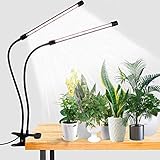
- 6000K White Light - equipped with 10 Red + 74 White LEDs, this growing Lamp is similar to the full-spectrum sunlight at noon,that is professionally designed for indoor garden plants.Moreover, its color rendering index is as high as 95, the light is soft and flicker-free, which is very suitable for reading lamp
- Timer Function & Multiple Settings - this plant spotlight offer the timer function with 3 options that is 4Hrs or 8Hrs or 12Hrs, it is based on a 24 hour cycle from the time you set the timer.For example,when keeping power ON, if you select 8 Hrs,it will turns ON for 8 hours per 24 hours.The other two timer settings are the same.
- Easy to Install - with flexible Gooseneck & strong clamp,it allows you to place the growth light in any direction to provide the best lighting angle for your plants,meet the cover around the plant.Powered by USB or AC Power Plug
- High Efficiency LED Lamp - as for LED power draw this seedling lights just comsume about 10 w and is equivalent to a 50 watts Halogen Bulb.Estimately monthly cost roughly $2 in electricity (12 hours a day). It is a great gift if you growing some small house plants.
- 【365 Days Warrantty】GooingTop service team offer 365 days warrantty and 24h friendly customer service. If there are ever any issues about the product, please feel fre e to contac t us and we will send you a new replacement.
17. English ivy (Hedera helix)
English ivy tolerates shade and can cascade from a shelf or be trained upright. Indoors, it needs more observation than its outdoor reputation may imply. Dry air can stress it, and pests can become a problem, particularly when the plant is crowded or neglected. Provide indirect daylight, avoid constantly wet soil, and inspect the undersides of leaves regularly.
18. Prayer plant (Maranta leuconeura)
Prayer plant brings patterned foliage and a compact, spreading habit to a shaded room. It prefers filtered light, evenly moist soil, and higher humidity. It is less forgiving of drought and dry indoor air than a snake plant or ZZ plant, so it belongs with an attentive owner rather than someone seeking a plant that can be ignored for weeks.
19. Calathea, including rattlesnake and peacock plants (Goeppertia and Calathea species)
Calatheas are rewarding for their foliage pattern and color, but they are among the most demanding plants on this list. They prefer filtered or shaded light, consistent moisture, higher humidity, stable temperatures, and suitable water quality. Keep the potting mix from swinging between bone-dry and waterlogged, and do not choose one for a drafty room or a dry heated corner unless you can modify the conditions.
20. Nerve plant (Fittonia albivenis)
Nerve plant is compact, colorful, and especially useful in a terrarium or humid bathroom that also receives daylight. It prefers bright indirect or filtered light and consistently moist, well-drained soil. It wilts quickly when dry; although it may recover, repeated wilting makes it a poor choice for an absent-minded waterer.
21. Peperomia, including baby rubber plant (Peperomia species)
Peperomias are compact desk and shelf plants with thick leaves that store some water. They tolerate lower light when watering is restrained, which makes them practical for small spaces. Many cultivars show their best color and most compact growth in medium indirect light. Let the mix approach dryness before watering again, especially in a dim room.
22. Spider plant (Chlorophytum comosum)
Spider plant is adaptable, easy to propagate from its plantlets, and suited to a shelf or hanging basket. It tolerates indirect light, but its leaf striping and flowering are usually stronger in brighter conditions. Pet-safety references are not completely consistent: ASPCA describes spider plant as mildly toxic, while University of Minnesota Extension includes spider plant among pet-safe choices. Verify the exact plant and consult a veterinarian if a pet ingests it.
23. Boston fern (Nephrolepis exaltata ‘Bostoniensis’)
Boston fern is a soft, pet-friendlier option for filtered light and humid spaces. Its fronds need more consistent moisture than the drought-tolerant plants near the top of this list, and dry heated rooms can quickly cause browning or leaf drop. A bright bathroom, humidifier-assisted room, or protected spot away from vents is more suitable than a dry, dim hallway.
24. Bird’s-nest fern (Asplenium nidus)
Bird’s-nest fern has upright, strap-like fronds arranged in a sculptural rosette. It suits shaded, humid spaces and should be protected from harsh direct sun. Water the surrounding mix, but avoid repeatedly pouring water into the central crown; a persistently wet crown can encourage rot. It needs more humidity and moisture consistency than a ZZ plant.
25. Rex begonia (Begonia rex-cultorum)
Rex begonias are grown primarily for dramatic patterned foliage rather than flowers. They can handle darker rooms than many flowering begonias, but leaf color, compact growth, and overall vigor improve with bright indirect light and stable humidity. Keep water off the leaves when possible, provide airflow, and avoid a pot that stays saturated.
26. Polka-dot begonia (Begonia maculata)
Polka-dot begonia combines spotted leaves with the possibility of white flowers. It may tolerate lower light, but it generally needs brighter filtered light than a cast-iron plant to stay vigorous and colorful. Give it a stable position, good drainage, and enough light to prevent weak, stretched stems.
Rank #4

- FULL SPECTRUM & NATURAL LIGHT: A19 full spectrum grow light appears 4000K white to eyes but has a red/blue light spectrum. Same as natural sun shine, perfect for tomatoes, cucumbers, peppers, leafy greens and herbs at all growth stages.
- HIGH BRIGHTNESS & ENERGY SAVING: A19 LED plant grow light bulbs deliver 180-degree 1000LM bright light output. Use High Lumen LED Chips equivalent to 100w traditional light bulb while consumes only 11 watts, saving 90% of your electricity bill.
- HIGHER EFFICIENCY: LED grow bulb with high light transmission improves plant absorption more effectively. Balanced lighting of full spectrum wavelength can give your plants more light with a high output PPF of 25 micromoles per second.
- LONGER LIFESPAN: LED sun light bulbs with low heat generated, suitable temperature for your plants. Use Plastic & Aluminium material to build the cooling system with better heat dissipation. Up to 25,000 hours lifespan.
- NATURAL HOME LIGHT COLOR: Unlike those purple or reddish grow bulbs, our indoor 4000K LED grow light bulbs show off your indoor garden without harsh or unsightly lighting, providing a pleasing, natural light, temperature that integrates well with any decorative aesthetic.
27. Wax plant or hoya (Hoya species)
Hoya has thick leaves that reduce water loss, and many varieties tolerate medium to lower indirect light. Variegated hoyas usually need more light to maintain their pattern, and flowering requires more energy than simply keeping foliage alive. Do not promise blooms from a dark corner. Allow the mix to dry somewhat between waterings and provide support or a place for the vines to trail.
28. Rubber plant (Ficus elastica)
Rubber plant can tolerate medium-to-low indirect light, particularly darker cultivars, and makes a substantial floor plant. It is not a first choice for a truly dim room: brighter filtered light improves growth, leaf retention, and the plant’s ability to maintain a full shape. Rotate it occasionally if growth leans toward the window, and avoid abrupt moves into intense sun.
Shade-tolerant plants that usually need brighter indirect light
These final four are worthwhile when the room has usable daylight but should not be sold as dark-room specialists. Choose them for a bright indirect-light position, or supplement the light if the only available corner is genuinely dim.
29. Monstera (Monstera deliciosa)
Monstera is forgiving in ordinary indoor conditions, but low light produces smaller leaves, slower growth, and fewer or no fenestrations. If the signature split leaves are the reason you want one, place it in bright indirect light rather than a dark corner. Give a mature plant vertical support and enough floor space to climb.
Do these 3 things before closing this tab:
1Repair Windows errors before they cause bigger problems2Scan for outdated or missing drivers - takes under a minute3Clear out junk files and repair common Windows errors30. Anthurium (Anthurium andraeanum hybrids)
Anthurium is a distinct plant from peace lily and is included here because it can tolerate filtered light as a foliage plant. Reliable flowering requires brighter indirect light, so a low-light specimen may produce fewer blooms while remaining alive. Keep the soil well drained and treat anthurium as toxic to cats and dogs.
31. Swedish ivy (Plectranthus verticillatus)
Swedish ivy is a relatively easy trailing plant that can tolerate some shade but generally grows more densely in bright indirect light. It works on a shelf or in a hanging basket. University of Minnesota Extension includes Swedish ivy among plants considered safe around pets, but verify the plant’s identity because common names are not a reliable safety guarantee.
32. Christmas cactus (Schlumbergera species and hybrids)
Christmas cactus is a pet-safer flowering option with segmented, arching stems. It tolerates bright indirect light and some lower-light periods, but it is not suited to a nearly lightless room. Flowering depends on seasonal light and temperature conditions as well as general health. Keep it in a draining pot and avoid treating it like a thirsty tropical fern.
Independent reader supportYour contribution helps us test, update, and keep practical guides available for everyone.Low-light care rules that prevent most failures
Water by soil condition, not by the calendar
Lower light usually means slower growth and lower water use. The same plant that needs weekly watering in a bright, warm room may remain wet much longer in a dim corner. Before watering, check the potting mix and the pot’s weight. Water thoroughly when the plant’s requirements indicate it is ready, then allow excess to drain; do not leave the container standing in runoff.
Snake plants, ZZ plants, ponytail palms, hoyas, and many peperomias prefer a meaningful drying period. Prayer plants, calatheas, nerve plants, and ferns need more consistent moisture, but even they need oxygen around their roots rather than permanently saturated compost. An indoor plant moisture meter can help a beginner compare the surface with the moisture deeper in the pot, though it should supplement—not replace—checking the plant, pot, and mix.
Drainage matters more in dim rooms
A decorative container without a drainage hole can trap water around the roots. Start with pots with drainage holes, a well-draining houseplant potting mix, and a plant saucer to protect floors and furniture. These supplies do not make overwatering harmless, but they make excess water easier to remove and roots less likely to remain submerged.
Best Value

- 【2024 Newest Grow Light】The appearance of the lamp head adopts patentable mold technology and incorporates exclusive design concepts. The back plate has a unique pattern and premium texture which is not easily scratched. The holes in the back are specially reserved for heat dissipation space, saying goodbye to the heating problem during the use of the lamp.
- 【Superior Full Spectrum & High PPFD】Each light panel features 214 high-efficiency LED chips, including 124 cold white, 58 warm white, 24 red, and 8 natural light LEDs, perfectly simulating the spectrum of natural sunlight. With exceptionally high PPFD data, our grow light provides scientifically optimized light for plants, ensuring optimal photosynthesis and promoting healthy plant growth.
- 【Timer/Brightness/Mode Function】With the built-in 3/6/12H timer which is a 24H cycle, you can easily set your preferred lighting schedule. Additionally, the dimmable function offers six levels, giving you control over the brightness to suit different plant needs. It also allows you to save energy by easily switching off individual lights when not needed, minimizing power consumption.
- 【Latest Lamp Board & Height Adjustable】Designed with a 10.9x4.6in plastic outer shell and an aluminum light panel, our plant light is much lighter and equipped with a widened illumination, providing ample lighting for more plants to thrive simultaneously. It also comes with a 1.5m tripod, allowing you to adjust the height between 27.8- 63 in.
- 【Exceptional After-Sales Support】 We take pride in our customer satisfaction commitment. 12 months warranty plus 30 days satisfaction or return guarantee, 100% money back. If you have any questions or concerns about LBW Grow Light, our dedicated support team is always ready to assist you.
Use supplemental light when the room crosses from low light into darkness
A grow light extends the range of locations available; it does not turn a dark room into a naturally bright one. Use balanced or white light for most foliage plants and provide roughly 12–14 total light hours per day, including available daylight. A timer makes the routine consistent. Position the fixture according to its instructions rather than assuming that a dim glow from across the room provides enough usable light.
Acclimate plants to changes
Do not move a plant directly from a low-light corner into intense direct sun. Sudden exposure can scorch foliage. Move it gradually toward brighter light over several days or use a sheer curtain. Similarly, protect plants from cold drafts, exterior doors, and heating or cooling vents. Temperature swings and dry moving air are especially troublesome for prayer plants, calatheas, ferns, ivy, and begonias.
PC Slower Than It Used to Be?
A free scan shows the junk files, broken settings and background clutter dragging Windows down - then fixes them in one click.Free scan · Windows 10 & 11Crashes, No Sound, or Screen Glitches?
Random freezes, missing sound and display glitches usually trace back to one bad driver. Find and replace yours safely.Free scan · under a minuteHow to diagnose a struggling low-light plant
- Weak, spindly, or stretched growth: the plant is likely receiving too little light. Move it closer to a window gradually or add supplemental light. Prune trailing plants after improving the conditions.
- Pale leaves or fading variegation: insufficient light can reduce color intensity, especially on pothos, Chinese evergreens, dumb cane, begonias, and other patterned plants. More fertilizer will not substitute for light.
- Lower leaves turning yellow while the mix stays wet: suspect excess water, poor drainage, or a combination of low light and overwatering. Check roots and the container before watering again.
- Brown, crispy edges: check for dry soil, low humidity, heater or vent exposure, and salt buildup before simply moving the plant into brighter light.
- No flowers: peace lily, anthurium, hoya, begonias, and Christmas cactus may stay alive without flowering in low light. Brighter indirect light and, for some plants, appropriate seasonal temperature and day-length conditions are more relevant than extra fertilizer.
- Persistent wilting in a moist pot: roots may be stressed by waterlogged soil rather than thirsty. Confirm drainage and inspect the root system.
- Small leaves or no monstera splits: this is expected when Monstera deliciosa lacks sufficient light or maturity. It does not necessarily indicate a disease.
- Spider webs, stippling, or sticky foliage: inspect for pests, especially on English ivy and plants stressed by dry indoor air. Isolate an affected plant before treating it.
Pet-safety note
ASPCA lists snake plant, pothos, heartleaf philodendron, Chinese evergreen, dracaena varieties, peace lily, dumb cane, arrowhead plant, and anthurium among plants with toxicity concerns for cats and/or dogs. Keep these plants inaccessible to animals that chew foliage. Toxicity labels are a safety screen, not permission for a pet to eat a small amount safely.
Plant-safety information can differ by source and by exact species or cultivar. Spider plant is a good example: ASPCA describes it as mildly toxic, while University of Minnesota Extension lists spider plant among pet-safe choices. The same caution applies to common names sold in garden centers. If pet safety is a deciding factor, verify the botanical name and ask a veterinarian about an ingestion concern. University of Minnesota Extension lists Boston fern, Swedish ivy, and Christmas cactus among pet-friendlier choices, but those plants should still not be encouraged as chew toys.
Best low-light plant by situation
- Easiest overall
- Choose a snake plant or ZZ plant. Both tolerate irregular watering better than moisture-loving foliage plants, although neither should be left in constantly wet soil.
- Darkest usable room
- Start with cast-iron plant, ZZ plant, snake plant, or a dark-green dracaena. If the room is too dark to read in comfortably, add supplemental light rather than relying on the plant’s reputation for shade tolerance.
- Hanging basket or high shelf
- Golden pothos, jade pothos, heartleaf philodendron, arrowhead plant, English ivy, hoya, spider plant, and Swedish ivy provide trailing growth. pruning snips can help maintain a tidy shape, while a moss pole for pothos or another plant support is useful when a climber is being trained upward instead of allowed to cascade.
- Office desk
- ZZ plant, snake plant, peperomia, lucky bamboo, or a compact Chinese evergreen fits a small footprint. Use the actual window or grow-light conditions in the office as the deciding factor.
- Humid bathroom with daylight
- Nerve plant, bird’s-nest fern, Boston fern, prayer plant, and calathea can enjoy the humidity, but they still need usable daylight and consistent care. A bathroom without a window may require a grow light.
- Tall floor plant
- Dracaena ‘Janet Craig’, cast-iron plant, Kentia palm, lady palm, or a darker rubber plant can provide height. Monstera is better reserved for a brighter indirect-light room if you want large leaves and fenestrations.
- Pet-conscious home
- Begin by checking Boston fern, Swedish ivy, or Christmas cactus against a reliable plant-safety reference. Because sources and cultivar identities can differ, verify every plant’s botanical name before bringing it into a pet-accessible room.
- Best flowering possibility
- Peace lily is the strongest low-light candidate, but flowering is more dependable with brighter filtered light. Anthurium, begonias, hoya, and Christmas cactus need brighter or more carefully controlled conditions for their best display.
Frequently Asked Questions
Can houseplants live in a room with no windows?
Not indefinitely without artificial light. A room that is too dark to read in comfortably is below the practical low-light range for sustained plant growth. Use a suitable white or balanced grow light on a timer, or rotate plants between the dark room and a brighter location.
Which low-light plant is hardest to kill?
Snake plant and ZZ plant are usually the most forgiving because they tolerate drying and grow slowly. Their main failure mode is overwatering, especially when they are kept in dim light.
How often should I water a low-light houseplant?
There is no reliable universal schedule. Check the potting mix, pot weight, plant type, temperature, and drainage. Low light generally slows water use, so watering on a bright-room calendar can leave roots wet for too long.
Why is my variegated plant turning green?
Reduced light can cause new growth to show less variegation or color. Moving the plant to brighter indirect light may improve future growth, but do so gradually to avoid leaf scorch. Heavily variegated plants also tend to grow more slowly in low light.
Are low-light plants safe for cats and dogs?
Some are not. Pothos, philodendron, peace lily, Chinese evergreen, dumb cane, several dracaenas, snake plant, arrowhead plant, and anthurium have toxicity cautions. Sources differ for spider plant, so verify the botanical identity and consult a veterinarian after suspected ingestion.
The Bottom Line
For a genuinely low-light home, start with a snake plant, ZZ plant, cast-iron plant, jade pothos, heartleaf philodendron, green Chinese evergreen, or dark-green dracaena. Choose prayer plants, calatheas, ferns, begonias, and flowering plants only if you can provide more consistent moisture, humidity, or brighter filtered light. And if the room is effectively dark, the honest solution is a grow light—not a supposedly indestructible plant.
Quick Recap
Product prices and availability are accurate as of the date/time indicated and are subject to change. Any price and availability information displayed on Amazon at the time of purchase will apply.