Windows Errors? Fix Them Before They Spread
Repair common Windows errors and clear accumulated junk for a smoother, more stable PC - no reinstall needed.Free scan · no reinstallCrashes, No Sound, or Screen Glitches?
Random freezes, missing sound and display glitches usually trace back to one bad driver. Find and replace yours safely.Free scan · under a minuteYou can propagate kalanchoe by taking a stem cutting, rooting a leaf, or planting an offset or plantlet if your particular kalanchoe produces one. For the common florist kalanchoe (Kalanchoe blossfeldiana), stem and leaf cuttings are practical options. Whichever you choose, use a porous medium, bright indirect light, and light moisture—not waterlogged soil.
Choose a method your kalanchoe can support
| Method | When it works | What to do |
|---|---|---|
| Stem cutting | A healthy, nonflowering shoot is available; extension guidance documents this method for florist kalanchoe. | Cut a shoot tip, let its cut end callus, then root it in a well-draining medium. |
| Leaf cutting | A healthy leaf is available; this method is documented for K. blossfeldiana. | Remove the leaf, let it callus, then lay it on or insert it into moist succulent mix. |
| Offset or plantlet | Your species visibly makes offsets or plantlets. Not every florist kalanchoe does. | Separate the young plant when it is ready to grow on its own and pot it in a well-draining medium. |
There is no cited comparison showing that one method is universally faster or more successful. For a repeatable option on a plant with a suitable shoot, start with a stem cutting; use offsets only if your plant makes them.

As an Amazon Associate I earn from qualifying purchases.
1. Propagate kalanchoe from a stem cutting
- Choose the shoot. In spring or early summer, select a healthy, nonflowering tip. Clemson Cooperative Extension recommends a terminal cutting about 2–3 inches long with two pairs of leaves. University of Florida IFAS gives similar guidance: a 3-inch piece with at least two pairs of leaves.
- Prepare the cutting. Remove the lower leaves. If using shears or scissors, make a clean cut.
- Let the cut end callus. Leave the cutting in a dry spot for a few days before planting. Clemson says rooting hormone is not needed.
- Set it in rooting medium. Clemson recommends a 50/50 mix of peat moss and perlite; sterile potting medium is another option given by University of Florida IFAS. Insert the lower end into the medium.
- Give it suitable conditions. Keep the medium lightly moist, not saturated, and place the cutting in bright indirect light.
Clemson says cuttings may be established enough to transplant in 14–21 days; University of Florida IFAS says roots can develop in that period. Treat this as a practical estimate, not a guarantee.
What’s actually slowing this PC down?
Pick the symptom - the matching free tool is one click away.
2. Grow kalanchoe from a leaf
- Take a healthy leaf. Gently twist or cut a leaf from the stem of K. blossfeldiana.
- Let it dry and callus. Leave it for a few days before placing it in the growing medium.
- Position it in succulent mix. Lay the leaf on moist cactus or succulent mix, or insert it so the end that was attached to the stem sits at the soil surface.
- Maintain light moisture. Keep the medium moist but not soaked, and provide bright indirect light. Roots may emerge in a few weeks.
Overwatering can contribute to stem or root rot. Check the medium rather than keeping it continuously wet.
#1 Best Overall
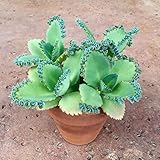
- - The plant you receive is about 15 to 25 Centimeters tall with minimum soil. No pot. - 3 units in a pack - Become more beautiful when it gets sunlight - Easy to grow, and it is fun to see it growing.
3. Plant offsets or leaf-edge plantlets
This method depends on the kind of kalanchoe you have. Some species form offsets or small plantlets along leaf edges; other plants do not. North Carolina State Extension lists offsets and division among propagation methods for the genus, while University of Illinois Extension notes that some plantlets fall from the mother plant and root where they land.
Quick Recap
Best Value
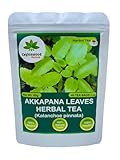
- 🌿 Pure Single-Ingredient Herbal Tea Made only from carefully selected Kalanchoe Pinnata leaves with no added tea, fillers, or artificial ingredients
- 🍃 Naturally Bold Herbal Taste Earthy and strong flavor typical of real herbal leaves – enjoy hot or with honey to suit your preference
- @ Carefully Sourced from Sri Lanka Prepared from naturally grown leaves and gently dried to preserve their natural character and aroma
- ☕ Convenient Tea Bags for Daily Use Includes 40 easy-to-use tea bags, perfect for a simple and consistent herbal tea routine at home or work
- 🌱 Clean and Simple Herbal Infusion Caffeine-free and free from additives, offering a pure herbal tea experience with every cup
Rank #3
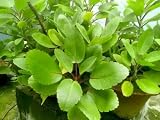
- PLANT TYPE: Kalanchoe pinnata, also known as Life Plant or Air Plant, is a succulent plant species known for its distinctive leaf structure
- SIZE: Young seedling measures approximately 2 inches in height, perfect for starting your indoor garden collection
- GROWTH POTENTIAL: Mature plants can reach heights of up to 4-6 feet when provided with proper care and growing conditions
- CARE REQUIREMENTS: Thrives in well-draining soil with moderate watering and bright, indirect sunlight exposure
- PLANTING VERSATILITY: Suitable for both indoor container growing and outdoor gardens in USDA zones 10-12
Rank #2

- FLORIST KALANCHOE: Includes 3 flowering succulents with vibrant orange, red, and yellow blooms
- LONG-LASTING COLOR: Known for bedazzling plant lovers with bold, consistent blossoms year-round
- EASY PLANT CARE: Drought tolerant and easy to grow for beginners and plant lovers alike
- YOUR NEW PLANTS: Grown with love in 3.5 in. grower pots, approximately 7 in. tall upon arrival
- ABOUT US: We love animals as much as we love plants. That's why a portion of every purchase is directed to our mission to help place shelter animals in happy homes
- Look for a visible young plant. Do not wait for offsets on a plant that does not produce them.
- Separate it carefully. If it is attached to the mother plant, use clean, sharp scissors or pruners to separate it without damaging the young plant.
- Pot it in a draining medium. Set the offset or rooted plantlet in cactus or succulent mix and keep it lightly moist while it establishes.
What to use for rooting medium and care
- Medium: Use a porous, well-draining mix. Clemson’s suggested rooting blend is half peat moss and half perlite; Illinois Extension recommends cactus or succulent potting mix for home propagation.
- Light: Bright indirect light is appropriate for cuttings.
- Water: Moisten the medium lightly. Avoid saturation, which raises the risk of rot.
- Patience: Extension guidance gives roughly two to three weeks for rooting or establishment of stem cuttings, but conditions and plant response vary.
Why a cutting may struggle
- The medium stays soggy: Let excess water drain and allow the medium to become less wet before watering again.
- The cutting was planted immediately: For stem and leaf cuttings, allow the cut surface to dry and callus for a few days first.
- The shoot was flowering: Use a healthy, nonflowering stem tip for the cutting method described by Clemson.
- You are waiting for plantlets on a plant that does not make them: Choose a stem or leaf cutting instead; offsets and leaf-edge plantlets are species-dependent.
Product prices and availability are accurate as of the date/time indicated and are subject to change. Any price and availability information displayed on Amazon at the time of purchase will apply.