Vertical gardening moves plants upward with trellises, arches, shelves, pockets, hanging containers, poles, or stacked planters. Here are 28 adaptable DIY ideas, from simple herb rails and ladder planters to A-frames, living walls, privacy screens, and hydroponic towers. Before building, check light, wet weight, drainage, anchoring, root space, and how you will water every level.
Vertical gardening turns walls, fences, railings, frames, shelves, and hanging structures into growing space. The best design is not necessarily the most elaborate one: it is the one that matches the available light, can carry the wet weight of plants and containers, drains safely, and remains easy to water and harvest.
As an Amazon Associate I earn from qualifying purchases.
Use the ideas below as adaptable project concepts rather than fixed recipes. A gutter garden can grow lettuce in one location and herbs in another; a trellis can support beans, cucumbers, flowers, or a privacy screen. Before building, check the structure, growing medium, drainage, irrigation, and mature plant size.
Choose the right vertical garden before you build
- Sun: Fruiting crops such as tomatoes, peppers, cucumbers, and strawberries generally need more direct sun than leafy greens, herbs, and shade-tolerant ornamentals.
- Support and wet weight: Soil, saturated potting mix, containers, mature plants, and rain can weigh far more than an empty planter. Inspect walls, fences, railings, anchors, and fasteners before attaching anything.
- Drainage: Every enclosed container needs drainage holes or a deliberate drainage path. Leave an air gap behind wall-mounted planters so water does not remain against siding, masonry, or timber.
- Growing medium: Use lightweight, well-drained potting mix for containers, pockets, gutters, bottles, and towers. Heavy native soil or fill dirt adds unnecessary load and may drain poorly.
- Watering access: Upper pockets and exposed containers can dry faster than lower ones. If you cannot comfortably reach every level, plan for drip irrigation or self-watering containers.
- Maintenance access: Put frequently harvested herbs and greens at waist or chest height. Use high or difficult-to-reach areas for less demanding ornamentals.
- Safety: Secure tall structures against wind, protect electrical components from water, wear gloves when handling lumber or metal, and use safe lifting practices.
If you prefer a ready-made system, a vertical garden planter can simplify the frame, pockets, or stacking arrangement, but it still needs a stable location, suitable light, drainage, and a realistic watering plan. Product availability and specifications vary, so check the load and mounting instructions before buying.
Edible vertical garden ideas
1. Framed wall-pocket herb garden
Mount fabric or rigid planting pockets inside a simple wood or metal frame. Put trailing thyme or oregano in upper pockets and upright basil, parsley, or chives in lower pockets. Add waterproof backing or maintain a deliberate air gap where the frame is near siding or masonry. Dense pocket systems often need frequent irrigation, so install them where a hose or drip line can reach.
#1 Best Overall
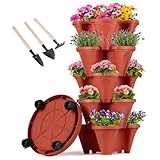
- SAVE FLOOR SPACE - Stackable vertical planter tower
- EASY 360° MOBILITY - 4 lockable swivel wheels
- PREVENT OVERWATERING - Bottom drainage holes for breathable pots
- RIGHT MOISTURE - Soil board holds a little water to keep soil moist
- VIBRANT & ROOT-SAFE: PATENTED SOIL BOARDS - Our vertical garden design features specialized airflow gaps and a patented soil-holding board that prevents root rot. This breathable system ensures your indoor or outdoor herbs stay lush, green, and healthy from the top tier to the bottom.
2. Trellis-backed tomato and herb wall
Build a freestanding trellis or space one slightly away from a wall, then attach small containers for herbs and compact tomatoes. The trellis supports tomato stems or other vines while the containers create the edible wall effect. Choose patio, dwarf, bush, or compact tomato varieties and size each container for the plant at maturity.
3. Gutter garden for leafy greens
Repurpose clean rain gutters as horizontal troughs mounted in several tiers. End caps, drainage openings, and a slight slope help prevent standing water. Lettuce, spinach, radishes, green onions, and shallow-rooted herbs are suitable choices. Keep the gutters accessible so you can sow and harvest repeatedly.
The Tool Desk
Outbyte Driver Updater FREEFix the driver behind crashes, sound loss and screen glitchesFind Drivers →Outbyte PC Repair FREERepair Windows errors before they cause bigger problemsFix Now →4. Hanging-bottle salad column
String cleaned food-grade plastic bottles vertically on strong cord or wire. Cut a planting opening in each bottle and add drainage holes before filling them with lightweight mix. Use shallow-rooted greens and herbs rather than large fruiting plants. The system is inexpensive, but inspect the cord, bottle plastic, and mounting point regularly as the containers become wet and heavier.
5. Stacked terracotta-pot tower
Build a tower from progressively offset pots, a central pipe, or a stable vertical stand. Plant trailing flowers, strawberries, herbs, or compact greens in the openings. Porous terracotta dries faster than glazed or plastic containers, and a tall tower can tip if its base is too narrow. Place it on a level surface and keep the heaviest section low.
6. Tiered ladder planter
Lean or build a stable ladder and place pots on each rung. This is particularly useful for renters because the garden can remain freestanding and movable. Use heavier pots on the lowest rungs, provide drainage, and account for the changing light from the top of the ladder to the bottom.
7. A-frame edible trellis
Join two trellis panels at the top to make an A-frame. Plant cucumbers, peas, pole beans, or compact melons at the base. The shaded interior can hold tolerant greens or a narrow access path. Vining crops usually need little more than a suitable framework, but sprawling or heavy crops may require ties, slings, or additional support as fruit develops.
8. Balcony railing planter-and-trellis combination
Attach properly rated railing planters below lightweight trellis or netting. Grow compact tomatoes, peppers, basil, and trailing flowers in the boxes, then train peas or small cucumbers upward. Check building rules, railing load limits, wind exposure, and the security of every clamp or bracket before adding wet soil.
10. Vertical strawberry tower
Use stackable pots, a purpose-built tower, or staggered containers to create multiple strawberry pockets. Put the fruiting plants where they receive adequate sun and where ripe berries can be reached without a ladder. A drip line or reservoir can reduce the work of watering every pocket, but inspect each level because water distribution is rarely perfectly even.
11. PVC or large-pipe pocket tower
Cut planting openings into a wide, clean pipe and fill it with lightweight medium, or use the pipe as a support for individual pots. The design is best for shallow-rooted greens, herbs, and ornamentals unless the pipe diameter provides sufficient root volume. Cap or screen the bottom so the growing medium does not wash out.
20. Wall-mounted kitchen-herb rail
Mount a horizontal rail with removable pots or metal buckets. Group herbs with similar light and watering requirements, and place culinary plants within easy reach. Indoors, use saucers or a catchment shelf and protect the wall from repeated moisture. Removable pots also make it easier to rotate plants toward the light or bring tender herbs inside.
Do these 3 things before closing this tab:
1Repair Windows errors before they cause bigger problems2Fix the driver behind crashes, sound loss and screen glitches3Clear out junk files and repair common Windows errorsRank #2

- Space-Saving : This strawberry planter maximizes your gardening space by stacking 5 layers to grow more plants in a compact area. The strawberry tower planter is ideal for patios, balconies, or indoor use
- Efficient Self-Draining: This vertical garden planter’s built-in drainage feature prevents waterlogging, keeping plants healthy by automatically channeling excess water away
- Soil Moisture Retention: Designed to maintain ideal moisture levels, the greenstalk vertical planter keeps soil hydrated longer, reducing the need for frequent watering and helping plants thrive
- Easy to Move: The strawberry pot’s movable wheels make the vertical planter tower simple to transport for optimal sun exposure or to rearrange spaces
- Suitable for Multiple Plants: This tiered planter is perfect for herbs, flowers, vegetables, or succulents, this planter accommodates diverse plant types, letting you build a mini garden with ease
25. Window-mounted microgreen shelf
Install narrow shelves beside a bright window for trays of microgreens, baby lettuce, or herbs. Use removable trays with drainage and protect the sill from water. This is a vertical arrangement rather than a single wall planter, making it practical for apartments or homes without outdoor space.
Recycled and budget-friendly projects
9. Pallet-style succulent display
Use a purpose-built untreated frame or a verified safe pallet as a shallow succulent planter. Succulents require exceptionally good drainage and a medium that does not remain wet. Avoid pallets marked MB, painted rental pallets, broken boards, rusty nails, and unknown or chemically questionable materials. Do not assume that every recycled pallet is suitable for growing plants.
14. Wire-mesh wall for clipped cans
Attach a rigid wire grid to spaced battens, then secure cleaned metal cans or small pots to the grid. Drill drainage holes before filling the containers and preserve an air gap between the grid and the wall. The grid can support climbing plants while the cans hold herbs, greens, or compact flowers. Remove sharp edges and use corrosion-resistant fasteners outdoors.
15. Upcycled crate staircase
Stack or screw wooden crates into a stepped arrangement, with the lowest crates carrying the greatest load. Use the openings for herb, flower, or compact vegetable pots. Any liner must still permit drainage; a sealed box that traps water can rot timber and damage the surface beneath it. Untreated or food-safe wood is preferable where plants or edible produce will remain in contact with the structure.
21. Repurposed shoe-organizer garden
A fabric shoe organizer can hold shallow-rooted herbs, lettuce, flowers, or houseplants when used with appropriate material, drainage, and mounting. Hang it from a secure, water-resistant backing rather than a weak hook or interior wall. Small pockets dry rapidly, so expect more frequent checks than with a conventional planter. Avoid large vegetables that need substantial root space.
27. Cinder-block-and-board plant wall
Stack stable blocks and insert boards or pots into the openings to make a modular freestanding wall. Build on a level base, keep the heaviest containers low, and do not rely on a loosely stacked arrangement in a windy location or where children may climb. The openings can hold herbs, succulents, flowers, or compact vegetables; shallow troughs can sit on top if the structure is stable enough to carry them.
Ornamental and space-defining designs
12. Hanging-basket “green curtain”
Hang several baskets from a pergola beam, porch frame, or purpose-built rack at staggered heights. Combine upright plants with trailing flowers or herbs to create a curtain effect. Use strong hardware, distribute the load, and position the most water-demanding baskets where they are easy to reach. Check suspension points after heavy rain or wind.
13. Branch-and-twine bean teepee
Create a teepee from sturdy branches or poles and lash them together with garden twine. Plant pole beans, peas, or a light annual climber around the base. The structure is simple and inexpensive, but inspect both poles and twine during the growing season as plant weight increases. Leave a clear opening if the teepee is intended as a children’s garden feature.
Quick wins for a faster PC:
Fix the driver behind crashes, sound loss and screen glitchesFind Drivers →Clear out junk files and repair common Windows errorsFree Scan →Rank #3

- SAVE FLOOR SPACE - Stackable vertical planter tower
- EASY 360° MOBILITY - 4 lockable swivel wheels
- PREVENT OVERWATERING - Bottom drainage holes for breathable pots
- RIGHT MOISTURE - Soil board holds a little water to keep soil moist
- VIBRANT & ROOT-SAFE: PATENTED SOIL BOARDS - Our vertical garden design features specialized airflow gaps and a patented soil-holding board that prevents root rot. This breathable system ensures your indoor or outdoor herbs stay lush, green, and healthy from the top tier to the bottom.
17. Freestanding privacy-screen garden
Build a slatted screen, cattle-panel frame, or trellis screen and place containers along its base or attach lightweight planters to it. Climbers can create seasonal privacy, while the screen itself becomes a construction feature. Secure it against tipping, leave clearance for airflow, and allow room to inspect the rear face, fasteners, and plants.
22. Hanging coconut-coir basket column
Suspend several coir-lined baskets in a vertical line or cluster. Trailing flowers, strawberries, and herbs work well in the pockets. Coir-lined baskets can dry quickly, especially in sun and wind, so put them close to a convenient water source and avoid plants that cannot tolerate intermittent moisture.
23. obelisk container garden
Place a decorative obelisk in a large, heavy container and plant a climber around its base. Morning glory, nasturtium, runner bean, or another suitable vine can turn the structure into a flowering or edible column. Check mature size and regional invasiveness before planting, and select an obelisk that is anchored deeply enough for the expected wind load.
28. Vertical pollinator and cut-flower screen
Combine a trellis with containers of compact flowers and climbers chosen for seasonal color, cut flowers, and pollinator resources. Marigolds, compact zinnias, nasturtiums, clematis, and other locally suitable plants can contribute different heights and flowering periods. Check regional suitability and invasiveness, and leave enough access for deadheading, harvesting, watering, and support repairs.
Recommended Free Tools
Indoor and technical vertical gardens
16. Living-wall felt panel
Install a commercial or DIY felt-pocket panel on waterproofed backing. Choose shade-tolerant foliage, herbs, or ornamental plants with similar moisture needs. Living walls commonly require irrigation and ongoing maintenance; placing one directly against an unprotected wall risks staining, leaks, and hidden moisture damage. Removable nursery pots make replacement and cleaning easier.
18. Hanging rain-chain herb garden
Arrange small hanging pots beneath a rain chain or near a downspout for a strong visual connection between water and planting. Do not allow contaminated roof runoff to flow directly into edible containers. Bird droppings, roofing materials, and gutter debris can affect water quality, so use a separate, clean water source for herbs unless local guidance supports the arrangement.
19. Rain-barrel-fed vertical garden
Use a covered rain barrel as a non-potable reserve for an outdoor vertical garden. Water can be delivered with a can or a low-pressure drip system. Rain barrels and cisterns are intended for stored landscape irrigation water, not drinking water; local ordinances, overflow management, mosquito control, and roof-runoff contamination all matter. Keep the barrel on a level base strong enough to carry its full wet weight.
A rain barrel for garden irrigation may be useful in this setup, but choose a covered model and verify local rules. Do not connect collected water to potable plumbing or use it casually on edible crops when the roof or gutter system may contribute contaminants.
24. Indoor pocket garden for houseplants
Create a shallow wall display for pothos, peperomia, spider plants, ferns, or other small houseplants suited to the available indoor light. Use a waterproof liner, removable nursery pots, and a drip tray rather than planting directly into a wall-mounted fabric pocket unless moisture is fully controlled. A display that can be removed is easier to clean and less likely to damage drywall.
26. hydroponic vertical tower
A recirculating hydroponic tower can produce leafy greens and herbs in a small footprint, but it is a more technical project than a soil-based planter. It requires dependable water circulation, electrical safety, nutrient management, light appropriate to the crop, and regular cleaning. Keep pumps and connections protected from splashes, provide a stable base, and plan what happens if power or circulation fails. For most beginners, a soil-based tower is the simpler starting point.
Rank #4

- [MINIMAL FOOTPRINT & MAXIMIZED SUNLIGHT] Save your valuable floor area! Designed to occupy very little ground space, this ergonomic trapezoid 5-tier vertical garden planter raised bed maximizes your growing capacity vertically. The smartly staggered structure ensures no plant is shaded, allowing every leaf to receive full sunlight and moisture. Whether on a narrow balcony or compact patio, this versatile vertical raised garden bed is perfect for harvesting fresh veggies, herbs, and blooms!
- [STABLE BASE & DETACHABLE BINS] Designed with a sturdy freestanding base, you can securely position your vertical garden plant stand in any desired corner. Want to replant comfortably at your table? Each independent vertical planting box simply lifts right off the main frame, allowing incredibly flexible, free-range planting.
- [STURDY STRUCTURE & FOOD-SAFE MATERIALS] Designed for reliable stability and everyday outdoor use. Constructed with rust-resistant painted steel, fortified triangular brackets, and two additional bottom fixing rods, this frame provides a secure and balanced foundation for your plants. Built to hold up well in typical outdoor environments, the high-quality vertical raised garden planter boxes are crafted from durable, 100% food-safe PP material—capable of safely supporting heavy damp soil without breaking.
- [SMART CASCADING DRAINAGE SYSTEM] Stop rotting roots or making messy patios! This innovative vertical garden bed features 3 strategically placed side holes per tier, channeling excess water seamlessly downward. Brilliantly, the bottom box has sealed hole knockouts (you can choose to open them), ensuring no muddy spills ever ruin your indoor floors.
- [BONUS STORAGE STATION & FAST SETUP] Go beyond standard planters—our comprehensive vertical herb garden uniquely features a heavy-duty Textilene mesh bottom and 5 hanging hooks for neatly organizing trowels and fertilizers! Complete setup in minutes with included clear manual and step-by-step installation video.
Plants that suit vertical gardens
| Growing situation | Good starting choices | Important qualification |
|---|---|---|
| Natural climbers | Pole beans, snap peas, cucumbers, and other vines | Provide a support rated for mature plant and fruit weight. |
| Compact containers | Lettuce, herbs, tomatoes, peppers, eggplant, carrots, beans, radishes, kale, chard, spinach, strawberries | Match root volume and container depth to the crop. |
| Herb displays | Thyme, oregano, parsley, rosemary, basil, chives, cilantro, lavender | Light, climate, and watering needs differ substantially. |
| Small spaces | Plants labeled “bush,” “patio,” “dwarf,” or “compact” | Confirm mature height, spread, and container requirements on the plant tag or seed packet. |
| Shade or filtered light | Leafy greens and shade-tolerant ornamentals | Fruiting plants usually need more direct sun. |
Watering and maintenance checklist
- Check levels separately. Water may drain quickly through upper pockets while lower containers remain damp. Feel the medium in more than one position instead of assuming the whole system has equal moisture.
- Inspect during hot or windy weather. Small, elevated, porous, and exposed containers dry fastest.
- Automate only after testing. A vertical garden drip irrigation kit can improve consistency in multi-tier systems, but emitter placement, water pressure, filters, and maintenance determine whether every pocket receives water.
- Consider self-watering containers. Self-watering pots can reduce daily workload for some container arrangements, but they still need filling, cleaning, and occasional checks. They are not a substitute for matching the plant to the container.
- Feed carefully. Apply fertilizer according to the product label and crop needs. Overfeeding small containers can damage roots or create excessive leafy growth.
- Harvest often. Regularly picking herbs, greens, beans, and ripe fruit can prolong useful production and prevent plants from becoming unnecessarily heavy.
- Inspect the structure. Check anchors, screws, brackets, ties, shelves, twine, rails, and wall clearances after heavy rain or wind.
- Control leaks indoors. Use removable trays and test the system before placing it near flooring, electrical outlets, siding, or finished walls.
For containers and pockets, a well-draining potting mix is generally more appropriate than heavy garden soil. Keep the medium lightweight, but do not reduce root volume so far that larger plants become unstable or drought-prone.
Safety notes for DIY construction
- Anchor tall planters, trellises, privacy screens, and towers against tipping, especially on balconies, rooftops, and exposed patios.
- Confirm the load capacity of balconies, railings, shelves, walls, and fasteners. Calculate the system when wet, not when empty.
- Keep drainage away from foundations, siding, masonry joints, timber, and finished indoor surfaces.
- Use clean, food-appropriate containers for edible crops. Do not use unknown chemical containers or questionable reclaimed lumber.
- With pallets, reject MB-marked, painted rental, broken, or contaminated examples. Remove or fully secure protruding nails and splinters.
- For hydroponics, use outdoor-rated or protected electrical components, keep connections dry, and provide a safe failure plan for pumps.
- Use collected rainwater as non-potable water and follow local rules. Take extra care with edible plants because roof and gutter runoff may contain pollutants.
Which idea should you build first?
Choose a ladder planter, herb rail, or window shelf when you want a movable, low-attachment project. Choose a trellis, A-frame, bean teepee, or obelisk when the main goal is supporting climbers. Choose gutters, pockets, bottles, or a strawberry tower when you want many small planting spaces. Choose a cinder-block wall or privacy screen when you need a freestanding structural feature. Choose a felt living wall or hydroponic tower only when you are prepared for more detailed irrigation and maintenance.
Windows Errors? Fix Them Before They Spread
Repair common Windows errors and clear accumulated junk for a smoother, more stable PC - no reinstall needed.Free scan · no reinstallCrashes, No Sound, or Screen Glitches?
Random freezes, missing sound and display glitches usually trace back to one bad driver. Find and replace yours safely.Free scan · under a minuteStart with the smallest design that solves your space problem. A well-anchored, well-drained planter that you can water and harvest easily will outperform a larger display that is difficult to reach or maintain.
Frequently Asked Questions
What counts as a vertical garden?
A vertical garden is a planting arrangement that uses upward space through trellises, pockets, shelves, hanging containers, towers, frames, or stacked planters. It can be attached to a wall or fence, or built as a freestanding structure.
What plants are best for a DIY vertical garden?
Pole beans, snap peas, cucumbers, and other natural climbers are among the easiest choices. Compact tomatoes and small melons can also work when the container, trellis, and support are sized for mature weight.
Can I build a vertical garden on a balcony railing?
Yes, but the railing and attachment hardware must be rated for the complete wet load, and wind exposure must be considered. Check building or landlord rules before installing planters.
Free tools Windows power users keep installed
One-click scans. No signup required.
Is a hydroponic vertical tower suitable for beginners?
A soil-based tower or pocket planter is usually easier for beginners. Hydroponic towers require reliable circulation, nutrient management, electrical safety, cleaning, and a plan for pump or power failures.
Can I use rain-barrel water on a vertical vegetable garden?
Collected rainwater should be treated as non-potable. Roof and gutter runoff can contain pollutants, bird waste, and residues from roofing materials, so follow local rules and use care with edible crops.
The Bottom Line
The most successful vertical garden is built around five checks: adequate light, a sound support, drainage that protects nearby surfaces, enough root space, and watering you can realistically maintain. Use trellises for climbers, shallow pockets and gutters for greens and herbs, heavy freestanding structures for larger displays, and technical irrigation or hydroponics only when their maintenance requirements fit your routine.
Quick Recap
Product prices and availability are accurate as of the date/time indicated and are subject to change. Any price and availability information displayed on Amazon at the time of purchase will apply.
What’s actually slowing this PC down?
Pick the symptom - the matching free tool is one click away.

