Recommended Free Tools
Some links on this page are affiliate links: if you buy through them we may earn a commission, at no extra cost to you.
The biggest flooring trends for 2026 are not just about color. Homeowners are asking for warmer wood tones, wider boards, large-format tile, matte finishes, patterned layouts, waterproof resilient floors, natural clay and stone looks, and softer rooms where comfort matters. The practical question is whether those choices will still look good after five years of pets, water, furniture, sunlight, stair traffic, and seasonal movement.
On our job sites, the best flooring decisions usually happen before anyone orders material. We check the subfloor, moisture conditions, transitions, door clearances, stair details, baseboards, appliance clearances, and the way the new floor meets existing rooms. That is where a good trend becomes a durable installation instead of an expensive regret.
As an Amazon Associate I earn from qualifying purchases.
For 2026 budgets, most professionally installed floors fall somewhere from about $5 to $21 per square foot for common residential materials, before major repairs, hazardous-material remediation, custom patterns, stairs, or extensive leveling. Carpet may run about $3 to $11 per square foot depending on the source and product. Vinyl and LVP commonly land around $5 to $13.63 per square foot. Laminate is often around $6.91 to $11.81 per square foot. Solid hardwood is commonly estimated around $13.19 to $16.72 per square foot installed. Tile can run about $16.38 to $20.60 per square foot for many standard floor and bathroom applications, with quality ceramic projects sometimes reaching about $11 to $39 per square foot depending on tile, prep, layout, and setting materials.
Here are the seven flooring trends we expect to matter most in 2026, plus the builder-level details homeowners should know before signing a proposal.
#1 Best Overall
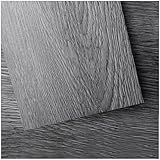
- Stylish - Authentic wood looking and grain texture, adding timeless feature for your home
- Easy DIY - Just peel and stick down on a flat floor for installation, no power tools, no experience, no glue, no accessoies
- Superior Property - Rigid surface and hard core, 100% waterproof, fire proof, wear resistant, scratch and abrasion resistant, high strength, no expansion, stable
- Wide Application - Besides as flooring, it can be applied to wall, ceiling, cabinet by adding extra glue (liquid nail)
- Exceptional Customer Service - We offer full service 24/7 for our customers for any product related issues, 2-year warranty
1. Warm, Character-Rich Wood Floors
Cool gray floors are losing ground. In 2026, expect more natural oak, medium brown, honey, walnut, classic stain colors, visible grain, knots, wire-brushed texture, and boards that look like actual wood instead of a flat printed surface. This works especially well in traditional homes, transitional remodels, kitchens, living rooms, dining rooms, and primary suites.
The strongest version of this trend is not necessarily solid hardwood. In many remodels, wide-plank engineered wood is the better construction choice. Engineered wood has a real wood wear layer over a more stable core, which helps with wider boards, slab installations, and rooms where seasonal movement is a concern. Solid hardwood still has a place, especially over wood subfloors where future refinishing is a priority, but it needs the right moisture conditions and acclimation time.
Builder Reality Check
Wood flooring is sensitive to moisture and movement. Before installation, we want moisture readings documented for the flooring and the subfloor, especially over crawlspaces, slabs, additions, and kitchens. We also look for water sources outside the room: poor crawlspace ventilation, missing vapor barriers, plumbing leaks, HVAC condensation, and exterior drainage problems can all show up later as cupping, gaps, or finish failure.
Solid hardwood installation is commonly estimated around $13.19 to $16.72 per square foot in 2026. Engineered wood varies widely. A 500-square-foot basic/medium-labor example can land around $1,995 to $2,628 in materials plus about $1,364 in labor before exclusions, but premium wide planks, glue-down systems, slab testing, stair work, and floor prep can push that higher.
If you are choosing wood for resale, avoid extreme colors. Warm white oak, natural oak, classic brown, and muted walnut tones tend to age better than trendy gray, orange, or very dark espresso floors. For households with dogs, ask about finish system, scratch visibility, texture, and whether the product can be refinished or at least recoated.
2. Wide Planks and Large-Format Floors
Wider boards and larger tiles are a major 2026 look because they make rooms feel calmer and more open. In wood and wood-look products, 7-inch to 9-inch planks are common in higher-end remodels, with some products going wider. In tile, 24-by-24-inch, 24-by-48-inch, and larger formats are popular for kitchens, bathrooms, entries, and open living areas.
The benefit is visual continuity. Fewer seams and grout lines create a cleaner floor plane. The tradeoff is that larger materials are less forgiving. A small dip in the subfloor that would be hidden under a smaller tile can become lippage with a large-format tile. A wide plank can show cupping, crowning, or gapping more dramatically than a narrow strip floor.
Builder Reality Check
Large-format tile needs a flatter substrate, better layout planning, and careful handling. Tile industry guidance is clear that tile assemblies must control deflection; many ceramic tile floors are designed around an L/360 deflection limit, while natural stone is commonly treated more strictly. Translation for homeowners: if the floor structure flexes too much, tile and grout can crack even when the tile itself is expensive.
Large tile also increases the importance of layout. We plan sight lines from entries, kitchen islands, showers, tubs, and long hallways. We check where slivers will land, how cuts wrap corners, and whether the tile size fights the room dimensions. Rectified tile, tight grout joints, and offset patterns can all increase installation difficulty.
Tile installation is often estimated around $16.38 to $20.21 per square foot, with bathroom floor tile around $16.58 to $20.60 per square foot. Quality ceramic tile projects can range roughly $11 to $39 per square foot. Expect higher labor for large-format tile, plank tile, diagonal layouts, waterproofing, crack-isolation membranes, leveling, and complex cuts.
3. Matte, Satin, and Textured Finishes
Low-sheen flooring is one of the most practical trends heading into 2026. Glossy floors show dust, footprints, pet scratches, and roller marks. Matte and satin finishes are more forgiving in busy homes, especially when paired with subtle texture.
Rank #2

- double-faced mallet with non-slip rubber grip help absorb vibration. Constructed of cast iron with bright chrome plating, the hammer is equipped with the hardness of 90±5 HAS. Double-faced solid rubber head delivers a softened, positive strike. The mallet head is 1-3/8 inch in diameter. The length of whole mallet is 10.3inch
- pull bar is designed with enhanced strength.Made from premium A3 steel with matt coating.The soft pads on the back can well protect the floor from scratch.The length of the pull bar is 10.5inch, thickness is 3mm
- the tapping block made from polypropylene with a handle that will knock your hand at work. We improved the structure and made a new design, making this product more sturdy and practical. The approximate size of the block body is 9.4 inch x 2.4inch x 1inch
- tapping block with easy to grip handle. You can rap the splicing floor planks directly without mallet.And you can also use it with mallet, it is more powerful and faster to finish installation work
- comes with 40 pieces plastic spacers which are designed with non-slip slots. The approximate size of the spacer is 2.3inch x 1.2inch
In wood, that may mean wire-brushed, matte polyurethane, hardwax oil looks, or factory finishes with a natural surface. In LVP and laminate, it means avoiding plastic-looking shine and choosing embossed textures that align with the printed grain. In tile, honed, matte, and lightly textured surfaces are showing up in kitchens, baths, mudrooms, and laundry rooms.
Builder Reality Check
Texture needs to match the room. A lightly textured kitchen floor can hide wear and improve traction. A deeply textured floor can trap dirt. A very matte dark floor can still show dust. A polished bathroom tile can be slippery, especially near showers and tubs.
For bathrooms, laundry rooms, entries, and aging-in-place remodels, ask about slip resistance and cleanability before falling in love with a sample. Also check transition heights. Accessibility guidance for floor and ground surfaces limits abrupt vertical changes. A common benchmark is that changes up to 1/4 inch may be vertical, while changes between 1/4 inch and 1/2 inch generally need a beveled transition. That matters where tile meets hardwood, LVP meets carpet, or a bathroom floor meets a hallway.
Do these 3 things before closing this tab:
1Scan for outdated or missing drivers - takes under a minute2Repair Windows errors before they cause bigger problems3Fix the driver behind crashes, sound loss and screen glitchesLow-sheen finishes are usually not a major cost driver by themselves, but they can reveal installation quality. Poor floor prep, uneven sanding, adhesive residue, and bad lighting coordination are easier to spot across a broad matte surface. We like to review finish samples in the actual room under daylight and evening lighting before final approval.
4. Herringbone, Parquet, and Checkerboard Patterns
Pattern is coming back because homeowners want custom character without making every surface loud. Herringbone wood, chevron-inspired layouts, parquet blocks, checkerboard tile, and small mosaic floors can turn an entry, powder room, kitchen, butler pantry, laundry room, or primary bath into a memorable space.
The smartest way to use this trend is selectively. A patterned floor in one important room often has more impact than forcing pattern through an entire first floor. It also keeps cost under control and reduces the risk that the home feels too busy.
Builder Reality Check
Patterns cost more because they require more layout time, more cuts, more waste, and more threshold planning. Herringbone wood or LVP needs careful centerlines and border decisions. Checkerboard tile needs the room measured so the pattern does not die awkwardly at walls, vanities, tubs, islands, or doorways. Mosaics need a flatter substrate than many homeowners expect because sheet lines and waves can show under raking light.
The Tool Desk
Outbyte PC Repair FREERepair Windows errors before they cause bigger problemsFix Now →Outbyte Driver Updater FREEScan for outdated or missing drivers - takes under a minuteDriver Scan →Waste factors also change. A simple straight-lay floor might need 5% to 10% extra material depending on the room. Patterned layouts can require 10% to 15% or more, especially with diagonal cuts, small rooms, or expensive tile where matching matters. For imported, handmade, or special-order material, order attic stock at the same time. Lot numbers and dye lots can change, and a repair two years later may not match.
For DIY, peel-and-stick checkerboard in a small utility area is one thing. A herringbone wood floor through a foyer and hall is another. If the pattern will be visible from several rooms, hire an installer who can show photos of similar work and explain the layout before starting.
5. Terracotta, Stone Looks, and Warmer Natural Materials
Warm natural floors are gaining attention: terracotta, limestone looks, travertine looks, slate-inspired porcelain, warm beige stone, clay tones, and earthy neutrals. The best versions feel grounded and architectural instead of decorative. They pair well with wood cabinetry, plaster-look walls, unlacquered brass, blackened metal, and traditional millwork.
Real terracotta has charm, but it is porous. It usually needs sealing, maintenance, and realistic expectations about variation. Natural stone can be beautiful, but it may require sealing, structural review, and more careful cleaning. For many busy kitchens, bathrooms, mudrooms, rental properties, and pet-heavy homes, porcelain lookalikes are the more practical choice. Good porcelain can give the clay or stone look with lower porosity and easier maintenance.
Quick wins for a faster PC:
Clear out junk files and repair common Windows errorsFree Scan →Fix the driver behind crashes, sound loss and screen glitchesFind Drivers →Repair Windows errors before they cause bigger problemsFix Now →Builder Reality Check
Do not spend the whole budget on premium tile and then underfund the assembly under it. The substrate, underlayment, waterproofing, crack isolation, mortar, grout, and movement joints determine whether the floor survives. A moderately priced porcelain installed correctly often outperforms an expensive material installed over a bad substrate.
For bathrooms and wet areas, waterproofing is not the same as tile. Tile and grout are finish materials; the waterproofing belongs underneath or behind them. In remodels, we also check toilet flange height, door swings, vanity clearances, tub apron details, and whether the floor build-up creates a trip point at the hallway.
Rank #3

- Stylish - Authentic wood looking and grain texture, adding timeless feature for your home!
- Easy DIY - Just peel and stick down on the floor for installation, no power tools, no experience.
- Superior Property - Rigid surface and hard core, 100% waterproof, fire proof, wear resistant, scratch and abrasion resistant, high strength, no expansion, stable.
- Wide Application - Besides as flooring, it can be applied to wall, ceiling, cabinet by adding extra glue (liquid nail).
- Packaging Detail - Plank dimension: 6" width x 36" length, pack of 36 pcs, covers 54 sq.ft
Cost-wise, treat natural-look tile like other tile work: roughly $16.38 to $20.60 per square foot is a common 2026 installed range for many floor and bathroom applications, but complex patterns, natural stone, rectified edges, waterproofing, floor flattening, and premium grout can move the number materially. If general contractor supervision is needed because the flooring work ties into plumbing, carpentry, waterproofing, or structural repairs, overhead and coordination can add roughly 13% to 22% where applicable.
6. Better Waterproof Resilient Flooring
Luxury vinyl plank, luxury vinyl tile, SPC, and WPC floors are still popular in 2026 because they solve real household problems. They are useful in kitchens, basements, baths, laundry rooms, rentals, pet-heavy homes, and budget-conscious remodels. The trend is moving toward more realistic wood visuals, cleaner stone looks, better matte textures, longer boards, and products that do not look like old sheet vinyl.
Outdated Drivers Are Slowing You Down
One free scan finds every outdated or missing driver and matches the right update for your exact hardware.Free scan · exact hardware matchPC Slower Than It Used to Be?
A free scan shows the junk files, broken settings and background clutter dragging Windows down - then fixes them in one click.Free scan · Windows 10 & 11The mistake is choosing only by color. The better comparison is wear layer, core construction, locking profile, attached pad, warranty exclusions, underlayment compatibility, and manufacturer moisture limits. A good-looking plank with a weak locking joint can fail quickly over a floor that is not flat enough.
Builder Reality Check
Waterproof does not mean problem-proof. Most floating floors still require a flat substrate, correct expansion gaps, compatible underlayment, and moisture conditions that fall within the manufacturer’s limits. If a basement slab is actively emitting moisture, trapping that moisture under a floating floor can lead to odor, mold concerns, adhesive failure in nearby areas, or damaged trim.
For LVP and LVT, 2026 installed costs vary by source and scope. Professional vinyl flooring installation is commonly listed around $5 to $9 per square foot by some large installation programs, while 2026 vinyl tile installation estimates can run about $9.16 to $13.63 per square foot. National project averages often fall around $992 to $4,007, with many homeowners paying near $1,997, but furniture moving, demolition, stairs, leveling, baseboards, and moisture mitigation can change the final price.
For rentals and pets, we usually look for a thicker wear layer, a stable core, a locking system with a good track record, and a finish that will not telegraph every scratch. For kitchens, we confirm appliance clearances and whether cabinets are already installed. For bathrooms, we pay close attention to toilet resets, caulking details, and manufacturer rules around wet areas.
What’s actually slowing this PC down?
Pick the symptom - the matching free tool is one click away.
7. Softer Floors in the Right Rooms
Carpet is not coming back as a whole-house default, but it is returning strategically. Bedrooms, nurseries, stairs, playrooms, lofts, and media rooms are the right places to consider it. Homeowners are tired of echoing rooms and cold floors, especially in second-floor bedrooms and finished basements.
The 2026 version of carpet is more intentional: better pad, lower pile where mobility matters, stain-resistant fibers, quieter rooms, and color choices that complement wood and tile rather than compete with them. Patterned carpet on stairs can also hide wear better than a flat solid color.
Builder Reality Check
Carpet performance depends heavily on pad density, fiber, pile height, seam placement, and stair installation. A cheap pad under a decent carpet is a false economy. On stairs, overly thick or loose carpet can create a safety issue. For aging-in-place work, walkers, wheelchairs, and reduced mobility generally perform better on firm, stable surfaces with low transitions.
Carpet installation is commonly estimated around $5.27 to $7.72 per square foot, while broader replacement ranges run about $3 to $11 per square foot. Some installed programs break pricing into carpet at about $1 to $4 per square foot, padding around $1.01 per square foot, and installation near $0.49 per square foot, but total project pricing depends on fiber, pad, stairs, seams, furniture, old carpet removal, disposal, and stain treatments.
Do not ignore removal costs. Carpet removal is often estimated around $1.37 to $2.49 per square foot, and old flooring removal in general commonly runs around $1 to $3 per square foot. If the home was built before 1978, painted trim and disturbance work may trigger lead-safe practices. Older flooring adhesives, sheet goods, and backing materials can also raise asbestos concerns. Testing and remediation are separate from standard flooring installation.
2026 Flooring Cost Comparison
Use these figures as planning ranges, not fixed bids. The same 800-square-foot flooring project can price very differently depending on demolition, leveling, stairs, baseboards, moisture work, pattern, and whether other trades are involved.
Rank #4
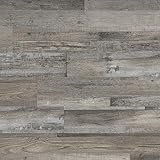
- LUXURY VINYL FLOOR TILES: For use indoors and in temperature-controlled environments only, MSI brings adhesive flooring up a notch with Glue-Down floor planks – stylish at the surface with the authentic look of real wood plank flooring
- SCRATCH & ABRASION RESISTANT: 2MM Thick and 12MIL Wear Layer, Scratch- Stain- and Dent-resistant, backed by a 25 Year Residential, 6 Year Light Commercial Warranty
- WATER RESISTANT & EASY CLEAN: Super easy to clean, tiles are water resistant. Life in the family lane is busy. Our Vinyl flooring products are low-maintenance
- WOOD-GRAIN TEXTURE Achieve the look and feel of natural wood flooring with MSI’s DIY Glue-Down planks. Natural wood grain - color finish offers the authentic look of real wood plank flooring – varied gray tones replicate the look of real wood
- PLANK SIZE: 6 in. L x 48 in. W x 0.08 in. Thick
| Flooring Type | Typical 2026 Installed Cost | Best Uses | Main Cost Drivers |
|---|---|---|---|
| Luxury vinyl plank/tile | About $5-$13.63 per sq. ft. | Kitchens, basements, rentals, pets, baths | Wear layer, core, locking system, leveling, moisture, trim |
| Laminate | About $6.91-$11.81 per sq. ft. | Bedrooms, living areas, budget remodels | AC rating, thickness, underlayment, transitions, removal |
| Solid hardwood | About $13.19-$16.72 per sq. ft. | Main living areas, resale-focused remodels | Species, width, finish, acclimation, stairs, moisture control |
| Engineered wood | Example: about $1,995-$2,628 materials plus $1,364 labor for 500 sq. ft. | Wide-plank looks, slabs, remodels needing stability | Veneer, core, install method, adhesive, slab testing |
| Ceramic/porcelain tile | About $16.38-$20.60 per sq. ft.; complex work can run higher | Bathrooms, kitchens, entries, laundry rooms | Tile size, waterproofing, membranes, cuts, pattern, grout |
| Carpet | About $3-$11 per sq. ft.; many installs around $5.27-$7.72 | Bedrooms, stairs, media rooms, nurseries | Fiber, pad, density, stairs, seams, removal, furniture |
| Removal and prep | Often about $1-$3 per sq. ft.; carpet removal about $1.37-$2.49 | Most remodels | Adhesive, staples, leveling, disposal, hazards, baseboards |
Decision Matrix: Which Flooring Trend Fits Your Home?
Best for pets: Quality LVP or porcelain tile. Look for scratch resistance, moisture tolerance, cleanable texture, and strong transitions at doors and stairs.
Best for resale: Warm engineered wood or solid hardwood in main living areas. Keep the color classic and avoid extreme gray, orange, or black stains.
Free tools Windows power users keep installed
One-click scans. No signup required.
Best for basements: LVP, LVT, SPC, WPC, or tile after moisture testing. Avoid installing organic materials over a damp slab without solving the moisture source.
Best for aging-in-place: Firm, low-slip surfaces with minimal transitions. Matte tile, low-profile resilient flooring, and carefully detailed wood can work well. Thick carpet and tall reducers can create mobility problems.
Best for high-end remodels: Wide-plank engineered wood, custom herringbone, large-format porcelain, or natural stone where the structure and maintenance plan support it.
Best for tight budgets: LVP, laminate, or targeted carpet replacement. Spend enough on subfloor prep and transitions; those details are what make budget materials look professional.
Recommended Free Tools
When to DIY and When to Hire a Pro
Some flooring work is reasonable for a careful homeowner. Some is not. The dividing line is usually substrate condition, room complexity, moisture risk, and whether the floor connects to other trades.
DIY-Friendly Projects
Floating laminate or LVP in a square bedroom, small office, or simple basement room can be a good DIY project if the floor is flat, dry, and clean. Carpet tile in a low-stakes utility space can also be manageable. Expect to spend time removing base shoe, undercutting door casing, planning plank layout, leaving expansion gaps, and installing transitions cleanly.
Even for DIY, buy the right tools: tapping block, pull bar, spacers, undercut saw or oscillating tool, straightedge, moisture meter where appropriate, and knee protection. Let the flooring acclimate if the manufacturer requires it, and keep the product indoors under normal living conditions before installation.
Hire a Pro
Hire a pro for large-format tile, bathroom floors that need waterproofing, natural stone, herringbone or parquet, stairs, glue-down engineered wood, nail-down hardwood, slab moisture concerns, uneven subfloors, and any project involving structural repair. Also bring in the right contractor when flooring work affects cabinets, appliances, plumbing fixtures, exterior doors, stair nosings, or accessibility transitions.
A flooring-only installer may be perfect for a straightforward replacement. A general contractor is often the better choice when the job involves demolition surprises, subfloor replacement, water damage, trim carpentry, plumbing resets, lead-safe work, asbestos testing, or coordination across multiple rooms and trades.
Safety, Permits, and Prep Details Homeowners Miss
Most cosmetic flooring replacement does not require a permit in many jurisdictions, but there are exceptions. Permits may be required when the work includes structural subfloor repairs, moving plumbing, electrical work, changing stairs or guards, altering fire-rated assemblies, or remodeling bathrooms in ways that trigger inspections. Local rules control, so verify before demolition.
Best Value

- Realistic Wood Look: Get the authentic look of real wood with grain texture. These floor planks blend seamlessly into any decor style, adding a touch of timeless elegance to your home.
- Easy to Install--Peel & Stick: The vinyl flooring is designed to be applied directly to a clean, flat floor surface using its self-adhesive backing. No tools and no underlayment required. Just clean, peel, and stick for instant transformation.
- Secure Adhesion: No curling, no shifting. The advanced adhesive keeps these floor tiles firmly in place, ensures a secure, lasting hold and a flawless finish.
- Superior Performance: Rigid surface and hard core. 100% waterproof, fireproof, scratch-resistant, and abrasion resistant. Durable and stable, these vinyl floor tiles won't expand or warp, even in tough conditions.
- Versatile and Stylish: These peel and stick flooring can be applied for floors, walls, ceilings, or cabinets (extra glue needed for vertical surfaces). Perfect DIY flooring for bathrooms, living room, kitchens, basements, RV camper upgrades.
For older homes, safety matters before the first pry bar comes out. Homes built before 1978 may involve lead-based paint on baseboards, door casing, and adjacent trim. Disturbing those surfaces can trigger lead-safe renovation requirements. Older resilient flooring, adhesive, and underlayment may contain asbestos. Standard flooring bids often exclude hazardous-material testing, remediation, disposal, permit fees, sales tax, and general contractor overhead.
Before installation starts, document moisture readings, product lot numbers, underlayment or adhesive SKUs, floor-prep products, warranty terms, and who is responsible for moving furniture, removing toilets, trimming doors, resetting appliances, and reinstalling baseboards. These details prevent disputes and make future repairs easier.
Free tools Windows power users keep installed
One-click scans. No signup required.
Subfloor flatness is another common miss. Floating floors, large-format tile, and wide-plank products each have flatness requirements. If the installer says the floor needs patching or grinding, ask where, how much, with what product, and whether that work is included. Paying for prep is less exciting than buying a premium finish, but it is usually where the floor succeeds or fails.
The Bottom Line for 2026 Flooring
The best 2026 flooring choices are warm, durable, and specific to the room. Wide-plank engineered wood belongs in many main-floor remodels. Large-format porcelain and natural looks can be excellent in baths, kitchens, and entries when the substrate is right. LVP remains one of the most useful products for moisture-prone and budget-sensitive spaces. Carpet has a place again, but mainly where comfort, acoustics, and safety make sense.
Before you choose the trend, choose the assembly. That means the floor covering, underlayment, adhesive or fastener system, subfloor, moisture control, transitions, and maintenance plan. A floor is not just the surface you see. It is a system, and in 2026 the homes that look best will be the ones where style and construction details were planned together.
Frequently Asked Questions
What flooring trends are in style for 2026?
The major 2026 flooring trends are warm wood tones, character-rich engineered wood, wide planks, large-format tile, matte and satin finishes, herringbone and checkerboard patterns, terracotta and stone looks, waterproof resilient flooring, and selective carpet in bedrooms, stairs, and media rooms.
Crashes, No Sound, or Screen Glitches?
Random freezes, missing sound and display glitches usually trace back to one bad driver. Find and replace yours safely.Free scan · under a minutePC Slower Than It Used to Be?
A free scan shows the junk files, broken settings and background clutter dragging Windows down - then fixes them in one click.Free scan · Windows 10 & 11How much does new flooring cost per square foot in 2026?
Common installed 2026 ranges include about $5-$13.63 per square foot for vinyl/LVP/LVT, $6.91-$11.81 for laminate, $13.19-$16.72 for solid hardwood, $16.38-$20.60 for many tile floors, and about $3-$11 for carpet. Removal, leveling, stairs, trim, moisture mitigation, and hazardous-material testing can add cost.
Is luxury vinyl plank still popular in 2026?
Yes. Luxury vinyl plank remains popular because it is practical for kitchens, basements, rentals, pets, and busy households. The key is to compare wear layer, core type, locking profile, underlayment compatibility, warranty exclusions, and subfloor flatness instead of choosing by color alone.
Do I need a permit to replace flooring?
Simple flooring replacement often does not require a permit, but local rules vary. Permits may be needed if the project includes structural subfloor repairs, plumbing or electrical changes, bathroom remodeling, stair changes, or fire-rated assemblies. Older homes may also require lead-safe practices or asbestos testing before demolition.
What flooring is best for pets, kids, and high-traffic areas?
Quality LVP, porcelain tile, and durable matte-finish engineered wood are strong choices. For pets and kids, focus on scratch visibility, moisture resistance, cleanable texture, transition safety, and repairability. Avoid very glossy dark floors if you do not want every paw print and scratch to show.
Can I install large-format tile over an existing subfloor?
Sometimes, but only if the structure, deflection, flatness, and underlayment are suitable. Large-format tile is less forgiving than smaller tile. The floor may need flattening, crack isolation, waterproofing, or structural correction before tile is installed.
Quick Recap
Product prices and availability are accurate as of the date/time indicated and are subject to change. Any price and availability information displayed on Amazon at the time of purchase will apply.

