The Tool Desk
Outbyte PC Repair FREEClear out junk files and repair common Windows errorsFree Scan →Outbyte Driver Updater FREEScan for outdated or missing drivers - takes under a minuteDriver Scan →If your air conditioner is blowing hot or room-temperature air, first check that the thermostat is set to Cool, the fan is set to Auto, the filter is clean, and the outdoor unit has power. If the system is iced over, water is reaching electrical components, the breaker keeps tripping, or you smell burning, turn it off and arrange professional service.
“Blowing hot air” can describe several different problems. The vent may be delivering genuinely warm air, the blower may be circulating room-temperature air without cooling, or the AC may be producing cold air that is being lost through faulty ductwork. Use the sequence below to separate a simple setting or airflow problem from a refrigeration or electrical failure.
As an Amazon Associate I earn from qualifying purchases.
First, identify what is actually happening
Let the system run in cooling mode for several minutes, then compare the air from a supply vent with the room air. Touch alone is not a precise test, but the comparison is useful.
Do these 3 things before closing this tab:
1Repair Windows errors before they cause bigger problems2Fix the driver behind crashes, sound loss and screen glitches3Clear out junk files and repair common Windows errors- Warm air from every vent: The cooling cycle may not be operating, or airflow and refrigeration performance may be severely restricted.
- Cold air at the vents but a hot house: Suspect duct leakage, poor insulation, inadequate airflow, excessive heat gain, zoning problems, or an AC that cannot keep up.
- Warm air from only some vents: Look for a closed register, disconnected duct, damper problem, or localized insulation issue.
- Slightly warm air immediately after startup: A brief delay can be normal, particularly after changing the thermostat or during a heat-pump transition.
- Warm air when the fan is set to On: The blower may continue circulating room-temperature air between compressor cycles.
Do not judge the entire system solely by how hot one room feels. Check several vents and note whether the indoor blower and outdoor unit are both operating.
#1 Best Overall
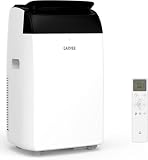
- 3-in-1 Portable Air Conditioner: Enjoy cool air (64°F- 90°F) during hot summer days, plus dehumidifier and fan modes for comfortable air circulation when temperatures are milder. Everything you need for year-round comfort in one AC unit
- Comfort Sleep Mode: Sleep mode and programmable 1-24 hour timer maintain your ideal room temperature automatically. Ultra-quiet operation below 50dB won't interrupt sleep, while two adjustable fan speeds let you customize airflow
- Quick Window Installation: Comes ready to install with exhaust hose and adjustable window kit that fits widths from 20.48 to 39 inches. No handyman skills required—set up completely in just minutes and start cooling immediately(for small windows, trimming may be necessary)
- No-hassle Maintenance: Advanced Self-evaporating operation effectively reduces the frequency of manual water draining. The washable filter captures dust effectively and slides out easily for quick cleaning whenever needed—keeping air fresher longer
- Room-to-Room Versatility: Lightweight with smooth-rolling casters, this compact AC moves effortlessly wherever cooling is needed. Perfect for bedrooms, living rooms, garages—any space up to 750 square feet
Fast, safe troubleshooting sequence
1. Check the thermostat
- Set the mode to Cool, not Heat, Off, Fan Only, or Emergency Heat.
- Set the target temperature several degrees below the current room temperature.
- Set the fan to Auto for diagnosis. On can keep blowing air after the compressor stops.
- Check schedules, geofencing, energy-saving modes, holds, alerts, and remote sensors on a smart thermostat.
- Replace batteries if the display is blank or behaving erratically.
A thermostat can also misread the room because of poor placement, a failed sensor, loose wiring, or incorrect heat-pump configuration. Carrier lists incorrect thermostat settings and Fan Only operation among common causes of warm air (Carrier’s troubleshooting guidance).
After changing the setting, allow the equipment’s normal startup delay to finish. Do not repeatedly change the setpoint or turn the system on and off.
2. Inspect the filter and airflow
Turn the system off before removing the filter. It may be behind a return grille, inside the furnace or air handler, or in a filter cabinet.
- Replace a visibly dirty filter with the exact size and a compatible type.
- Point the filter’s airflow arrow toward the furnace or air handler.
- Open supply registers and clear furniture, rugs, and curtains from return grilles.
- Look for visibly crushed or disconnected ductwork where it is accessible.
Restricted airflow can reduce cooling, increase energy use, and freeze the indoor evaporator coil. ENERGY STAR recommends inspecting, cleaning, or changing central-AC filters about monthly, although the correct interval depends on the filter, pets, occupants, construction dust, allergies, and system design. A higher MERV number is not automatically better if the equipment cannot move air through it; follow the manufacturer’s requirements (ENERGY STAR maintenance checklist).
3. See whether the outdoor unit is running
In a central split system, cooling normally requires both the indoor blower and the outdoor condenser fan and compressor.
- Indoor blower runs, outdoor unit is silent: Check the thermostat, then confirm the HVAC breaker is not tripped and the outdoor service disconnect has not been switched off. Do not remove any panel.
- Outdoor fan runs but the home does not cool: The compressor, refrigerant circuit, metering device, airflow, or condenser coil may be at fault.
- The outdoor unit hums but its fan does not turn: Turn the system off and call a technician. A failed capacitor or motor may be involved.
- The breaker trips again: Leave the system off. Repeated trips can indicate a short, damaged wiring, a failed capacitor, or a compressor fault.
- The outdoor unit runs continuously: Check the filter and look for ice, but recognize that low refrigerant, a dirty coil, duct losses, poor insulation, system sizing, or excessive heat gain may require professional diagnosis.
It is reasonable to check a breaker or visible disconnect once. Never touch capacitors, contactors, wiring, terminals, or electrical controls.
4. Look for ice on the indoor coil or refrigerant lines
Ice on the indoor coil, coil cabinet, or copper refrigerant line is a warning sign. Other clues include weak airflow, water appearing after the ice melts, long runtimes, or a system that starts cool and later blows warm air.
Possible causes include a dirty filter, blocked return or supply airflow, a dirty evaporator coil, blower trouble, low refrigerant, an incorrect charge, or a faulty metering device. A frozen coil does not prove that refrigerant is low.
Rank #2

- Fast, Effective Cooling for Rooms Up to 750 Sq. Ft: This 14,000 BTU portable air conditioner provides rapid spot cooling for spaces like bedrooms, home offices, or apartments up to 750 sq. ft. It helps quickly dissipate indoor heat, keeping you comfortable even on the hottest summer days.
- 3-in-1 Versatility: AC, Fan & Dehumidifier: More than just a cooler, this unit also functions as a dehumidifier and a circulating fan. It reduces excess indoor humidity and improves air circulation, delivering year-round comfort across different seasons and weather conditions.
- User-Friendly Controls & Eco-Conscious Design: The clear LED control panel makes operation easy, with a programmable 24-hour timer and Sleep Mode for convenient, quiet nighttime use. Designed with eco-friendly refrigerant, this energy-efficient AC helps cool your space while minimizing energy consumption.
- Easy to Move with Rolling Casters & Side Handles: Compact and sleek, this unit features smooth-rolling wheels and ergonomic side handles, so you can effortlessly move it from room to room — wherever cooling is needed most.
- Quick No-Drill Window Installation: The package includes a remote control and a complete window installation kit with an adjustable exhaust hose and window panels. Fits most double-hung or sliding windows, requires no drilling, and can be set up in minutes — ideal for renters or temporary cooling needs.
- Turn the cooling function off.
- If the blower is operating and water cannot reach electrical components, you may set the fan to On to help thaw the coil. Otherwise leave the system off.
- Do not chip, scrape, or pry off the ice.
- Protect flooring from meltwater without blocking drains.
- Replace a dirty filter.
- Wait for the coil to thaw completely. If icing returns, arrange service.
Continuing to run an iced system can damage the equipment and create a condensate overflow.
5. Check for water and a condensate-drain problem
Air conditioning removes moisture from indoor air. That water normally leaves through a primary condensate drain. A secondary pan or drain provides overflow protection, and a float switch may shut the system down when water rises.
A clogged drain can cause leaks, high humidity, intermittent cooling, and damage to ceilings, floors, or the air handler. If water is approaching electrical equipment or causing property damage, turn the system off and arrange service.
Recommended Free Tools
You may inspect a visible drain outlet or follow the manufacturer’s instructions for a wet/dry vacuum or drain treatment. Do not assume bleach or another chemical is appropriate for every drain, material, or installation.
Common causes that require a technician
Refrigerant leak or incorrect charge
Refrigerant is not consumed during normal operation. A low charge generally points to a leak, an installation error, or a previous service problem. Possible signs include recurring ice, gradually worsening cooling, long runtimes, hissing or bubbling, and oil residue near fittings or coil connections.
“Add refrigerant” is not a complete diagnosis. Ask whether the technician measured the charge, investigated for a leak, and explained the repair options. The refrigerant type is usually listed on the equipment nameplate, and different refrigerants must not be mixed.
Under EPA Section 608 rules, work that could compromise the refrigeration circuit—including adding or removing refrigerant and attaching gauges or hoses—requires appropriately certified personnel. Homeowners should not recharge the system themselves (EPA homeowner FAQ).
Windows Errors? Fix Them Before They Spread
Repair common Windows errors and clear accumulated junk for a smoother, more stable PC - no reinstall needed.Free scan · no reinstallOutdated Drivers Are Slowing You Down
One free scan finds every outdated or missing driver and matches the right update for your exact hardware.Free scan · exact hardware matchElectrical or compressor failure
A failed contactor, capacitor, motor, fuse, control board, damaged wiring, or compressor can stop the outdoor refrigeration equipment while leaving the indoor blower running. These components can remain dangerous even after power is switched off.
Rank #3

- Three-in-One Unit: Our 14,000 BTU ASHRAE (10,200 BTU SACC) air conditioner also functions as a dehumidifier & fan. This portable air conditioner has a full function remote control & top mounted control panel with LED display
- Portable AC: Take this personal air conditioner (16.5” x 14.06” x 27.09) in rooms up to 700 sq. ft. Stay cool in the hot summer months and sleep well with this BLACK+DECKER ac unit for bedroom
- Smart AC with Voice Control: This smart air conditioner allows Wi-Fi connectivity and can be controlled using our mobile app available on iOS and Google Play stores, and voice controlled by Amazon Alexa or Google Assistant
- Follow Me Remote: Our portable AC unit comes with a full function remote control that features a FOLLOW ME function, which allows the remote to act as a thermostat for precise temperature control
- Installation Kit: When it comes to fans that blow cold air, this indoor ac unit includes an easy-to-install window kit. A large, vented airflow outlet ushers in cool air
Shut the system down immediately for smoke, sparks, arcing, a burning odor, melted insulation, severe vibration, grinding, or repeated breaker trips. Do not open the outdoor disconnect or equipment panels.
Dirty or obstructed condenser coil
The outdoor coil releases indoor heat outside. Dirt, leaves, grass, cottonwood, or overgrown vegetation can reduce cooling capacity and lengthen runtimes.
With the system off, clear loose debris and vegetation around the unit according to the manufacturer’s clearance instructions. Do not bend the fins, spray electrical controls, or use aggressive pressure washing. Heavily fouled coils should be professionally cleaned. ENERGY STAR identifies dirty evaporator and condenser coils, refrigerant problems, drains, filters, and blower components as factors that affect cooling performance (ENERGY STAR).
When the AC is not the real problem: ducts and distribution
If the air leaving the equipment is cold but one room or section of the house remains hot, replacing the compressor or entire AC may not solve the problem. Ask for a duct and airflow evaluation.
- Disconnected, crushed, or leaking supply ducts
- Leaking return ducts drawing hot attic or crawlspace air indoors
- Poorly insulated ducts in an attic, crawlspace, or garage
- Closed dampers or incorrect zoning
- Unbalanced airflow
- Open pathways or registers near heat sources
- Insufficient insulation, solar gain, open windows, or air leakage
One persistently hot room is often a distribution or building-envelope issue rather than proof that the AC itself has failed.
Independent reader supportYour contribution helps us test, update, and keep practical guides available for everyone.Equipment-specific checks
Central air conditioner
Use the sequence above: thermostat, filter, airflow, outdoor operation, ice, water, and then professional service. The indoor fan running does not prove that the compressor is cooling.
Heat pump
A heat pump can blow warm air in summer when it is set to Heat, configured incorrectly, operating with auxiliary or emergency heat, or experiencing a reversing-valve or control problem. A brief defrost cycle is normal in heating mode, but Emergency Heat is not cooling mode. Confirm the thermostat setting and call a heat-pump technician if warm air continues in Cool mode or the outdoor unit is iced over.
Window air conditioner
Confirm Cool mode, a clean filter, unobstructed outdoor-facing coils, and proper installation. Check that the side curtains and window seal are not admitting hot outdoor air and that the unit is installed according to its instructions. Fan mode runs the blower without compressor cooling.
Rank #4
- Three-in-One Unit: Our 12,000 BTU (8,350 BTU SACC) air conditioner also functions as a dehumidifier & fan. This portable air conditioner has a full function remote control & top mounted control panel with LED display
- Portable AC: Take this personal air conditioner (16.5” x 14.06” x 27.09) in rooms up to 550 sq. ft. Stay cool in the hot summer months and sleep well with this BLACK+DECKER ac unit for bedroom
- Smart AC with Voice Control: This smart air conditioner allows Wi-Fi connectivity and can be controlled using our mobile app available on iOS and Google Play stores, and voice controlled by Amazon Alexa or Google Assistant
- Follow Me Remote: Our portable AC unit comes with a full function remote control that features a FOLLOW ME function, which allows the remote to act as a thermostat for precise temperature control
- Installation Kit: When it comes to fans that blow cold air, this indoor ac unit includes an easy-to-install window kit. A large, vented airflow outlet ushers in cool air
For room AC purchases, correct sizing matters. An oversized unit may cycle too quickly and remove less humidity; the U.S. Department of Energy discusses sizing and efficiency considerations for room air conditioners (DOE guidance).
Portable air conditioner
Check that the exhaust hose is connected, sealed, and not kinked; the window adapter is installed; the filter is clean; and the condensate tank is not full. Confirm the unit is not in Fan or Dehumidify mode. Poor exhaust installation can return heat to the room or create negative pressure that pulls hot outdoor air inside.
Mini-split
Confirm Cool mode and the setpoint, replace remote batteries if needed, clean the indoor filter, check for error codes, and observe whether the outdoor unit has power and operates. Do not disconnect or cut pre-charged refrigerant lines. Refrigeration-circuit work belongs to an appropriately certified technician.
Quick wins for a faster PC:
Fix the driver behind crashes, sound loss and screen glitchesFind Drivers →Repair Windows errors before they cause bigger problemsFix Now →Scan for outdated or missing drivers - takes under a minuteDriver Scan →When to turn the system off immediately
- Burning smell, smoke, sparks, or visible arcing
- Repeated breaker trips
- Loud grinding, screeching, or severe vibration
- Water near electrical components
- Severe icing with substantial runoff
- Suspected refrigerant release in an enclosed area
- Carbon-monoxide or combustion concerns involving a furnace or packaged unit
What to ask the HVAC technician
Request a written diagnosis rather than accepting a refrigerant charge or replacement recommendation without explanation. Ask:
- What is the actual fault?
- Is the coil frozen because of airflow, refrigerant, or another cause?
- Is the refrigerant charge correct, and was a leak located?
- What supply and return temperatures were measured under the test conditions?
- Is the compressor receiving appropriate voltage and current?
- Are the capacitor, contactor, blower, controls, and condensate system operating correctly?
- What parts and labor are covered by warranty?
- What repair is needed now, and what components are showing wear?
- What service life and reliability should reasonably be expected after repair?
Repair or replace?
Age alone should not decide the outcome. Repair is generally more defensible when the system is relatively young, the failure is limited to a component such as a thermostat, capacitor, contactor, or drain, major components are sound, and parts or warranty coverage are available.
Replacement deserves consideration when an older system has recurring failures, a major compressor or coil has failed, a significant leak is difficult to repair, refrigerant is expensive or difficult to source, comfort and efficiency remain poor, or the likely repair costs are approaching replacement costs. Existing R-22 equipment is not automatically required to be replaced: EPA says the production and import phaseout does not prohibit continued operation or servicing with available recovered, reclaimed, or previously produced refrigerant. Alternative refrigerants are not simple drop-in replacements (EPA repair and purchasing guidance).
For a replacement quote, obtain the equipment size, efficiency rating, refrigerant, warranty, permits, disposal charges, installation scope, and total installed price in writing. Ask whether the contractor performed a load calculation rather than simply matching the old unit’s size. A larger AC is not automatically better; oversizing can increase cost, energy use, and cycling while reducing humidity removal.
Free tools Windows power users keep installed
One-click scans. No signup required.
Replacement prices vary substantially by location, system size, access, ductwork, electrical work, permits, equipment, and labor. One manufacturer’s current guide lists roughly $6,568–$13,669 for selected Trane air-conditioner replacement systems, but those figures are estimates, not a quote for your home (Trane pricing guide). National service networks and manufacturer dealers can be useful starting points, but compare itemized proposals, warranty terms, licensing, and local reviews. Financing is credit-based and is not the same as a discount.
ENERGY STAR labeling also needs careful qualification: the ENERGY STAR central-air-conditioner specification sunset on February 1, 2026, while room air conditioners remain covered under a separate specification (central-air program update; room-air specification).
Bottom line
Start with the thermostat, filter, airflow, outdoor operation, ice, and water. Those checks can identify a setting, power, or maintenance problem without opening the equipment. If the outdoor unit remains silent, ice returns, water is overflowing, the breaker trips, or the system needs refrigerant or electrical work, turn it off and use a qualified HVAC professional. A clear diagnosis should come before a recharge or a replacement recommendation.
Quick Recap
Product prices and availability are accurate as of the date/time indicated and are subject to change. Any price and availability information displayed on Amazon at the time of purchase will apply.
What’s actually slowing this PC down?
Pick the symptom - the matching free tool is one click away.

