Before buying a horse property, confirm that the parcel legally allows your intended use, can reliably supply suitable water, and has land and facilities that work for your horses and management plan. Inspect the whole operation—not just the barn and arena—and verify the property’s records and constraints with local authorities and qualified professionals. Rules and technical requirements vary by location, so a listing that calls a place “horse property” is not proof that your plans are permitted or that its facilities are sound.
Start with the use you actually plan to make of the property
Write down whether you intend to keep horses privately, train or breed them, board horses for payment, offer lessons, host events, or combine uses. Estimate the number of horses you expect to keep, how much time they will spend stabled versus turned out, and what you will need for trailers, visitors, staff, hay and equipment storage, and arena use. These choices affect the land, water, access, facility, and legal questions you need to resolve.
As an Amazon Associate I earn from qualifying purchases.
Private horse keeping and a business involving boarding, lessons, or public activity may be treated differently by planning authorities and may bring additional approvals or operating obligations. Ask about the exact activity you propose rather than relying on a general answer about whether horses are allowed.
Do these 3 things before closing this tab:
1Clear out junk files and repair common Windows errors2Scan for outdated or missing drivers - takes under a minute3Repair Windows errors before they cause bigger problemsConfirm zoning and permissions before you commit
Contact the city, county, council, or other planning authority that governs the parcel. Ask for written confirmation of the zoning and whether your specific proposed use is permitted, conditional, or prohibited. As University of Minnesota Extension puts it in its shoreland-property guidance: “Before you buy property, check local zoning ordinances at city hall or the county planning and zoning office.” That is a useful due-diligence principle, not a statement of law for every location.
#1 Best Overall

- Various ways to tie horse tack :Horse Tie ring can be used in single Ties, cross Tie, Groom & Tack areas, wash racks, picket lines, walls and trees. You can use blocker tie ring for horses anywhere when you need. stall guards for horses are very easy to stop pulling and not freak out so bad. horse trailer ties allows them to back up without feeling trapped
- Safety tie for horses:horse tack will release horse pressure and source of pain or panic. horse trailer ties reduce the threat of pain or injury to you and your horse. For training inexperienced horses, horse supplies considered an ideal tool. You can use mounting block horse without any knot. mounting block horse doesn't get so panic struck
- Reusable and high-quality material use :you can use horse trailer again and again according to your necessity. rope halters for horse is made from stainless steel. The magnetic attraction and stays on the horse tie ring tongue will make way to tie your horse more flexible and safer. horse trailer ties hold up well out in the weather. While they do rust.the stainless steel version prevents rain and humidity easily rusts cheaper types of metal
- The great tie blocker ring of horse trailer ; great horse supplies for horse trainers. Our horse halter works pretty well. We take pride in our horse tie rings and we back this up with lifetime service. We have confidence that this horse tie ring will good fit on you needs.
- Harmless human way to mounting block horse :gear tie is designed to be support system instead of a restraint system. ring set will release horse pressure. horse tack and horse supplies for real horses will stop pulling,horse mounting black reduces threat of pain or injury to you and your horse halter. You can use horse training equipment without fear good for horses stall supplies that have a pulling & tie downs for horses problem.
Check what approvals apply to existing and proposed stables, arenas, fencing, driveways, wells, septic systems, land clearing, and work near wetlands or watercourses. Confirm whether existing structures and uses were approved, and ask about outstanding permit conditions, setbacks, easements, covenants, and HOA or deed restrictions that could limit improvements or operations. In the UK, Defra identifies local planning authorities as the bodies handling planning applications for livery stables; requirements elsewhere must be checked with the relevant local authority.
Inspect the stable and support buildings as working facilities
Make an inventory of the buildings and infrastructure rather than judging a property by its stall fronts. Record stable type and stall count, dimensions and construction, doors and latches, floors, roof, drainage, ventilation, electrical systems, and lighting. Note wash or treatment areas and the condition and location of tack, feed, hay, bedding, and equipment storage.
Rank #2

- These salt blocks are 100% natural and were mined in the Himalayan Mountains
- This rose colored rock salt is renowned for its high mineral content of iron, potassium and magnesium which are vital for equine health
- The high density of these pure Himalayan salt licks resist breakage and biting and last longer in weather elements
- The purest form of salt available and is safe to be left out for horses to access as desired. Rope (included) can be adjusted to the right height for your horse
- Salt blocks help reduce boredom while giving your horse a nourishing electrolyte replenishment
Also inspect manure handling, fencing, gates, water delivery to stalls and paddocks, and the layout for safe daily management. Consider whether fire services, veterinarians, farriers, hay deliveries, and maintenance vehicles can reach and maneuver around the buildings. The UK Valuation Office Agency’s inspection guidance is a useful property-inventory reference, covering items such as stable type and count, ancillary storage, land and turnout, services, water source, and access. It is not a veterinary or building code. Have a qualified building or equine-facility professional assess structural condition and safety.
Recommended Free Tools
Assess the arena as a complete system
Record whether the arena is indoor or outdoor, its dimensions, surface material and documented depth, base and drainage details, lighting, water access for dust control, fencing, and access for maintenance equipment. Ask for installation, repair, and maintenance records, and, where practical, view the surface after rain as well as in dry conditions. A surface that looks acceptable on a dry day does not establish that its base or drainage performs well.
Rank #3
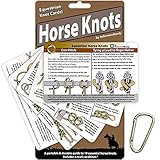
- EASY TO FOLLOW: Rugged knot reference guide for horse riding scenarios with step-by-step knot tying diagrams designed to be easy to follow, including descriptions and usage tips
- MINI CARABINER: Includes mini carabiner for clipping this pocket-sized equine knot book to your tack bag, or keeping it handy at camp
- PORTABLE: A packable alternative to paper horse books or phone apps that covers the essential horse riding, horse packing, and horse camping knots
- HOLDS UP IN DUSTY AND WET CONDITIONS: Portable, durable, completely waterproof card format is perfect for use in dirty and muddy environments
- STRONG: Printed on super thick premium plastic card stock for unmatched durability -- horse things that are designed to last
The UK Valuation Office Agency notes that arena surfaces vary, including fibre-and-sand and rubber mixtures, and identifies drainage, surface type, lighting, and spectator areas as inspection details. Have an experienced arena contractor or equine-facility professional evaluate footing and drainage for your intended use. No broadly applicable minimum arena size or technical standard is established here; confirm what suits your operation and what local rules require.
Verify water supply, quality, and rights separately
Ask for available well completion or log records, permits, recent yield or flow information, pump and storage details, and maintenance history. Establish which sources serve the house, horses, arena watering, or irrigation, and whether the supply is expected to remain reliable during dry periods. Have water tested for contaminants relevant to the region and intended uses; University of Minnesota Extension identifies harmful bacteria and nitrates as examples to evaluate in existing well water and recommends consulting a well driller about drinking-water options. Follow local health-authority or accredited-laboratory guidance. A consumer test kit may provide preliminary screening, but it does not establish long-term supply, legal entitlement, or comprehensive potability.
Rank #4

- Stable Construction:The portable saddle rack is made of high-grade steel that is lightweight and durable and can hold up to 100 pounds. The impact-absorbing matte black coating keeps dirt and scratches out of your horse's stall and ensures years of freedom from staining, while blending in perfectly with any horse stall or home decor.
- Collapsible & Space-Saving Design:The saddle rack stand folds flat to 7 inches thick in seconds - store it vertically, under a bed or in a trailer when idle. Its non-slip arm shape grips the Western/English saddle securely, keeping it from slipping and the saddle from warping during long-term storage.
- Multi-Functional Organizer:More than a horse saddle stand, Dry damp blankets with airflow-friendly design, display prized tack as decor, or store horse cleaning supplies in the bottom storage rack. Perfect for barns, trailers, garages, or even equestrian-themed living spaces.
- Easy Installation:This complete folding saddle racks package includes all the necessary hardware and clear, step-by-step installation instructions. Designed for hassle-free assembly, the rack can be easily installed using the provided screws and tools. Its versatile design accommodates most saddle sizes securely.
- High-quality Saddle Rack: Designed for riders who value both space efficiency and functionality, this premium horse saddles adapts to your needs. Perfect for organizing tack rooms, maximizing stable space, or keeping trailers tidy, it offers versatile storage that keeps all your gear accessible—at home or on the road.
Review water-right documentation and ask the relevant authority or a qualified local professional what rights or restrictions apply and whether they convey with the property. Texas A&M AgriLife Extension cautions buyers not to assume groundwater or surface-water rights automatically transfer; NSW Government guidance also advises checking water availability and quality against planned activities. Clarify whether the available supply and rights cover domestic use, horse drinking water, arena watering, irrigation, or commercial activity. The applicable rules depend on the parcel’s jurisdiction.
Check land, access, utilities, and septic feasibility
Review a current survey and verify legal boundaries, road access, rights of way, easements, gates, and trailer turnarounds. Consider whether emergency, veterinary, hay-delivery, and other service vehicles can reach the property in the conditions you expect. Assess utilities, the cost of extending service, topography, soil, drainage, erosion, flood or fire exposure, wetlands, and pasture condition.
Best Value

- Easy To Install: Wall mounted,easy to install.
- Material: Plastic. Durable for use.
- Keep Tidy: Whip and crop holder. Great for keeping your whips and crops organized.
- Capacity:Holds up to 12 whips or crops.
- Function: Keeps your tack room tidy and your whips and crops always within reach.
Confirm septic feasibility and capacity with the local authority or an appropriately qualified installer before assuming a preferred location for a house, barn, or driveway will work. University of Minnesota Extension recommends discussing well and septic options early and assessing septic sites before locating buildings or driveways. NSW Government and Texas A&M AgriLife Extension also identify land characteristics, services, water, and legal access as due-diligence considerations.
Do not rely on a universal acres-per-horse rule. Suitable acreage depends on local soil, rainfall or irrigation, pasture productivity, topography, management and feed plans, land-use rules, and other site constraints. Ask a local extension office, conservation district, or qualified land manager to assess carrying capacity for this property and your intended management.
Review title, property history, and the full cost of ownership
Have a qualified conveyancer or attorney review the survey, title, deed restrictions, easements, leases, liens, rights of way, and applicable water or mineral rights. Request permits and records for buildings and infrastructure, along with available well and septic records. Investigate the property’s use and maintenance history, surrounding uses, and any known contamination or deferred maintenance concerns.
Free tools Windows power users keep installed
One-click scans. No signup required.
Estimate repair and upgrade costs for fences, water systems, gates, roads, arena base and drainage, buildings, septic, and utilities. Include the cost of inspections and legal work, as well as insurance, taxes, and ongoing upkeep. Texas A&M AgriLife Extension identifies costs such as surveys and title work, fencing, water infrastructure, access improvements, taxes, and insurance as items to plan for. Unclear access, missing surveys, disputed rights, easements, or deferred infrastructure warrant further investigation before you treat the property as ready to use. NSW Government guidance likewise recommends investigating property history, structures, fences, services, surrounding uses, and local council constraints.
Compare properties against the same decision points
- Allowed use: Are your intended private and commercial activities permitted, and are relevant approvals and restrictions documented?
- Water: What supply, quality information, reliability records, and transferable rights are established, and what remains uncertain?
- Land and turnout: Do pasture, drainage, topography, access, and assessed carrying capacity fit your horse count and management plan?
- Stable and support facilities: What is their condition, safety, layout, storage capacity, and serviceability?
- Arena: Is the surface and drainage suitable for your intended use, and what maintenance or repair is likely?
- Infrastructure and cost: Are access, utilities, and septic feasible, and what verified repair, operating, and compliance costs remain?
Keep unresolved legal, water, and condition questions visible as purchase contingencies. Document the inspections, tests, records, and permissions you need, and agree on an appropriate process with your conveyancer or attorney before proceeding.
Quick Recap
Product prices and availability are accurate as of the date/time indicated and are subject to change. Any price and availability information displayed on Amazon at the time of purchase will apply.




