A useful home energy audit is a whole-home investigation, not just a quick bill comparison or a visual walk-through. The assessor should listen to your comfort concerns, review energy-use evidence, inspect the building envelope and mechanical systems, perform appropriate diagnostic and safety tests, then give you a written, prioritized plan. Before booking, ask exactly what will be inspected, which measurements are included, and how the findings will be reported.
What a professional home energy audit should include
U.S. Department of Energy and ENERGY STAR guidance describes an assessment as a process that connects the way your household uses the home with observed conditions and measured performance. The visit should cover the following elements rather than treating one symptom in isolation.
As an Amazon Associate I earn from qualifying purchases.
1. An interview about comfort and how the home is used
The assessor should ask about rooms that are too hot or cold, drafts, condensation, dampness, odors, high bills and equipment problems. They should also discuss occupancy, schedules and changes in how the home is used. These details help distinguish, for example, a duct problem from an insulation problem or a ventilation issue from ordinary humidity.
2. Review of energy-use evidence
Bring recent electric, gas, oil or delivered-fuel bills. A history of approximately 12 months is especially useful because it shows seasonal patterns. The assessor can use the information to identify unusual consumption and to compare modeled improvements with your actual use. Bills alone cannot reveal where heat or conditioned air is being lost, so they are evidence for the investigation rather than a diagnosis.
#1 Best Overall

- 13 ft. Of reach*: allows for easy measurements when working alone (*based on maximum extension of average professional user)
- Compact size: easy to grip and store in any tool belt
- Easy grip design: extensive rubber overmold provides a comfortable grip and impact resistance
- Easy read fractions: fractions printed on the blade in alternating colors and heights for quick, easy measurements
- Includes: (1) CMHT37443S Tape Measure
3. A whole-home inspection
The walkthrough should include the exterior, attic or roof areas that can be accessed safely, walls and windows, doors, foundations or crawlspaces, insulation, air-sealing details, heating and cooling equipment, water heating, ducts, exhaust fans and other relevant systems. Ask whether detached spaces, additions and rooms above garages are included. A provider who examines only the furnace or only the attic is not offering the same scope as a whole-home assessment.
4. Safety and diagnostic testing
Testing varies with the home. It may include air-leakage measurement, duct-leakage testing, combustion or fuel-safety checks, ventilation checks and infrared scanning. The assessor should explain which tests are appropriate, what is included in the quoted scope and what a result means for your home. Safety concerns should be identified before efficiency work is recommended.
5. A written, prioritized plan
DOE’s consumer guide says, “Once the assessment is completed, the energy assessor should provide you with a report of the findings and ideas for improvements.” A useful report ties each recommendation to an observed condition or measurement, identifies health and safety implications, explains which work should come first and gives expected energy or cost effects when they can be supported. It should help you choose projects, not present an unexplained shopping list.
Recommended Free Tools
Diagnostic tests worth asking about
Calibrated blower-door testing
A blower door is a temporary fan mounted in an exterior doorway. It depressurizes the house, drawing outside air through cracks and openings. A calibrated system, used with a manometer, measures airflow and produces a quantitative airtightness result. That number can be used to evaluate the severity of leakage and to check progress after air sealing.
Rank #2

- 20% more compact grip**: For improved ergonomics and control
- Integrated finger brake: For improved blade control
- Fractional blade graphics for quick and easy measuring
- Durable blade coating for longer blade life
An uncalibrated fan or demonstration can still help reveal the location of drafts, but it does not establish a reliable airflow quantity. Ask whether the equipment is calibrated and whether the report will state the measured result and test conditions. Do not treat an uncalibrated demonstration as equivalent to a measured blower-door test.
Infrared thermography
Infrared cameras show surface-temperature differences on walls, roofs, windows and doors. Patterns may indicate missing insulation, thermal bridges or air movement. Images are most useful when the assessor explains the conditions under which they were taken and connects them to other evidence. A blower-door test can make leakage paths easier to see during scanning. A colorful image by itself is not proof that a particular repair will save a specified amount.
Duct, combustion and ventilation checks
Homes with forced-air systems may need duct-leakage testing or inspection of disconnected, crushed or poorly insulated ducts. Fuel-burning appliances may require combustion and spillage checks, especially when air sealing could change the pressure relationships in the house. Ventilation testing can identify inadequate exhaust or unintended pressure problems. Ask which of these checks apply to your equipment and whether any safety issue must be corrected before efficiency improvements.
Windows Errors? Fix Them Before They Spread
Repair common Windows errors and clear accumulated junk for a smoother, more stable PC - no reinstall needed.Free scan · no reinstallOutdated Drivers Are Slowing You Down
One free scan finds every outdated or missing driver and matches the right update for your exact hardware.Free scan · exact hardware matchHow to judge the audit report
Before the visit, ask to see a sample contents list or have the provider describe the deliverable. A decision-ready report normally contains:
Rank #3

- 16-foot retractable measuring tape for personal or professional use
- Provides both SAE and metric measurements
- Wide 3/4-inch blade with easy readability
- Convenient belt clip and lanyard for easy access
- Molded, impact-resistant case with easy grip-ability
- Your stated comfort, moisture and air-quality concerns.
- Utility-bill observations and relevant occupancy information.
- Areas inspected and systems that were outside the scope.
- Blower-door results, if performed, including whether the equipment was calibrated.
- Photographs or infrared images with an explanation of what they demonstrate.
- Safety findings, limitations and items requiring specialist repair.
- Recommendations ordered by priority, with the reason for each one.
- Expected savings or cost ranges only where the assessor can support them, plus assumptions.
- A recommended work scope that separates immediate safety work from optional upgrades.
DOE weatherization guidance describes a report process that includes bill analysis, blower-door testing, inspection of equipment and home areas, identification of potential improvements and safety concerns, and a recommended scope of work. That sequence is a useful benchmark even when you are hiring privately.
Questions to ask before hiring an assessor
- What parts of the house and which mechanical systems are included? Confirm treatment of attics, crawlspaces, basements, additions, garages, ducts and water heating.
- Will you review bills and interview us about uncomfortable or damp rooms? A provider should gather household evidence, not arrive with a one-size-fits-all checklist.
- If you measure air leakage, is the blower door calibrated? Ask for the measured airflow or airtightness result, not merely a statement that drafts were found.
- Which infrared, duct, combustion and ventilation tests are appropriate, and are they included? The right scope depends on construction, equipment and fuel type.
- What will the written report contain? Confirm that it will prioritize work, explain safety implications and identify expected savings only when supportable.
- How are your credentials verified locally? DOE suggests checking with your utility, state or local energy office, or ENERGY STAR provider resources for certified assessors.
- Do you also bid on the recommended work? That is not automatically a problem, but knowing the relationship helps you separate an assessment from a sales proposal and obtain independent quotes when appropriate.
How to prepare for the visit
- Collect roughly a year of utility and fuel bills, including delivered-fuel records if applicable.
- Write down rooms that are drafty, overheated, cold, humid or difficult to keep comfortable.
- Note condensation, mold-like odors, unusual equipment noise, short cycling and times when symptoms occur.
- Make attic, crawlspace and mechanical areas safely accessible; do not create unsafe ladder or electrical conditions.
- Tell the assessor about planned renovations, recent equipment replacement and any known moisture or indoor-air problem.
- Ask in advance whether appliances need to be operating, whether doors must remain closed and whether pets or occupants affect the testing procedure.
DIY checks: useful screening, limited diagnosis
Simple observations can help you decide what to ask about, but they do not replace professional testing.
Check attic insulation depth
With safe access, use a tape measure to record insulation depth at several representative points. Record the locations and any obvious gaps or compressed areas. Do not climb on unstable surfaces or enter an area that lacks safe flooring. Most importantly, do not disturb suspect vermiculite insulation: ENERGY STAR warns that it may contain asbestos. Stop and seek qualified guidance if that material is present.
Free tools Windows power users keep installed
One-click scans. No signup required.
Look for obvious drafts
A strip of paper around a closed window or door can show whether the weatherstrip is failing. In a darkened room, visible daylight around a closed assembly can reveal a gap. These checks find only obvious leakage and cannot quantify the total leakage of the home.
Rank #4

- QUICK & EASY MEASUREMENTS: Fractions printed on the blade
- ADDED GRIP: Rubber overmold for added grip
Use a bill-based comparison carefully
ENERGY STAR’s Home Energy Yardstick compares the last 12 months of energy use with similar homes while accounting for local weather, home size and occupancy. It is a screening comparison, not a diagnosis. ENERGY STAR states, “The Home Energy Yardstick is not meant to replace a home energy audit conducted by a professional.” A low or high score should prompt questions, not dictate a specific repair.
Assessment versus upgrade plan
An assessment identifies conditions, risks and possible options. You then decide which improvements fit your budget, schedule and renovation plans. Recommendations may include air sealing, insulation, duct repairs, ventilation changes, controls or replacement of heating and cooling equipment. Correct sequencing matters: sealing or insulating without addressing combustion safety, moisture or ventilation can create new problems. The report should explain dependencies instead of presenting every upgrade as equally urgent.
Independent reader supportYour contribution helps us test, update, and keep practical guides available for everyone.Costs, incentives and value
A DOE consumer guide published in 2021 gave an approximate U.S. audit cost of $250 to $600 or more. That is a historical range, not a current quote; local prices vary with home size, testing, travel, credentials and report detail. Compare the scope and measurements behind each quote rather than choosing solely by price. A short visual walkthrough is not necessarily comparable to an instrumented whole-home evaluation.
Do these 3 things before closing this tab:
1Repair Windows errors before they cause bigger problems2Scan for outdated or missing drivers - takes under a minute3Clear out junk files and repair common Windows errorsENERGY STAR’s tax-credit page described a credit of 30% of qualifying audit costs, up to $150, for products purchased and installed from January 1, 2023 through December 31, 2025. As of October 2026, that page does not establish eligibility for a new audit. Verify current IRS guidance and any state or utility program rules before relying on an incentive.
Best Value
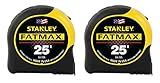
- 11-foot Standout; 16-inch and 19.2-Inch stud center markings simplify framing jobs
- Blade arm our coating on the first 3" maximizes durability of the blade
- Mylar polyester film extends life of entire blade
- Top-forward blade lock makes locking and unlocking easy
- High-impact ABS case with durable rubber-holds up to heavy use
Older DOE Energy Saver guidance estimated that U.S. homes and commercial buildings used 40% of U.S. energy and that $200 to $400 of an average American’s $2,000 annual energy spending could be wasted through drafts, leaks and outdated heating or cooling systems. Those estimates were published around 2015 and should not be treated as current measurements or as a promise of savings from your audit. An audit recommends actions; it cannot guarantee a bill reduction or payback period.
Finding help and comparing providers
Start with your electric or gas utility, state or local energy or weatherization office, or ENERGY STAR provider resources. The federal Weatherization Assistance Program uses professional audits and recommended scopes of work, but eligibility and provider availability are determined locally. Ask each provider for the same information: areas included, tests and calibration, safety checks, report format, credentials, price, follow-up and whether implementation work is separately priced.
The best choice is the assessor whose scope matches your questions and your house. A lower quote that excludes attic inspection, mechanical systems, safety testing or a written priority plan may leave you without the information needed to make a safe decision.
Frequently Asked Questions
Is a home energy assessment worth it?
It can be worthwhile when you need to understand uneven comfort, drafts, moisture, high bills or competing upgrade choices. Its value comes from home-specific inspection and testing; a bill score or DIY check cannot provide the same diagnosis.
How long should a home energy audit take?
The supplied guidance does not establish a universal visit length. Time depends on the home’s size, accessibility, systems and tests included, so ask the provider what the appointment and report scope cover.
Will an audit guarantee lower energy bills?
No. An audit produces findings and recommendations. Actual savings depend on which work is completed, workmanship, weather, household behavior, equipment operation and other conditions.
Quick Recap
Product prices and availability are accurate as of the date/time indicated and are subject to change. Any price and availability information displayed on Amazon at the time of purchase will apply.

