Do these 3 things before closing this tab:
1Repair Windows errors before they cause bigger problems2Fix the driver behind crashes, sound loss and screen glitches3Clear out junk files and repair common Windows errorsIf officials order an evacuation, leave immediately. Never walk, swim, or drive through floodwater, and do not enter standing water to reach electrical equipment. Prepare an evacuation plan before a warning, follow local instructions as conditions change, and return to a flooded home only after officials say it is safe.
This checklist is for U.S. residents preparing for a flood, responding to a warning, or returning after water recedes. Local emergency instructions take priority; call emergency services when needed. Utility shutoffs, building damage, and insurance terms depend on your circumstances and may require qualified local professionals.
As an Amazon Associate I earn from qualifying purchases.
Before water threatens your home
Preparation is most useful before a warning is active. Make decisions about routes, contacts, supplies, and household needs in advance so you are not trying to solve them while water is rising. Check your local emergency-management guidance for the risks and procedures that apply to your address.
Free tools Windows power users keep installed
One-click scans. No signup required.
Know how you will receive warnings and where you will go
- Learn your area’s flood risk, local warning systems, evacuation routes, and shelter options. Sign up for local alerts and monitor official weather and emergency updates.
- Choose where household members will meet or stay if separated, and decide how you will travel there. Identify more than one route if local authorities provide alternatives; never assume a familiar road will remain passable during a flood.
- Include the needs of children, older adults, people with disabilities, pets, and anyone who relies on medication or medical equipment. Plan how to transport essential medicines and supplies.
- Agree on a communication plan, including how household members will check in if phone service is disrupted. Practice the evacuation route and make sure everyone knows how to respond to an alert.
Think through the practical details before an emergency: who will collect each person, how pets will travel, and where you will regroup if household members are not together when an alert arrives. Keep the plan easy to find and make sure everyone who may need to act understands it. Revisit it when household needs, routes, or local guidance change.
#1 Best Overall

- Water Activated Flood Barriers, Rated #1 in Flood Control
- Grows to 3.5in high in minutes, just get them wet
- Long, flexible design creates all sorts of shapes
- Use to control, contain & divert flood water
- Ready to use, no sand or labor needed
Keep essentials ready to take
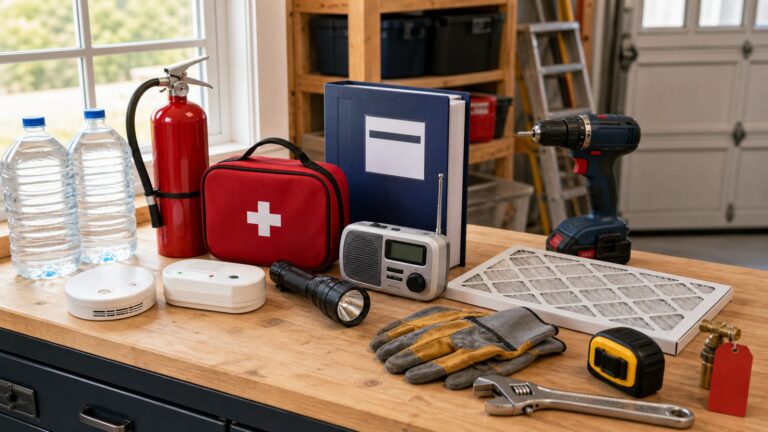
Prepare several days of essential supplies, along with a way to charge phones and other necessary devices. Keep important documents in a waterproof container and maintain secure digital copies. Pack for the people and pets in your household, and store the kit where it can be collected without crossing a flooded area or delaying departure.
Make a short departure list for items that matter most, but treat it as secondary to leaving promptly. If authorities issue an evacuation order, do not delay to retrieve belongings or complete preparations. Documents and supplies are useful only if they are ready to take safely; do not go back into a threatened home or through water to retrieve them.
Reduce avoidable damage before flood season
- Move valuables and important possessions to higher levels where practical.
- Clear gutters and drains so they are not obstructed by debris.
- Ask a qualified professional whether a backflow or check valve, a battery-backed sump pump, or elevation of vulnerable utilities is suitable for your building and local flood exposure. These are advance mitigation measures, not ways to manage active rising water.
- Consider flood insurance before a threat occurs. FEMA’s flood information sheet says standard insurance policies do not cover flooding and identifies National Flood Insurance Program coverage. Verify current eligibility, policy terms, and timing for your situation rather than assuming a policy will apply to an imminent event.
There is no single mitigation measure that fits every building. Consider the home’s flood exposure, whether a measure depends on power, whether it is appropriate for the building, and whether installation requires a licensed professional. A battery-backed sump pump and a check valve are options to discuss in advance, not substitutes for leaving when ordered. Similarly, utility elevation is a building decision to plan with a qualified professional, not an emergency task to attempt as water approaches.
The Tool Desk
Outbyte PC Repair FREEClear out junk files and repair common Windows errorsFree Scan →Outbyte Driver Updater FREEFix the driver behind crashes, sound loss and screen glitchesFind Drivers →When a flood warning is active or water is approaching
Keep monitoring official alerts and follow instructions from local responders. A warning can develop into an evacuation order; do not wait for water to reach the house before acting on instructions.
If you are ordered to evacuate
- Leave immediately using the route officials direct you to take. Take essential supplies and documents only if they are ready to go; do not stay behind to protect property.
- Do not walk, swim, or drive through floodwater, and never go around a barricade. Depth, current, and road damage can be difficult to judge. FEMA’s 2025 Be Prepared for a Flood information sheet warns that just a foot of moving water can sweep a vehicle, including an SUV, off the road.
- If there is time and it is safe, CDC guidance says to turn off gas, power, and water before evacuating. Do not enter standing water to reach a switch or shutoff. If a power switch can be reached only through water, leave it alone and contact an electrician.
Shutoffs are not worth a hazardous detour or a delayed evacuation. If the controls are not safely accessible, leave and tell the appropriate utility or a qualified professional about the issue from a safe location. Follow local responders’ directions about routes and destinations rather than relying on a route that is familiar but may be affected.
If you are not ordered to evacuate
Continue to monitor official updates and be ready to leave if conditions worsen or emergency personnel tell you to go. Keep your departure essentials accessible. Do not interpret the absence of an evacuation order as permission to cross water, ignore a barricade, or take unnecessary risks around utilities.
Use the time to stay informed and keep household members together or in contact according to your plan. Do not go outside to inspect rising water or attempt to move belongings through it. If an order comes, shift from monitoring to leaving promptly.
Quick wins for a faster PC:
Repair Windows errors before they cause bigger problemsFix Now →Fix the driver behind crashes, sound loss and screen glitchesFind Drivers →Rank #2

- RESIDUE-FREE & NO DAMAGE Removal: Unlike traditional duct tape or sealants, FloodTape peels off cleanly with NO Sticky Residue and NO Damage to your paint or surface. Just follow the Removal Instructions included. One roll of FloodTape covers 3 doors or 3 windows or 1 garage. Protect your home now, avoid insurance claim later. This water proof tape removes as easily as it installs.
- ALL-IN-ONE Flood Protection: FloodTape is the only waterproof tape for outdoor use that seals against floodwaters, ice melt, mud and dust straight out of the box. Our patented double-sided adhesive tape creates a watertight barrier for doors, windows, garages, RVs, boats and vents, blocking water intrusion for at least 10 days. No sand bags for flooding, no tools, no mess.
- DOUBLE-SIDED Water-Resistant Adhesion: Securely seals to WOOD, GLASS, METAL, PLASTIC, STUCCO, STONE, ASPHALT and CONCRETE. Stays in place even during heavy winds and standing water. Our 8 inch Extra-wide design covers hinges and larger gabs and leaves room for installation errors. This waterproof adhesive tape has been tested to IP68 standards for submersion protection.
- INSTANT FLOODING BARRIER for Home: Keep floodwaters out when it matters most. FloodTape installs in minutes with no special skills. Simply cut to size, press firmly by hand, overlap on corners and seal. Works on sliding doors, windows, garage doors, patio openings, RVs, vents and any opening where water, rain or mud threatens your property.
- WINTER Draft & MELTWATER PROTECTION: Blocks snow melt, ice melt runoff and cold air drafts around doors and windows. FloodTape is a multi-purpose sealing tape for homes, businesses, trailers, basements, garages and storage units. A must-have for disaster preparation including Hurricanes, High Tides, Raising Rivers, Nuclear fallout and other building intrusions. The best alternative for Sandbags, Flood Barriers, Water Dams, Duct Tape or Caulking.
If you are trapped
Move to higher ground or the highest level of the building that you can reach safely. Do not climb into a closed attic, where rising water could trap you. Go to a roof only if necessary, and signal for help. Do not enter floodwater to reach another part of the property or to retrieve supplies.
Before entering a flooded home
Reentry is a new safety decision, not an automatic next step once the water recedes. Wait until local officials say it is safe to return. Flood damage can affect utilities and leave sewage, mold, debris, or other hazards in a home even when standing water is gone.
Check for urgent hazards from outside
- If you smell gas or suspect a leak, leave immediately. Avoid turning lights on or doing anything that could create a spark, and notify the gas company or emergency authorities from a safe location.
- Do not enter if officials have not cleared the area or if the building appears unsafe. Follow local instructions about water service and whether drinking or household water is safe.
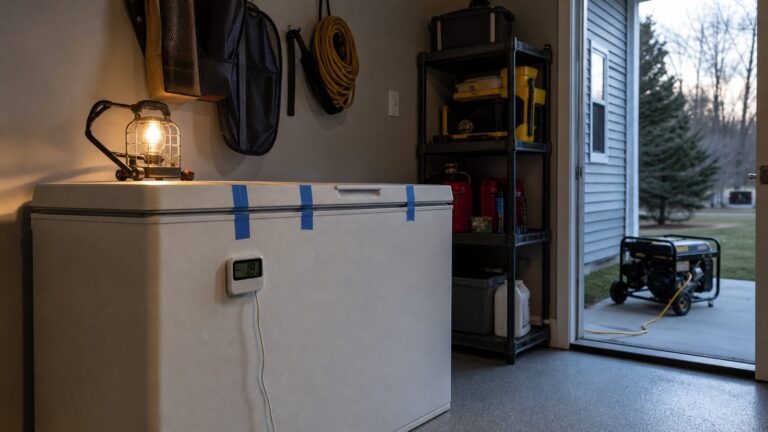
- If the home has been closed for several days, CDC advises briefly opening doors and windows to air it out before remaining inside. Use battery-powered flashlights or lanterns, not open flames.
Keep a battery-powered light available so you are not relying on the home’s electrical system while checking conditions. Ventilating a closed home does not make an unsafe building safe; follow officials’ instructions and leave if you encounter a gas odor or another immediate hazard.
Keep clear of electrical hazards
Never touch electrical equipment while standing in water. If there is standing water, shut off power only when the main switch is reachable from a dry location. CDC’s Safety Guidelines: Reentering Your Flooded Home, dated August 24, 2026, says: “If you must enter standing water to access the main power switch, then call an electrician to turn it off.”
Outdated Drivers Are Slowing You Down
One free scan finds every outdated or missing driver and matches the right update for your exact hardware.Free scan · exact hardware matchPC Slower Than It Used to Be?
A free scan shows the junk files, broken settings and background clutter dragging Windows down - then fixes them in one click.Free scan · Windows 10 & 11Do not restore power until a qualified electrician has checked the electrical system. This matters even if the home appears dry or the lights and appliances seem intact: flood exposure can leave electrical equipment unsafe. Do not use fans, dehumidifiers, pumps, or other electrically powered cleanup equipment until it is safe to energize the home.
Make the distinction between reaching a switch from a dry location and entering water to get to it. If it is the latter, do not proceed. Arrange for an electrician instead. The same caution applies to plugging in cleanup equipment: wait until the electrical system has been checked and its use is safe.
Document damage and clean up carefully
Once officials have cleared reentry and immediate hazards have been addressed, photograph property damage and contact your flood insurer. Follow local authorities’ instructions about drinking water and household water safety. Take care not to spread contamination through the home or expose household members unnecessarily.
Rank #3

- One Quick Dam Flood Gate that fits doorways and openings 30-in to 35-in wide and blocks flood water
- Flood Gates seal off doorways & stop flood water from entering. Can be used inside or outside to stop water in its path
- Expandable Sturdy Steel Frame is Easy to use, Install, Store & Transport
- This steel & neoprene frame expands to fit multiple size doorways & seals off the doorway in just minutes, with no alterations or fixations needed. Ideal for property managers, businesses, hotels & more.
- Keep on hand for emergency situations and be prepared for the worst! Flood Gate can be installed in minutes and can be used year after year.Provides Flood Water protection up to 26-in High.Adjustable & expands to fit multiple doorway sizes. For larger openings, stanchions join units together.Use for flood emergency, construction, water way projects, fire dept., businesses, property management, gov't & more.Entryway remains accessible while in use.Neoprene Sleeve Creates Water Tight Seal
Keep documentation organized as you proceed and follow your insurer’s directions for a claim. Do not let documentation or cleanup distract from an unresolved safety issue; first follow official instructions and address immediate hazards.
Protect people during cleanup
Assume floodwater and affected areas may be contaminated with sewage, mold, debris, or other hazards. Wear protective clothing and follow hygiene precautions. CDC advises that children should not take part in disaster cleanup. People with asthma or weakened immune systems should not enter buildings with visible or smelled mold.
For mold cleanup, CDC guidance calls for at least an N95 respirator, goggles, and protective gloves; its cleanup supply list also includes waterproof rubber boots. Protective equipment does not make entering floodwater safe, and it does not substitute for resolving electrical, structural, or gas hazards before cleanup. If conditions are beyond what you can safely handle, follow local guidance and seek appropriate professional help.
Dry the home and decide what can be kept
Dry the home as soon as it is safe to do so. CDC says items wet with floodwater that cannot be completely cleaned and dried within 24 to 48 hours should be taken outside. That timing is a cleanup threshold from CDC guidance, not a reason to handle contaminated items before conditions are safe. Discard materials that cannot be cleaned and dried.
Use fans, dehumidifiers, and pumps only after electrical use has been cleared as safe. Do not bring gasoline-powered equipment inside or operate it near openings. CDC specifies that generators and other gasoline-powered equipment must be used outdoors and at least 20 feet from doors, windows, or vents to avoid carbon monoxide poisoning. This applies to equipment such as pumps and pressure washers as well as generators.
Recommended Free Tools
Keep these equipment rules distinct: battery-powered lights are useful for initial checks; electrically powered drying equipment must wait until the home can be safely energized; and gasoline-powered equipment stays outdoors, at least 20 feet from building openings. Do not treat a powered pump as an option for dealing with active rising water inside or around the home.
Independent reader supportYour contribution helps us test, update, and keep practical guides available for everyone.After the immediate response
Keep records of damage, cleanup, and conversations with your insurer, and follow the insurer’s instructions for documenting a claim. Continue to follow public-health and local utility guidance while services are being restored. Do not assume that a repaired-looking road, a dry room, or restored service means every flood-related hazard has been resolved.
Rank #4

- No Sand Filling Required: Forget the hassle of traditional sandbags! This water-activated flood barrier only needs to be soaked in water—no messy sand required. It's lightweight, portable, and a smart, time-saving alternative to standard sandbags
- Quick Activation in 10 Minutes: In about 10 minutes, sandless sand bags expand up to 3.5 ~ 4 inches high after soaking. It's a fast and efficient way to prepare for incoming rain or floods—perfect for when every second counts during storm season
- Friendly to Earth & Durable: Made from durable canvas with reinforced stitching, this water barriers are filled with high-absorption polymer resin. When exposed to water, the resin turns into a pressure-resistant gel that's soft yet strong—won't burst under stress. It's friendly to earth, non-toxic, and safe to use. Note: A light powder may be present before use, and a slight gel residue may appear after soaking—both are normal
- 5-foot Multi-Pack Set: Each set includes 4 water-absorbing hurricane preparedness items flood barriers, each measuring 5 feet long and 8 inches wide when expanded. Ideal for covering larger areas or protecting multiple entry points quickly and easily.
- Versatile Flood Protection: These reusable hurricane supplies flood barriers are perfect for protecting doorways, windows, fences, gates, basement entries, garage doors, sewer drains, elevator lobbies, and more. Whether you're preparing for heavy rain, flash floods, or high winds, these barriers provide reliable protection when you need it most
When the household is safe and the home is stable, review what worked and update the evacuation plan, contact list, supplies, and mitigation decisions. Reassess any planned building changes with qualified professionals who understand the home’s construction and local flood exposure. A checklist is a prompt for preparation, not a replacement for evacuation orders, emergency services, or building-specific professional advice.
Frequently Asked Questions
Should I shut off the electricity before evacuating?
Only if there is time and the switch can be reached safely from a dry location. Do not enter standing water to reach a power switch. If water blocks access, call an electrician; after a flood, have the electrical system checked before restoring power.
What’s actually slowing this PC down?
Pick the symptom - the matching free tool is one click away.
What should I do if floodwater traps me inside?
Move to higher ground or the highest level you can reach safely. Do not climb into a closed attic, where rising water could trap you. Go to the roof only if necessary and signal for help. Follow emergency instructions and do not enter floodwater.
When can I go back into my flooded home?
Wait until local officials say it is safe to return. Check for gas and electrical hazards, use battery-powered lights, and ventilate a home that has been closed for several days before remaining inside. Do not restore power until a qualified electrician has checked the system.
What protective equipment should I use for mold cleanup?
CDC guidance calls for at least an N95 respirator, goggles, and protective gloves for mold cleanup; its cleanup list also includes waterproof rubber boots. This equipment does not make entering floodwater safe or remove the need to address other hazards first.
The Bottom Line
Prepare routes, contacts, supplies, and documents before a warning. When officials order evacuation, leave promptly and stay out of floodwater. Return only when officials say it is safe, keep clear of electrical and gas hazards, and clean up with appropriate protection after safety checks.
Quick Recap
Product prices and availability are accurate as of the date/time indicated and are subject to change. Any price and availability information displayed on Amazon at the time of purchase will apply.