Quick wins for a faster PC:
Clear out junk files and repair common Windows errorsFree Scan →Scan for outdated or missing drivers - takes under a minuteDriver Scan →Do not begin with cosmetic renovation. After buying a vacant historic house, first document its history and condition, enter only with appropriate caution, and arrange a professional assessment. Then stop active water entry, control pests, secure the building without trapping moisture, make a deliberate utilities and fire-safety plan, and begin recurring inspections. Preserve or stabilize what exists while you decide the building’s treatment and future use. The correct repairs, permits, code work, and emergency decisions depend on the property’s location, designation, condition, utilities, insurance, and intended use.
This sequence follows U.S. National Park Service guidance for vacant and historic buildings. It is a planning framework, not a property-specific inspection, engineering opinion, code determination, or emergency procedure.
As an Amazon Associate I earn from qualifying purchases.
1. Pause alterations and create a reliable record
Before removing finishes, opening walls, discarding contents, or ordering replacement windows, make a record of what you bought. A vacant house can contain evidence of its construction, later alterations, former occupants, and earlier repairs. That information helps a preservation professional distinguish character-defining fabric from expendable material and helps you spend limited funds on the most urgent risks.
Record the building’s story
- Ask the State Historic Preservation Office, local preservation commission, historical society, or library how to research the property.
- Collect deeds, old photographs, maps, plans, tax records, previous permits, inspection reports, and insurance documents when available.
- Note the date and type of any historic designation, because a local landmark, listed property, or property in a historic district may have different review requirements.
- Write down the house’s apparent periods of construction and major alterations without treating an unverified assumption as fact.
Photograph before touching
Make dated, wide-angle photographs of every exterior elevation, roof plane, foundation, porch, stair, room, attic, basement, crawl space, and mechanical area that can be reached safely. Follow with close views of cracks, stains, peeling finishes, biological growth, missing shingles, open joints, damaged masonry, pests, and exposed wiring. Photograph each issue in context and close up so its location and scale remain clear. A simple room-by-room log should identify the image, location, visible symptom, and whether the condition appears active or unchanged.
#1 Best Overall
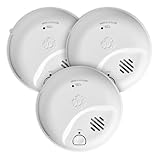
- First Alert's Precision Detection advanced sensing technology complies with new industry standards to reduce cooking nuisance alarms and provides early warning in the event of a home fire emergency
- Provides reliable 2-in-1 protection against both smoke and carbon monoxide
- End-of-life warning lets you know when it’s time to replace the alarm
- Battery-operated alarm allows for easy installation and maintenance
- Test/silence button for efficient testing to ensure alarm is working properly
Map hazards and water paths
Mark roof valleys, gutters, downspouts, slopes, low points, plumbing fixtures, chimneys, penetrations, and places where water enters or may be collecting. Note standing water, damp odors, salt deposits, swollen wood, rust, mold-like growth, and staining patterns. Record the condition of doors, windows, vents, and other openings. Do not infer the source of a leak from a ceiling stain alone; water can travel a considerable distance before appearing indoors.
The National Park Service recommends documenting both historical significance and physical condition because the record supports priorities, treatment decisions, and funding allocations. Keep the original files, a backup, and a written change log.
2. Treat the first entry as a safety operation
A house that has stood empty may contain unstable floors, failing ceilings, damaged stairs, concealed fire damage, contaminated water, wildlife, or live utilities. The National Park Service cautions that a project team “should be cautious when first entering the structure if it has been vacant or is deteriorated.” A quick walk-through is not a structural inspection.
Do these 3 things before closing this tab:
1Clear out junk files and repair common Windows errors2Fix the driver behind crashes, sound loss and screen glitches3Repair Windows errors before they cause bigger problemsPrepare before entering
- Tell another person when you are entering and how long you expect to be inside.
- Use a charged light source and avoid relying on a phone flashlight.
- Wear clothing and footwear suitable for debris, dust, sharp metal, and biological contamination; use respiratory or other protective equipment only when selected for the actual hazard.
- Do not enter during a storm, after a suspected fire, or where you see major movement, sagging, fresh collapse, standing contaminated water, or a strong gas odor.
- Keep children, pets, and untrained helpers out until a qualified professional has assessed the building.
Recognize when to stop
Leave immediately if floors flex unexpectedly, masonry is actively falling, a ceiling is separating, a wall is leaning or bulging, electrical equipment is wet or arcing, or you smell gas or burning insulation. Do not test a suspect floor by jumping on it or shore a dangerous area from an improvised position. If a portion appears structurally unsound, temporary shoring may be advisable, but it should be designed or directed by a qualified professional. Contact the relevant emergency utility or emergency service for an immediate hazard rather than attempting a private repair.
3. Commission a condition assessment before choosing repairs
Arrange an assessment by professionals whose experience matches the building: for example, a structural engineer or architect familiar with older construction, a preservation consultant, and appropriately licensed specialists for electrical, mechanical, plumbing, or environmental hazards. The National Park Service mothballing sequence calls for structural stabilization based on a professional condition assessment.
What the assessment should examine
- Structure: foundations, framing, settlement, deflection, masonry movement, roof structure, porches, stairs, and areas weakened by moisture or insects.
- Envelope: roof coverings, flashings, gutters, downspouts, walls, windows, doors, foundations, drainage, and places where air or water can enter.
- Historic fabric: original plans, finishes, trim, hardware, windows, masonry, plaster, and later work that may have significance.
- Building systems: electrical service and distribution, heating, fuel storage, plumbing, ventilation, chimneys, and fire-protection equipment.
- Environmental conditions: moisture, mold-like growth, pests, lead-based paint, asbestos-containing materials, contaminated water, or other hazards where professional testing is warranted.
Demand priorities, not just a defect list
Ask for a written sequence that separates immediate danger, weather protection, stabilization, repair, and optional improvement. The report should identify temporary measures, their intended duration, and the risk of causing new damage. It should also distinguish a confirmed condition from a recommendation for further investigation. Preservation expertise is most useful before a replacement decision is made, because an apparently damaged feature may be repairable and may carry historic value.
Rank #2

- First Alert's Precision Detection advanced sensing technology complies with new industry standards to reduce cooking nuisance alarms and provides early warning in the event of a home fire emergency
- Provides reliable 2-in-1 protection against both smoke and carbon monoxide
- End-of-life warning lets you know when it’s time to replace the alarm
- Battery-operated alarm allows for easy installation and maintenance
- Test/silence button for efficient testing to ensure alarm is working properly
4. Stop water entry and control pests early
Moisture and pests can turn a stable empty building into a rapidly deteriorating one. Once the assessment identifies active paths, prioritize keeping water out and reducing conditions that attract termites, rodents, birds, bats, and other pests. The National Park Service identifies exterior moisture protection and pest control as early mothballing priorities.
The Tool Desk
Outbyte PC Repair FREEClear out junk files and repair common Windows errorsFree Scan →Outbyte Driver Updater FREEFix the driver behind crashes, sound loss and screen glitchesFind Drivers →Address active leaks without hiding the problem
Use a temporary measure only when it protects the building and can be removed or inspected. A cover that channels water onto a wall, sealant that blocks drainage, or an interior patch that conceals a continuing leak can worsen damage. Keep gutters and downspouts functioning where they can be cleaned safely, and make sure discharge does not saturate the foundation. Do not pressure-wash historic masonry or apply a coating simply because a surface looks dirty; the suitable method depends on the material and condition.
Make pest control compatible with preservation
Remove accessible food, rubbish, and standing water; reduce vegetation touching the building; and close entry points after confirming that no animals are trapped inside. Have a qualified pest professional identify the species and source before selecting treatment. Termite damage, rodent contamination, and bat or bird occupancy can require different controls and may involve health, wildlife, or disposal requirements. Avoid covering evidence of an active infestation before it is documented.
5. Secure the house while preserving ventilation
Vacancy increases the risk of theft, vandalism, unauthorized occupancy, and weather damage. Secure doors and windows, control keys, and arrange responsible access. However, security measures must not create a damp, sealed enclosure. The National Park Service warns that mothballing treatments should be weighed for reversibility and benefit; simply boarding openings without adequate ventilation can accelerate deterioration.
Use reversible protection
- Prefer measures that can be removed without damaging frames, trim, masonry, or finishes.
- Protect vulnerable openings from rain while allowing intentional air movement where the condition assessment indicates it is safe and useful.
- Do not permanently fill vents, block drainage paths, or seal a damp basement without understanding how the building dries.
- Inspect temporary coverings after wind, heavy rain, freezing weather, or vandalism.
- Coordinate locks, alarms, lighting, cameras, and neighbor or caretaker access with the insurance policy.
Ventilation is not a substitute for fixing leaks or controlling indoor humidity. If the building has unsafe electrical or mechanical systems, do not install powered equipment until those systems have been evaluated.
6. Make utilities and fire safety an early workstream
Identify every utility service and its shut-off point, then have the systems checked by qualified professionals. Label shut-offs only after confirming what each valve, breaker, switch, or disconnect controls. The correct decision may be to keep a system operating for freeze protection, drainage, security, or ventilation, or to isolate it because it is unsafe. That decision is property-specific and should account for local requirements, weather, insurance, and the building’s condition.
Rank #3

- Please Note: The SC07 is a basic standalone unit. It does not support wireless interconnection, Wi-Fi, or base station connection; for wireless interconnection, search for SC07-W
- 10-Year Protection, Zero Maintenance: A built-in sealed lithium battery powers the alarm for a full decade—no battery replacements, no late-night low-battery chirps, and no ladder climbing
- Photoelectric Smoke Sensor and Electrochemical CO Sensor: Responds faster to slow-smoldering fires, helps reduce cooking-related false alarms, and reliably detects dangerous carbon monoxide
- Simple Installation: No rewiring required; easily mount this smoke and carbon monoxide alarm on a wall or ceiling using the included mounting bracket, screws, and anchor plugs
- Meets UL 217 & UL 2034 Safety Standards: Independently tested and certified to meet UL 217 and UL 2034 standards for smoke and carbon monoxide detection; clear certification markings help support safety checks and code-compliant installation
Electrical, heating, and fuel systems
Electrical malfunctions and heating-system problems are fire concerns identified by the National Park Service. Have damaged wiring, overloaded circuits, improvised connections, fuel-burning appliances, chimneys, flues, and fuel storage examined before use. Keep combustible storage away from heat sources and electrical equipment. Never energize an unknown circuit to “see whether it works,” and do not restart a fuel-burning system after a long vacancy without the required inspection.
Plan detection and response
Consider early-warning alarms as part of the safety plan, but choose device type, placement, power source, monitoring, and inspection under applicable local residential requirements. The National Park Service fire guidance is not a residential installation specification. Coordinate alarm work with the authority having jurisdiction and the insurer, and make sure responders can reach the property if an alarm activates.
7. Establish recurring inspection and maintenance
A vacant building needs an owner’s inspection routine, not a single handover visit. The National Park Service mothballing guidance calls for a maintenance and monitoring plan. Put the schedule in writing and keep dated records so a new leak or crack can be distinguished from an old one.
At each visit, check
- Roof coverings, flashings, gutters, downspouts, drains, and signs of new water entry.
- Exterior walls, foundations, windows, doors, temporary covers, and evidence of forced entry.
- Basements, crawl spaces, attics, and other areas for standing water, condensation, pests, mold-like growth, or structural change.
- Temperature or freeze conditions where pipes or fire-suppression systems remain charged.
- Alarms, locks, lighting, cameras, and utility indicators.
- Any temporary shoring, tarping, bracing, or other protection for movement or deterioration.
Inspect after severe weather and after every contractor visit. Update the photo log and escalate any change that suggests active movement, a new leak, electrical damage, or a failed temporary measure.
8. Choose the treatment and future use before planning upgrades
Do not select repairs solely because they are familiar or make the house look newer. The Secretary of the Interior’s Standards distinguish preservation, rehabilitation, restoration, and reconstruction. Where a treatment and use have not been identified, Preservation Standard 1 says a property will be protected and, if necessary, stabilized until additional work can be undertaken.
| Treatment | Primary emphasis | When it may fit | Effect on planning |
|---|---|---|---|
| Preservation | Retaining existing form, features, and materials through maintenance and repair | The building’s existing character and fabric remain the priority | Plan careful repair and limited replacement; avoid unnecessary alteration |
| Rehabilitation | Compatible changes that support a continuing or new use | Substantial repairs, alterations, additions, or a new use are needed | Integrate use, accessibility, safety, and code work without destroying significant fabric |
| Restoration | Depicting the property during a particular historical period | A documented period and appropriate evidence have been selected | Research and evaluate later changes before removing or recreating features |
| Reconstruction | Re-creating a vanished building or feature | Historic evidence and the project purpose justify rebuilding what no longer survives | Clearly distinguish new work from surviving historic material where appropriate |
Compare the options by the amount of historic material that remains, the building’s current condition, the proposed use, and the alterations or code work that use requires. A preservation professional can help document those choices before design begins.
Rank #4

- 2-in-1 DETECTION: Model 30CUDR detects both smoke and carbon monoxide and features advanced sensing technology with over 25% faster smoke detection*; sounds a loud 85-decibel alarm with red LED light for clear visual warnings; suitable for homes
- AA BATTERY OPERATION & WARRANTY: Powered by two AA batteries (included) for easy, no-wiring setup . Backed by 10-year limited warranty** that starts from date of purchase
- REDUCED FALSE ALARMS: Uses advanced sensing technology that helps distinguish between real smoke and everyday cooking or steam; helps reduce false alarms while maintaining quick, accurate detection when smoke is present
- TESTED FOR RELIABILITY & COMPLIANCE: Rigorously tested to meet UL 217 10th Edition, UL 2034 5th Edition, and FCC standards for performance and safety; enhanced sensing technology helps reduce false alarms from everyday cooking or steam
- BUILT FOR HOMEOWNERS AND PROFESSIONALS: Designed for those who prioritize dependable, code-compliant detection; supports safety goals for homeowners, property managers, contractors, and professionals seeking long-term home safety assurance
9. Identify approvals, codes, and insurance obligations
Historic designation does not by itself tell you which approvals apply. Ask the local building department, fire authority, planning office, and preservation commission what review is required for the property and proposed work. Requirements can vary with location, designation, occupancy, scope, and whether the work changes structure, egress, accessibility, utilities, or fire protection.
PC Slower Than It Used to Be?
A free scan shows the junk files, broken settings and background clutter dragging Windows down - then fixes them in one click.Free scan · Windows 10 & 11Outdated Drivers Are Slowing You Down
One free scan finds every outdated or missing driver and matches the right update for your exact hardware.Free scan · exact hardware matchPrepare a question list for officials
- Is the property locally designated, listed in a district, or subject to a preservation easement?
- Which repairs are ordinary maintenance, and which require a permit or design review?
- Will a change of use trigger additional egress, accessibility, energy, plumbing, electrical, or fire requirements?
- Are there restrictions on demolition, window replacement, masonry cleaning, roofing, additions, or visible mechanical equipment?
- Which professionals must sign plans or inspections?
Notify the insurer about vacancy, construction, temporary protection, utilities, and alarm arrangements. Insurance terms can require regular inspections, temperature controls, winterization, or specific security measures. Do not assume that a preservation approval replaces a building permit, or that a permit confirms that a treatment is historically appropriate.
Independent reader supportYour contribution helps us test, update, and keep practical guides available for everyone.10. Plan energy work only after the building is understood
Energy upgrades belong after basic condition and moisture problems are under control. The National Park Service recommends an energy audit before energy improvements; the audit evaluates the envelope and mechanical systems. In an empty historic house, air sealing or insulation is not automatically the first project. Trapping moisture, covering significant fabric, or changing ventilation before the building is dry and understood can create new deterioration.
Use the audit to test compatible options
Ask the auditor and preservation professional to consider roof and wall assemblies, windows, doors, basements, attics, heating and cooling equipment, controls, ductwork, and air leakage together. Evaluate how each measure affects drying potential, historic materials, indoor air quality, fire safety, and the intended future use. Sequence work so that a repair does not have to be removed to install a later upgrade. Keep the audit’s assumptions and recommendations with the building record.
A practical first-phase checklist
- Secure responsible access. Restrict entry until obvious hazards have been assessed, and keep a log of who enters.
- Document before disturbing. Photograph and map historic features, damage, water paths, utilities, and hazards.
- Research significance and rules. Contact the State Historic Preservation Office or local preservation commission and gather available records.
- Commission a condition assessment. Include structure, envelope, historic fabric, systems, moisture, and pests.
- Stabilize immediate threats. Use professional direction for shoring and address active leaks, dangerous openings, and urgent hazards.
- Control water and pests. Choose methods that protect the building without concealing damage or trapping moisture.
- Secure with ventilation in mind. Favor reversible measures and inspect temporary protection after severe weather.
- Check utilities and fire risk. Label shut-offs, have systems evaluated, and coordinate alarms with local requirements and insurance.
- Start recurring inspections. Record conditions and revisit after storms, access, and repairs.
- Select treatment and use. Decide whether preservation, rehabilitation, restoration, or reconstruction fits the evidence and project purpose.
- Confirm approvals and scope. Establish permits, design review, code, accessibility, fire, and insurance obligations before construction.
- Commission an energy audit. Evaluate compatible efficiency work only after moisture, safety, and treatment decisions are established.
Common early mistakes and how to avoid them
Starting with a cosmetic renovation
Painting, replacing trim, refinishing floors, or installing a modern kitchen can erase evidence and distract from a leaking roof or unstable structure. Complete documentation and assessment first.
Recommended Free Tools
Assuming a standard home inspection is enough
A general inspection may not answer questions about historic fabric, structural movement, concealed moisture, or preservation treatment. Add specialists whose qualifications match the risks.
Best Value

- Please Note: SC07 is a basic standalone unit; it does not support wireless interconnection, does not have Wi-Fi, and cannot be used with a base station; for interconnection, search for SC07-W. For Wi-Fi functionality, look for SC07-WX or SC07-MR
- 2-in-1 Protection: The combination smoke and CO detector detects both smoke and carbon monoxide faster and more accurately using a photoelectric smoke sensor and an electrochemical CO sensor
- 10-Year Battery: The fire and CO alarm is built with a sealed lithium battery that provides 10 years of continuous power, saving you from changing batteries and power outage
- Combination Alarm with CO Readings: The informative LCD will show you the battery level and real-time CO levels in PPM (parts per million)
- Simple Installation: Requires no rewiring; easy to mount this smoke and carbon monoxide alarm on any wall or ceiling with the included mounting bracket, screws, and anchor plugs
Boarding every opening tightly
Security that eliminates intentional ventilation can increase condensation and decay. Use reversible protection and monitor humidity and moisture conditions as appropriate to the building.
Sealing a leak from the inside
An interior patch can hide the entry path while water continues to damage framing or finishes. Trace the path, repair the exterior cause, and document the work.
Turning utilities on without an evaluation
Unknown wiring, heating equipment, chimneys, and fuel systems can create fire or carbon-monoxide hazards. Have them checked before energizing or firing them.
Insulating before investigating moisture
Energy work can change drying behavior and conceal defects. Complete the condition assessment and energy audit, then select compatible measures for the intended use.
Assuming every historic feature must remain untouched
Preservation is not the same as refusing all change. Rehabilitation may allow necessary, compatible alterations, while restoration requires evidence for a selected period. The treatment decision should follow documentation and professional advice rather than a slogan.
What cannot be decided without property-specific information
No general article can tell you which utility to shut off, whether a wall requires shoring, what alarm to install, which permits apply, or whether a particular window, roof, or finish should be replaced. Those answers depend on the building’s location, designation, condition, systems, insurance terms, climate, and intended use. Establish them with the authority having jurisdiction and qualified professionals before undertaking work that could affect safety, historic material, or code compliance.
Quick Recap
Product prices and availability are accurate as of the date/time indicated and are subject to change. Any price and availability information displayed on Amazon at the time of purchase will apply.

