What’s actually slowing this PC down?
Pick the symptom - the matching free tool is one click away.
An adequate home is more than a weatherproof shell. Under the established UN human-rights framework, housing must provide security of tenure; essential services and infrastructure; affordable costs; safe, healthy and sufficiently spacious conditions; accessibility; a suitable location; and respect for cultural identity. These seven dimensions are a context-sensitive way to assess whether housing supports a decent life—not a universal building-code checklist or a single pass/fail score.
What “adequate housing” means
The right to adequate housing is linked to the right to an adequate standard of living. The UN Committee on Economic, Social and Cultural Rights explains that “adequacy is to a large extent determined by prevailing social, economic, cultural, climatic, ecological and other conditions.” In practice, the same physical design may be suitable in one climate or community and inadequate in another.

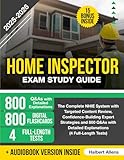
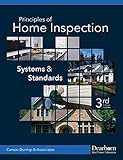


As an Amazon Associate I earn from qualifying purchases.
The framework is broader than construction quality. A structurally sound house can still be inadequate if residents face arbitrary eviction, cannot afford it without sacrificing food or healthcare, lack safe water, or cannot reach work and schools. Conversely, a modest dwelling may meet the framework when it provides secure, safe and affordable living conditions appropriate to its setting.
Free tools Windows power users keep installed
One-click scans. No signup required.
These international criteria do not replace local building regulations, planning rules, rental protections, housing-health standards or accessibility laws. Those rules are enforceable through the authorities and remedies of a particular country or municipality. The framework is best used as a comprehensive lens alongside those requirements.
#1 Best Overall
The seven dimensions of an adequate home
1. Security of tenure
Residents need meaningful legal protection against forced eviction, harassment and other threats. Tenure can include ownership, a formal or informal rental arrangement, cooperative housing, a leasehold or another recognized form; adequacy is not limited to owning the title.
For a construction or renovation project, ask who is entitled to occupy the property, what agreement governs that occupation, how long it lasts, and what notice and appeal rights apply. A new building does not solve insecurity if occupants can be displaced without due process. Project teams should identify affected residents early, document consent and relocation arrangements where relevant, and obtain jurisdiction-specific legal advice rather than assuming that a permit settles tenure questions.
2. Services, materials, facilities and infrastructure
An adequate home has access to safe drinking water, sanitation, energy for cooking, heating and lighting, food storage, refuse disposal and related essential facilities. “Access” includes reliability, safety and practical usability, not merely a connection at the boundary of a site.
Quick wins for a faster PC:
Scan for outdated or missing drivers - takes under a minuteDriver Scan →Repair Windows errors before they cause bigger problemsFix Now →During design and handover, verify the source and quality of water, drainage or sewer arrangements, hot-water provision, electrical capacity, ventilation for combustion appliances, heating or cooling systems, lighting, food-storage space and waste collection. Rural or off-grid projects need an operating plan for wells, tanks, septic systems, generators or renewable systems, including maintenance and failure contingencies. A fixture list alone cannot demonstrate that services remain safe and available in normal use.
3. Affordability
Housing costs should not force occupants to give up other basic needs or rights. The OHCHR fact sheet states: “housing is not adequate if its cost threatens or compromises the occupants’ enjoyment of other human rights.” Costs include more than rent or a mortgage: utilities, essential maintenance, transport made necessary by the location, insurance, service charges and major repair liabilities can all affect the household’s ability to live securely.
There is no universal percentage of income that can responsibly serve as the international test. Local affordability measures differ by jurisdiction, household size, income, tenure and public assistance. For a project appraisal, model total housing cost under realistic energy prices, maintenance cycles and interest-rate or rent changes. A low purchase price can conceal high heating, cooling, flood-insurance or travel costs; a more efficient design may cost more initially while reducing recurring burdens.
4. Habitability
Habitability concerns adequate space and physical safety, with protection from cold, damp, heat, rain, wind, structural hazards and threats to health. It covers both the building fabric and the conditions created by its systems and surroundings.
A practical inspection should consider:
- Structural stability, foundations, load-bearing elements and signs of movement.
- Roof, walls, windows and doors as a continuous weather-resisting envelope.
- Damp, mould, condensation, water ingress and the effectiveness of drainage.
- Thermal performance, heating, cooling, ventilation and indoor air quality.
- Safe electrical, gas, combustion and fire-protection systems.
- Safe stairs, guards, floors, glazing and other fall or impact hazards.
- Space for the household’s actual size and activities, including sleeping, cooking, washing and storage.
- Exposure to external hazards such as flooding, landslip, wildfire, extreme heat or nearby industrial contamination.
Building codes provide the locally enforceable minimums, but code compliance at the time of construction does not guarantee that a home remains habitable after poor maintenance, a changed climate or a new hazard. Record defects, their severity, who is responsible and the date for correction. Urgent structural, fire, gas, electrical or serious mould hazards require qualified professionals and, where necessary, emergency services rather than a routine cosmetic repair.
5. Accessibility
Accessibility means that the specific needs of disadvantaged or marginalized groups are taken into account. It is a dimension of housing adequacy, not merely a shopping list of optional aids. Needs may arise from disability, age, illness, pregnancy, children’s safety or other circumstances, and they may change over time.
Assess the route from the public way or parking area to the entrance, door clearances, level changes, circulation, bathroom use, kitchen work areas, controls, alarms and escape arrangements. Consult the people who will use the home; a nominally accessible feature may be unusable if its location, reach range or operating force is wrong. Apply the accessibility and reasonable-adjustment rules of the relevant jurisdiction, and design for adaptation where future needs are foreseeable.
6. Location
An adequate home should allow residents to reach work, healthcare, schools, childcare and other social facilities, while avoiding polluted or dangerous sites. Location therefore combines access to opportunity with protection from environmental and industrial risk.
Do these 3 things before closing this tab:
1Scan for outdated or missing drivers - takes under a minute2Clear out junk files and repair common Windows errors3Fix the driver behind crashes, sound loss and screen glitchesBefore committing to a site, map ordinary travel times by the modes residents can actually use, not only by car. Check public transport, footpaths, crossings, winter or extreme-weather access, emergency response, broadband and proximity to daily services. Review flood, fire, contamination, noise, air-quality and industrial-risk information, along with planned infrastructure that could change conditions. A cheap site may create unaffordable transport costs or expose residents to hazards that cannot be engineered away economically.
Rank #3
7. Cultural adequacy
The home’s construction, materials and supporting policies should respect cultural identity and diversity. This can affect household arrangements, privacy, cooking practices, communal space, orientation, materials, religious observance and relationships with land or community.
Cultural adequacy is not an aesthetic label applied after design is complete. Engage residents and relevant community representatives early, explain constraints plainly and document decisions. Standardized plans can be modified to preserve culturally important functions while still meeting structural, fire, sanitation and energy requirements. Where local or Indigenous building traditions are used, combine their knowledge with qualified engineering and regulatory review.
Is sustainability an eighth housing standard?
A 2024 UN-Habitat framework document restates the seven General Comment No. 4 criteria and discusses a proposal by the Special Rapporteur on Adequate Housing to add sustainability as an eighth component in 2023. The proposal responds to planetary boundaries and climate risks.
PC Slower Than It Used to Be?
A free scan shows the junk files, broken settings and background clutter dragging Windows down - then fixes them in one click.Free scan · Windows 10 & 11Outdated Drivers Are Slowing You Down
One free scan finds every outdated or missing driver and matches the right update for your exact hardware.Free scan · exact hardware matchSustainability should therefore be described as a developing proposal discussed in that document, not as a universally adopted replacement for the seven-part baseline. Even within the existing criteria, climate and ecological conditions matter: energy affordability, overheating, flood exposure, durable materials and resilient infrastructure can affect habitability, services, affordability and location at the same time.
How to assess a home in practice
Use the seven dimensions as separate decision axes. Do not compress them into one score unless a locally sourced method explains the weighting; the international sources do not prescribe universal weights.
- Define the occupants and setting. Record household size, ages, disabilities or health needs, income pattern, tenure arrangement, climate, hazards and cultural requirements.
- Collect documents. Obtain the title or occupancy agreement, permits, inspection records, utility information, maintenance history, insurance terms and any notices or disputes. Missing paperwork is a risk to investigate, not proof that the home is inadequate.
- Inspect the building and services. Examine the envelope, structure, moisture, ventilation, heating and cooling, electrical and fuel systems, sanitation, water, waste, fire safety and usable space. Use qualified inspectors for systems outside your competence.
- Test affordability over time. Calculate recurring housing, utility, transport, insurance and maintenance costs for the actual household. Include plausible repairs and seasonal energy demand rather than relying on a listing price.
- Assess access and location. Walk or travel the routes to essential facilities at relevant times and check environmental, flood, fire, contamination and emergency-access risks.
- Ask residents what works. Interviews can reveal harassment, unreliable utilities, inaccessible controls, cultural conflicts or health symptoms that a visual inspection misses.
- Separate urgent hazards from planned improvements. Make immediate risks safe first, then schedule repairs, adaptations and efficiency upgrades with owners, occupants and regulators clearly assigned.
- Check local law. Compare findings with the applicable building, housing-health, rental, planning, fire, energy and accessibility requirements. Seek local tenant, housing or legal advice when eviction, discrimination or serious habitability problems are involved.
A comparison matrix for housing choices
When choosing between homes, score or describe each dimension separately and explain the evidence. A narrative record is often more honest than a single total because a severe failure in one dimension may not be offset by strengths elsewhere.
| Dimension | Questions to answer | Evidence to collect | Typical warning signs |
|---|---|---|---|
| Security of tenure | Who may occupy, for how long, and what protections apply? | Lease, title, notices, dispute and relocation documents | Verbal-only terms, threats, unclear landlord or pending displacement |
| Services and infrastructure | Are water, sanitation, energy, cooking, lighting, storage and waste systems safe and reliable? | Utility records, test results, maintenance logs and service plans | Frequent outages, unsafe water, sewage failure or no waste route |
| Affordability | Can the household pay total costs without sacrificing essentials? | Budget, bills, insurance, transport and repair projections | High energy burden, unpredictable charges or unaffordable access to work |
| Habitability | Is there sufficient safe space and protection from weather, damp and hazards? | Inspection, moisture readings, structural and systems reports | Mould, leaks, overheating, dangerous wiring or crowding |
| Accessibility | Can each resident enter, use, control and leave the home safely? | User consultation, measurements and adaptation assessment | Steps, narrow routes, unreachable controls or inaccessible escape |
| Location | Are essential facilities reachable and major environmental risks acceptable? | Travel plans, hazard maps, air/noise information and site history | Isolation, dangerous crossings, contamination or flood exposure |
| Cultural adequacy | Do design, materials and policies respect residents’ identity and practices? | Resident and community input, design brief and agreed adaptations | Incompatible room use, loss of privacy or imposed materials and layouts |
Common mistakes and how to avoid them
Treating ownership as the definition of adequacy
Ownership can coexist with unsafe conditions, unaffordable costs or exclusion from services. Evaluate the full seven dimensions for owners, renters and other occupants.
Recommended Free Tools
Using one affordability threshold everywhere
A single percentage cannot account for household composition, local prices, utilities, transport or public benefits. State the jurisdiction and method whenever a local threshold is used; otherwise assess whether total costs compromise other needs.
Calling a visual walkthrough a compliance inspection
Visible condition is only part of habitability, and it cannot establish tenure, affordability, accessibility for a particular person or cultural fit. Use licensed or otherwise competent specialists where law or risk requires them.
Assuming a new building is automatically adequate
Newness does not guarantee reliable services, fair tenure, affordable operation, safe location or culturally appropriate design. Commissioning, resident feedback and post-occupancy maintenance remain important.
Ignoring context and trade-offs
Climate, ecology, economy and culture shape adequacy. For example, a design that reduces purchase cost may increase energy and transport costs. Document the trade-off, identify who bears it and test whether the result still protects the household’s other rights.
What the historical eviction figure does—and does not—show
An OHCHR fact sheet cites an estimate that at least 2 million people worldwide were forcibly evicted every year, attributing it to UN-Habitat’s Global Report on Human Settlements 2007: Enhancing Urban Safety and Security. That is a historical estimate based on an older underlying report, not a verified current annual count. It illustrates why tenure security belongs in a housing assessment; it should not be presented as current global measurement.
When to get urgent help
Leave or secure a home immediately when there is an imminent structural-collapse, fire, gas, electrical or other life-safety danger, following emergency guidance and local procedures. Serious mould, sewage contamination, loss of heating in dangerous cold, extreme overheating, unlawful entry or an eviction notice may require prompt action even when the building appears intact.
Because remedies differ by country and city, contact the relevant local housing, tenant, building-control, health, fire or legal-aid organization. Keep dated photographs, notices, inspection reports, bills and communication records. A construction professional can diagnose physical defects, but cannot decide tenancy rights or provide jurisdiction-specific legal representation.
What a construction professional can contribute
Builders, designers and inspectors directly influence habitability, services, accessibility and resilience. Their work should begin with the occupants and site, not a generic plan: establish performance requirements, coordinate structural and building-services design, control moisture and thermal bridges, provide maintainable equipment, verify commissioning and explain operation to residents.
They should also flag issues outside their remit. Tenure, affordability, location policy and cultural decisions require owners, residents, planners, social-service professionals and legal advisers. A thorough project record identifies assumptions, tests, defects, responsible parties and dates for review so that adequacy can be maintained after handover.
The Bottom Line
A home is adequate when it is secure, serviced, affordable, habitable, accessible, suitably located and culturally respectful for the people who live there. Use those seven questions with local codes and resident input; do not let a sound structure or a low price stand in for the whole standard.
Quick Recap
Product prices and availability are accurate as of the date/time indicated and are subject to change. Any price and availability information displayed on Amazon at the time of purchase will apply.

