Some links on this page are affiliate links: if you buy through them we may earn a commission, at no extra cost to you.
A winter garden is a broad term for a glazed space in which plants are kept through winter. It may mean a greenhouse, a conservatory, or a house-connected room designed for plants, views and everyday use. A greenhouse is defined more by its job: it is a structure for growing plants, with temperature, humidity, air movement and sometimes light managed to create suitable growing conditions.
The two can overlap. A conservatory can function as a greenhouse, and a greenhouse can be designed as an attractive garden room. The practical distinction is therefore purpose and level of environmental control, not a universal rule about shape, whether the building is attached to a house, or whether it is heated.
As an Amazon Associate I earn from qualifying purchases.
Crashes, No Sound, or Screen Glitches?
Random freezes, missing sound and display glitches usually trace back to one bad driver. Find and replace yours safely.Free scan · under a minutePC Slower Than It Used to Be?
A free scan shows the junk files, broken settings and background clutter dragging Windows down - then fixes them in one click.Free scan · Windows 10 & 11Winter garden and greenhouse: the short answer
In ordinary architectural use, a winter garden is usually a glazed room or conservatory that brings plants, daylight and a garden view into a building. It may be used for sitting, displaying plants and protecting specimens from frost. In horticultural writing, the same phrase can describe a greenhouse or conservatory in which plants are kept flourishing during winter.
A greenhouse is principally a plant-growing structure. Its design may include active heating, powered ventilation, humidity management, evaporative cooling and supplemental lighting. Some greenhouses are sophisticated year-round production spaces; others are simple shelters used only to protect plants from cold and extend the season.
Popular on Amazon

- 【Effortless Assembly】 Quickly create your ideal gardening space with this easy-to-assemble greenhouse kit. The package includes clearly labeled parts, a detailed instruction manual, and necessary hardware to support a smoother setup. The slide-in polycarbonate panel design helps simplify installation while adding support to the overall greenhouse structure, making it easier to build a reliable outdoor growing shelter.
- 【Optimized Ventilation】 The adjustable roof vent helps improve airflow inside the greenhouse, allowing you to regulate ventilation based on weather and plant needs. Better air circulation helps reduce heat buildup on sunny days and supports a more comfortable growing environment for vegetables, herbs, flowers, and starter plants.
- 【Optimized Ventilation】 The adjustable roof vent helps improve airflow inside the greenhouse, allowing you to regulate ventilation based on weather and plant needs. Better air circulation helps reduce heat buildup on sunny days and supports a more comfortable growing environment for vegetables, herbs, flowers, and starter plants.
- 【4mm UV-Resistant Polycarbonate Panels】 Built with 4mm double-wall polycarbonate panels, this greenhouse allows natural sunlight to enter while helping diffuse direct light. The panels provide a balance of light transmission and coverage, helping create a more stable growing space for a variety of plants through changing outdoor conditions.
- 【All-Season Garden Protection】 Constructed with a powder-coated aluminum frame and reinforced panel structure, this walk-in greenhouse is designed for long-term outdoor use. It helps protect plants from sun, rain, wind, and cooler temperatures, making it a practical choice for year-round gardening in backyards, gardens, and patios.
The Government of Canada Translation Bureau’s TERMIUM Plus terminology record (26 November 2019) defines “winter garden” as “a greenhouse or conservatory in which plants are kept flourishing in winter.” It notes that the primary purpose is not passive solar heating. That is a useful formal definition, but regional building and garden language is less strict.
| Question | Winter garden | Greenhouse |
|---|---|---|
| Primary purpose | Often a plant-filled room, conservatory, display area or overwintering space that may also be used by people | Plant cultivation, from frost protection to year-round production |
| Typical relationship to a house | Often integrated with or attached to a home, although a freestanding glazed room can also be called a winter garden | Often freestanding, but it can be attached to another building |
| Environmental control | May have heating and ventilation, but the level of control depends on the room’s purpose | Usually planned around measurable control of temperature, humidity, air circulation and sometimes light |
| What the name tells you | More about winter use, experience and setting than a fixed technical specification | More about a growing function than about appearance or occupancy |
Use the intended activity to remove ambiguity. A glazed extension where a family reads among citrus trees is reasonably described as a winter garden or conservatory. A crop-production building with fans, heaters and grow lights is a greenhouse, even if it is architecturally elegant.
Do these 3 things before closing this tab:
1Repair Windows errors before they cause bigger problems2Fix the driver behind crashes, sound loss and screen glitches3Clear out junk files and repair common Windows errorsWhy the terminology is not a strict taxonomy
Historical usage explains much of the overlap. The National Gallery of Art’s History of Early American Landscape Design notes that “greenhouse” and “conservatory” were often treated as synonyms. It reproduces Bernard M’Mahon’s 1806 explanation that a greenhouse held potted trees and plants on stands during winter, while a conservatory held plants in beds. That distinction describes one period and practice; it is not a modern building standard.
Today, “conservatory” often suggests a glazed architectural room, while “greenhouse” suggests horticultural production. “Winter garden” can bridge both meanings. Some designers use it for a glazed extension intended as living space; gardeners may use it for any protected winter-growing area. Planning documents, suppliers and local trades can therefore use the terms differently.
Do not infer any of the following from the name alone:
Also popular on Amazon
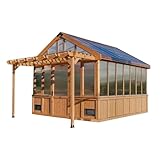
- All-Weather Durability: Pro-Tect tested and proven to withstand up to 9,200 pounds or 30 inches of snow load, and winds up to 100 mph (product must be anchored as specified in the Backyard Discovery instruction manual); Patent pending
- Industry-Leading Warranty: 5-year warranty for added peace of mind
- Optimal Insulation: Commercial-grade 4-wall polycarbonate roof and window panels improve heat retention by 30% for year-round gardening (compared to standard double-wall polycarbonate)
- 100% Cedar Wood: Made from durable cedar wood for exceptional strength and natural resistance to decay
- Integrated Ventilation: Features a temperature-activated exhaust fan for forced ventilation and 2 easy-open windows for natural air circulation and pollination, ensuring optimal growing conditions
- that every winter garden is attached to a house;
- that it is unheated or relies on passive solar gain;
- that it is used only for plants rather than seating and everyday living;
- that every greenhouse is a commercial-scale growing operation; or
- that glazing guarantees active growth throughout winter.
The practical differences that matter on a project
Purpose and occupancy
Start with what people and plants must do in the space. A house-connected winter garden may prioritise comfortable occupation, views, display planting and a transition between interior and exterior. A greenhouse prioritises the conditions needed to germinate, grow, overwinter or produce crops. Those priorities affect layout, access, shelving, work surfaces, drainage, ventilation and the amount of equipment that can be accommodated.
Free tools Windows power users keep installed
One-click scans. No signup required.
Location and connection to the house
An attached glazed room can make a winter garden part of the home’s circulation and daily life. A separate greenhouse can be positioned for sunlight, service access and practical growing work. Neither arrangement is mandatory. Treat “attached” as a common architectural pattern, not a definition.
Control systems
Utah State University Extension describes greenhouses functionally: temperature, humidity, air circulation and sometimes light are actively controlled to maintain conditions suitable for year-round growing. Controls may use electricity, natural gas, evaporative cooling, powered ventilation and supplemental lighting. A winter garden may have some of these systems, but a room intended mainly for enjoyment may not need production-level control.
Scale and commitment
A small protected structure can solve a narrow problem such as frost protection or early seed starting. A glazed extension carries the additional commitments of an occupied room: access, integration with the home and a comfortable environment for people. A production greenhouse adds growing infrastructure and operating decisions. Select the scale after defining the winter task, not before.
What “winter” really means for plants
Protection from frost is not the same as active growth. In a 29 September 2022 response, University of Maryland Extension explained that winter daylight in Maryland can be too short or weak for many plants to keep growing, even when they remain alive. Supplemental lighting can help lower-light plants, but strong-light crops such as tomatoes are difficult to keep producing through that season. Heating may also be expensive, depending on insulation and the heat source.
The Tool Desk
Outbyte PC Repair FREERepair Windows errors before they cause bigger problemsFix Now →Outbyte Driver Updater FREEFix the driver behind crashes, sound loss and screen glitchesFind Drivers →Also popular on Amazon

- Excellent Greenhouse for Plants Growth: No longer worry about winter cold, rainstorms, rodents, or insects. Greengro green house provide an enclosed space for plants to thrive, featuring a high-quality frame, thick polyethylene cover, sturdy zippered door, and screened windows. This greenhouses regulates external airflow, effectively controlling temperature and moisture levels, creating an eplanters xcellent growing environment for potted plants and seeds in all seasons
- Thick & Durable PE Cover: Engineered with a high-tensile grid and double-stranded edge banding, our walk-in greenhouse is designed to withstand winds of up to 45 mph, effectively protecting your plants from harsh weather conditions. This cover not only provides exceptional waterproof protection but also reduces harmful UV exposure, allowing your plants to thrive under optimal natural light conditions
- Sturdy Framework: This outdoors greenhouse boasts a sturdy 16mm thick base, durable connectors, and shelves that ensure a reliable weight capacity of up to 22 lbs. With a generous 6.4 ft height and 2.3 ft length, it offers ample space for up to 12 plant pots for seed trays, pots, and plants from small to medium sizes. The 4 ropes and 4 ground stakes can add extra stability and safety
- Easy Assemble: This portable greenhouse comes with a user-friendly, step-by-step guide that ensures hassle-free assembly without any tools needed. Its detachable design allows for quick setup and takedown processes—making it easy to relocate the greenhouse as needed
- Multi-purpose use: This greenhouse kit is perfect for both indoors and outdoors use, such as porches, patios, decks, balconies, gardens, backyards, or sunrooms. It is suitable for cultivating various herbs, fruits vegetables, flowers, and other types of plants. An essential tool for horticulturists and plant enthusiasts
For a construction decision, evaluate four separate conditions:
- Temperature: Is the goal to prevent freezing, maintain a cool resting period, or sustain warm growth?
- Light: Will natural winter daylight meet the plant’s needs, or is supplemental lighting required?
- Air movement and humidity: Can the space be ventilated and managed so that still, damp air does not undermine plant health?
- Operating cost: What will heating, fans, cooling and lighting cost during the coldest and darkest part of the year?
USU Extension cautions that greenhouses can have high winter energy costs. Local climate, production goals and budget should guide the structure and its equipment. A warmer target, larger volume or longer operating season generally increases the amount of energy and control capacity needed, so those decisions belong in the brief before construction details are fixed.
Temperature bands: match the room to the plants
The Royal Horticultural Society groups conservatory plants by the conditions they can tolerate. Its figures are examples for particular plant groups, not universal design targets:
| RHS condition | Example temperature guidance | What it means for planning |
|---|---|---|
| Heated | About 15–20°C (60–70°F) during the day for some tender plants | Requires dependable heat and a plan for the associated energy use |
| Intermediate | An even temperature around 10°C (50°F) for another group | Suitable for plants that need more than frost protection but less than warm-room conditions |
| Cool and frost-free | A minimum around 5–7°C (41–45°F) for selected tender plants | Protects suitable plants without maintaining a warm growing environment |
RHS guidance also emphasises air movement, careful winter watering and regular pest checks. A room that is comfortable for people may be too warm for a plant that needs a cool rest, while a cool, frost-free space may preserve a plant without providing enough light for new growth. Choose plants after establishing the actual temperature and light range the building can maintain.
How to choose between a winter garden, greenhouse and smaller shelter
Choose a winter garden or conservatory when the room itself is part of the brief
This is the appropriate direction when you want a glazed connection to the garden, a place to sit, a display of plants and protection from winter weather in one project. Define whether the room must remain comfortable for people, merely frost-free for plants, or capable of supporting a particular plant collection. Those are different performance goals.
Also popular on Amazon

- 【CLASSIC DESIGN】Cathy's Flower House features a transparent, pointed-arch structure and a variety of plants, creating a lush, botanical greenhouse. The inspiration for the complex and elegant design comes from classic aesthetics and the beauty of nature, making it a captivating addition to any decor.
- 【VERSATILE HOME DECOR】Cathy's Flower House is perfectly sized to adorn any tabletop, cabinet, shelf, or corner, creating a striking focal point wherever it's placed. Its charm adds a touch of elegance to any space, making it a memorable addition to your home decor.
- 【DOUBLE UPGRADE】Experience the Double Upgrade of Process and Material. Immerse in the oil painting corner of the botanical garden with high-precision prints, easy-assemble adhesive-free frames, pre-colored furniture, and no paper cutting needed.
- 【GIFT FOR DIY CRAFT HOBBY】Cathy's Flower House is the perfect gift for plant lovers and DIY enthusiasts. This miniature greenhouse offers an engaging and creative building experience, complete with intricate details and a variety of plants, making it a delightful and thoughtful present for any occasion.
- 【RESOLVE PROBLEM PROMPTLY】We are committed to providing customers with quality after-sales service. If you have any problems during assembly, please feel free to contact us. The best results can be obtained for any situation.
Choose a greenhouse when cultivation is the main outcome
A greenhouse is the better fit for seed starting, crop production, overwintering at scale or deliberate year-round growing. Specify the crops, their temperature and light requirements, working access, ventilation and monitoring before selecting the structure. A simple greenhouse may provide cold protection; a controlled one may add heating, powered ventilation, cooling and lights.
Choose a cold frame when you need limited season extension
USU Extension describes cold frames as season-extension structures and notes that kits are available. They can protect plants and start or finish crops earlier without the room, cost or systems of a conservatory or full greenhouse. They are not architectural substitutes for a house-attached winter garden.
Small enclosed structures can overheat rapidly in direct sun, even when outdoor air is cold. Use a thermometer and monitor conditions so that protection from frost does not become damaging heat. Treat a cold frame as a focused plant-protection tool, not a promise of winter production.
Planning a house-attached winter garden
For a construction brief, describe the space by performance rather than by label. The following questions expose the decisions that the name “winter garden” leaves open:
- Define the use. State whether the room is primarily occupied living space, a plant display, an overwintering area, seed-starting space or active crop production.
- Set a plant and people temperature target. Separate the temperature needed for occupants from the minimum needed by the plants. If they conflict, decide which requirement governs or create separate zones.
- Assess winter daylight. Identify the darkest period in the local climate and decide whether plants will rest, survive without growth or receive supplemental lighting.
- Specify ventilation and air movement. Include how excess heat, humidity and stale air will be managed. A sealed glazed volume is not automatically a healthy growing environment.
- Plan monitoring. Provide temperature monitoring and, where relevant, controls for heating, ventilation, humidity and lighting. Monitoring is particularly important in small structures that can overheat in sunshine.
- Budget operating energy, not only construction. Heating, fans, cooling and lights can determine whether the room is used as intended. Compare the coldest and darkest local conditions with the selected plant list.
- Coordinate the room with the house. Resolve access, circulation and the boundary between occupied space and growing work before finalising the layout.
This process also prevents a common mistake: specifying a beautiful glazed enclosure and assuming it will behave like a productive greenhouse. The envelope, equipment and plant list must be designed as one system.
Also popular on Amazon

- large walk-in tunnel greenhouse is made of a premium galvanized finish/heavy duty steel frame. The cross bars and 4 reinforced diagonal bars add extra stability. Simple butterfly screw assembly required only.
- the Doors on one side of the greenhouse, the mesh door to keep small things out and ventilate on hot days; one PE cover door to keep warm. independent zippers, convenient to use each door according to your need, and increase the greenhouse’s functional quality. 6 exhaust ventsfor cross ventilation and venting.
- No matter how hard the weather is, we’ve got you covered with this durable greenhouse to shield against all manner of foul conditions, from rain, wind, frost, sun and snow
- Reinforced 140g/m2 PE grid cover is UV 80+, protects your plants from UV damage, 100% waterproof, increases the service life 2 times: most cover is UV protection level 3, only lasts for 3-6 month, the cover last for over 1 year. The PE cover is odorless, so you can work in the green house without worry. After thousands of tests, the size of the cover fit the frame closely, it enhanced the warmth and wind resistance in winter.
- Supported by powder-coated finish heavy duty steel frame, our tunnel green house is more durable and anti-rust than those whose frames are galvanized
Common misconceptions and how to avoid them
“If it is glazed, plants will grow all winter.”
Glazing supplies daylight but does not guarantee enough winter light. University of Maryland Extension’s Maryland example shows that many plants may survive yet stop growing until spring. High-light crops can require supplemental lighting and still be difficult to maintain productively.
“A heated room suits every plant.”
Plants have different winter requirements. Some tender plants need daytime temperatures around 15–20°C, while others do better around 10°C or in a cool, frost-free range near 5–7°C. Use plant-specific guidance rather than one universal thermostat setting.
“Winter garden means passive solar room.”
The TERMIUM Plus record specifically distinguishes a winter garden’s primary function from passive solar heating. A glazed room may gain solar heat, but its purpose can still be plant display, overwintering or occupation. Do not assume that passive solar design alone will provide the required winter conditions.
“Greenhouse and conservatory are always separate categories.”
Historical and current usage overlap. The National Gallery of Art’s account of M’Mahon’s 1806 terminology shows that the words were once treated as synonyms, with a distinction based on pot placement and planting beds. Use the project’s function to explain the choice instead of arguing over the label.
A decision checklist
Before choosing a name or ordering a structure, confirm:
- the main activity: sitting, display, overwintering, propagation, season extension or crop production;
- whether the structure is attached to the house or separate for practical reasons;
- the coldest temperature the plants can tolerate and the temperature occupants expect;
- the amount of natural winter light available and whether lights are needed;
- how heat, ventilation, humidity and air movement will be controlled;
- how temperatures will be monitored on sunny days and during cold nights;
- the local climate, especially the frost pattern and darkest period;
- the ongoing energy and maintenance budget; and
- whether a cold frame or small kit solves the problem without requiring a full room or greenhouse.
Once those answers are documented, the terminology usually becomes clear. Call it a winter garden when the glazed garden-room experience is central, a greenhouse when controlled cultivation is central, and a cold frame when limited protection and season extension are all that is required. The names may overlap, but the performance brief should not.
Recommended Free Tools
Quick Recap
Product prices and availability are accurate as of the date/time indicated and are subject to change. Any price and availability information displayed on Amazon at the time of purchase will apply.

