Some links on this page are affiliate links: if you buy through them we may earn a commission, at no extra cost to you.
For a typical backyard compost pile, add fruit and vegetable scraps, coffee grounds, dry leaves, grass clippings, and other suitable plant material. Keep meat, dairy, fats, pet waste, treated wood, and compostable packaging out unless a local collection program or commercial facility specifically accepts them. There is no universal list of materials that every composting system takes.
What can I compost in a backyard pile?
Composting is managed, aerobic biological decomposition: microorganisms break down organic material in the presence of oxygen. A home pile works best with a mix of carbon-rich “browns,” nitrogen-rich “greens,” water, and air. The U.S. Environmental Protection Agency (EPA) recommends two to three parts browns to one part greens by volume.
As an Amazon Associate I earn from qualifying purchases.
| Material | How to use it |
|---|---|
| Fruit and vegetable scraps | Use as greens; chop large or tough pieces to help them break down. |
| Grass clippings | Use as greens; balance them with dry browns. |
| Coffee grounds and paper filters | Add to the pile as greens. |
| Paper tea bags | Add only bags without staples. |
| Eggshells | Crush them before adding. |
| Dry leaves | Use as browns. |
| Plant stalks and twigs | Break or chop them into smaller pieces. |
| Shredded paper | Use only non-glossy, uncolored paper. |
| Shredded cardboard | Use uncoated cardboard without wax, tape, or glue. |
| Wood chips | Use untreated wood chips. |
These are practical examples, not a complete inventory of every material that can be composted in some system. EPA’s broader descriptions of compost feedstocks include materials such as crop residues, manure, biosolids, wood, and paper or paperboard, but industrial-scale examples should not be assumed suitable for a home pile.
What should I keep out of a home compost pile?
EPA advises against putting the following into a backyard pile. Some can attract animals; others may not break down fully under typical home-pile conditions. “Avoid” here means unsuitable for the home setup described, not impossible to process in every facility.
#1 Best Overall

- Twin chambers: Two separate chambers allow one side to finish composting while leaving the other side available to add fresh wastes; Constant alternation of the two sides will create an uninterrupted stream of nutritious compost
- 360⁰ Tumbling Design: The rotating design prevents you from digging or mixing the pile by hand; And the deep fins on eight panels make it easier to turn the compost bin
- Excellent Aeration: Air vents can make the air fully circulate and will not cause an explosion due to excessive internal pressure; Deep fins can better break the clumps, which is conducive to the full fermentation of oxygen
- Sturdy & Durable Construction: Constructed of premium metal frame and high-quality pp plastic body, this tumbling composter is corrosion-resistant, weathering-resistant, sturdy, and durable for long-lasting service life
- Garden Gloves Included: The gloves that not only protect your hands from injury, but are also waterproof, making them easy to clean; With 4 durable ABS plastic claws for easy digging, planting and other gardening work
- Meat, fish, bones, cheese, and other dairy products
- Fats, oils, and grease
- Compostable foodservice ware and bags
- Plants or grass treated with herbicide
- Aggressive weeds or weeds bearing seeds
- Diseased or pest-infested plants
- Treated or painted wood
- Pet waste and cat litter
- Dryer lint
- Glossy paper
- Produce stickers
Remove stickers and packaging from scraps before adding them. Contamination can undermine the composting process, and a label saying “compostable” does not establish that an item belongs in a backyard pile.
Does a municipal or commercial program accept different materials?
Yes. A municipal food-scrap collection program or commercial composting facility may accept some materials that EPA advises keeping out of a backyard pile, but acceptance depends on the specific program and its process. Check the local collection service or facility’s current list before putting an item in a curbside cart or drop-off container. Do not infer acceptance from a general claim that a product is compostable.
Quick wins for a faster PC:
Repair Windows errors before they cause bigger problemsFix Now →Scan for outdated or missing drivers - takes under a minuteDriver Scan →Clear out junk files and repair common Windows errorsFree Scan →Rank #2
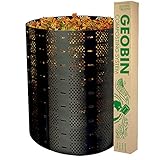
- Large capacity—expandable to 3.75 feet (237 gallon)
- Easy to assemble with closure keys. Easy to move. Easy to reassemble.
- The best value composting bin on the market.
- Excellent ventilation.
EPA distinguishes compost from dried or ground food-scrap outputs and from material produced through anaerobic digestion. These processes and products are not interchangeable, so an item accepted by one operation may not be accepted by another. If home composting is impractical, look for a local curbside or community food-scrap program and follow its instructions.
How do I set up and maintain a basic compost pile?
- Choose a location. Pick a well-drained spot that is accessible year-round and near a water source.
- Select a bin or pile format. A pile can be simple; a bin may be built from wire, wood, or masonry, or purchased as an enclosed bin, barrel, or tumbler.
- Layer the ingredients. Add two to three times the volume of browns—such as dry leaves—as greens such as food scraps.
- Manage moisture and air. Keep the pile damp, not waterlogged, and turn it to introduce air.
- Make materials easier to break down. Chop or break up tough pieces before adding them.
A lidded bin with gaps no larger than 1/4 inch can help limit pests. Bury food scraps in the pile and cover them with browns; maintaining the browns-to-greens balance and excluding animal products and greasy foods also helps discourage animals.
Rank #3

- ✅Speed Up Composing Process: More advanced models use rotating to bring oxygen to the center of the bin and paddles inside the chamber to help mix and aerate the composting materials when turned. These improvements or modifications are designed for one reason: to speed the composting process.
- ✅How do Compost Tumblers work? Simple. You load them with green and brown waste from your yard and kitchen. When full, you give them time to work, in other words, heat up. Turning a compost pile mixing the organic materials and the organisms it contains with heat-producing oxygen is the traditional method of keeping the process going full steam. By turning the tumbler, the organic materials are mixed and infused with fresh oxygen.
- ✅Easy to Access Finished Compost: Just Slide the door open and take the organic fertilizer out when the compost is ready. When a check reveals the compost is complete —and this can happen in a matter of weeks —the same access that allowed you to fill the tumbler lets you empty it. Now is the time to spread the results.
- ✅Dual-Bin Design: The dual bin design takes a different approach to the continuous-use composted concept, Two bins are set side-by-side into a single rotating chamber. Thickly insulated compartments conserve the heat generating by the decaying matter, and this greatly speeds the process. This design also allows you to add food waste to one chamber while the other is composting.
- ✅Totally Organic and Money-Saving: If you're looking for a fast, convenient way to compost your kitchen throw-outs, grass clippings, and organic yard waste, our outdoor kitchen compost bin is just right for you! The Compact Compost Tumbler quickly recycles it into nutrient-rich compost.
How can I troubleshoot a compost pile?
- Bad smell: The pile may be too wet or short on air. Add dry browns and turn it.
- The pile is not heating: Mix in greens and turn the pile.
Why compost food scraps?
EPA reports that the United States generated 66.2 million tons of wasted food in the retail, food-service, and residential sectors in 2019; 5% of that wasted food was composted. Separately, food made up 24.1% of U.S. municipal solid waste sent to landfills in 2018. When food is combined with yard trimmings, wood, and paper or paperboard, those materials represented 51.4% of municipal solid waste in landfills in 2018. These figures cover different years and measures.
Quick Recap
Best Value
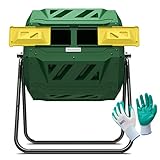
- ✅Speed Up Composing Process: More advanced models use rotating to bring oxygen to the center of the bin and paddles inside the chamber to help mix and aerate the composting materials when turned. These improvements or modifications are designed for one reason: to speed the composting process.
- ✅How do Compost Tumblers work? Simple. You load them with green and brown waste from your yard and kitchen. When full, you give them time to work, in other words, heat up. Turning a compost pile mixing the organic materials and the organisms it contains with heat-producing oxygen is the traditional method of keeping the process going full steam. By turning the tumbler, the organic materials are mixed and infused with fresh oxygen.
- ✅Easy to Access Finished Compost: Just Slide the door open and take the organic fertilizer out when the compost is ready. When a check reveals the compost is complete —and this can happen in a matter of weeks —the same access that allowed you to fill the tumbler lets you empty it. Now is the time to spread the results.
- ✅Dual-Bin Design: The dual bin design takes a different approach to the continuous-use composted concept, Two bins are set side-by-side into a single rotating chamber. Thickly insulated compartments conserve the heat generating by the decaying matter, and this greatly speeds the process. This design also allows you to add food waste to one chamber while the other is composting.
- ✅Totally Organic and Money-Saving: If you're looking for a fast, convenient way to compost your kitchen throw-outs, grass clippings, and organic yard waste, our outdoor kitchen compost bin is just right for you! The Compact Compost Tumbler quickly recycles it into nutrient-rich compost.
Rank #4

- Twin chambers: Two separate chambers allow one side to finish composting while leaving the other side available to add fresh wastes; Constant alternation of the two sides will create an uninterrupted stream of nutritious compost
- 360⁰ Tumbling Design: The rotating design prevents you from digging or mixing the pile by hand; And the deep fins on eight panels make it easier to turn the compost bin
- Excellent Aeration: Air vents can make the air fully circulate and will not cause an explosion due to excessive internal pressure; Deep fins can better break the clumps, which is conducive to the full fermentation of oxygen
- Sturdy & Durable Construction: Constructed of premium metal frame and high-quality pp plastic body, this tumbling composter is corrosion-resistant, weathering-resistant, sturdy, and durable for long-lasting service life
- Garden Gloves Included: The gloves that not only protect your hands from injury, but are also waterproof, making them easy to clean; With 4 durable ABS plastic claws for easy digging, planting and other gardening work
Product prices and availability are accurate as of the date/time indicated and are subject to change. Any price and availability information displayed on Amazon at the time of purchase will apply.
The Tool Desk
Outbyte PC Repair FREERepair Windows errors before they cause bigger problemsFix Now →Outbyte Driver Updater FREEScan for outdated or missing drivers - takes under a minuteDriver Scan →
