Some links on this page are affiliate links: if you buy through them we may earn a commission, at no extra cost to you.
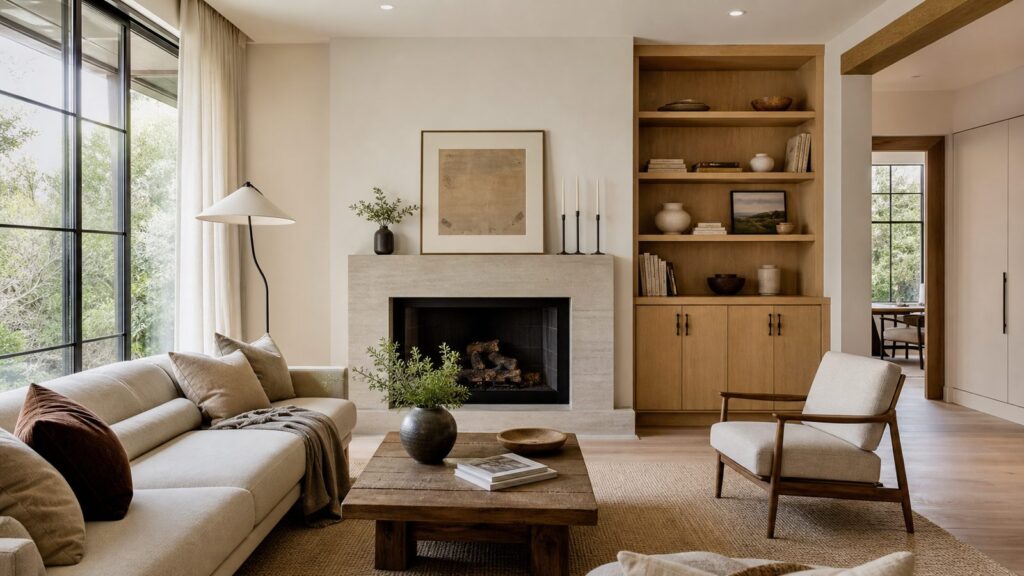
Minimalist decor in 2025 is moving away from sterile white rooms and toward warmer, more tactile spaces that still feel clean. The best version is not about owning less for the sake of it. It is about making fewer design decisions, making better ones, and building enough storage, lighting, and durable finish work that the home stays calm after real life moves back in.
On our job sites, the minimalist rooms that succeed usually have three things in common: a restrained palette with real contrast, storage planned before furniture is removed, and lighting designed in layers instead of relying on one overhead fixture. The rooms that fail usually look unfinished, underlit, or short on storage.
As an Amazon Associate I earn from qualifying purchases.
For 2025, the eight minimalist decor trends worth paying attention to are warm neutral palettes, hidden storage, natural wood and stone, limewash or plaster texture, layered lighting, sculptural but practical furniture, biophilic accents, and fewer but higher-quality built-ins and fixtures. Some are simple weekend updates. Others cross into remodeling and require a contractor, electrician, plumber, or permit.
1. Warm Neutral Palettes With Real Contrast
Warm minimalism starts with color, but not with a single flat beige room. A strong 2025 palette might use warm white walls, white oak cabinetry, honed stone, blackened bronze hardware, clay tile, or soft green accents. The goal is quiet contrast: enough variation that the room has depth, but not so many colors that every surface competes.
Popular on Amazon

- Replacement Soft White Bulbs: Make your home more energy efficient with our soft white LED light bulbs; Relax HD Light Bulbs offer a warm, soft white light that is perfect for comfortable moments and cozy spaces
- Enhanced Color: Experience the difference with bolder colors and enhanced contrast vs standard LED bulbs; Ideal soft white LED bulbs for home spaces like bedrooms, family rooms and dining rooms
- Dimmable Bulbs: Set the right mood and room decor for any occasion with these dimmable light bulbs; Dimmable LED light bulbs work with most dimmer switches and bring your home to life in high-definition light
- Cost Effective: Our improved and lasting energy-saving bulbs help lower energy costs more than 60-Watt incandescent bulbs over each bulb-s life span; Replaces 60W light bulbs using only 10 Watts (800 lumens)
- Long-Lasting: Save a bundle with this pack of LED soft white light bulbs that lasts for years, not months; These light bulbs are rated to last up to 13.7 years based on 3 hours of daily use
For walls, most homeowners do well with a warm white, cream, mushroom, taupe, greige, or muted clay tone. In a north-facing room, avoid cool whites that can read gray. In bright south-facing rooms, a slightly muted warm white can prevent glare. For minimalist interiors, we typically prefer washable matte or eggshell paint on walls, satin or semi-gloss on trim, and flat paint only on ceilings.
Cost and timeline
Interior painting is one of the highest-impact minimalist updates. In 2026 pricing, a typical interior painting project often lands around $1,000 to $3,000, with many room painting projects in the $400 to $1,600 range. Wall-only work is often priced around $2 to $6 per square foot. Costs increase with drywall repairs, high ceilings, trim, doors, built-ins, premium paint, furniture moving, and extensive masking.
A single room can often be painted in 1 to 3 days, depending on prep. A whole interior may take 1 to 2 weeks if trim, doors, ceilings, drywall repair, and multiple colors are included.
Builder’s checklist
- Cost level: Low to moderate, unless extensive repairs or trim painting are needed.
- DIY or pro: DIY is reasonable for one simple room. Hire a pro for high ceilings, stairwells, detailed trim, cabinets, or visible drywall flaws.
- Permit trigger: Paint alone usually does not require a permit.
- Material note: Use washable matte or eggshell paint in living areas and moisture-rated paint in baths and laundry rooms.
- Mistake to avoid: Choosing all finishes from tiny paint chips. Paint 2-foot by 2-foot samples and view them morning, afternoon, and night.
2. Hidden Storage That Makes Minimalism Livable
Minimalist rooms only stay minimal when the storage is designed first. Before removing furniture, open shelving, upper cabinets, or a closet system, count what has to live in the room. That includes shoes, small appliances, cleaning supplies, chargers, paperwork, pet gear, toys, towels, tools, bulk pantry goods, and seasonal items.
We often start with a storage audit. In a kitchen, that means measuring cookware, small appliances, pantry items, trash and recycling, and daily dish storage. In an entry, it means counting shoes, bags, coats, keys, mail, and sports equipment. In a family room, it means media gear, books, blankets, games, and device charging.
The 2025 version of minimalist storage favors slab-front cabinetry, appliance garages, drawer inserts, bench storage, full-height pantry cabinets, concealed mudroom cubbies, floating vanities, recessed medicine cabinets, and built-ins that look like architecture instead of furniture.
Free tools Windows power users keep installed
One-click scans. No signup required.
Cost and timeline
Basic storage inserts can cost a few hundred dollars per room. Semi-custom closet systems often run into the low thousands. Custom millwork, built-in benches, full-height cabinets, and media walls can move quickly into the $5,000 to $25,000-plus range depending on size, finish, hardware, and whether electrical work is included.
A simple closet or pantry upgrade may take 1 to 3 days after materials arrive. Custom millwork often requires field measurement, shop drawings, fabrication, finishing, delivery, and installation, so 4 to 10 weeks from design approval to completion is common.
Builder’s checklist
- Cost level: Low for inserts, moderate to high for custom built-ins.
- DIY or pro: DIY works for freestanding organizers and simple closet kits. Hire a pro for built-ins, scribed panels, electrical integration, wall-hung units, or cabinet-grade finishes.
- Permit trigger: Storage alone usually does not need a permit. Electrical outlets, lighting, plumbing relocation, or structural wall changes may.
- Material note: For painted built-ins, ask about cabinet-grade plywood or MDF with durable enamel finish. For wood, specify species, cut, stain, and sheen.
- Mistake to avoid: Removing upper cabinets or furniture before proving the remaining storage can handle daily use.
3. Natural Wood and Stone Instead of Flat White Surfaces
Natural materials are doing much of the work in warm minimalist homes. White oak cabinets, walnut vanities, honed marble, quartz, soapstone, limestone-look tile, rift-sawn shelving, and stone slab backsplashes bring texture without visual clutter. They also make simple rooms feel finished.
For kitchens and baths, durability matters as much as appearance. Quartz counters remain practical because they are consistent, low-maintenance, and available in quieter patterns. Natural stone can be beautiful, but it needs sealing and realistic expectations around etching, staining, and patina. Wood adds warmth, but it needs the right finish for its location. A bathroom vanity finish has to tolerate humidity. A kitchen island finish has to tolerate spills, cleaning, and daily contact.
PC Slower Than It Used to Be?
A free scan shows the junk files, broken settings and background clutter dragging Windows down - then fixes them in one click.Free scan · Windows 10 & 11Crashes, No Sound, or Screen Glitches?
Random freezes, missing sound and display glitches usually trace back to one bad driver. Find and replace yours safely.Free scan · under a minuteAlso popular on Amazon

- ✔ 2700K WARM YELLOWISH LIGHT: The A19 dimmable LED light bulbs give off 800 lumens of 2700k cozy color light. Easy installation with the standard medium screw base E26. NOTE: Please confirm the Kelvin (K) value. This is the most accurate way to select your desired light color. This bulb is 2700K light, which produces a WARM YELLOWISH light. It is not a Bright White or Daylight White bulb. If you prefer a whiter light, please consider our 4000k Cool White or 5000K Daylight options.
- ✔ENERGY EFFICIENT & LONG LASTING: Linkind A19 LED light bulbs can last for at least 13 years based on 3hrs/day of use. It provides up to 85% energy saving by replacing 60W incandescent light bulbs with 9W power. Replace your old incandescent bulbs for a brighter and more energy friendly home. ETL and FCC certification to guarantee great quality. No mercury. You can use Linkind’s products without any worry.
- ✔ SMOOTH DIMMING: Compatible with most LED dimmers to have smooth dimming. Dim to create your favorite brightness to control the look and feeling of your space. No buzzing, no humming, and no flickering.Tips: In order to avoid flickering, the LED dimmer is suggested. If with Halogen type dimmer, it may cause flickering or buzzing when on lower settings. Not compatible with 3-way lighting fixture or 3-way dimmer switch.
- ✔WIDE APPLICATION: Turns on instantly, no warm up time, 120V. The 2700K light creates a cozy & relaxing atmosphere. Offers a comfortable and yellowish light similar to traditional incandescent bulbs, perfectly and widely used in the home indoor lighting, hotel, meeting room, offices, hospital, schools, factories and more, depend on your personal preference. Suitable for use in totally enclosed luminaries.
- ✔ 【Reminder】:Color temperature, measured in Kelvin (K), determines the hue of white light. LOWER Kelvin values produce a WARMER, YELLOWER light, while HIGHER Kelvin values produce a COOLER, BLUER light.
On job sites, we pay close attention to edge profiles and seams. Minimalist design magnifies small details. A bulky counter edge, mismatched slab seam, uneven grout joint, or poorly aligned cabinet reveal is more noticeable in a quiet room than in a busy one.
Cost and timeline
Material upgrades vary widely. Cabinet refacing may be a moderate-cost option if the boxes are sound. New custom cabinetry, stone slabs, and large-format tile can be major investments. For broader cosmetic refreshes involving paint, flooring, fixture swaps, and minor finish upgrades, a rough planning range of $50 to $150 per square foot is common. Full renovations with layout changes or premium materials can exceed $300 per square foot.
Countertop replacement can often be completed in 2 to 4 weeks after templating and slab selection. Cabinetry can take 6 to 12 weeks or more depending on the shop, finish, and complexity.
Builder’s checklist
- Cost level: Moderate to high.
- DIY or pro: Hire a pro for stone, tile waterproofing, cabinetry, and finish carpentry. DIY can work for simple floating shelves if properly anchored.
- Permit trigger: Finish replacement alone may not need a permit. Plumbing, electrical, ventilation, structural changes, and shower waterproofing often change that.
- Material note: Ask for physical samples of wood, stone, tile, grout, and hardware in the same room lighting.
- Mistake to avoid: Picking a stone slab for color only. Check maintenance, edge detail, seam placement, and cleaning requirements.
4. Limewash, Plaster, and Mineral Texture
Texture is replacing decorative clutter. A single limewash wall, plaster fireplace, mineral-finish powder room, or softly textured bedroom can make a minimalist room feel warmer without adding more objects.
Do these 3 things before closing this tab:
1Repair Windows errors before they cause bigger problems2Fix the driver behind crashes, sound loss and screen glitches3Clear out junk files and repair common Windows errorsLimewash and plaster-style finishes work best when they are intentional and limited. One feature wall, one fireplace surround, or one small room is often enough. When every wall is heavily textured, the effect can become busy, expensive to repair, and harder to repaint later.
Surface prep is the part homeowners underestimate. Drywall may need primer, patching, sanding, and a compatible base coat. Existing gloss paint may need deglossing or bonding primer. Masonry, brick, plaster, and drywall each behave differently.
Cost and timeline
For limewash or mineral finish walls, 2026 cost references show an average around $1,950, with a broad range from about $150 to $6,000 or roughly $1.50 to $6 per square foot. In expensive metro markets or for specialty hand-applied plaster, bids can be higher. Wall size, prep, number of coats, primer, substrate, and contractor skill all matter.
A small accent wall may take 1 to 2 days. A full room or specialty plaster application can take several days, especially when drying time and multiple coats are required.
What’s actually slowing this PC down?
Pick the symptom - the matching free tool is one click away.
Builder’s checklist
- Cost level: Low for small DIY limewash tests, moderate for professional mineral finishes, high for specialty plaster.
- DIY or pro: DIY can work for small accent areas. Hire a pro for large walls, fireplaces, stairwells, bathrooms, or high-visibility spaces.
- Permit trigger: Decorative wall finish alone usually does not need a permit.
- Material note: Confirm whether the finish is washable, sealable, moisture-tolerant, and compatible with the existing wall surface.
- Mistake to avoid: Skipping a mockup. A 3-foot sample board can prevent an expensive whole-room disappointment.
5. Layered Lighting Instead of One Ceiling Fixture
Minimalist rooms need more lighting planning, not less. When there are fewer furnishings and fewer decorative objects, the lighting has to create depth. A good plan uses ambient light, task light, and accent light.
Ambient light is the general room light: recessed fixtures, a flush mount, a pendant, or cove lighting. Task light handles the work: under-cabinet lights, vanity sconces, reading lamps, desk lights, and kitchen island pendants. Accent light highlights shelves, art, niches, textured walls, toe-kicks, or architectural details.
Also popular on Amazon

- 【Dimmable & Versatile】Smoothly adjust brightness with TRIAC dimmer compatibility. Tailor your lighting from soft to bright, ideal for relaxing evenings or task-focused environments. Not compatible with smart dimmers
- 【Energy Efficient】Replaces 60W incandescent bulbs with only 9W LED, reducing energy consumption by up to 85%. Lower power bills while maintaining high-quality lighting
- 【Comfortable Warm Light】Delivers 800 lumens of cozy 3000K warm white light with CRI ≥80 and SDCM <6, offering natural and pleasant illumination for bedrooms, living rooms, and dining spaces
- 【Long-Lasting & Reliable】Enjoy up to 15,000 hours of lifespan—nearly 14 years based on 3 hrs/day. Fewer replacements, less hassle, more savings
- 【Certified & Eye-Safe】Flicker-free and UV/IR-free light. UL, FCC, LM79 certified. Damp-location rated, operating safely from -20°C to +45°C. Built with premium Bridgelux 2835 LEDs for stable performance
For color temperature, most homes feel best around 2700K to 3000K. Use 2700K for warm living spaces and bedrooms, and 3000K for kitchens, baths, closets, and task-heavy areas. Keep color temperature consistent within connected spaces. Dimmers should be specified early, and LED fixtures must be compatible with the dimmer type.
Cost and timeline
Fixture swaps can be simple. New recessed lighting, added circuits, under-cabinet lighting, wall sconces, and smart controls can involve drywall cutting, wiring, patching, painting, and inspection. Electricians are commonly cited around $50 to $130 per hour, with total project costs depending on access, attic or basement conditions, panel capacity, fixture count, and finish repair.
Quick wins for a faster PC:
Scan for outdated or missing drivers - takes under a minuteDriver Scan →Repair Windows errors before they cause bigger problemsFix Now →Fix the driver behind crashes, sound loss and screen glitchesFind Drivers →A small lighting update may take one day. A kitchen or whole-level lighting plan can take several days plus drywall repair and painting. If permits and inspections are required, add scheduling time.
Builder’s checklist
- Cost level: Low for lamp and fixture changes, moderate to high for rewiring and recessed layouts.
- DIY or pro: Hire a licensed electrician for new wiring, new boxes, recessed fixtures, dimmers tied to unfamiliar circuits, and wet-location fixtures.
- Permit trigger: New electrical work often requires a permit. Rules vary by city and state.
- Material note: Choose high-CRI LEDs, compatible dimmers, and wet- or damp-rated fixtures where required.
- Mistake to avoid: Placing recessed lights in a rigid grid without considering cabinets, furniture, art, mirrors, and work zones.
6. Sculptural Furniture That Still Does a Job
Minimalist furniture in 2025 is softer and more practical than the hard-edged pieces many people associate with the style. Rounded dining chairs, low-profile sofas, pedestal tables, simple upholstered beds, quiet nightstands, and clean-lined benches can create shape without clutter.
The key is proportion. A sculptural chair that blocks traffic is not successful. A low sofa that looks good but is hard to get out of will frustrate daily use. A beautiful pedestal dining table still needs enough knee clearance, chair space, and durability for meals.
Use dimensions before buying. Keep at least 30 to 36 inches for main walkways where possible. Around a dining table, allow roughly 36 inches from table edge to wall or furniture for chair movement, and more if it is a major path. For coffee tables, 16 to 18 inches from sofa edge is a practical target.
Cost and timeline
This category ranges from budget decor to serious investment. The practical advice is to spend on pieces touched every day: sofa, dining chairs, bed, desk chair, and entry bench. Save on occasional tables, decorative objects, and secondary pieces unless they solve a real function.
If using an interior designer or decorator, 2026 common pricing ranges are about $100 to $400 per hour depending on market and experience. Virtual consultations can run about $100 to $800. Traditional room or full-service design often ranges from about $2,000 to $15,000 before furnishings, with high-end whole-home work running much higher.
Builder’s checklist
- Cost level: Low to high depending on furniture quality.
- DIY or pro: DIY is fine for selection if you measure carefully. Hire design help for whole-room furnishing plans, custom pieces, or difficult layouts.
- Permit trigger: Furniture alone does not need a permit.
- Material note: Prioritize performance fabric, solid wood frames, repairable finishes, and replaceable cushions in high-use rooms.
- Mistake to avoid: Buying for a showroom photo instead of seat height, walkway clearance, cleaning, and family use.
7. Biophilic Accents With Restraint
Biophilic design is not just adding plants. In minimalist homes, it means better daylight, views, natural textures, plant life, wood, stone, water-resistant materials, and colors that connect to the outdoors. The strongest rooms use these details sparingly.
Good examples include a single oversized plant in a bright corner, a wood vanity with a stone counter, linen drapery that softens daylight, a window seat with storage, or a bathroom with natural tile and excellent ventilation. In kitchens and baths, organic design is especially strong because homeowners want spaces that feel clean, calm, and durable.
Recommended Free Tools
Also popular on Amazon

- 💡 Technical Features:Dimmable led light bulbs warm white 12 pack A19 LED bulb,9W 800 lumens (60W equivalent),warmwhite 3000K ,E26 base,Frosted,AC 120V,CRI 80+,Beam angle 230°,instant on, no warm-up time
- 💡 Energy Saving & Long-lasting:9W low power consumption, replaces traditional 60W bulbs, significantly reduces electricity costs. Average 15,000-hour lifespan minimizes replacement hassle. Comfortable lighting for living rooms, kitchens and home offices
- 💡 Dimmable light bulbs:A hassle-free swap for old incandescent bulbs. No breakable parts, no toxic chemicals, safe for your family, pets and the environment
- 💡 Eye-care & Eco-friendly:Flicker-free and non-dazzling light protects your eyes, whether you're reading, cooking, or working late. No lead, no mercury, no IR radiation. A clean choice for your home and the planet
- 💡 100% Quality Guarantee:2-year warranty. If you have any quality concerns or are not completely satisfied, contact us — we’ll make it right
Construction matters here. If you add plants to a bathroom with poor ventilation, you may also be adding moisture problems. If you enlarge a window, change a door, or add a skylight, that is no longer decor. It can involve framing, flashing, insulation, drywall, exterior finish repair, structural review, and permits.
Cost and timeline
Simple biophilic decor can be inexpensive: plants, wood accessories, natural fiber rugs, and linen window treatments. Construction-level changes vary widely. New windows, skylights, exterior doors, tile, waterproofing, and ventilation upgrades can become moderate or major projects.
For bathrooms and kitchens, contemporary, modern, minimalist, organic, and natural design directions are expected to remain strong over the next several years. That aligns with what we see from homeowners: they want clean lines, but they also want warmth and comfort.
Builder’s checklist
- Cost level: Low for decor, moderate to high for daylight, tile, window, or ventilation changes.
- DIY or pro: DIY works for plants and soft goods. Hire a pro for windows, skylights, exterior doors, bath fans, tile showers, and waterproofing.
- Permit trigger: Window enlargement, skylights, structural changes, electrical work, and many bath remodels may require permits.
- Material note: Use moisture-appropriate materials in baths, laundry rooms, and kitchens.
- Mistake to avoid: Treating natural materials as maintenance-free. Wood, stone, grout, and plants all need care.
8. Fewer, Better Built-Ins and Fixtures
The most refined minimalist homes usually spend money where people touch the house every day: cabinet hardware, faucets, switches, door levers, lighting controls, countertops, drawers, niches, benches, and built-in storage. These details make a simple room feel intentional instead of empty.
The Tool Desk
Outbyte Driver Updater FREEFix the driver behind crashes, sound loss and screen glitchesFind Drivers →Outbyte PC Repair FREERepair Windows errors before they cause bigger problemsFix Now →In 2025 minimalist design, this often means slab-front cabinets, integrated pulls, panel-ready appliances, wall-hung vanities, recessed medicine cabinets, curbless showers, large-format tile, simple trim, flush transitions, and clean built-in shelving. These are not just decor choices. They affect rough framing, electrical boxes, plumbing locations, tile layout, waterproofing, ventilation, and inspection timing.
We recommend mockups for minimalist details. Test shelf thickness, cabinet pulls, grout color, trim profiles, reveal lines, paint sheen, and tile layout before repeating them across a room. Minimalist work has fewer distractions, so small alignment errors stand out.
Cost and timeline
A hardware swap might cost a few hundred dollars. A wall-hung vanity, recessed cabinet, or built-in bench can cost several thousand once carpentry, plumbing, electrical, drywall, tile, and finish work are included. A full kitchen, bath, or whole-home renovation can exceed $300 per square foot when layout changes, premium materials, and multiple trades are involved.
As a broad financing-oriented benchmark, a 2026 whole-home remodel average is often cited around $52,275 for a 1,250 to 1,600 square foot U.S. home, with small changes around $3,000 and major projects reaching $190,000 or more. Local bids matter more than national averages, but the benchmark helps set expectations.
Builder’s checklist
- Cost level: Low for hardware, high for built-ins and fixture relocations.
- DIY or pro: DIY is reasonable for simple knobs and pulls. Hire a pro for millwork, plumbing, electrical, tile, waterproofing, and wall-hung fixtures.
- Permit trigger: Plumbing, electrical, structural, ventilation, and many kitchen or bath remodels can trigger permits.
- Material note: Spend on durable touch points: faucets, hinges, drawer slides, switches, counters, and shower systems.
- Mistake to avoid: Ordering fixtures before rough-in dimensions are confirmed by the trades.
2026 Cost Guide for Minimalist Updates
Minimalist decor can be inexpensive when it is mostly paint, lighting, decluttering, and hardware. It becomes remodeling when walls, wiring, plumbing, cabinetry, waterproofing, flooring, or ventilation are involved. The table below gives practical planning ranges for U.S. homeowners using current 2026 cost context.
| Project Type | Typical 2026 Planning Range | Common Timeline | Likely Pro Needed? |
|---|---|---|---|
| Single-room paint refresh | $400-$1,600 | 1-3 days | Optional |
| Interior painting project | $1,000-$3,000 typical; broader projects $350-$8,000 | Several days to 2 weeks | Often |
| Limewash or mineral wall finish | About $1.50-$6 per sq. ft.; average around $1,950 | 1-5 days | Optional to recommended |
| Designer or decorator consultation | $100-$400 per hour; virtual consults about $100-$800 | 1 day to several weeks | Optional |
| Light cosmetic refresh | Roughly $50-$150 per sq. ft. | 1-6 weeks | Often |
| Full renovation with premium finishes or layout changes | Can exceed $300 per sq. ft. | 2-6 months or more | Yes |
| Whole-home remodel benchmark | Average around $52,275; major projects $190,000+ | Several months | Yes |
When to DIY and When to Hire a Pro
DIY is a good fit when the work is cosmetic, reversible, and low-risk. Painting a simple bedroom, changing cabinet knobs, styling shelves, adding plug-in lamps, installing drawer organizers, or swapping soft goods can be handled by many homeowners with patience and basic tools.
Hire a pro when the work affects electrical wiring, plumbing, structure, waterproofing, ventilation, gas lines, exterior openings, stair railings, egress, or built-in cabinetry. Also hire help when the finish quality will be highly visible. Minimalist design has little tolerance for crooked tile, wavy drywall, poor paint prep, or uneven cabinet reveals.
Also popular on Amazon
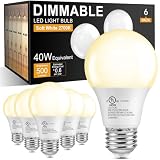
- Dimming Range 10%-100%: Dimmable LED light bulbs compatible with most LED dimmers for smooth dimming. Compatibility Note: Best performance with LED dimmers. May flicker with halogen dimmers at low settings. Not for 3-way fixtures. Adjust brightness to control your space's look and feel
- Enery Saving & Long Lifespan: E26 standard bulbs save energy with estimated annual cost of only $0.60 and last 15,000+ hours (based on 3 hrs/day). Replace 40W incandescent bulbs with just 5W—saving up to 90% energy. Upgrade to a brighter, more energy-efficient home today
- 2700K Soft Warm White for Eye Comfort: A19/A60 regular LED bulbs emit 500 lumens of 2700K cozy warm yellow tone light. Provide gentle, eye-friendly illumination with CRI 80+. Perfect for living rooms, bedrooms, kitchens, dining rooms, hotels, restaurants, offices, retail spaces—creating a warm, cozy ambiance
- Any E26 Fixture & Any Room: 120V E26 base fits most fixtures for easy installation—ideal for ceiling fan lights, floor lamps, table lamps, pendant lights, wall sconces, vanity mirrors, chandeliers, sputnik lamps. Perfect for every room
- Safety Certified & Worry-Free Service: UL Listed, FCC and RoHS compliant to ensure safe and dependable performance. TJOY backs these A19 LED bulbs with a 1-year warranty—any issue within one year will be resolved with a prompt replacement or refund, no hassle
General contractors are commonly cited around $50 to $150 per hour, electricians about $50 to $130 per hour, and plumbers about $45 to $200 per hour. Hourly rates are only part of the picture. Access, licensing, inspections, parking, old-home surprises, material lead times, and schedule pressure all affect the final cost.
Do these 3 things before closing this tab:
1Repair Windows errors before they cause bigger problems2Fix the driver behind crashes, sound loss and screen glitches3Clear out junk files and repair common Windows errorsSafety, Permits, and Older Homes
Permit rules vary by city, county, and state. As a practical rule, paint, furniture, hardware, and freestanding decor usually do not need permits. New electrical work, plumbing changes, wall removals, window enlargement, structural framing, many kitchen and bath remodels, and some ventilation work often do.
Older homes deserve special caution. For paid renovation, repair, and painting work in pre-1978 housing, federal lead-safe work rules can apply when painted surfaces are disturbed above rule thresholds. Contractors working on those homes may need to follow certified lead-safe practices. That can affect containment, cleanup, schedule, and cost.
Minimalist remodeling can also expose hidden problems: uneven framing, old wiring, damaged drywall, subfloor issues, poor ventilation, asbestos-containing materials, and past unpermitted work. Keep a contingency in the budget. For older homes, 10% to 20% is a practical starting point, and more may be needed for major remodels.
How to Make Minimalism Feel Finished, Not Empty
The best minimalist homes are edited, not bare. Use a restrained palette, then add warmth through wood, stone, linen, wool, handmade tile, limewash, plants, and layered light. Keep the number of statement pieces low, but make each one useful.
What’s actually slowing this PC down?
Pick the symptom - the matching free tool is one click away.
Before ordering materials, coordinate the trades. Built-ins, recessed lighting, panel-ready appliances, wall-hung vanities, stone slabs, curbless showers, and niche lighting all depend on correct rough-in sequencing. A cabinet installer, electrician, plumber, tile setter, and countertop fabricator may all need exact dimensions before the first finished surface goes in.
If you want the 2025 minimalist look to hold up, spend less energy chasing a perfectly empty room and more energy building a room that functions cleanly. Storage, lighting, durable materials, and precise finish work are what make warm minimalism last after the photos are taken.
Frequently Asked Questions
What is the biggest minimalist decor trend for 2025?
Warm minimalism is the strongest direction: warm neutral colors, natural wood, stone, concealed storage, soft texture, and layered lighting instead of stark white rooms.
How much does it cost to make a room look minimalist?
A basic room refresh with paint, lighting, hardware, and decluttering may cost a few hundred to a few thousand dollars. Professional room painting commonly runs $400-$1,600, while larger cosmetic updates can reach $50-$150 per square foot.
Does minimalist remodeling require a permit?
Decor changes usually do not. Permits may be required for new electrical work, plumbing changes, wall removal, window changes, ventilation, structural framing, and many kitchen or bathroom remodels. Local rules control.
Is limewash practical for a minimalist home?
Yes, when used selectively. One accent wall, fireplace, powder room, or bedroom wall can add warmth without clutter. Expect roughly $1.50-$6 per square foot in many cases, with prep and specialty labor affecting cost.
How do you keep minimalist rooms from feeling cold?
Use warm whites, wood, stone, linen, wool, soft green or clay accents, dimmable lighting, and enough closed storage. Minimalist rooms need texture and contrast, not just fewer objects.
Quick Recap
Product prices and availability are accurate as of the date/time indicated and are subject to change. Any price and availability information displayed on Amazon at the time of purchase will apply.

