Recommended Free Tools
Some links on this page are affiliate links: if you buy through them we may earn a commission, at no extra cost to you.
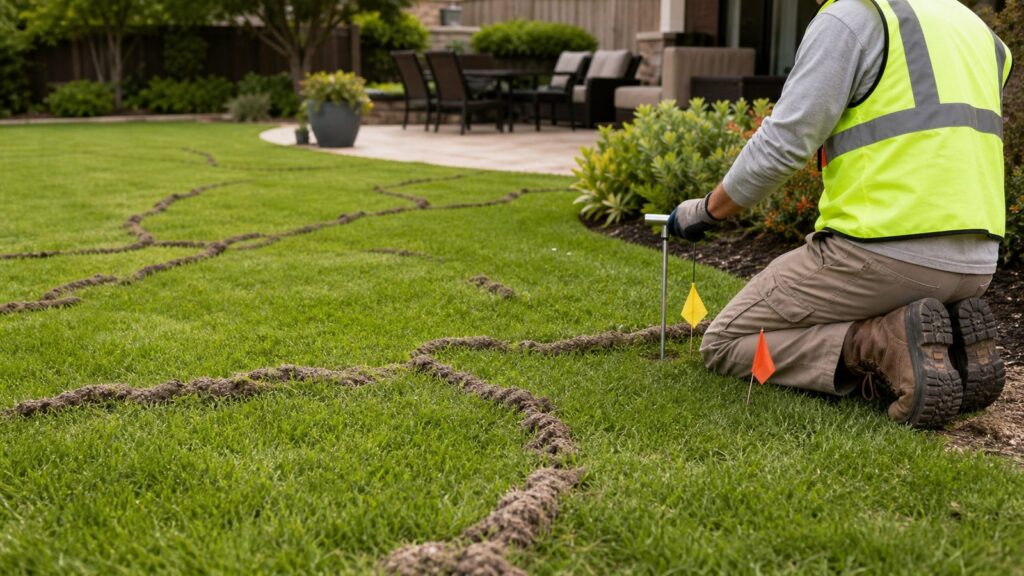
Moles are not eating your grass roots, but they can still wreck a yard. Their raised tunnels lift turf, dry out roots, create trip hazards, and leave soft spots that settle under mower wheels, new sod, walkways, and planting-bed edges. The fastest reliable fix is not a bag of grub killer or a handful of home remedies. It is a practical sequence: confirm the animal is a mole, find the active travel tunnels, set proper mole traps, repair the disturbed soil after activity stops, and correct the moisture and grading conditions that keep inviting shallow tunneling.
On our job sites, we treat mole damage as both a pest issue and a site-condition issue. Pest control removes the animal. Construction-minded repair fixes the voids, grade, drainage, and edges that otherwise keep failing. If you only flatten the tunnels, the lawn usually looks better for a week and then scalps, sinks, or dries out. If you only chase the mole without repairing the soil, the yard stays uneven. The best result comes from doing both.
First, Make Sure You Actually Have Moles
Before buying traps or repellents, identify what is causing the damage. Moles, voles, gophers, chipmunks, ground squirrels, and drainage washouts can all leave holes or raised soil. They require different fixes.
As an Amazon Associate I earn from qualifying purchases.
Moles are insectivores. They feed on earthworms, grubs, beetle larvae, and other soil organisms. They usually create raised surface runways that look like narrow ridges under the turf, plus occasional volcano-like mounds of loose soil. The grass may yellow where roots are lifted or exposed, but the mole is not eating the turf itself.
Gophers are different. They eat plants and roots, and they often leave fan-shaped soil mounds with a plugged hole off to one side. Voles are also different. They make small surface paths through turf or mulch, often with clipped grass and little open holes. If you see gnawed stems, damaged bulbs, or plants pulled from below, do not assume the problem is moles.
Popular on Amazon
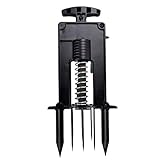
- DESIGNED FOR MOLES: The Victor DeadSet Mole Trap quickly and effectively kills moles inside their tunnels
- EASY TO SET TRAP: Just insert in the ground, step on the foot pegs to set the trap firmly in place, and raise the handle to set the mole trap
- SENSITIVE TRIGGER: The precision-built triggering system is activated by the slightest underground movement, ensuring precise kills
- PEACE OF MIND: The mole trap’s moving parts are hidden below ground, away from children and pets
- ERGONOMICALLY DESIGNED TRAP: The easy-grip handle allows for quick setting and the oversized activator plate can be pushed into the tunnel by hand or foot
Quick Field Diagnosis
- Moles: raised surface ridges, soft tunnels under turf, volcano-like mounds, no obvious plant chewing.
- Gophers: larger fan-shaped mounds, plugged burrow openings, plant roots disappearing or being eaten.
- Voles: small open holes, clipped grass trails, shallow runways through turf, mulch, or snow cover areas.
- Drainage washouts: sunken soil, erosion channels, loose soil near downspouts, slopes, or hardscape edges after heavy rain.
If you are unsure, take photos of the mound, the tunnel, and the surrounding yard before disturbing it. A good diagnosis saves money. Treating a vole or gopher problem like a mole problem can waste several weeks and leave the real damage source untouched.
Find the Active Tunnels Before You Set Anything
Most failed mole-control attempts start with traps or products placed in random tunnels. Moles build both feeding tunnels and main travel tunnels. Feeding tunnels may be used once and abandoned. Main runways are the high-value locations.
Main runways commonly follow edges: driveways, sidewalks, patios, fences, retaining walls, foundations, planting beds, compacted soil boundaries, and the line between irrigated lawn and softer beds. We see this often around new hardscape work because edge conditions change soil density and moisture. A mole will use those transition zones like a route map.
The 48-Hour Active Tunnel Test
Use this test before every trap setup or reset:
- Walk the yard and mark 5 to 10 likely tunnel sections with small flags or landscape paint.
- Step down a 12-inch section of each raised runway until it is flat, or poke a small hole through the top of the tunnel.
- Check the marked spots in 24 to 48 hours.
- If the tunnel is raised again or the hole is repaired, that tunnel is active.
- Prioritize active tunnels that are straight, firm-sided, and near permanent edges.
In a small suburban yard, you may only need two or three active locations. On a larger property, expect to test several areas. Rutgers-style guidance commonly points homeowners toward multiple traps when activity is more than light, roughly 3 to 5 traps per acre in main runway areas. For a typical quarter-acre lot, that usually means two traps set well are more useful than six traps set randomly.
The Best Way to Get Rid of Moles: Proper Trapping
Research-based extension guidance consistently puts trapping in active tunnels at the top of the list. It is direct, measurable, and does not depend on wishful thinking. The key is using a trap designed for moles and setting it in a tunnel the mole is actually using.
Quick wins for a faster PC:
Repair Windows errors before they cause bigger problemsFix Now →Fix the driver behind crashes, sound loss and screen glitchesFind Drivers →Clear out junk files and repair common Windows errorsFree Scan →Common mole trap styles include scissor-jaw, harpoon, and choker-loop traps. Each works only when installed according to its design. Follow the product instructions exactly, wear gloves, and keep children and pets away from the area. Many traps are powerful enough to injure a hand or paw.
When to Trap
Moles are easiest to target when soil is moist and workable. In many parts of the U.S., that means spring and fall. In dry periods, the best activity may show up after irrigation or rain. When soil is soft, earthworms and insects move closer to the surface, and moles often follow with shallow tunnels.
Check traps at least once per day, or as required by local rules and the trap label. If a trap has not produced results after 48 hours and the tunnel test shows no fresh repair, move it to a better active runway. Do not keep waiting in a dead tunnel.
Practical Setup Tips
- Set traps on active main runways, not loose mounds or random surface ridges.
- Use two traps back-to-back in a straight tunnel when possible, so the mole is covered from either direction.
- Keep the tunnel shape intact enough that the mole continues through the trap zone.
- Block light leaks around the trap with soil, sod, or a small cover if the trap style requires it.
- Flag every trap location so it is visible to adults, crews, and maintenance workers.
Expect several days to a week for a straightforward residential problem, assuming the active tunnel is found quickly. Larger lots, wooded edges, and properties with multiple tunnel systems can take longer. Complete elimination is not always realistic, especially where neighboring lawns, fields, or wooded areas provide constant habitat.
Also popular on Amazon

- SWIFT MOLE MASTERY: Our scissor-like traps have garnered acclaim for swiftly and efficiently tackling mole invasions. Customers have successfully caught multiple moles, making them the top choice for effective mole control. Works best in moist, loose to moderately firm soil.
- ELEVATE YOUR SETUP GAME: While a bit of finesse is required, our traps reward you with unmatched efficiency. Key tips include pushing down the tunnel before setup and ensuring the trigger sits flat, enhancing overall effectiveness in mole capture.Note: setting requires firm downward foot pressure — easier on soft or moist ground. For hard or clay soil, loosen the soil between the jaws first(Check the nuts on the side of the trap to make sure they are not too tight)
- CRAFTED FOR DURABILITY: Dive into worry-free mole control with our traps—built tough for lasting impact. Embrace the outdoors without fear of mole-induced damage, as our sturdy design ensures your garden stays pristine, offering a lasting remedy to mole-related concerns
- FAMILY-SAFE DESIGN: No poison worms, Peanut Poison or powder repellents. Our scissor mole traps prioritize safety with setup and a family-safe design. Locate the active main tunnel (confirm activity by pressing the tunnel and checking if it rebuilds within 24 hrs), set the trap, and wait for results while ensuring a secure environment, especially for children and pet.( with 2 flags for easy found)
- OUR SUPPORT: It comes with a free pest control consulting service and a three-year warranty. WARM TIP: Just make sure to use gloves when setting this mole trap, since moles have an excellent sense of smell
Methods That Are Overrated, Unsafe, or Situational
Some mole products can help in narrow situations, but many popular remedies are unreliable. The more extensive the tunnel network, the less likely a passive product is to solve the problem by itself.
Grub Killer Is Not a Mole Solution
Grub control is often oversold. Moles eat grubs, but they also eat earthworms and many other soil organisms. A lawn can have no serious grub infestation and still have moles. Killing grubs may reduce one food source, but it will not reliably remove moles, and unnecessary insecticide use can damage the soil ecology that supports healthy turf.
Use grub treatment only when you have confirmed a grub problem. A common check is to cut and lift a 1-square-foot section of turf in several damaged areas and count the grubs in the root zone. If the grass is not peeling back and you are not finding damaging grub numbers, mole control should focus on trapping and site conditions instead.
Castor-Oil Repellents Can Help, But They Are Not Magic
Castor-oil repellents may discourage mole activity in limited areas when applied at label rates, watered in properly, and repeated after rain or irrigation. They work better as pressure after removal, or as a way to discourage moles from moving into a small protected zone, than as a fast fix for an established tunnel system.
Do these 3 things before closing this tab:
1Repair Windows errors before they cause bigger problems2Scan for outdated or missing drivers - takes under a minute3Clear out junk files and repair common Windows errorsFor example, treating a 2,000- to 5,000-square-foot side yard or a new sod edge can be reasonable. Trying to push moles out of a full acre with repeated hose-end applications can become expensive and inconsistent.
Skip the Home Remedies
Chewing gum, mothballs, gasoline, broken glass, ultrasonic stakes, and flooding tunnels are common suggestions. They are poor construction and pest-control practice. Some are ineffective, some are hazardous, and some can violate pesticide, fuel, wildlife, or environmental rules. Flooding can also worsen settling near patios, walks, slabs, and foundation-adjacent planting beds.
What Mole Removal Costs in 2026
Costs vary by region, lot size, soil conditions, number of active tunnels, and whether lawn repair is included. For 2026, professional mole or gopher removal commonly falls between about $100 and $550 nationally, with many ordinary mole jobs landing around $300 to $500 and an average near $400. Large, complex, or repeated-service properties can reach $750 or more before turf repair.
DIY is cheaper up front, but only if you correctly identify active tunnels and handle traps safely. A homeowner may spend $20 to $150 on traps and supplies. Professional service costs more because the provider is charging for diagnosis, trap placement, return visits, removal, and liability.
The Tool Desk
Outbyte Driver Updater FREEFix the driver behind crashes, sound loss and screen glitchesFind Drivers →Outbyte PC Repair FREERepair Windows errors before they cause bigger problemsFix Now →| Option | Typical 2026 Cost | Best For | Limitations |
|---|---|---|---|
| DIY mole traps | $10-$60 per trap; many yards need 2-4 traps | Small yards, clear active tunnels, no pets or children near trap areas | Requires correct placement and daily checking |
| Castor-oil repellent | $20-$50 per treatment container, often repeated | Small zones, post-removal discouragement, new sod edges | Less reliable as a stand-alone fix for established tunnels |
| Professional mole removal | Usually $100-$550; common jobs $300-$500 | Repeated activity, large lots, difficult tunnel networks, safety concerns | May not include lawn repair or drainage correction |
| Per-mole service pricing | Example structure: $130 setup plus $95 per mole caught | Properties where pricing is tied to results | Final cost depends on number of moles and visits |
| Lawn repair after control | Reseeding heavy damage often $400-$1,600; sod, topsoil, grading, and irrigation repairs add more | Settled tunnels, scalped turf, new sod, visible grade damage | Can cost more than removal if damage is widespread |
The number homeowners miss is repair cost. If tunnels run under new sod, paver edges, walkways, patios, retaining-wall backfill, or foundation planting beds, the job is no longer just pest control. You may need topsoil, compaction, regrading, edge restraint repair, irrigation adjustment, or drainage correction.
Also popular on Amazon
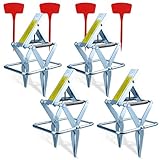
- COMPLETE SET: Package includes 4 heavy-duty scissor-style mole traps with red marking flags for easy visibility and location tracking
- EFFECTIVE DESIGN: Spring-loaded mechanism delivers quick and precise triggering when moles pass through their underground tunnels
- DURABLE CONSTRUCTION: Made from strong metal materials that withstand outdoor conditions and repeated use in garden environments
- EASY SETUP: Simple scissor-style design allows for straightforward installation directly into mole tunnels with minimal ground preparation
- SAFETY FEATURES: Includes visible red markers for trap identification and built-in safety mechanisms for careful handling and placement
How to Repair the Lawn After Moles Are Gone
Do not repair aggressively while active tunneling continues. You will waste labor and seed. Once activity has stopped for several days and your active-tunnel test stays quiet, repair the soil from the bottom up.
Basic Tunnel Repair
- Collapse raised tunnels by walking them down or using a lawn roller no heavier than necessary. Avoid compacting wet soil into a hard pan.
- Open sunken or soft sections with a rake and add screened topsoil where voids remain.
- Lightly compact the added soil so it does not settle 1 inch after the first rain.
- Restore the final grade flush with surrounding turf, not mounded high.
- Seed or sod the area based on season, turf type, and size of damage.
- Water lightly and consistently until roots establish, without keeping the soil swampy.
For seed, loosen the top 1/4 to 1/2 inch of soil, apply seed at the label rate, rake it in lightly, and use clean straw or erosion mat only where needed. For sod, remove loose debris, set the soil grade so the sod surface matches the surrounding lawn, press seams tight, and roll lightly after installation.
Repair Around Walkways, Patios, and Edges
Mole tunnels near hardscape deserve closer attention. A tunnel under the edge of a paver walk can create a soft shoulder. A tunnel along a patio can let bedding sand or topsoil migrate. A tunnel in loose retaining-wall backfill can add to surface settlement after rain.
Free tools Windows power users keep installed
One-click scans. No signup required.
For small edge voids, pull back turf or mulch, add compactable soil in 2- to 3-inch lifts, tamp each lift, and restore the surface grade. If pavers have dropped, the repair may require lifting the affected units, rebuilding the base, resetting edge restraint, and re-sanding joints. If a walkway or patio is sloping toward the house, treat that as a drainage issue, not a mole issue.
How to Keep Moles Away Long Term
Prevention is mostly site management. You do not need to eliminate all earthworms, and you should not try. Healthy soil contains living organisms. The goal is to make your yard less attractive for shallow tunneling and less vulnerable to damage when wildlife passes through.
Manage Water First
Soft, moist soil encourages shallow mole activity. Start with water sources you can control:
- Extend downspouts so roof water discharges at least 5 to 10 feet from the foundation where site conditions allow.
- Correct low spots that hold water for more than 24 to 48 hours after rain.
- Adjust irrigation heads that overspray planting beds, sidewalks, fences, and foundation edges.
- Water established lawns deeply but less often instead of running short daily cycles.
- Keep mulch from piling against turf edges and staying constantly wet.
For many lawns, 1 inch of total water per week from rain and irrigation is enough during active growing periods, though turf type, soil, heat, and local restrictions matter. Constantly wet soil near the surface is a mole invitation and a construction problem. It weakens turf roots, increases settlement, and can push water toward slabs and foundations.
What’s actually slowing this PC down?
Pick the symptom - the matching free tool is one click away.
Build and Maintain Dense Turf
Dense turf will not stop moles by itself, but it tolerates disturbance better. Aerate compacted lawns when appropriate, topdress thin areas, seed at the right time for your grass type, and mow at a height that supports root depth. For many cool-season lawns, that means roughly 3 to 4 inches. Scalped grass exposes ridges faster and dries out lifted roots sooner.
Use Barriers Only Where They Make Sense
Underground barriers can work for small, high-value zones, but whole-yard barriers are usually not practical. Consider localized buried mesh for raised beds, playground turf, new sod edges, or along vulnerable hardscape transitions.
Also popular on Amazon
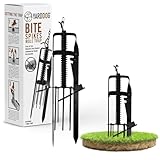
- EASY TO USE PLUNGER STYLE TRAP: Step into a mole-free yard with our bite spikes mole Exterminator trap. Designed for effortless setup with no digging required, this commercial-grade ground mole trap ensures fast and effective results.
- POWERFUL AND RELIABLE MOLE CONTROL: The YARDDOG mole traps for lawns deliver precision with their scissor-style mechanism, making them an ideal mole Exterminator trap for gardens, lawns, and more. Built tough to stand up to repeated use.
- DURABLE STEEL DESIGN: Crafted from heavy-duty coated steel, this mole scissor trap resists rust and wear, offering years of dependable performance. A reusable solution that protects your yard naturally.
- IDEAL SIZE FOR EFFICIENT SETUP: our mole traps are compact yet powerful. The easy step design allows for quick placement, making it an effective tool for any homeowner. making it easy to integrate the traps into your existing lawns or garden .
- YARDDOG: HERE TO PROTECT YOUR YARD: At YARDDOG, we understand how frustrating mole damage can be. That’s why we’ve designed a ground mole trap that’s simple, effective, and built to help you reclaim your outdoor space with confidence.
A typical small-zone barrier uses galvanized hardware cloth or similar durable mesh with openings small enough to exclude burrowing. It must be buried deep enough and tied into the edge detail so animals cannot simply go around it. For a planting bed, that may mean lining the bottom and sides before soil goes in. For a hardscape edge, it may mean coordinating the mesh with base prep, drainage fabric, and edge restraint. Retrofitting these details after the fact is much harder.
Independent reader supportYour contribution helps us test, update, and keep practical guides available for everyone.When to DIY and When to Hire a Pro
DIY mole control is reasonable when the yard is small, the tunnels are easy to identify, local rules allow the trap type, and you can keep children and pets away from trap locations. A homeowner who is comfortable following trap instructions can often handle a light mole problem for under $150 in tools and supplies.
Hire a professional when the problem is repeated, the property is large, you have pets or children using the yard daily, traps would be near public sidewalks, or you have damage near patios, walks, retaining walls, slabs, or foundation-adjacent soils. A pro is also the better choice if you are considering any bait, fumigant, or pesticide product. Labels, state registration, and non-target wildlife risks matter.
For construction sequencing, remove active moles before final grading, sod installation, paver installation, or planting-bed finish work. Then collapse tunnels, compact disturbed soil, restore grade, and install finish materials. Laying sod over active tunnels is asking for seams to dry out, settle, and telegraph ridges within weeks.
Safety, Label, and Legal Notes
Mole-control rules vary by state and sometimes by product. Traps, toxic baits, fumigants, and carbon monoxide devices may be regulated differently depending on where you live, the target animal, the site, and whether the user is licensed. Always follow the product label and state requirements. The label is not a suggestion; it controls where and how a pesticide or fumigant can be used.
Be especially cautious with bait or fumigant products around children, pets, vegetable gardens, wells, drainage paths, and wildlife habitat. Do not place bait unless the label allows use for moles at that site. Do not use mothballs, gasoline, smoke bombs, or exhaust in tunnels as improvised treatments. Besides being unreliable, they can create fire, inhalation, soil contamination, and legal problems.
Windows Errors? Fix Them Before They Spread
Repair common Windows errors and clear accumulated junk for a smoother, more stable PC - no reinstall needed.Free scan · no reinstallCrashes, No Sound, or Screen Glitches?
Random freezes, missing sound and display glitches usually trace back to one bad driver. Find and replace yours safely.Free scan · under a minuteIf you live in a state with nuisance wildlife restrictions, confirm what is allowed before trapping or relocating animals. Relocation is often restricted and can be harmful or illegal. When in doubt, call your state wildlife agency, local extension office, or a licensed nuisance wildlife control operator.
A Practical Mole-Control Plan for Homeowners
Here is the sequence we would use on a residential property before repairing turf or finishing landscape work:
- Day 1: Photograph and identify the damage. Confirm it looks like moles, not voles, gophers, or washout.
- Day 1: Map likely main runways along edges, fences, walks, patios, beds, and compacted soil transitions.
- Day 1-3: Run the 48-hour active tunnel test.
- Day 3: Set mole traps in active main runways, using two opposing traps where practical.
- Day 4-10: Check traps daily and move unproductive traps after 48 hours if the tunnel is inactive.
- After activity stops: Collapse tunnels, fill voids, lightly compact soil, restore grade, and seed or sod.
- Next 30 days: Correct irrigation overspray, downspout discharge, soggy beds, low spots, and loose hardscape edges.
- Seasonally: Monitor new ridges after rain or irrigation and test before treating again.
That sequence is not flashy, but it works because it addresses the real problem. Moles are moving through a soil system. The more carefully you read that system, the less money you waste on products that never touch the active tunnel.
Also popular on Amazon

- PREMIUM BLACK STAINLESS STEEL CONSTRUCTION- Crafted from high-quality black stainless steel, our mole traps offer superior durability and corrosion resistance, ensuring long-lasting performance even in the toughest soil conditions
- EASY-SET DESIGN FOR QUICK INSTALLATION- POlAFLEX mole traps feature an intuitive, user-friendly mechanism that allows for quick and safe setup without the need for digging or complex tools, saving you time and effort
- POWERFUL SPRING ACTION FOR EFFECTIVE MOLE CONTROL- Equipped with a robust spring mechanism, these traps deliver immediate and humane results, effectively trap moles from your lawn or garden
- REUSABLE AND ECOFRIENDLY SOLUTION- Designed for multiple uses, our traps provide a cost-effective and environmentally friendly alternative to chemical repellents, ensuring safety for your family and pets
- OUR SUPPORT- It comes with a free pest control consulting service. WARM TIP: Just make sure to use gloves when setting this mole trap, since moles have an excellent sense of smell
The Bottom Line
The best way to get rid of moles in a yard is to trap active main runways, not chase every ridge. Confirm the pest, test tunnels for 24 to 48 hours, set the right traps, and repair the grade only after activity stops. Repellents may help protect small areas, but grub killer and home remedies are not reliable mole-control plans.
For a durable fix, look beyond the animal. Manage water, correct low spots, maintain dense turf, protect vulnerable hardscape edges, and sequence pest control before sod, pavers, or final grading. That is how you turn a lumpy, soft lawn back into a stable yard instead of repeating the same repair every season.
Frequently Asked Questions
What is the fastest way to get rid of moles in a yard?
The fastest reliable method is trapping in active main runways. Tamp down several tunnel sections, check them after 24 to 48 hours, then set mole traps only where the tunnel has been repaired.
How do I know if I have moles, voles, or gophers?
Moles usually make raised surface tunnels and volcano-like mounds. Gophers often leave fan-shaped mounds and damage plant roots. Voles make small open holes and clipped surface paths through grass or mulch.
Does killing grubs get rid of moles?
Usually not. Moles eat grubs, but they also eat earthworms and other soil organisms. Grub control should only be used when grubs are confirmed, not as the main mole-control strategy.
What’s actually slowing this PC down?
Pick the symptom - the matching free tool is one click away.
How much does professional mole removal cost in 2026?
Professional mole removal commonly costs about $100 to $550, with many typical jobs around $300 to $500. Large or complex properties can exceed $750 before lawn repair.
Do castor-oil mole repellents work?
They can help in limited areas when applied at label rates and watered in, but they are less reliable as a stand-alone fix for established tunnel systems. They are better for discouragement after removal.
Can moles damage patios, walkways, or foundations?
Moles do not chew concrete or foundations, but their tunnels can loosen soil near paver edges, walks, patios, retaining-wall backfill, and planting beds. That can contribute to settlement and uneven surfaces.
Quick Recap
Product prices and availability are accurate as of the date/time indicated and are subject to change. Any price and availability information displayed on Amazon at the time of purchase will apply.

