Danish oil, lacquer, and shellac are three dependable alternatives to polyurethane. Danish oil brings out grain with a soft, tactile feel; lacquer creates a smooth film quickly and is easy to repair; shellac provides a warm, natural-looking sealer with excellent adhesion. The right choice depends on the wear, moisture, appearance, and working conditions your project will face.
How the three finishes differ
Finish performance is easiest to understand by separating appearance, film formation, protection, application, and repair. Danish oil penetrates the wood instead of building a substantial surface film. Lacquer and shellac are evaporative film finishes: their solvents leave behind a surface layer, and fresh coats can partially redissolve earlier ones. Evaporative finishes are generally less resistant than reactive finishes to severe scratches, heat, and chemicals, but that same solvent reactivation makes them unusually repairable.
As an Amazon Associate I earn from qualifying purchases.
| Finish | Appearance | How it protects | Typical workflow | Best fit | Main limitations |
|---|---|---|---|---|---|
| Danish oil | Low-luster, grain-enhancing, warm on many woods | Penetrates; limited barrier against liquid, abrasion, and standing water | Flood, wait about 15 minutes, wipe dry; recoat overnight; at least three coats | Decorative furniture, figured wood, projects where touch and depth matter | Does not build a hard film; weaker choice for tabletops and heavy wear |
| Lacquer | Clear to slightly warm; can be polished from satin to high gloss | Builds a smooth surface film; stronger barrier than a pure oil | Spray or brush; aerosol may dry in about 30 minutes, brushable products generally recoat in about an hour; four to six coats for a thicker film | Fast production work, smooth sheen, furniture needing straightforward spot repair | Strong solvent vapors; humidity can cause blushing; flammable solvents |
| Shellac | Super-blonde is light; orange and amber flakes add warmth | Film-forming sealer with good adhesion; vulnerable to heat and alcohol | Mix flakes in alcohol or use fresh premix; apply several thin coats | Resinous pine, oily exotics, warm traditional appearance, easy layering | Limited heat and solvent resistance; premixed product may fail to cure after about a year |
These characteristics are consistent with guidance from WOOD Magazine (updated 2024) and Fine Woodworking’s finish-selection overview.
Outdated Drivers Are Slowing You Down
One free scan finds every outdated or missing driver and matches the right update for your exact hardware.Free scan · exact hardware matchWindows Errors? Fix Them Before They Spread
Repair common Windows errors and clear accumulated junk for a smoother, more stable PC - no reinstall needed.Free scan · no reinstall1. Danish oil: the natural-feeling choice
What it is and how it looks
Danish oil is typically a blend of tung oil and varnish. It soaks into the fibers, especially in open- or figured-grain woods such as quilted maple and quartersawn oak, creating visual depth without a thick plastic-like layer. The result is usually a soft, low sheen that feels close to the wood.
#1 Best Overall

- NEVER MINERAL OIL: Made with 100% food grade MCT from coconuts. Most cutting board oils are petroleum based mineral oil. Ours never is, so you can condition the surfaces your family eats from with confidence.
- RUB IN, WIPE OFF, DONE: Pour a little on, work it in with a clean cloth, let it soak, and wipe away the extra. Dry, dull wood comes back to life with a deeper grain and a natural glow.
- STOPS DRYING AND CRACKING: Condition new boards before first use and daily boards once a month. Regular oiling keeps wood from drying out, cracking, and absorbing odors.
- MORE THAN CUTTING BOARDS: Butcher block, wooden spoons, salad bowls, rolling pins, and charcuterie boards. It is also the finishing step for wood burning projects, sealing your design and making it pop.
- MADE IN THE USA: Scorch Marker is a family owned business. Evan developed our products in his own woodshop, and now he and his wife Sarah are helping put the power of woodburning in everyone's hands.
Application procedure
- Flood the prepared surface with a clean cloth.
- Let the oil soak for about 15 minutes. Add more to areas that look dull during that period.
- Wipe away every excess film and puddle; residue left on the surface can dry tacky.
- Wait overnight before recoating. Apply at least three coats.
- For a smoother surface, wet-sand between later coats with 600-grit paper, then remove all sanding residue before the next coat.
Where it falls short
Because Danish oil does not build a substantial film, it offers limited resistance to standing liquids, abrasion, and heavy daily wear. It is a sensible finish for a decorative cabinet, sculpture, or low-use furniture, but not the sole protective system for a kitchen counter, dining tabletop, or work surface exposed to repeated spills. Choose a tougher film finish for those conditions.
Critical rag safety
Oil-soaked rags can spontaneously combust when wadded. Lay them flat to dry or hang them unfolded, following local disposal requirements once fully dry.
2. Lacquer: speed, smoothness, and repairability
Why production shops use it
Nitrocellulose lacquer forms a film as thinner evaporates. It sprays well, levels smoothly, dries rapidly, builds with successive coats, and can be polished to a high shine. Because a new coat dissolves into the previous one, a scratch can often be repaired by light sanding followed by a small touch-up coat rather than stripping the entire surface.
Recommended Free Tools
Rank #2

- Easy to Use - Tung oil is a natural oil recognized by craftsmen to offer the ultimate hand-rubbed finish for all fine woods; just wipe on and allow the oil to cure at room temperature
- Permeates - Unlike other finishes that form a film on the wood’s surface, tung oil penetrates deep into the wood fibers, cures to a flexible non-oily solid, and becomes part of the wood itself
- Protects - Resistant to moisture, alcohol, oil, and everyday wear for lasting beauty and protection; lasts many times longer than mineral oil and wax based products
- Multi Use - Amazing results on almost any surface that will allow the oil to penetrate - new unfinished wood, weathered wood, stripped wood, concrete floors and countertops, even brick, stone, and cast iron
- Great for Food Contact Surfaces - Since tung oil is considered non-toxic when dry, it is great for cutting boards, butcher blocks, countertops, wooden bowls, wooden utensils, and more
Application and timing
- Aerosol lacquer: WOOD Magazine reports drying in about 30 minutes under the product’s intended conditions.
- Brushable lacquer: Recoat times are generally about one hour; follow the can’s specific instructions.
- Film build: Four to six coats create a thicker protective layer than a single pass.
Spraying gives the most even result, while brushing is practical for small work when the formulation is intended for brushing. Keep coats even and avoid flooding edges, where runs develop.
Environmental and health limits
Use lacquer only with strong ventilation and appropriate solvent protection. Its solvents are flammable and can be harmful to breathe. High humidity can trap moisture and produce a cloudy “blush”; postpone the job or control the workspace rather than trying to polish away a defect that formed in the film.
3. Shellac: a warm, versatile sealer
Color and composition
Shellac is resin secreted by lac insects, processed into flakes, and dissolved in ethyl or denatured alcohol. Flake color ranges from super blonde to orange and amber, so you can choose a nearly clear sealer or deliberately add warmth.
Rank #3

- FOOD-GRADE MINERAL OIL FOR CUTTING BOARDS: Helps restore and protect dry cutting boards, butcher blocks, and wooden kitchen surfaces. Refreshes dull, worn wood and helps prevent cracking or splitting; works on bamboo, teak, acacia, olive wood, and hardwood boards
- ABSORBS CLEANLY WITH NO GREASY RESIDUE: This lightweight cutting board oil soaks into wood rather than sitting on the surface; rubs in easily with no oily film, strong scent, or sticky feel; colorless, odorless, and tasteless
- USP & FOOD-GRADE MINERAL OIL — SAFE FOR KITCHEN USE: Meets food safety standards; safe for cutting boards, wooden utensils, salad bowls, and rolling pins; also suitable for protecting stainless steel blades and appliances from rust
- SIMPLE BOARD CARE IN MINUTES: After washing and drying, apply a small amount with a clean cloth; let absorb 15–20 minutes, wipe excess; repeat monthly; this 8oz bottle provides months of regular use for home kitchens
- PACKAGED WITH CARE FOR SAFE DELIVERY: Only a small amount needed per application, so this bottle goes further than expected; sealed to prevent leaks; Kate Naturals is a small business — if anything arrives damaged, we’ll make it right
Why it is useful under and over other work
Shellac adheres well to resinous pine and oily exotic woods that can cause bonding problems for other finishes. It also layers predictably: each new coat partially dissolves the coat beneath it, allowing thin applications and a polished surface with fewer visible brush marks. Several thin coats are preferable to one heavy coat.
The Tool Desk
Outbyte Driver Updater FREEFix the driver behind crashes, sound loss and screen glitchesFind Drivers →Outbyte PC Repair FREERepair Windows errors before they cause bigger problemsFix Now →Freshness and mixing
Premixed shellac has a limited shelf life. After about a year it may not cure completely. Mixing flakes as needed gives you fresher material and control over the concentration, or “cut,” for sealing, building, or padding a final sheen.
Durability boundaries
Shellac is a durable finish for many interior projects and can be rubbed to a high gloss, but heat and alcohol can damage it. Do not select it where hot vessels, alcohol spills, or aggressive solvents are routine unless you have a tested protective schedule and accept the maintenance involved.
Rank #4
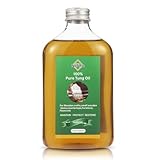
- IDEAL FOR SMALL WOODWORKING & CRAFTS: Our 350ml bottle of 100% pure tung oil is the perfect size for woodworkers, carvers, and DIY enthusiasts. It's specially packaged for finishing small projects like wooden models, jewelry boxes, carving crafts, and custom ornaments without the waste of a large can.
- HIGHLIGHTS NATURAL WOOD GRAIN & COLOR:Enhance the hidden beauty of your craftsmanship. This natural tung oil for wood penetrates deep into fine wood grains, enriching the color and bringing out a warm, hand-rubbed luster that makes every detail of your small wood crafts pop.
- EASY, CONTROLLED APPLICATION:The small 11.8oz format allows for easy handling and minimal waste. Apply a thin coat with a soft cloth or small brush for precise control on intricate pieces. This pure tung oil for wood is perfect for achieving a professional, smooth finish on all your small woodworking projects.
- CREATES A DURABLE, PROTECTIVE FINISH:Give your delicate creations a tough shield. This tung oil finish hardens inside the wood fibers, providing a durable layer that protects small wood objects from moisture, fingerprints, and daily handling, ensuring your artwork lasts for generations.
- GO-TO CHOICE FOR HANDMADE PROJECTS:Join the community of artisans who trust pure tung oil for their finest work. Whether you're turning, carving, or assembling, this is the essential, all-natural wood oil for adding a beautiful, protective final touch to all your handmade wooden crafts and DIY wood projects.
Choosing by the project’s demands
For figured or decorative wood
Choose Danish oil when grain depth and a natural hand feel outweigh maximum barrier protection. Its low build keeps carved details and figure visually open.
For a fast, smooth production schedule
Choose lacquer when rapid recoating, a polished sheen, and localized repair are priorities. Plan the job around ventilation, solvent handling, and humidity control.
For difficult-to-seal wood or a warm traditional look
Choose shellac when adhesion on resinous or oily wood matters, or when amber color and easy layering are part of the design.
Best Value

- SUPERIOR BLEND OF LINSEED OIL & BEESWAX: Tried and True wood finish is a superior blend of linseed oil and beeswax. This time-tested combination of oil and wax provides a warm soft appearance and adds protection against water, liquids and daily use.
- EFFICIENT CURING: This linseed oil for wood is polymerized for fast curing without the use of toxic drying aids found in boiled linseed products. No solvents means a little bit goes a long way. Safe to apply indoors with no PPE.
- LONG-LASTING DURABILITY: Tried & True’s original oil finish provides long-lasting durability and the ability to touch-up or repair the finish without needing to strip or sand the wood. This makes a potential heirloom to pass down for generations.
- SAFE & NON-TOXIC: This wood finish is ideal for many projects including food contact applications like cutting boards, knife handles, butcher block and wood cabinetry. It is also safe as a wooden toy finish and pet items.
- EASY APPLICATION: Sand the piece up to at least 320, wipe it on, buff it dry, wait a day, burnish with 4/0 steel or synthetic wool, repeat as desired. See videos and product label for in-depth application instructions.
For tabletops, counters, and wet areas
Do not rely on Danish oil alone where standing water, abrasion, or repeated spills are expected. A properly applied film system provides a more meaningful liquid and wear barrier; select the exact product for the exposure and follow its curing instructions.
For food-contact surfaces
None of these broad categories should be assumed safe for direct food contact without checking the specific product label and manufacturer’s cured-use instructions. A finish marketed for furniture is not automatically appropriate for cutting boards, serving surfaces, or other food-contact applications.
Can wax improve one of these finishes?
Paste wax is a maintenance layer, not a substitute for a sound finish. The National Park Service advises applying it only to stable, clear finishes such as shellac, lacquer, and varnish—not bare wood, where wax can penetrate pores and become difficult to remove. Wax can reduce dust adhesion, add a modest barrier against handling and accidental splashes, and change the sheen. Test it first in an inconspicuous spot because the appearance and future recoating can change.
Quick wins for a faster PC:
Repair Windows errors before they cause bigger problemsFix Now →Fix the driver behind crashes, sound loss and screen glitchesFind Drivers →Workshop safety and cleanup
- Provide active ventilation for lacquer and shellac work; solvent vapors are flammable and hazardous to inhale.
- Keep all solvent containers closed when not in use and remove ignition sources.
- Use the product’s stated respirator, glove, eye-protection, and disposal guidance; local rules govern solvent and rag disposal.
- Allow the finish to cure for the manufacturer’s full period before putting a project into service, even when it feels dry.
The Bottom Line
Pick Danish oil for grain depth and a natural feel, lacquer for fast film build and easy repairs, and shellac for warm color, sealing power, and reliable adhesion. For liquid, heat, and abrasion exposure, judge the complete finish system—not just its appearance—and do not expect Danish oil alone to perform like a hard protective film.
Quick Recap
Product prices and availability are accurate as of the date/time indicated and are subject to change. Any price and availability information displayed on Amazon at the time of purchase will apply.

